- Company Articles
- Products and Technology
- Product knowledge
- Maximizing Throughput with 40 Roller Track Placon Mount drop High in High-Volume Plants

Maximizing Throughput with 40 Roller Track Placon Mount drop High in High-Volume Plants
Related Product
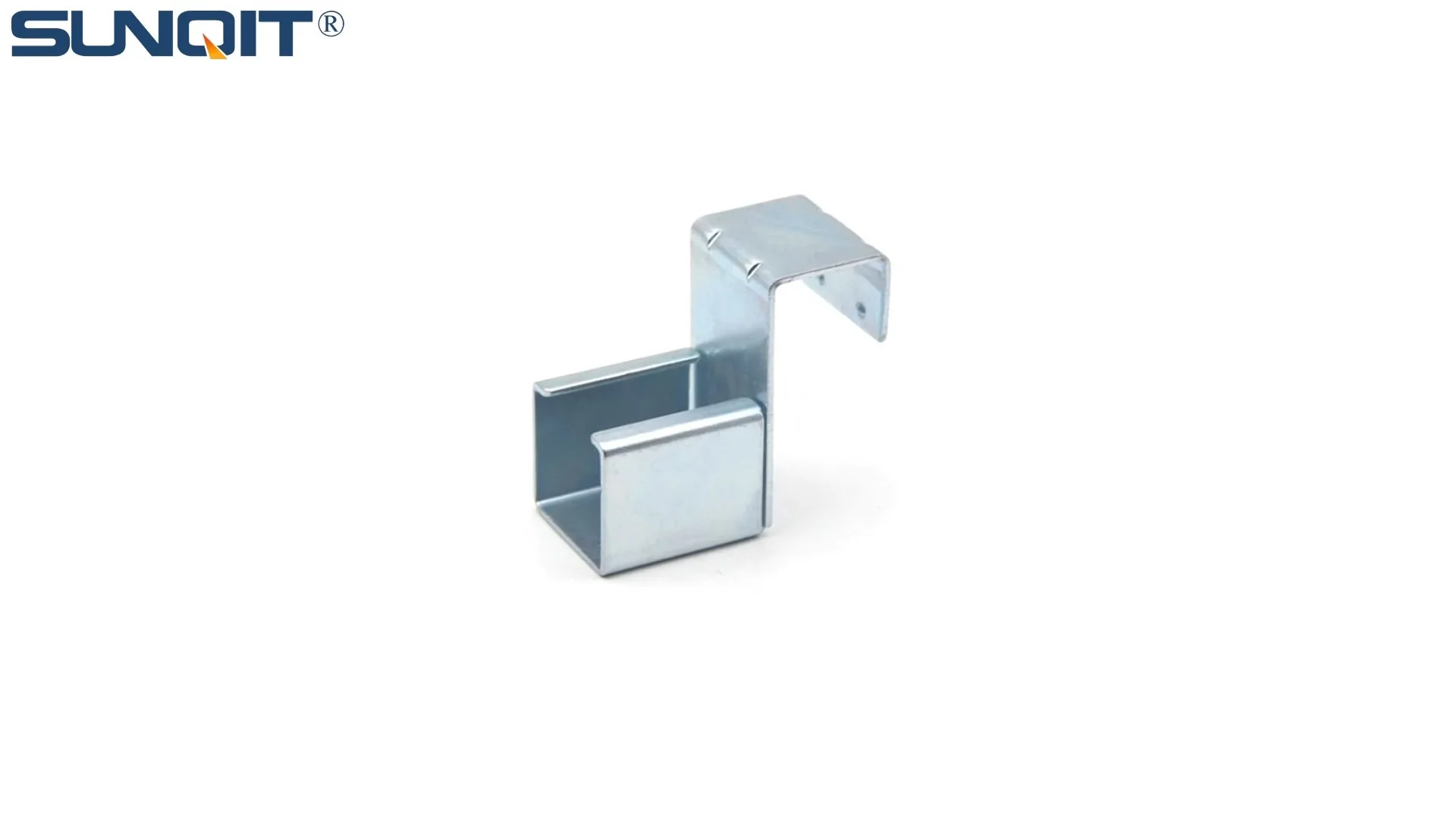
40 Roller Track Placon Mount drop High
Roller track placon mount work as a connector for roller track and pipe or aluminum profile in rack syetem, it is a necessary parts in rack system which widely used in industrial plant and logistic,warehouse storage.
How the Right Material Flow Solution Transforms Production Efficiency in Fast-Paced Manufacturing Environments
In today's high-volume manufacturing plants—whether producing consumer electronics, automotive parts, or medical devices—every second counts. When production lines process hundreds or thousands of units daily, even small delays in material flow can snowball into missed deadlines, increased labor costs, and frustrated teams. This is where the yet critical components of your production setup make all the difference. Among these, the 40 Roller Track Placon Mount drop High has emerged as a quiet hero, designed to keep materials moving smoothly, reduce bottlenecks, and boost overall throughput. Let's dive into how this specialized roller track system is redefining efficiency in busy factories.
The Hidden Cost of Clunky Material Flow in High-Volume Settings
Walk into any high-volume plant, and you'll notice a common challenge: material flow. Parts need to move from storage to assembly stations, finished products to packaging, and everywhere in between—quickly, safely, and without interruption. Yet many facilities still rely on outdated conveyor systems or manual cart transport, leading to predictable problems:
- Stagnant Workstations: When components take too long to reach assembly lines, operators stand idle, waiting for materials instead of building products.
- Damaged Goods: Rough handling or jolting conveyor systems can scratch delicate parts (like 3C electronics or medical devices), leading to costly rework or scrap.
- Rigid Layouts: Fixed conveyor belts make it hard to adapt to changing production needs—say, shifting from small-batch to mass production or reconfiguring lines for a new product.
- High Maintenance Headaches: Old roller tracks with worn wheels or misaligned rails frequently jam, requiring frequent repairs that halt production.
These issues aren't just annoyances—they hit the bottom line. A 2023 study by the Manufacturing Performance Institute found that inefficient material handling can reduce overall plant productivity by up to 30%. For a facility producing 10,000 units daily, that's 3,000 lost units—enough to erase profit margins in competitive industries like consumer electronics or automotive parts.
What Makes 40 Roller Track Placon Mount drop High Different?
At first glance, roller tracks might seem like simple tools: a series of wheels mounted on a frame to move materials. But the 40 Roller Track Placon Mount drop High stands out thanks to thoughtful engineering tailored for high-volume environments. Let's break down its key features and why they matter:
1. drop High Design: Smooth Transitions, Zero Jams
The "drop high" in its name refers to the track's height difference between sections, designed to let materials glide from a slightly elevated point to a lower one—think of it as a gentle slope for your parts. Unlike flat roller tracks, which often require external force (like pushing) to move heavy loads, the drop high design uses gravity to keep materials flowing consistently. This means:
- No more manual pushing by operators, reducing fatigue and human error.
- Smoother transitions between workstations, even for fragile items like circuit boards or medical instruments.
- Fewer jams, as the controlled slope prevents materials from getting stuck at connection points.
2. Aluminum Profile Construction: Lightweight, Strong, and Adaptable
Built with high-grade aluminum extrusion profiles, this roller track strikes the perfect balance between durability and flexibility. Aluminum's natural lightweight properties make the track easy to install and reconfigure—critical for plants that need to adjust layouts seasonally or for new product lines. Yet it's strong enough to handle heavy loads: up to 50kg per linear meter, depending on the wheel type. This adaptability aligns perfectly with modern lean pipe system principles, where "sustainable improvement" means your material handling setup should evolve with your needs.
3. Precision-Machined Wheels: Low Friction, Long Life
The track's 40mm steel or nylon wheels are engineered for minimal friction and maximum wear resistance. Steel wheels work best for heavy, rugged parts (like automotive components), while nylon wheels are ideal for sensitive items (like ESD-safe electronics assembly, where static control is a must). Either option ensures materials move at a steady, predictable pace—no sudden lurches or slowdowns—so your production line can maintain a consistent rhythm.
4. Placon Mount Compatibility: Seamless Integration with Existing Systems
"Placon mount" refers to the track's mounting brackets, designed to attach easily to aluminum profiles or lean pipes. This means you can integrate the 40 Roller Track drop High with your existing lean pipe workbench , flow racks, or conveyor systems without a complete overhaul. For example, you might connect it to a flow rack in the warehouse to feed parts directly to an assembly workstation—all with minimal tools and downtime.

By the Numbers: How It Stacks Up Against Traditional Conveyors
Still skeptical? Let's compare the 40 Roller Track Placon Mount drop High to two common alternatives: standard flat roller tracks and motorized conveyors. The data speaks for itself:
| Feature | 40 Roller Track Placon Mount drop High | Standard Flat Roller Track | Motorized Conveyor |
|---|---|---|---|
| Throughput (units/hour)* | 300-500 | 150-250 | 400-600 |
| Installation Time | 2-3 hours (for 10m track) | 3-4 hours | 8-12 hours (wiring, programming) |
| Maintenance Cost (annual) | $200-300 | $400-500 (more jams, wheel replacements) | $1,500-2,000 (motor repairs, electrical issues) |
| Flexibility (reconfiguration) | High (easily disassembled/rebuilt) | Medium (fixed mounting points) | Low (permanent wiring, fixed motor positions) |
| Energy Required | None (gravity-powered) | None (manual or gravity) | High (electricity for motor) |
*Based on average performance with small to medium-sized parts (5-20kg). Results may vary by load and environment.
Key Takeaway: While motorized conveyors offer slightly higher throughput, they come with steep installation and maintenance costs, plus limited flexibility. The 40 Roller Track drop High, on the other hand, delivers 2-3x the throughput of standard flat tracks at a fraction of the cost—all while staying adaptable to your changing needs.

Real-World Impact: Case Studies from High-Volume Plants
Numbers tell part of the story, but seeing the track in action is where its value truly shines. Here are two examples of how it's transformed throughput for manufacturers:
Case 1: 3C Electronics Assembly Plant Boosts Throughput by 35%
A major 3C manufacturer in China was struggling with bottlenecks in its smartphone assembly line. Parts like screens and batteries were arriving at workstations inconsistently, causing operators to wait up to 15 minutes per hour. The plant installed 40 Roller Track Placon Mount drop High systems between its flow rack storage and assembly workbenches. Within two weeks:
- Material delivery time to workstations dropped from 8 minutes to under 2 minutes.
- Operator idle time decreased by 40%, freeing up 2 hours per shift for value-added tasks.
- Overall line throughput increased by 35%, allowing the plant to meet seasonal demand without hiring extra staff.
Case 2: Medical Device Manufacturer Cuts Scrap Rates by 22%
A medical device company producing surgical tools needed a gentler way to move delicate stainless-steel components. Their old motorized conveyor was causing micro-scratches, leading to a 12% scrap rate. Switching to 40 Roller Track drop High with nylon wheels solved the problem:
- Scrap rates dropped to 9.4%—a 22% improvement—saving $45,000 annually in rework costs.
- The gravity-fed design eliminated sudden starts/stops, reducing component damage during transport.
- The track's aluminum construction was easy to clean and sanitize, meeting strict medical industry hygiene standards.

Beyond the Track: Building a Complete Lean Material Flow System
The 40 Roller Track Placon Mount drop High is powerful on its own, but its true potential shines when integrated into a broader lean solution . Here's how to maximize its impact:
Pair with Flow Racks for "First In, First Out" (FIFO) Inventory
Combine the roller track with flow racks to create a FIFO system, ensuring older inventory gets used first—critical for perishable or time-sensitive parts. The track's drop high design feeds parts directly from the rack to the line, keeping stock levels visible and reducing waste.
Integrate with Conveyors for Long-Distance Transport
For materials that need to travel longer distances (e.g., from the warehouse to the production floor), connect the roller track to motorized conveyors. The track handles the "last meter" delivery to workstations, while conveyors manage the bulk transport—creating a seamless end-to-end flow.
Customize with Accessories for Specialized Needs
Add-ons like side guides, end stops, or ESD-safe components make the track adaptable to unique requirements. For example, ESD workstations in electronics plants can pair the track with anti-static wheels to prevent static discharge damage to sensitive components.
Choosing the Right Supplier: Why Experience Matters
Not all roller tracks are created equal. To get the most out of your 40 Roller Track Placon Mount drop High, partner with a supplier that understands both the product and your industry's unique challenges. Look for these qualities:
- Customization Expertise: A good supplier won't just sell you a standard track—they'll help design a system tailored to your layout, load requirements, and industry standards (e.g., medical-grade materials, ESD compliance).
- Lean System Integration: They should have experience integrating tracks with lean pipe workbench , flow racks, and other lean tools to create a cohesive material flow ecosystem.
- After-Sales Support: From installation guidance to replacement parts, reliable support ensures your track keeps running smoothly for years.
Remember, the goal isn't just to buy a roller track—it's to invest in a throughput solution that grows with your business. A supplier rooted in lean solution principles will prioritize your long-term efficiency, not just a one-time sale.
Final Thoughts: Small Change, Big Results
In the chaos of high-volume manufacturing, it's easy to overlook the "small" components of your production setup. But as the 40 Roller Track Placon Mount drop High shows, even a single material handling tool can transform throughput, reduce costs, and make your plant more resilient. Whether you're producing electronics, automotive parts, or medical devices, this track isn't just a piece of equipment—it's a catalyst for leaner, more efficient operations.
Ready to stop letting material flow bottlenecks hold back your production? Start by auditing your current workflow, identifying where delays happen, and see how the 40 Roller Track Placon Mount drop High can bridge those gaps. The result? A faster, smoother, and more profitable manufacturing line—one gentle glide at a time.