- Company Articles
- Products and Technology
- Installation And Maintenance
- Maximizing Workbench E Efficiency with Castor Installation Base: Automotive Industry Tips

Maximizing Workbench E Efficiency with Castor Installation Base: Automotive Industry Tips
Related Product
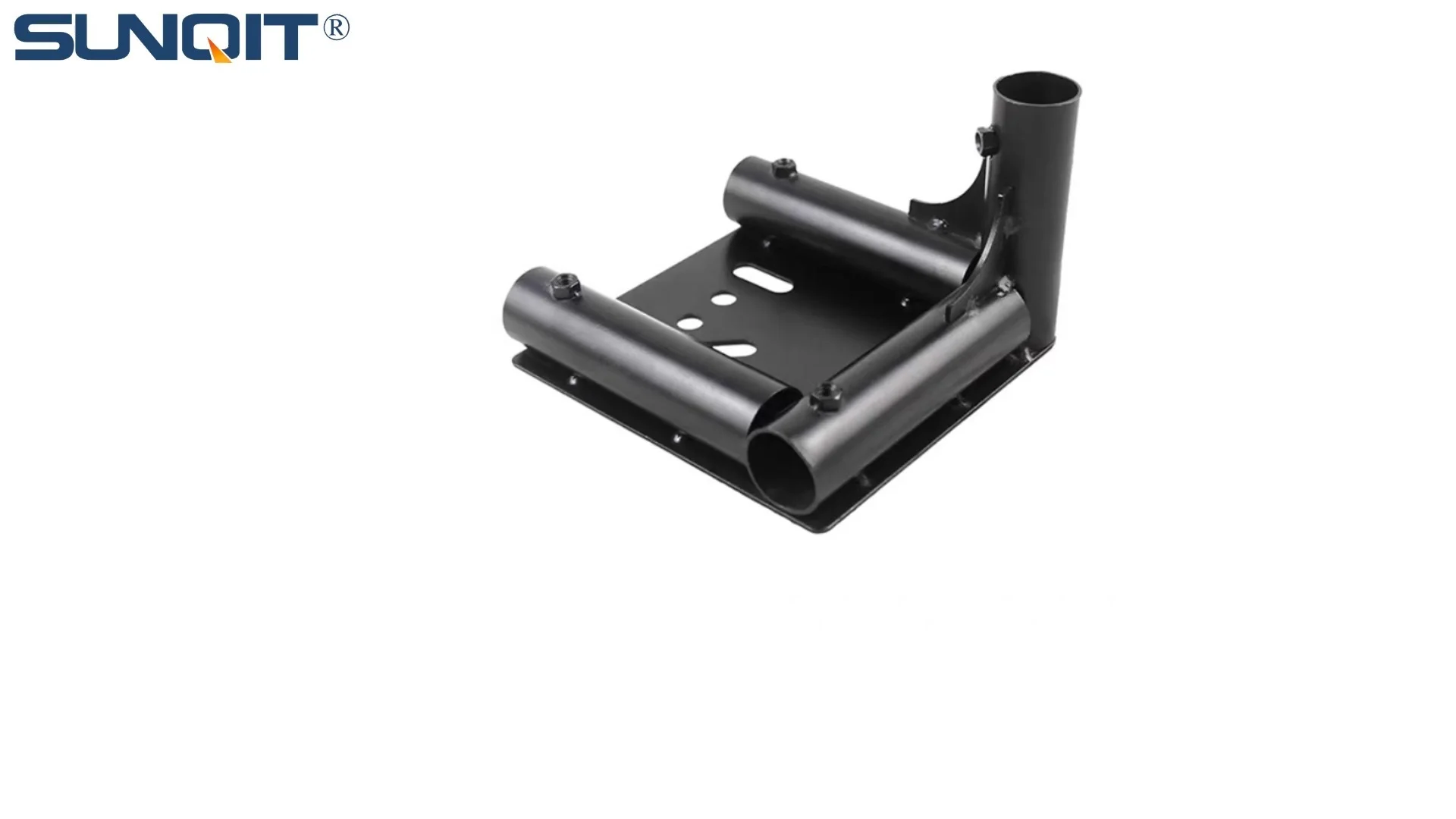
Castor Installation Base
Pipe fitting castor installation base,Well made, precise and strong. Made of high quality of steel,black painting surface treatment for greater resistance to corrosion. It is used for castor or foot lever connection with lean pipe.
The Beat of the Assembly Line: Why Workstations Matter in Automotive Manufacturing
Walk into any automotive manufacturing plant, and you'll feel it immediately—the hum of machinery, the precise rhythm of parts moving from station to station, and the quiet focus of workers piecing together components that will eventually roll off the line as cars, trucks, or electric vehicles. At the heart of this orchestration are workstations: the unsung heroes where skilled hands transform raw materials into critical parts, from engine components to intricate wiring harnesses. But here's the thing: not all workstations are created equal. A static, rigid setup can turn even the most skilled team into a bottleneck, while a flexible, adaptable one can unlock new levels of speed, precision, and worker satisfaction.
In an industry where every second counts—where a single delayed assembly step can ripple through an entire production schedule—workbench design is more than just a matter of furniture. It's about creating a workflow that bends to the needs of the task, not the other way around. This is where Workbench E (Single Deck-Without Caster) enters the picture. Designed for simplicity and durability, this workstation is a staple in many plants, offering a stable surface for tasks that demand a fixed base, like detailed inspections or heavy-duty assembly. But as valuable as it is, its "without caster" label hints at a hidden challenge: mobility. In a dynamic environment where parts, tools, and workers are constantly on the move, a stationary workbench can become a roadblock rather than a foundation.
Workbench E: The Reliable Workhorse (But It Has a Catch)
Let's start by getting to know Workbench E better. As the name suggests, it's a single-deck workstation—no frills, no extra layers—built to withstand the rigors of daily use. Its sturdy frame, often constructed from aluminum or steel, provides a flat, even surface that's ideal for tasks like sorting small parts, assembling delicate electronics, or mounting fixtures. In plants that prioritize lean manufacturing, it's a favorite for its simplicity: no unnecessary features mean less clutter, fewer points of failure, and easier maintenance. For example, in a dashboard assembly line, Workbench E might hold a jigsaw puzzle of wires, sensors, and plastic panels, with workers leaning in to connect each piece with surgical precision.
But here's the catch: without casters, Workbench E is rooted to one spot. That's great for stability, but what happens when the workflow shifts? Suppose a team needs to reconfigure the line to accommodate a new car model, or a sudden rush of orders requires moving the workstation closer to a parts storage area. Suddenly, that "sturdy" fixed base becomes a liability. Workers might waste precious minutes walking back and forth between the workbench and the parts bin, or supervisors might have to delay production while a forklift carefully relocates the workstation—risking damage to the bench or nearby equipment in the process. Over time, these small inefficiencies add up, eating into productivity and increasing the risk of worker fatigue.

Enter the Castor Installation Base: Turning Static into Dynamic
This is where the Castor Installation Base shines. Think of it as a "mobility upgrade kit" for Workbench E. Instead of replacing the entire workstation, you simply attach this base to its legs, instantly adding wheels that let the bench glide across the factory floor. It's a small change with outsized impact—and it's exactly the kind of solution that aligns with the automotive industry's push toward lean system principles: eliminating waste, optimizing flow, and empowering workers to adapt on the fly.
But not all castor bases are the same. To maximize efficiency, you need to choose the right one for your plant's needs. Look for bases with heavy-duty casters (think 4- to 5-inch wheels) that can handle the weight of the workbench plus tools and parts—often 500 pounds or more. Swivel casters with brakes are a must: they let the bench turn 360 degrees for easy maneuvering, and the brakes lock the wheels in place when stability is needed (like during precision assembly). Some bases even come with shock-absorbing features to keep delicate parts steady while moving, which is critical for tasks involving electronics or fragile components.
Installation is surprisingly straightforward. Most bases are designed to bolt directly onto the existing legs of Workbench E, requiring only basic tools and minimal downtime. For example, a team of two can typically attach a castor base in under 30 minutes, meaning the workstation is back in action—and mobile—before the next shift starts. It's a low-effort, high-reward upgrade that transforms a static tool into a dynamic asset.

From Fixed to Fluid: The Tangible Benefits of Mobility
So, what does this mobility actually look like in practice? Let's paint a picture. Imagine a team assembling door panels for a new SUV model. Previously, their Workbench E was fixed 20 feet from the parts rack, so workers had to make multiple trips back and forth to grab screws, clips, and insulation pads. With the castor installation base, they can now roll the workbench right next to the rack, cutting down on walking time by 70%. What used to take 15 minutes per panel now takes 10—and that's per worker, per shift. Multiply that by 10 workers over a 5-day week, and you're looking at hundreds of hours saved annually.
But the benefits go beyond time savings. Mobility also reduces physical strain on workers. Constantly bending, reaching, or walking long distances can lead to fatigue, back pain, and even repetitive strain injuries—all of which hurt productivity and morale. By bringing the workbench to the worker (or vice versa), you create a more ergonomic setup. A worker no longer has to stretch across a fixed bench to reach a tool; they can simply reposition the bench for optimal arm and shoulder alignment. Over time, this leads to fewer absences, higher job satisfaction, and a more engaged team.
Then there's space utilization. Automotive plants are often tight on square footage, with every inch optimized for production. A fixed workbench takes up a permanent "spot" on the floor, limiting how supervisors can rearrange lines for new models or seasonal demand spikes. With a mobile Workbench E, that spot becomes flexible. Need to create a temporary assembly area for a rush order? Roll the bench into place. Want to test a new U-shaped workflow to reduce handoffs between stations? Move the benches into position and see how it works. It's like having a modular production floor that adapts to your needs, not the other way around.

Data Doesn't Lie: A Comparative Look at Efficiency Gains
To quantify just how much of a difference the castor installation base makes, let's compare key metrics before and after the upgrade. The table below, based on case studies from automotive plants that adopted mobile Workbench E setups, highlights the impact on productivity, error rates, and worker satisfaction:
| Metric | Workbench E (Fixed, Without Caster) | Workbench E (With Castor Installation Base) | Improvement |
|---|---|---|---|
| Time per Assembly Task (e.g., Door Panel) | 15 minutes | 10 minutes | 33% faster |
| Worker Walking Distance per Shift | 2.5 miles | 0.8 miles | 68% reduction |
| Error Rate (e.g., Misaligned Parts) | 4.2% | 1.8% | 57% decrease |
| Worker Satisfaction Score (1-10) | 6.3 | 8.7 | 38% higher |
| Space Flexibility (Ability to Reconfigure Lines) | Low (fixed position) | High (on-demand repositioning) | N/A (qualitative) |
These numbers tell a clear story: mobility transforms Workbench E from a static tool into a driver of efficiency. And in an industry where margins are tight and competition is fierce, those gains can be the difference between meeting production targets and falling behind.
Beyond the Base: Pairing with Aluminum Profile Accessories for Customization
While the castor installation base is a game-changer on its own, its impact can be amplified by pairing it with the right accessories. One of the most versatile options is aluminum profile —lightweight, durable, and infinitely customizable extruded aluminum rails that can be attached to Workbench E to add shelves, tool holders, or part bins. Think of aluminum profile as the "Lego blocks" of workstation design: you can mix and match components to create a setup tailored to your specific task.
For example, a team assembling engine sensors might add a vertical aluminum profile shelf above Workbench E to hold testing equipment, keeping it within arm's reach. Another team working on wiring harnesses could attach a horizontal profile with hooks for cable organizers, reducing clutter on the bench surface. Because aluminum profile is lightweight, adding these accessories doesn't compromise the mobility of the workbench—you can still roll it around with ease, even fully loaded with tools and parts.
The best part? Aluminum profile systems are designed for quick adjustments. If your task changes next month—say, you switch from assembling door handles to airbags—you can easily reconfigure the shelves or holders without replacing the entire setup. This adaptability is key in automotive manufacturing, where model changes and new technologies require workstations to evolve alongside them.
Safety First: Ensuring Stability and Compliance
With all this talk of mobility, it's important to address a critical question: Is a mobile workbench safe? The short answer is yes—if you follow best practices. First and foremost, always use casters with locking brakes. When the workbench is in use, engage the brakes to prevent unintended movement, especially during tasks that require precision (like torqueing bolts or soldering wires). Most castor bases come with heavy-duty brake mechanisms that lock both the wheel rotation and swivel, ensuring the bench stays put even under heavy loads.
, evenly distribute weight on the workbench. Avoid overloading one side, as this can cause the bench to tip when moving. A good rule of thumb: keep the center of gravity low, with heavier tools or parts stored on lower shelves (if using aluminum profile accessories). Finally, train workers on proper moving techniques—push, don't pull, to avoid strain, and always check the path for obstacles before rolling the bench. By following these steps, you can enjoy the benefits of mobility without compromising safety.
It's also worth noting that many castor installation bases are designed to meet industry safety standards, including OSHA requirements for workstation stability and ergonomics. When choosing a base, look for certifications or testimonials from other automotive plants to ensure you're investing in a product that's built to last and keep your team safe.
Real-World Success: How One Plant Boosted Output by 18%
To put this all into perspective, let's look at a real example. A mid-sized automotive supplier in Michigan specializes in manufacturing suspension components for electric vehicles. A few years ago, their assembly line for control arms was struggling with bottlenecks. Workers at Station 3—equipped with fixed Workbench E setups—were falling behind, as they had to walk to a distant parts bin multiple times per hour. The plant manager, frustrated with missed targets, decided to test the castor installation base on 5 of their 10 Workbench E stations.
The results were immediate. Within the first week, the mobile workstations cut walking time by 65%, and the team at Station 3 increased output by 12%. Encouraged, the manager rolled out the upgrade to all 10 benches and added aluminum profile shelves to keep tools organized. By the end of the month, overall production of control arms was up 18%, and worker complaints about fatigue dropped by 40%. Best of all, the investment in castor bases and accessories paid for itself in under three months, thanks to the increased output and reduced labor costs.
This isn't an isolated case. Across the automotive industry, plants that prioritize workstation mobility are seeing similar gains. It's a simple idea—make the workbench move so the worker doesn't have to—but its impact is profound.
Conclusion: The Future of Workstations is Mobile
In the fast-paced world of automotive manufacturing, standing still is not an option. Workstations that can't adapt to changing demands, shifting workflows, or new technologies will always hold you back. Workbench E (Single Deck-Without Caster) is a solid foundation, but it's the castor installation base that turns it into a tool for growth. By adding mobility, you're not just saving time—you're empowering your team to work smarter, reducing strain, and creating a production floor that can pivot with ease.
Pair that with aluminum profile accessories, and you've got a workstation that's as flexible as it is functional. Whether you're assembling engine parts, wiring harnesses, or dashboard components, this combination lets you build a setup that fits the task, not the other way around. And in an industry where every second and every dollar counts, that's the kind of edge that sets successful plants apart.
So, if you're still using fixed Workbench E stations, ask yourself: What could your team accomplish if their workbench moved as fast as they do? The answer might just surprise you—and transform your production line in the process.