- Company Articles
- Products and Technology
- Product knowledge
- Maximizing Workbench Stability with Two Way Aluminum Pipe Joints: Expert Tips

Maximizing Workbench Stability with Two Way Aluminum Pipe Joints: Expert Tips
Related Product
Two Way Aluminum Pipe Joint
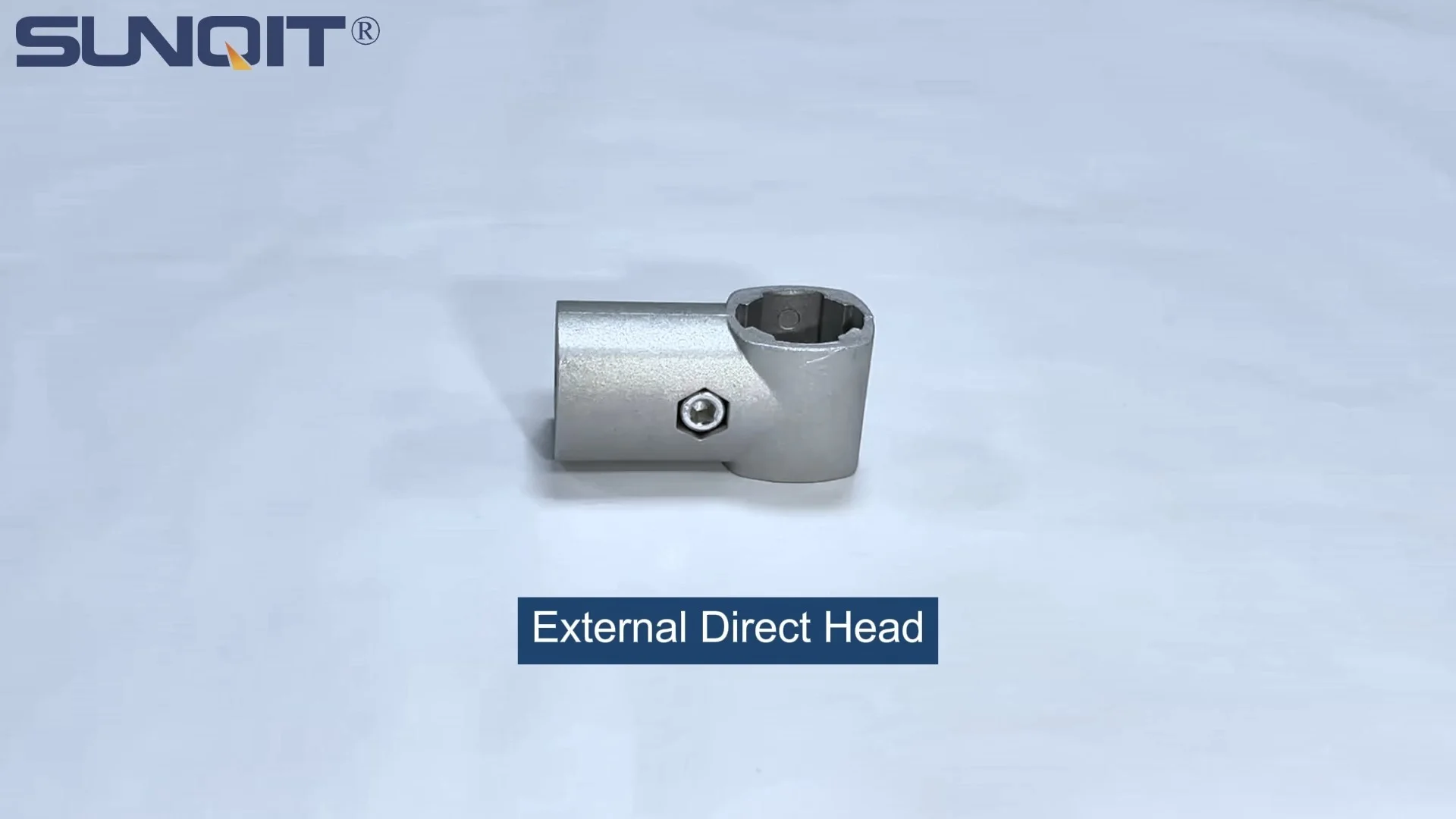
Aluminum 2 way pipe joint for 28mm aluminum pipe connection in 2 direction.
How the right connectors transform wobbly workspaces into pillars of productivity
The Hidden Cost of a Wobbly Workbench
Picture this: It's a Tuesday morning in a small electronics assembly workshop. Maria, a technician with five years of experience, is carefully soldering a tiny component onto a circuit board. The workbench beneath her trembles slightly as a colleague walks by, jostling her hand. The solder blob misplaces, creating a short circuit. She sighs, strips the board, and starts over—losing 20 minutes of work. Across the floor, Raj is measuring parts for a custom machine. His tape measure slips because the table rocks when he leans on it, leading to a 3mm error that won't be discovered until final assembly. By lunch, the team has already logged three avoidable mistakes, all traced back to the same culprit: unstable workbenches.
Wobbly workbenches aren't just an annoyance—they're a silent productivity killer. In manufacturing, labs, garages, or even home workshops, stability is the unsung foundation of efficiency, safety, and precision. A sturdy workbench reduces errors, minimizes physical strain (imagine hunching to steady a tool on a shaky surface), and extends the lifespan of equipment. But achieving that stability isn't just about buying a heavy table; it's about the often-overlooked components that hold everything together. Enter the two way aluminum pipe joint: a humble connector that plays a starring role in creating rock-solid workspaces.
In this article, we'll dive deep into how two way aluminum pipe joints can transform your workbench from a liability into an asset. We'll explore their design, why they outperform other materials, and share expert tips to maximize stability. Whether you're setting up a new workshop or upgrading existing setups, these insights will help you build workbenches that stand firm—no matter what your day throws at them.
Why Stability Matters More Than You Think
Before we get into the nuts and bolts of two way aluminum pipe joints, let's unpack why workbench stability is non-negotiable. It's easy to dismiss a little wobble as "no big deal," but the consequences ripple far beyond minor irritation.
Productivity: Every Wobble Wastes Time
Time is money, and unstable workbenches drain both. When a surface shakes, workers instinctively slow down to compensate. A 2019 study by the Manufacturing Productivity Institute found that technicians on wobbly workbenches took 15% longer to complete repetitive tasks compared to those on stable setups. That adds up: over a year, a team of 10 could lose hundreds of hours to compensating for instability.
Then there are the direct costs of errors. In precision industries like aerospace or medical device manufacturing, a single misaligned part due to a shaky table can cost thousands of dollars in rework or scrap. Even in less critical settings—say, a woodworking shop—a wobbly bench might lead to a splintered board or a mis-cut piece, turning a $5 material into a waste of time and money.
Safety: A Stable Base Prevents Accidents
Safety is where the stakes get highest. A workbench that shifts unexpectedly can send tools crashing to the floor, leading to trips or falls. In labs, unstable surfaces increase the risk of spills—whether it's corrosive chemicals, hot liquids, or delicate samples. In garages, a car part resting on a wobbly table might slip, causing crushed fingers or dented vehicles.
OSHA reports that "unstable work surfaces" are a contributing factor in nearly 7% of workplace tool-related injuries. Many of these incidents are preventable with better bench design—specifically, by ensuring the joints and connectors holding the bench together can withstand daily use without loosening.
Durability: Protecting Your Investment
Workbenches aren't cheap. A quality setup with storage, lighting, and custom features can cost $500 to $2,000 or more. But without proper stability, that investment depreciates quickly. Constant shaking weakens screws, loosens joints, and warps surfaces over time. What should last 10 years might need replacement in 3 because the frame failed prematurely.
Stability also protects the tools and equipment on the bench. A drill press or band saw mounted on an unstable surface vibrates excessively, leading to premature wear on motors and moving parts. Even smaller tools like sanders or grinders suffer—their precision diminishes when they're not secured to a steady base.
So, how do we fix this? The answer lies in the backbone of any modular workbench: the joints that connect its pipes, frames, and surfaces. And among these, two way aluminum pipe joints stand out as a game-changer. Let's explore why.
What Are Two Way Aluminum Pipe Joints, and Why Do They Matter?
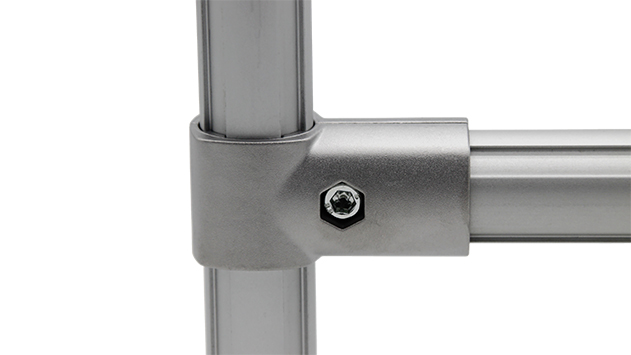
At first glance, a two way aluminum pipe joint looks simple: a small, often L-shaped connector designed to join two aluminum pipes at a fixed angle (typically 90 degrees, though some are adjustable). But its simplicity is deceptive. This unassuming piece is engineered to distribute weight evenly, resist torque, and maintain structural integrity under stress—qualities that make it indispensable for stable workbenches.
Breaking Down the Design
Two way aluminum pipe joints are part of the modular lean manufacturing system, which prioritizes flexibility, reusability, and efficiency. Unlike welded joints (permanent and hard to modify) or plastic connectors (prone to warping), aluminum joints offer a sweet spot of strength, adaptability, and lightweight performance.
Most two way joints consist of two cylindrical sleeves (to hold the pipes) connected by a rigid aluminum body. The sleeves often have internal threads or set screws to lock the pipes in place, preventing rotation or slippage. Some models include rubber gaskets or knurled surfaces to enhance grip, while others feature reinforced corners for extra durability. The key here is precision: well-manufactured joints have tight tolerances, ensuring a snug fit with minimal play between the pipe and connector.
Why Aluminum? The Material Advantage
Aluminum isn't chosen by accident. Its properties make it ideal for workbench joints:
- Strength-to-Weight Ratio: Aluminum is lightweight (about 1/3 the weight of steel) but surprisingly strong. This makes assembly easier (no need for heavy lifting equipment) while still supporting heavy loads—critical for workbenches holding tools, materials, or machinery.
- Corrosion Resistance: Unlike steel, aluminum forms a natural oxide layer that protects against rust, making it suitable for humid environments (like labs or garages) or workshops where spills are common.
- Malleability: Aluminum is easy to machine into complex shapes, allowing for innovative joint designs (e.g., swivel mechanisms or integrated locking systems) that enhance functionality.
- Cost-Effective: While premium aluminum alloys can be pricier than plastic, they outlast cheaper materials by years, reducing long-term replacement costs.
Compare this to plastic joints, which may work for light-duty tasks but warp under heat, crack under heavy loads, or degrade when exposed to chemicals. Steel joints, while strong, are heavy and prone to rust if not coated—adding maintenance headaches. Aluminum strikes the perfect balance for most workshop needs.
Beyond Two Way: How They Fit Into the Ecosystem
Two way joints are just one piece of the modular puzzle. They often work alongside other components like aluminum profile (the pipes or beams they connect), aluminum pipe accessories (clamps, gussets, or end caps), and lean pipe joint (a broader category of connectors for modular systems). For example, a workbench frame might use two way joints to connect vertical and horizontal aluminum profile, reinforced with a three-way joint at the corners and secured with aluminum pipe clamp for extra stability.
This modularity is a huge advantage. If your needs change—say, you need to add a shelf or extend the bench—you can simply loosen the joints, reconfigure the pipes, and lock them back in place. No welding, no cutting, no waste. This flexibility makes two way aluminum joints a favorite in dynamic environments where workflows evolve over time.
Now that we understand what two way aluminum pipe joints are, let's explore the key factors that determine how well they stabilize a workbench.

Key Factors Affecting Workbench Stability (And How Joints Solve Them)
Stability isn't a single attribute—it's the result of several interconnected factors. A workbench might wobble because of uneven weight distribution, loose connections, or poor material choice. Two way aluminum pipe joints address many of these issues, but only if they're selected and installed correctly. Let's break down the critical factors:
1. Load Distribution
Every workbench has a "load path"—the route weight takes from the surface down to the floor. If the load isn't distributed evenly, stress(),.,,.
,,50,.,,.,.
2. Joint Tightness and Play
"".0.5,(),.,,,.
."",.,.:,.
3. Material Compatibility
.,,.,(20mm)30mm,.
(20×20mm,30×30mm40×40mm),.,—.
4. Environmental Stress
.,,..
.,.(),,.
5. Dynamic vs. Static Loads
:()(,).,,.
.,,.(),.
,,.

Expert Tips: Maximizing Stability with Two Way Aluminum Pipe Joints
Building a stable workbench with two way aluminum pipe joints isn't rocket science, but it does require attention to detail. Follow these expert tips to ensure your setup is rock-solid, reliable, and built to last.
Tip 1: Choose the Right Joint for Your Load
Not all two way aluminum pipe joints are created equal. They come in different load ratings, materials, and designs—so start by calculating your workbench's maximum expected load. Ask: What's the heaviest tool or material I'll place on this bench? Will I lean on it? Are there dynamic loads (like hammering)?
Most manufacturers list a "static load capacity" (weight it can hold without movement) and a "dynamic load capacity" (weight with impact). For example, a light-duty joint might handle 50kg static/30kg dynamic, while a heavy-duty model could manage 200kg static/150kg dynamic. When in doubt, overestimate—adding 20-30% to your calculated load ensures you don't push the joint to its limit.
Also, consider the joint's material grade. 6061 aluminum alloy is stronger than 6063, making it better for heavy loads. For corrosive environments, look for joints made from marine-grade aluminum or those with a powder-coated finish.
Tip 2: Prep Pipes and Joints for a Snug Fit
Even the best joint won't perform if the pipes are dirty or damaged. Before assembly, take 5 minutes to prep your materials:
- Clean the Pipes: Use a rag and isopropyl alcohol to remove oil, dust, or debris from the pipe ends. This ensures the joint's set screws or threads grip properly—grease or dirt can act as a lubricant, causing slippage over time.
- Deburr the Edges: If you cut the aluminum profile to length, use a deburring tool to smooth sharp edges. Burrs can prevent the pipe from seating fully in the joint, leaving gaps that cause wobble.
- Check for Straightness: Bent pipes are a stability nightmare. Roll the pipe on a flat surface—if it wobbles, replace it. Even a small bend will throw off the entire frame's alignment.
Pro tip: For extra grip, wrap a small piece of Teflon tape around the pipe threads (if using threaded joints) or apply a drop of thread locker (like Loctite) to set screws. Just don't overdo it—too much thread locker can make future disassembly difficult.
Tip 3: Use a Torque Wrench for Consistent Tightening
"Tighten until it's snug" is vague advice. Under-tightening leaves joints loose; over-tightening strips threads or cracks the aluminum. A torque wrench takes the guesswork out, ensuring each joint is tightened to the manufacturer's specifications (usually 2-5 Nm for aluminum joints).
Start by hand-tightening the set screws or bolts until they make contact with the pipe. Then, use the torque wrench to apply the exact force needed. This consistency is key—if one joint is tighter than others, the frame will twist, leading to uneven stress and wobble.
For joints without specified torque values, a good rule of thumb is to tighten until the pipe can't rotate when you apply moderate force. If the aluminum starts to indent, you've gone too far.
Tip 4: Reinforce with Aluminum Pipe Accessories
Two way joints are strong, but they work best with backup. Aluminum pipe accessories like clamps, gussets, or corner braces add extra stability by reducing stress on the joints. Here are a few to consider:
- Aluminum Pipe Clamps: These wrap around the pipe and joint, adding a second layer of security. They're especially useful for horizontal beams that support heavy tools.
- Gussets: Triangular metal plates that bolt to the joint's corners, distributing load and resisting bending. Ideal for workbenches with overhanging surfaces (like a shelf on one side).
- End Caps: While not structural, end caps prevent dirt from entering the pipe ends, which can corrode the interior and weaken joints over time.
For example, if your workbench has a top that extends 12 inches beyond the frame, adding a gusset at the joint where the extension meets the leg will prevent the top from sagging and the joint from bending.
Tip 5: Level the Frame Before Final Tightening
An uneven floor or frame is a stability killer. Even if joints are tight, a frame that's out of level will rock, as the legs don't all contact the ground evenly. Before fully tightening the joints, use a spirit level to ensure the frame is plumb (vertical legs) and level (horizontal beams).
Start by assembling the frame loosely—just enough to hold shape. Place a level on each horizontal beam and adjust the legs until the bubble is centered. Then, check the vertical legs with the level to ensure they're straight up and down. Once level, tighten all joints in a crisscross pattern (like tightening lug nuts on a car wheel) to avoid twisting the frame.
For uneven floors, use adjustable feet or shims under the legs. Some aluminum pipe systems include leveling feet that screw into the bottom of the legs, making this easy to adjust.
Tip 6: Inspect and Retighten Regularly
Stability isn't a one-and-done achievement. Over time, vibrations from tools, temperature changes, and regular use can loosen joints. Make it a habit to inspect your workbench monthly:
- Check for Play: Grasp the frame and shake gently. If you feel movement, identify the loose joint (listen for rattling or look for gaps between pipe and joint).
- Retighten Set Screws: Use your torque wrench to re-tighten any loose screws. This is quick—most inspections take less than 10 minutes.
- Clean Joints: Wipe away dust, oil, or corrosion with a damp cloth. For stubborn grime, use a soft brush and mild detergent (avoid abrasive cleaners that scratch the aluminum).
- replace Worn Parts: If a joint is cracked, stripped, or has damaged threads, replace it immediately. A single faulty joint can compromise the entire frame.
Pro tip: Keep a small toolkit near the workbench with a torque wrench, replacement set screws, and a wire brush for quick maintenance.
Comparing Joint Types: When to Choose Two Way Aluminum Over Alternatives
Two way aluminum pipe joints are versatile, but they're not the only option. Depending on your needs, you might consider welded joints, plastic connectors, or even steel lean pipe joints. To help you decide, we've put together a comparison table of common joint types, highlighting their pros, cons, and best-use scenarios.
| Joint Type | Stability | Flexibility (Reusability) | Weight | Cost | Best For |
|---|---|---|---|---|---|
| Two Way Aluminum Pipe Joint | High (resists torque, tight fit) | High (easily disassembled/reconfigured) | Low (lightweight aluminum) | Medium ($5-$15 per joint) | Modular workbenches, labs, electronics assembly, workshops needing frequent reconfigurations |
| Welded Steel Joints | Very High (permanent, no play) | Very Low (permanent; can't modify without cutting) | Very High (heavy steel) | High (requires labor + materials) | Heavy-duty industrial workbenches with fixed layouts (e.g., automotive manufacturing) |
| Plastic Connectors | Low to Medium (prone to warping, limited load capacity) | High (easy to assemble/disassemble) | Very Low (lightweight plastic) | Low ($2-$8 per joint) | Light-duty use (e.g., home workshops, hobby tables with light tools) |
| Steel Lean Pipe Joints | High (strong, but heavier than aluminum) | Medium (reusable, but heavy to reconfigure) | High (steel is dense) | Medium-High ($8-$20 per joint) | Outdoor workbenches or environments with high corrosion risk (if galvanized) |
As the table shows, two way aluminum joints strike the best balance for most workshop settings. They offer near-welded stability without the permanence, and they're lighter and more affordable than steel. The only time you might opt for an alternative is if you need an ultra-heavy-duty fixed setup (welded steel) or are on an extremely tight budget (plastic, though we don't recommend it for long-term use).
Case Study: How a Small Workshop Solved Stability Issues with Aluminum Joints
From Wobbles to Wins: Precision Machining Shop Cuts Errors by 40%
Precision Machining Co. (PMC), a 12-person shop in Ohio, specializes in custom metal parts for the aerospace industry. Their work requires tolerances as tight as 0.001 inches—so when their workbenches started wobbling, the results were catastrophic. "We had parts rejected because measurements were off by thousandths of an inch," says owner Mike Thompson. "Our scrap rate jumped from 5% to 15%, and the team was frustrated."
PMC's old setup used wooden workbenches with steel pipe legs and plastic corner connectors. Over time, the plastic warped, and the steel legs rusted, creating uneven frames. Mike considered buying new welded steel workbenches but balked at the $10,000 price tag. Instead, he researched modular systems and stumbled on two way aluminum pipe joints.
Working with a local supplier, Mike's team built new frames using 30×30mm aluminum profile and two way aluminum joints. They followed the expert tips: prepped the pipes, used a torque wrench for tightening, and added aluminum pipe clamps to reinforce critical joints. The total cost? $3,200—less than a third of welded benches.
The results were immediate. "The first week, we noticed a difference," Mike says. "Parts stayed in place, measurements were consistent, and the team stopped complaining about the benches shaking." Within two months, scrap rates dropped back to 5%, and productivity increased by 12% as workers spent less time fixing errors. "We even reconfigured one bench to add a shelf—something we never could have done with wood and plastic," Mike adds.
PMC's story isn't unique. Small and medium-sized businesses across industries are discovering that two way aluminum pipe joints offer a cost-effective, flexible solution to stability issues. By investing in quality joints and following best practices, they're transforming their workbenches from liabilities into assets.
Conclusion: Stability Starts with the Right Joints
Wobbly workbenches are a problem we've all endured, but they're not inevitable. The key to stability lies in the details—specifically, the joints that hold your workbench together. Two way aluminum pipe joints offer an unbeatable combination of strength, flexibility, and affordability, making them the cornerstone of any reliable workspace.
By choosing the right joint for your load, prepping materials properly, using a torque wrench for consistent tightening, and reinforcing with aluminum pipe accessories, you can build a workbench that stands firm through years of use. And with regular maintenance, that stability will only improve over time.
Remember: A stable workbench isn't just about tools and materials—it's about empowering your team to work with confidence. When Maria doesn't have to worry about her soldering iron slipping, when Raj's measurements are precise every time, and when scrap rates plummet, everyone wins. So, invest in the joints that matter. Your productivity, your team, and your bottom line will thank you.