- Company Articles
- Products and Technology
- Product knowledge
- Mechanical Manufacturing: 2.0mm Stainless Steel Pipe for Machine Parts

Mechanical Manufacturing: 2.0mm Stainless Steel Pipe for Machine Parts
Related Product
2.0mm Stainless Steel Pipe
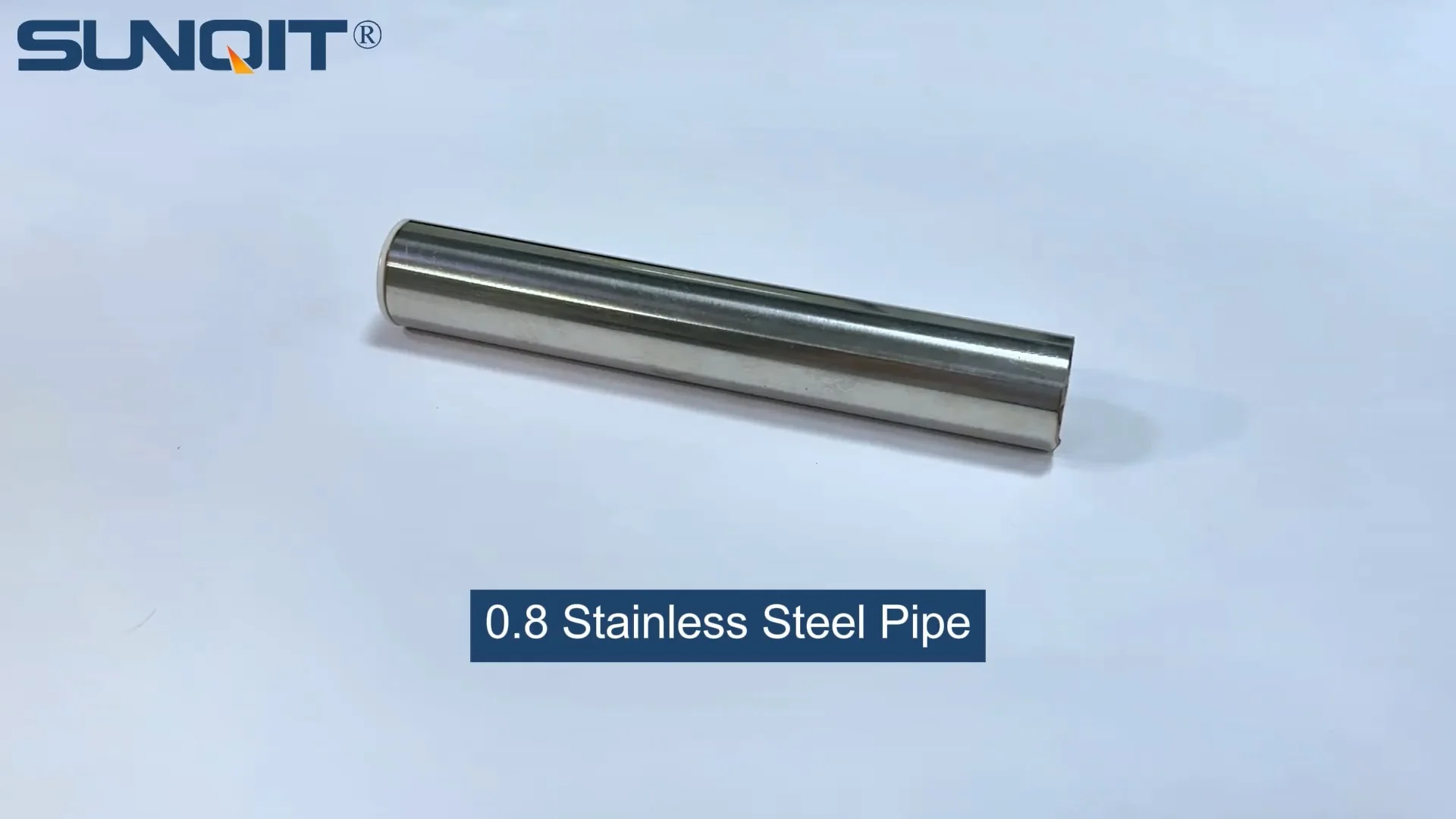
Stainless steel pipe, lean pipe, diameter is 28mm, material is SS201 or SS304, SS201 is normally used in the market. It knows a KARAKURI, KAIZEN material for industrial plant to improve efficiency, save labor cost, standard management.
The Unsung Hero of Factory Floors
Walk into any busy manufacturing facility—whether it's churning out automotive components, electronics, or consumer goods—and you'll notice a silent workhorse holding everything together: metal pipes. Not the flashy robots or high-tech sensors, but the humble pipes that form the backbone of workbenches, material racks, conveyors, and trolleys. For years, many factories relied on flimsy plastic pipes or heavy iron rods, but in recent years, a star has emerged in this space: the 2.0mm stainless steel pipe. It's not just a material upgrade; it's a game-changer for efficiency, durability, and lean manufacturing. Let's dive into why this specific pipe has become a staple in modern mechanical manufacturing.
What Exactly Is 2.0mm Stainless Steel Pipe?
First, let's break it down. Stainless steel is already known for its strength and resistance to rust, but the "2.0mm" here refers to the wall thickness of the pipe. That might sound like a tiny detail, but in manufacturing, every millimeter matters. Most stainless steel pipes in this category are made from 304 or 316 grade stainless steel—alloys packed with chromium and nickel that fight off corrosion, even in damp or chemical-heavy factory environments. The 2.0mm thickness hits a sweet spot: thick enough to handle heavy loads without adding unnecessary weight, and thin enough to keep assembly and installation manageable.
Think of it as the Goldilocks of industrial pipes. Too thin (like 0.8mm or 1.0mm), and you risk bending or warping under the weight of tools, raw materials, or finished products. Too thick (say, 3.0mm), and you're stuck with (bènzhòng—heavy) structures that are hard to move, expensive to ship, and overkill for most everyday factory tasks. The 2.0mm pipe? It's just right. It's why you'll find it listed front and center in most stainless steel pipe series catalogs, alongside its thinner and thicker siblings.

Why 2.0mm? The Science of Strength and Practicality
Let's talk numbers, but in a way that makes sense for someone on the factory floor. A 2.0mm stainless steel pipe with a standard 28mm outer diameter can typically support around 200-300 kg of evenly distributed weight without bending. That's enough to hold a fully loaded workbench with power tools, a stack of metal sheets, or a trolley piled high with electronic components. Compare that to a 1.2mm pipe, which might max out at 150 kg, or a 1.5mm pipe at 220 kg—close, but not quite enough for the heavy-duty, all-day use factories demand.
But it's not just about raw strength. Stainless steel's natural resistance to corrosion means this pipe won't rust when exposed to coolant, oil, or cleaning chemicals—common hazards in manufacturing. Anyone who's dealt with rusted iron pipes knows the headache: seized joints, weakened structures, and the constant need for replacements. With 2.0mm stainless steel, you're looking at a lifespan of 10+ years in most environments, which translates to lower maintenance costs and less downtime. That's music to any plant manager's ears.
Another hidden benefit? Precision. Unlike some cheaper metals, stainless steel pipes are manufactured with tight tolerances. The outer diameter, inner diameter, and wall thickness are consistent from one pipe to the next. That matters when you're assembling a workbench or a material rack—you don't want one wobbly pipe throwing off the entire structure. Consistency means smoother assembly, fewer mistakes, and a finished product that feels solid and reliable.

Stainless Steel Pipe Series: How 2.0mm Stacks Up
To really appreciate 2.0mm stainless steel pipe, it helps to see where it fits in the broader stainless steel pipe series. Factories don't just pick a pipe at random—they choose based on the job. Here's a quick breakdown of common thicknesses and their best uses:
| Thickness | Typical Load Capacity (Even Distribution) | Best Applications | Key Advantage |
|---|---|---|---|
| 0.8mm | Up to 80 kg | Light shelving, small parts storage, temporary structures | Ultra-lightweight, easy to transport |
| 1.0mm | Up to 120 kg | Tool holders, light-duty workbenches, display racks | Balances weight and basic strength |
| 1.2mm | Up to 150 kg | Medium shelving, assembly line side racks | Good for daily use with moderate loads |
| 1.5mm | Up to 220 kg | Heavy shelving, mobile trolleys (light loads) | Stronger than 1.2mm, still relatively lightweight |
| 2.0mm | Up to 300 kg | Workbenches, material racks, conveyors, heavy-duty trolleys | Best balance of strength, weight, and durability |
As you can see, 2.0mm is the workhorse of the bunch. It's not the thinnest or the thickest, but it's the most versatile. A factory might use 1.0mm pipes for lightweight tool racks near assembly lines, but when it comes to the main workbench where workers spend 8+ hours a day, or the material rack that holds 50 kg metal blocks, 2.0mm is the go-to. It's the difference between a structure that "works" and one that "works reliably, day in and day out."
Beyond Pipes: Building with 2.0mm Stainless Steel in Real Life
Let's get concrete. How do factories actually use 2.0mm stainless steel pipe? Let's walk through a few common scenarios:
Workbenches: The Heart of the Factory
Every factory has workbenches—some simple, some packed with vices, LED lights, and power outlets. The frame of these workbenches? Often 2.0mm stainless steel pipe. Why? Because a workbench isn't just a table; it's where operators stand, lean, and hammer. It holds drills, grinders, and heavy parts. A flimsy frame would shake, wobble, or even collapse over time. With 2.0mm pipe, the frame stays rigid, even when someone leans on it while tightening a bolt or heaves a 50 kg component onto the surface. Plus, the corrosion resistance means spilled coolant or oil won't leave ugly rust spots—keeping the workspace clean and professional.
Material Racks: Storing Smart, Not Just Storing
Material racks—like the "material rack B (3 row and 3 floor)" you might see in a warehouse—are another big user of 2.0mm pipe. These racks need to hold rows of boxes, pallets, or raw materials, often stacked high. A 2.0mm pipe frame ensures the vertical supports don't bow under the weight, and the horizontal beams keep the shelves level. Imagine a rack loaded with 25 kg boxes on each of its 3 rows and 3 floors—that's 225 kg total. A 1.5mm pipe might handle it, but over time, with constant loading and unloading, you'd start to see sagging. The 2.0mm pipe? It laughs it off, maintaining its shape for years.
Turnover Trolleys: Mobility Meets Muscle
Turnover trolleys are the delivery trucks of the factory floor, shuttling parts from one station to the next. They need to be strong enough to carry heavy loads but light enough to push around easily. Enter 2.0mm stainless steel pipe frames paired with caster wheels. The pipe provides the strength to hold the load, while the caster wheels (often with brakes for safety) make movement a breeze. A trolley built with 2.0mm pipe can carry 200+ kg without feeling unstable, even when rolling over uneven concrete floors. And since stainless steel is low-maintenance, these trolleys stay in service longer, reducing the need to replace them every couple of years.
2.0mm Stainless Steel Pipe and Lean System: A Match Made in Efficiency
Lean manufacturing isn't just a buzzword—it's a philosophy about eliminating waste, streamlining processes, and making every second count. And 2.0mm stainless steel pipe plays a surprisingly big role in making lean systems work. Here's how:
First, modularity. Most 2.0mm stainless steel pipes are designed to work with standard stainless steel pipe joints—simple connectors that let you assemble, disassemble, and reconfigure structures in minutes. Need to adjust a workbench height? Swap out a few pipes. Repurpose a material rack into a conveyor frame? Disconnect the joints and rebuild. This flexibility means factories can adapt quickly to changing production needs without investing in entirely new equipment. That's waste reduction at its finest—no more sitting on unused, outdated structures.
Second, durability reduces downtime. In lean systems, any unplanned stop in production is a disaster. A rusted pipe snapping, a wobbly rack collapsing, or a trolley frame bending—these all grind work to a halt. With 2.0mm stainless steel, these issues are rare. The pipes hold up to daily abuse, so maintenance crews spend less time fixing and more time focusing on preventive care. Less downtime = more output = happier customers.
Third, consistency improves workflow. When every workbench, rack, and trolley is built with the same 2.0mm pipe, operators know exactly what to expect. They don't waste time adjusting to wobbly surfaces or unstable carts. Everything feels familiar, which speeds up tasks and reduces errors. It's the little things, right? A stable workbench makes it easier to align parts, a sturdy trolley reduces strain when pushing, and a level material rack prevents boxes from tipping over. All of these add up to smoother, faster, more efficient operations.
Stainless Steel vs. Aluminum Pipe: When to Choose Which
You might be wondering: Why not use aluminum pipe instead? Aluminum is lighter, after all. It's a fair question—aluminum pipe has its place. For example, in applications where weight is critical (like aerospace or lightweight medical equipment), aluminum shines. But for most mechanical manufacturing tasks, 2.0mm stainless steel pipe has the edge, and here's why:
Strength-to-weight ratio: Aluminum is lighter, but it's also less strong. A 2.0mm aluminum pipe might weigh 30% less than a stainless steel one, but it can only support about 60-70% of the load. For factory workbenches or material racks, where strength is non-negotiable, stainless steel wins.
Corrosion resistance: While aluminum is corrosion-resistant, it's not as tough as stainless steel in harsh environments. If your factory uses acidic cleaners, saltwater mist (near coastal areas), or high humidity, stainless steel will last longer without pitting or discoloration.
Cost over time: Aluminum pipes are often more expensive upfront. Add in the fact that you might need a thicker aluminum pipe to match the strength of a 2.0mm stainless steel pipe, and the cost gap grows. Over the long run, stainless steel's durability makes it the more budget-friendly choice.
That said, aluminum pipe has its uses—light-duty shelving, temporary structures, or applications where weight is the top priority. But for the heavy, daily grind of mechanical manufacturing, 2.0mm stainless steel pipe is the safer, smarter bet.
The Future of 2.0mm Stainless Steel Pipe in Manufacturing
As factories embrace automation, IoT, and smarter manufacturing, will the humble stainless steel pipe still have a role? Absolutely. If anything, its importance will grow. Here's why:
First, modularity aligns with smart factories. Smart factories need to be agile, able to reconfigure production lines quickly for small-batch runs or custom orders. The 2.0mm stainless steel pipe's easy assembly and disassembly make it perfect for this. No need for welding or special tools—just connect the joints and go.
Second, sustainability matters. Stainless steel is 100% recyclable, and its long lifespan means less waste. As more factories aim for carbon neutrality, choosing durable, recyclable materials like 2.0mm stainless steel will become a priority.
Finally, safety first. Modern factories are more focused than ever on worker safety. A sturdy 2.0mm pipe frame reduces the risk of collapses, while corrosion resistance means fewer sharp, rusted edges that could cut operators. It's a small detail, but it adds up to a safer, more productive workplace.
Final Thoughts: More Than Just a Pipe
At the end of the day, 2.0mm stainless steel pipe isn't just a piece of metal. It's a foundation for better manufacturing. It's the reason a workbench doesn't wobble, a material rack doesn't sag, and a trolley rolls smoothly across the factory floor. It's the quiet partner in lean systems, helping factories reduce waste, improve efficiency, and stay competitive in a fast-paced world.
So the next time you walk through a factory, take a closer look at those metal frames. Chances are, many of them are built with 2.0mm stainless steel pipe. And now, you'll know why—because in manufacturing, the best innovations aren't always the flashiest. Sometimes, they're the ones that simply work, day in and day out, making everything else possible.