- Company Articles
- Products and Technology
- Application Cases
- Mechanical Manufacturing Uses: Gusset ALP 4040 in Machine Guarding Structures

Mechanical Manufacturing Uses: Gusset ALP 4040 in Machine Guarding Structures
Related Product
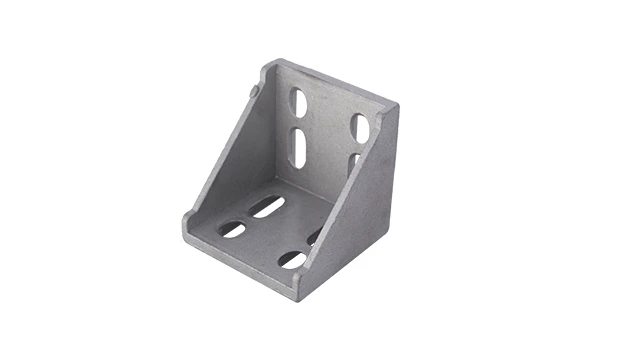
Gusset ALP 4040
The 4040 bracket/Gusset is an external fastening method that creates a 90 degree connection. 4040 means this size is used for 40 series aluminum profile with a quick connection by bolt and nut. It is a lightweight bracket that requires no machining servic
The Critical Role of Machine Guarding in Modern Manufacturing
Walk into any busy manufacturing facility, and you'll see a symphony of moving parts: robotic arms welding car frames, conveyor belts transporting components, and CNC machines carving precision parts. But amid this productivity, there's an invisible yet non-negotiable priority: keeping workers safe. Machine guarding—those barriers, fences, and enclosures that separate people from hazardous machinery—isn't just a box to check on a compliance list. It's the difference between a thriving team and a workplace marked by accidents, downtime, and shattered morale.
Consider the numbers: According to the U.S. Bureau of Labor Statistics, manufacturing workers face a 3.5% higher injury rate than the national average, with machinery-related incidents accounting for nearly 20% of those injuries. OSHA estimates that proper machine guarding could prevent over 80% of these incidents, saving companies millions in workers' compensation, lost productivity, and reputational damage. Beyond compliance with standards like OSHA 1910.212 or ISO 13849-1, effective guarding sends a clear message to employees: "Your safety matters."
But here's the catch: Traditional machine guarding often falls short of modern manufacturing needs. For decades, facilities relied on heavy steel mesh, welded metal panels, or bulky plastic shields. These solutions were sturdy, sure, but they came with a raft of headaches. Steel guards, for example, are notoriously heavy—installing them requires forklifts or multiple workers, and reconfiguring them (say, when a production line is updated) means cutting, welding, and repainting. Welded structures are rigid; if a machine is upgraded or moved, the guard becomes obsolete. And in environments with coolants, oils, or humidity, steel rusts—a problem that not only weakens the guard over time but also creates sharp, corroded edges that pose their own safety risks.
Plastic guards, while lighter, often lack the durability to withstand the daily wear and tear of a factory floor. They scratch easily, fade under UV light, and can crack when exposed to high impact. For manufacturers chasing agility—needing to adapt quickly to new product lines, smaller batch sizes, or frequent retooling—these traditional options feel like anchors, weighing down progress rather than enabling it. So, what if there was a guarding solution that offered the strength of steel, the flexibility of plastic, and the longevity to keep up with the pace of modern manufacturing? Enter the world of aluminum extrusion profiles—and more specifically, the Gusset ALP 4040.
Meet Gusset ALP 4040: A Game-Changer in Machine Guarding Design
If you've ever assembled furniture with modular parts, you know the satisfaction of clicking pieces together and seeing a structure take shape in minutes. Now imagine that same idea, but scaled up for industrial use—and built to withstand the rigors of a manufacturing plant. That's the essence of aluminum extrusion profile systems, and the Gusset ALP 4040 is one of their unsung heroes. But first, let's clarify: What exactly is a Gusset ALP 4040, and why does it matter in machine guarding?
At its core, the Gusset ALP 4040 is a structural reinforcement component designed to work seamlessly with 4040 aluminum extrusion profiles—the workhorses of modular industrial framing. Think of 4040 aluminum profiles as the "bones" of a guard structure: hollow, lightweight beams with T-shaped slots running along their length. These slots allow accessories like brackets, panels, and yes, gussets, to be attached without welding or drilling. The Gusset ALP 4040, then, acts as the "muscle" that strengthens these connections, adding rigidity and load-bearing capacity to corners and joints where guards are most vulnerable to stress.
Made from high-grade aluminum alloy (typically 6063-T5, a material prized for its balance of strength, corrosion resistance, and machinability), the Gusset ALP 4040 is engineered with a triangular or L-shaped design—classic gusset geometry—to distribute weight evenly across joints. Unlike a flimsy plastic bracket or a one-size-fits-all steel plate, this gusset is precision-machined to fit the 4040 profile's T-slots perfectly, ensuring a snug, secure fit that won't loosen over time. And because it's aluminum, it's remarkably lightweight: A 10-inch Gusset ALP 4040 weighs just 0.3 pounds, compared to a steel equivalent that might tip the scales at 2 pounds or more. That lightness doesn't just make installation easier; it reduces the overall weight of the guard structure, putting less strain on the machines or floors it's mounted to.
But what really sets the Gusset ALP 4040 apart is its role in a larger ecosystem of aluminum profile accessories. Pair it with 4040 aluminum profile end caps to smooth sharp edges, use aluminum profile fixings like T-slot nuts and bolts to lock it in place, or attach wire mesh panels via bracket connectors—and suddenly you've got a guard that's not just strong, but infinitely adaptable. It's this modularity that makes aluminum extrusion systems a favorite among manufacturers who refuse to be stuck with "permanent" solutions in a world that demands flexibility.

Why Gusset ALP 4040 Stands Out: Key Benefits for Manufacturers
To truly appreciate the Gusset ALP 4040, let's dive into the problems it solves for manufacturing teams. We've alluded to traditional guarding's pain points—weight, rigidity, corrosion—but how exactly does this unassuming aluminum component address them? Let's break it down.
Durability That Keeps Up with the Factory Floor
Manufacturing environments are tough. Guards get bumped by forklifts, sprayed with coolants, and exposed to temperature swings. Steel might start strong, but over time, rust eats away at its integrity—especially in facilities near coastal areas or with high humidity. Aluminum, by contrast, forms a natural oxide layer that resists corrosion, even when exposed to oils, water, or mild chemicals. The Gusset ALP 4040's aluminum alloy construction means it won't rust, chip, or degrade, ensuring the guard structure stays strong for years (we're talking 10+ years in most cases, compared to 3–5 for painted steel). And because it's non-magnetic and non-sparking, it's safe for use in environments with flammable materials or sensitive electronics—something steel can't claim.
Flexibility to Adapt to Changing Needs
Here's a scenario many manufacturers know too well: You invest in a custom steel guard for a new CNC machine, only to realize six months later that you need to reposition the machine to make space for a new assembly line. With steel, that guard is now a paperweight—you'll either have to pay to have it cut and rewelded (if possible) or buy a new one. With the Gusset ALP 4040 and 4040 aluminum profiles, reconfiguration is as simple as loosening a few bolts. Need to extend the guard by 2 feet? Add another profile section and secure it with a gusset. Want to add a door for maintenance access? Swap out a panel for a hinged section using aluminum profile hinges (another handy accessory). This flexibility isn't just about saving money on new guards; it's about keeping production lines agile, which is critical in today's fast-paced manufacturing landscape.
Ease of Assembly: From Box to Guard in Hours (Not Days)
Welding steel guards requires skilled labor, specialized equipment, and time—often days for a single guard. The Gusset ALP 4040, on the other hand, is designed for "click-and-go" assembly. Thanks to the T-slot design of 4040 aluminum profiles, you can attach the gusset using standard aluminum profile fixings: slide a T-nut into the slot, align the gusset, tighten a bolt, and you're done. No welding, no drilling, no messy adhesives. A small team can assemble a basic guard structure in under an hour, and even complex multi-panel guards with doors and windows can be built in a day. This speed isn't just convenient; it minimizes downtime during installation—critical when every minute of production counts.
Safety by Design: No Sharp Edges, No Compromises
A guard that's supposed to protect workers shouldn't become a hazard itself. Traditional steel guards often have sharp, unfinished edges from cutting or welding, and rusted corners can snag clothing or skin. The Gusset ALP 4040, when paired with 4040 aluminum profile end caps, eliminates this risk. These end caps snap into the open ends of aluminum profiles, covering sharp edges with a smooth, rounded finish. Even better, aluminum's natural softness (compared to steel) means that if a worker does bump into the guard, the impact is less likely to cause serious injury. It's a small detail, but it speaks to the thoughtfulness of modular aluminum systems—safety isn't an afterthought; it's built into every component.

How Gusset ALP 4040 Works with Aluminum Extrusion Profiles: A Perfect Partnership
To understand the Gusset ALP 4040's full potential, you need to see it in action with its "teammates": 4040 aluminum extrusion profiles and the vast array of aluminum profile accessories that make modular guarding possible. Let's walk through a typical assembly process to see how these pieces come together.
Imagine you're tasked with building a guard for a robotic welding cell—a common application where sparks, heat, and moving arms demand a robust barrier. Here's how the process might unfold:
- Plan the layout: Measure the welding cell's dimensions and map out the guard's footprint. Decide where doors (for access) and viewing panels (for monitoring) will go.
- Cut the 4040 aluminum profiles: Using a miter saw or aluminum cutting tool, cut the 4040 profiles to the required lengths for the frame. The 4040 designation means the profiles are 40mm x 40mm—ideal for medium-duty guarding applications.
- Assemble the frame corners with Gusset ALP 4040: At each corner of the frame, attach the Gusset ALP 4040 to reinforce the joint. Slide T-nut aluminum profile fixings into the T-slots of the 4040 profiles, align the gusset's pre-drilled holes with the nuts, and tighten bolts with a hex key. The gusset's triangular shape ensures the corner can withstand lateral forces (like a forklift bump) without bending.
- Add vertical supports: For taller guards, install vertical 4040 profiles at 2–3 foot intervals, securing them to the base frame with additional gussets for stability.
- Attach panels and accessories: Use bracket connectors (another type of aluminum profile accessory) to mount wire mesh panels (for ventilation) or polycarbonate sheets (for viewing) to the frame. Snap 4040 aluminum profile end caps onto any exposed profile ends to cover sharp edges.
- Install doors: Hinge a section of the frame using aluminum profile hinges, adding a latch to keep the door closed during operation.
The entire process, from start to finish, might take a skilled team 3–4 hours—compared to a full day or more for a welded steel guard. And if the welding cell is reconfigured next year? Simply loosen the bolts, disassemble the frame, and rebuild it in the new location. No waste, no extra cost, no hassle.
This compatibility with 4040 aluminum extrusion profiles is key. The 4040 profile is a standard in the industry, meaning accessories like brackets, hinges, and end caps are widely available and affordable. The Gusset ALP 4040 doesn't reinvent the wheel; it enhances an existing, proven system, making it easier for manufacturers to adopt without overhauling their entire setup.
Real-World Applications: Gusset ALP 4040 in Action
Theory is one thing, but real-world results tell the true story. Let's look at how manufacturers across industries are using Gusset ALP 4040-equipped guards to solve their unique challenges.
Automotive Manufacturing: A mid-sized auto parts supplier in Michigan was struggling with steel guards around their robotic welding stations. The guards were heavy, making it hard to reposition robots for new car models, and rust was becoming an issue in their humid facility. After switching to aluminum extrusion guards with Gusset ALP 4040 reinforcements, they reported three key wins: installation time dropped by 60%, reconfiguration for new models now takes hours instead of days, and maintenance costs (for rust repair) fell by 80% in the first year.
Aerospace Precision Machining: An aerospace component manufacturer in California needed guards for their CNC machines that could withstand high vibrations but also allow for quick access during tool changes. Steel guards were too rigid—vibrations caused bolts to loosen over time, creating safety gaps. The Gusset ALP 4040's snug fit with T-slot fixings eliminated this issue; the aluminum's natural damping properties also reduced noise from vibrations. Plus, the lightweight design meant operators could easily remove and reattach guard panels during maintenance, cutting downtime by 30%.
Food Packaging: A food processing plant in Texas required guards that could be sanitized regularly to meet FDA standards. Traditional painted steel guards chipped under frequent pressure washing, creating crevices for bacteria. Aluminum guards with Gusset ALP 4040 were smooth, non-porous, and corrosion-resistant—perfect for daily sanitizing. The plant also appreciated that aluminum doesn't leach chemicals, ensuring food safety compliance.
Gusset ALP 4040 vs. Traditional Guarding: A Head-to-Head Comparison
Still on the fence about whether modular aluminum guarding with Gusset ALP 4040 is right for your facility? Let's put it side-by-side with traditional options like welded steel and plastic guards.
| Feature | Gusset ALP 4040 + Aluminum Profiles | Welded Steel Guards | Plastic Guards |
|---|---|---|---|
| Weight (per linear foot) | 1.2 lbs (lightweight; 1–2 people can install) | 5.5 lbs (heavy; requires equipment/forklift) | 0.8 lbs (light, but less rigid) |
| Corrosion Resistance | Excellent (natural oxide layer; no rust) | Poor (rusts without frequent repainting) | Good (but prone to cracking/scratching) |
| Reconfigurability | High (modular; disassemble and rebuild easily) | Low (welded joints; must be cut/welded to modify) | Medium (some modular options, but less durable) |
| Installation Time (basic guard) | 3–4 hours (no welding; bolt-together assembly) | 8–10 hours (cutting, welding, painting) | 2–3 hours (lightweight, but less secure) |
| Longevity (average lifespan) | 10+ years (minimal maintenance) | 3–5 years (rust and wear degrade integrity) | 2–4 years (prone to UV damage and cracking) |
| Safety (sharp edges, impact resistance) | High (smooth end caps; aluminum softens impact) | Medium (sharp edges if not finished; high impact risk) | Low (prone to cracking; sharp edges when damaged) |
| Cost (initial + 5-year maintenance) | Moderate initial; low maintenance (no repainting/replacement) | Low initial; high maintenance (repainting, replacement) | Low initial; high maintenance (frequent replacement) |
Maintenance & Compliance: Keeping Your Guards Safe and Up to Code
Even the best guard structure needs a little TLC to stay effective. The good news? Maintaining a Gusset ALP 4040-equipped guard is refreshingly simple. Unlike steel, which requires regular painting to prevent rust, aluminum guards just need an occasional wipe-down with a mild detergent and water to remove grease or dust. Inspect the bolts and T-slot fixings quarterly to ensure they're tight (vibrations can loosen them over time), and replace any damaged aluminum profile accessories like hinges or end caps as needed. That's it—no special tools, no expensive coatings, no downtime for maintenance.
Compliance with safety standards is equally straightforward. OSHA requires machine guards to "prevent contact with hazardous moving parts," be "securely fastened," and "not create new hazards." The Gusset ALP 4040 checks all these boxes: its rigid construction prevents workers from reaching into machinery, the bolted connections keep it securely fastened, and the smooth end caps eliminate sharp edges. For international facilities, aluminum extrusion guards with Gusset ALP 4040 often meet ISO 13849-1 PLd/PLe ratings (performance levels for safety-related control systems), ensuring compliance across global markets.
Conclusion: Investing in the Future of Manufacturing Safety
Machine guarding isn't just about avoiding accidents—it's about building a manufacturing environment where workers feel valued, productivity flows smoothly, and adaptability is second nature. The Gusset ALP 4040, paired with 4040 aluminum extrusion profiles and aluminum profile accessories, represents a shift in how we think about industrial safety: from rigid, one-and-done solutions to flexible, future-proof systems that grow with your facility.
Whether you're building guards for CNC machines, robotic cells, or conveyor systems, the benefits are clear: lighter, stronger, easier to assemble, and infinitely reconfigurable. And in a manufacturing landscape where agility and safety are non-negotiable, that's not just an advantage—it's a necessity.
So, the next time you're evaluating machine guarding options, ask yourself: Is my current system holding me back? Or is it empowering my team to work safer, adapt faster, and build better? With the Gusset ALP 4040, the answer is clear.