- Company Articles
- Products and Technology
- Product knowledge
- Medical Carts: Flat Swivel Castor Wheel with Brake for Sterility & Maneuverability

Medical Carts: Flat Swivel Castor Wheel with Brake for Sterility & Maneuverability
Related Product
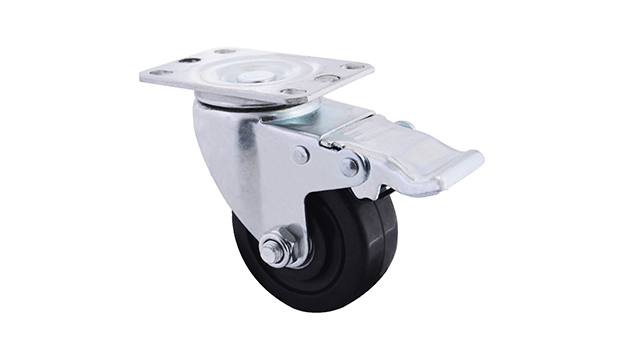
Flat Swivel Castor Wheel With Brake
Chair Casters Ball Bearing Wheels Rubber Base with brake design. Resistant to abrasion, impact and corrosion. Heavy payload can hold 70Kgs per pcs,which can make it works at a stable and smooth status.
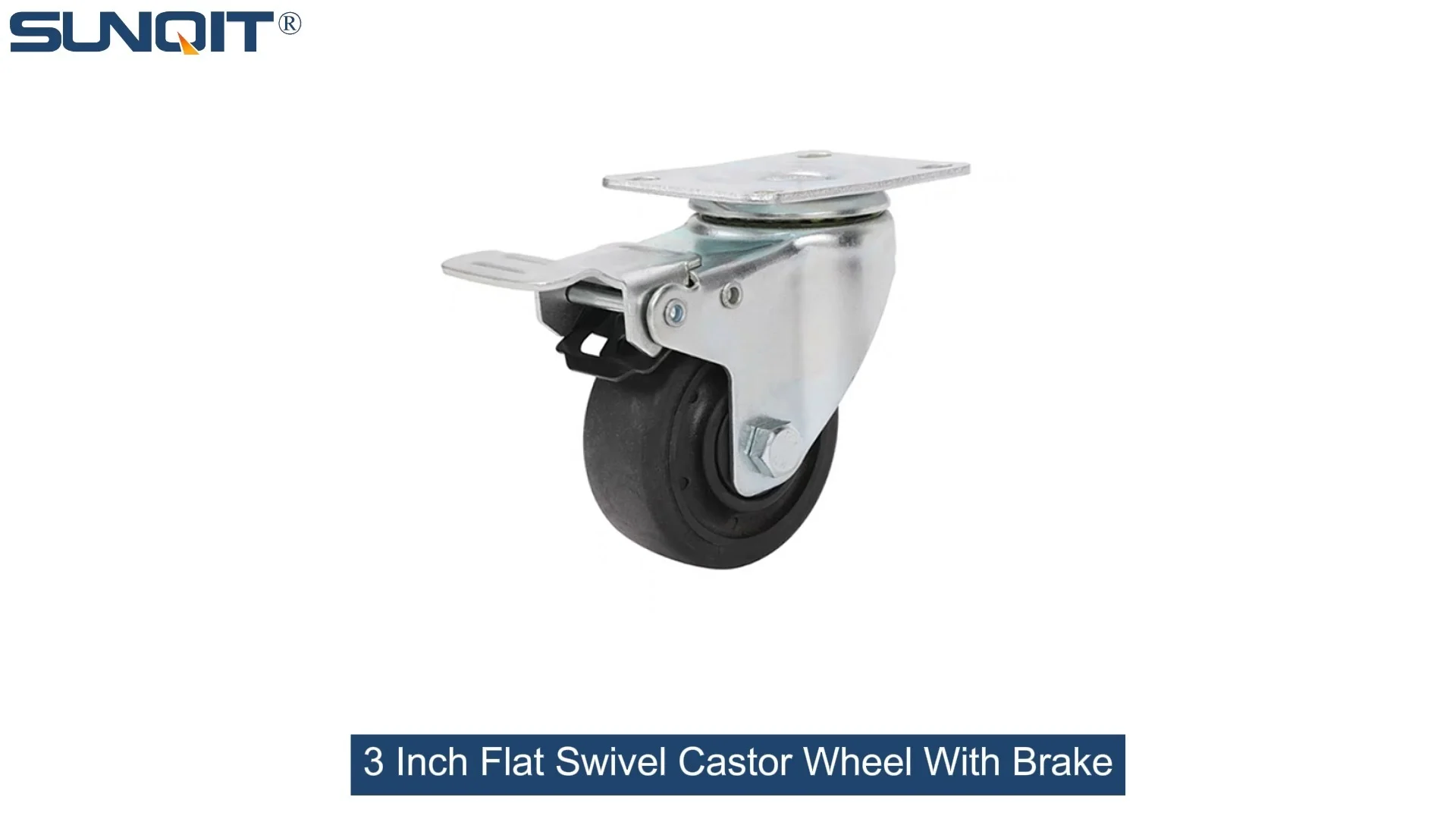
In the bustling heart of a hospital, where every second counts and precision can mean the difference between life and death, there's an unsung hero quietly keeping things moving: the medical cart. You've seen them—gliding down corridors, parked beside patient beds, loaded with syringes, bandages, monitors, or medication. They're the workhorses of healthcare, carrying the tools that nurses, doctors, and technicians rely on to deliver care. But not all medical carts are created equal. The best ones? They're designed with two critical priorities in mind: sterility and maneuverability. And today, we're diving into the unsung component that makes both possible: the flat swivel castor wheel with brake . Paired with durable materials like aluminum profile and aligned with lean system principles, these carts aren't just pieces of equipment—they're partners in saving lives.
The Backbone of Healthcare: Why Medical Carts Deserve Attention
Let's start with the obvious: healthcare is chaotic. A typical hospital shift involves nurses juggling multiple patients, doctors rushing between emergency rooms and clinics, and technicians transporting samples and equipment across sprawling facilities. In this environment, inefficiency isn't just frustrating—it's dangerous. A cart that's hard to move might delay a medication delivery. One that's tough to clean could harbor bacteria, putting immunocompromised patients at risk. A wobbly, unstable cart might even lead to spills or accidents, wasting supplies and time.
That's why medical carts have evolved far beyond simple rolling shelves. Modern carts are engineered to address the unique challenges of healthcare settings. They need to be lightweight enough to push with one hand, yet sturdy enough to hold heavy equipment. They need surfaces that resist stains and bacteria, and they need to move—quickly, smoothly, and safely—in tight spaces, from narrow patient rooms to crowded hallways. And at the center of this evolution? The wheels. Specifically, the flat swivel castor wheel with brake .
The Wheel That Steers Care: The Flat Swivel Castor Wheel with Brake
Imagine a nurse rushing to respond to a patient's call light. She's pushing a medication cart loaded with IV bags, syringes, and a monitor. The corridor is packed with visitors and other staff; she needs to weave through them, then make a sharp turn into the patient's room. Once inside, she needs to park the cart securely beside the bed so she can focus on administering treatment without worrying about the cart rolling away. This scenario plays out thousands of times a day in hospitals worldwide—and it's why the flat swivel castor wheel with brake is non-negotiable.
Maneuverability: Gliding Through Chaos
Swivel castors are designed to rotate 360 degrees, allowing the cart to turn on a dime. In a hospital, where space is often at a premium, this is game-changing. A cart with rigid wheels might require multiple back-and-forth movements to navigate around a corner or squeeze between a bed and a wall. A swivel castor? It follows the handler's lead, making tight turns feel effortless. The "flat" design adds another layer of practicality: unlike bulky, curved wheels, flat castors distribute weight evenly, reducing friction on floors and ensuring a smoother ride—even when the cart is fully loaded.
But smooth movement isn't enough. What happens when the nurse reaches the patient's room and needs to stop? That's where the brake comes in. A reliable brake mechanism—often a simple foot pedal—locks the wheel in place, preventing accidental rolling. Think about it: when a doctor is drawing blood or a nurse is preparing an injection, the last thing they need is the cart shifting. A secure brake turns the cart into a stable workbench , giving caregivers a steady surface to work on, even in high-stress situations.
Durability: Built to Last in Harsh Environments
Healthcare facilities are tough on equipment. Carts are pushed over uneven floors, bumped into walls, and exposed to frequent cleaning with harsh disinfectants. A cheap castor wheel might crack, rust, or lose its swivel function after a few months. But quality flat swivel castor wheels with brake are built to withstand this abuse. Many are made with robust materials like reinforced plastic or metal, with sealed bearings to prevent dust and moisture from seeping in. The brakes, too, are designed for repeated use—no sticking, no slipping, just consistent performance when it matters most.
Aluminum Profile: The Sterility Secret Weapon
While the wheels handle maneuverability, the cart's frame and surface are equally critical for sterility. Enter aluminum profile —a material that's become a staple in modern medical cart design, and for good reason.
Why Aluminum? Lightweight, Strong, and Sanitary
Aluminum is naturally resistant to corrosion, which is a big deal in environments where carts are wiped down multiple times a day with bleach or alcohol-based cleaners. Unlike steel, it doesn't rust, and its smooth, non-porous surface doesn't harbor bacteria. That's a huge win for infection control—one less place for germs to hide. But aluminum isn't just sanitary; it's also lightweight. A cart made with aluminum profile is easy to push, even when fully loaded, reducing strain on nurses' backs and shoulders. And despite its lightness, aluminum is surprisingly strong. It can support heavy equipment like monitors or oxygen tanks without bending or warping, ensuring the cart remains stable and reliable over time.
Another advantage of aluminum profile? Customization. Aluminum extrusion profiles come in various shapes and sizes, with accessories like T-slot connectors that make it easy to build carts tailored to specific needs. Need a cart with adjustable shelves? No problem. Want to add a side rail for holding IV poles? Simple. This flexibility aligns perfectly with lean system principles, which focus on reducing waste and maximizing efficiency. Instead of buying one-size-fits-all carts that leave unused space or lack necessary features, facilities can design aluminum profile carts that fit their unique workflows—whether that's a narrow cart for pediatric wards or a wide, multi-shelved cart for surgical supplies.

Lean System Principles: Making Carts Work Smarter, Not Harder
Healthcare facilities are increasingly adopting lean system methodologies to improve efficiency and patient care. Lean is all about identifying and eliminating waste—whether that's wasted time, wasted space, or wasted resources. And medical carts, when designed with lean principles in mind, become powerful tools for cutting waste.
Streamlining Workflows with Lean-Designed Carts
Let's break it down. A lean system encourages "5S" organization: Sort, Set in Order, Shine, Standardize, Sustain. A well-designed medical cart embodies all five. With aluminum profile shelves, you can sort supplies by type (medications on one shelf, bandages on another) and set them in order with dividers or bins, so everything has a designated place. The smooth aluminum surface is easy to "shine" (clean), keeping the cart sterile and tidy. Standardizing cart layouts across units ensures that any nurse can grab a cart and find what they need without searching. And because the cart is durable and easy to maintain, it's easier to "sustain" these good habits long-term.
But lean isn't just about organization—it's about flow. A cart with flat swivel castor wheels with brake moves seamlessly through the facility, reducing the time nurses spend fetching supplies. Instead of making multiple trips to the supply room, they can load up the cart once and care for multiple patients. And because aluminum profile carts are lightweight and maneuverable, nurses can navigate them quickly, cutting down on "transport waste" (the time spent moving between locations).
One hospital in Texas implemented lean-designed carts with aluminum profiles and swivel castors a few years back. The results? Nurses reported a 20% reduction in time spent retrieving supplies, and patient wait times for medication dropped by 15%. It's a small change, but in healthcare, every minute saved is a minute that can be spent with a patient.

Beyond Wheels and Frames: The Cart as a Mobile Workbench
At first glance, a medical cart might not look like a workbench , but that's exactly what it is—a mobile workspace that adapts to wherever care is needed. And just like a stationary workbench, its design directly impacts productivity and safety.
Ergonomics and Functionality
A good medical cart workbench should be height-adjustable, allowing caregivers of different heights to work comfortably. Aluminum profile makes this possible; with adjustable shelf brackets, the cart can be customized to fit the user, reducing strain on wrists and necks. The surface itself should be smooth and easy to clean, with raised edges to prevent supplies from sliding off during transport. Some carts even include built-in features like cup holders for water bottles (nurses need to stay hydrated, too!) or cable management systems to keep cords from tangling—a small detail that saves time and frustration.
Imagine a phlebotomist drawing blood from a patient. They need a stable surface to hold tubes, labels, and a tourniquet. A cart with a sturdy aluminum workbench top, locked in place with the castor brake, provides just that. No more balancing supplies on a bedside table or holding them in one hand while working with the other. It's a simple upgrade, but it makes the job safer and more efficient.
Caster Accessories: The Little Extras That Make a Big Difference
We've talked about the flat swivel castor wheel with brake itself, but let's not overlook the role of caster accessories —small add-ons that enhance performance, extend lifespan, and tailor the cart to specific needs.
From Locks to Covers: Accessories That Boost Functionality
Take brake extensions, for example. In some carts, the brake pedal might be hard to reach for shorter staff. An extension pedal solves that, making it easier to lock and unlock the wheels. Then there are wheel covers or guards, which protect the castor from debris like loose threads or small spills, preventing jams. For facilities with uneven floors, shock-absorbing casters or floor protectors can reduce noise and vibration, making the cart glide more smoothly. Even simple things like replacement brake pads or bearing lubricants count as caster accessories —they keep the wheels in top shape, ensuring the cart stays reliable for years.
One hospital in California started using caster covers on their medication carts after noticing that dust and lint were getting stuck in the wheel bearings, causing them to squeak. The covers were cheap, easy to install, and solved the problem instantly. Now, the carts roll silently, and maintenance calls for wheel issues have dropped by 30%.
Balancing Sterility and Maneuverability: A Delicate Dance
At this point, you might be thinking: "Okay, so we need carts that are easy to move and easy to clean. But do these two priorities ever conflict?" It's a fair question. For example, a cart with deep crevices might be more stable but harder to sanitize. Or heavy wheels might improve durability but make the cart tough to push. The good news is that modern design has largely solved these conflicts, thanks to innovations like aluminum profile frames, smooth-surfaced flat swivel castor wheels with brake , and thoughtful engineering.
Designing for Both: How Manufacturers Get It Right
Manufacturers now prioritize "hygienic design"—features that make cleaning a breeze. That means rounded edges (no sharp corners where dirt hides), minimal seams, and removable components (like shelves or bins) that can be taken off and sanitized separately. Aluminum profile frames, with their sleek, bolted connections, leave little room for debris to accumulate. Even the flat swivel castor wheels with brake are designed with hygiene in mind; many have sealed hubs and smooth, wipeable surfaces that can be disinfected without disassembly.
Maneuverability, too, has been refined. Lightweight aluminum frames reduce the cart's overall weight, making it easier to push, while advanced swivel mechanisms ensure the wheels turn smoothly with minimal effort. The brake, as we've discussed, adds stability without sacrificing mobility. It's a balance that took years to perfect, but the result is a cart that's both a sanitation champion and a mobility marvel.
Real-World Impact: How One Hospital Transformed Care with the Right Carts
Let's put this all together with a real example. Memorial Hospital, a 300-bed facility in the Midwest, was struggling with outdated medical carts a few years ago. Their old carts were heavy, hard to maneuver, and had steel frames that rusted easily, despite regular cleaning. Nurses complained about wrist pain from pushing them, and infection control teams worried about bacteria hiding in the carts' crevices. The hospital decided to invest in new carts—ones with aluminum profile frames, flat swivel castor wheels with brake , and adjustable workbench tops.
The Results: Faster Care, Happier Staff, and Safer Patients
Within six months, the changes were noticeable. Nurses reported less physical strain, and medication delivery times decreased by 18% because the new carts were easier to push and park. Infection control teams were thrilled: the aluminum surfaces were simpler to clean, and bacterial cultures from the carts showed a 40% reduction in colony-forming units (CFUs) compared to the old steel carts. Even the patients noticed a difference—nurses spent less time wrestling with carts and more time at the bedside.
One nurse, Maria, put it best: "Before, I'd dread pushing the medication cart. It was so heavy, and the wheels would get stuck in the elevator tracks. Now? I can glide it down the hall with one hand, hit the brake, and it stays put. The aluminum top wipes clean in seconds, and the shelves are adjustable, so I can organize supplies exactly how I need them. It sounds silly, but a good cart makes my job feel easier—and when my job is easier, I can focus on what matters: my patients."
More Than Just Carts: Partners in Patient Care
At the end of the day, medical carts are about more than wheels and metal. They're about empowering healthcare workers to do their jobs better, faster, and safer. They're about reducing stress, preventing errors, and ensuring that every patient gets the care they need, when they need it. And at the heart of that mission are the details: the flat swivel castor wheel with brake that glides and locks, the aluminum profile that resists germs, the lean system principles that streamline workflows, and the workbench surface that becomes a caregiver's steady companion.
So the next time you see a medical cart rolling down a hospital corridor, take a second look. It's not just a cart. It's a tool that's helping save lives—one smooth roll, one secure brake, and one sterile surface at a time.