- Company Articles
- Products and Technology
- Product knowledge
- Medical Cleanrooms: Aluminum Honeycomb Panels for Hygienic & Durable Surfaces

Medical Cleanrooms: Aluminum Honeycomb Panels for Hygienic & Durable Surfaces
Related Product
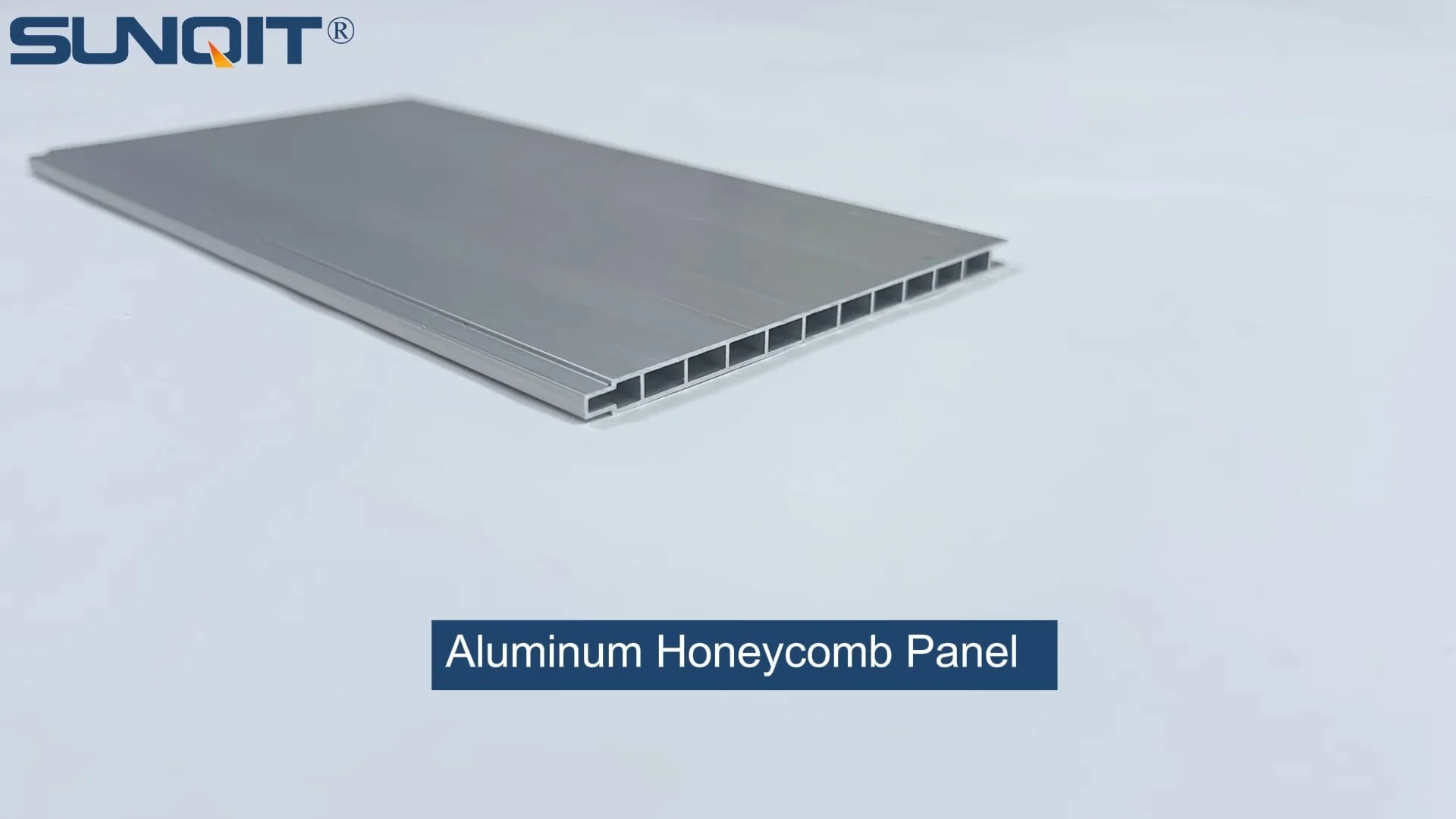
Aluminum Honeycomb Panel
Aluminum honeycomb panel used as table top, side wall, it is connected one pcs by one pcs from the side slot to make a full pieces.This panel width 105mm, 55mm, 35mm are optional for slection.
In the world of healthcare, pharmaceuticals, and biotechnology, precision isn't just a goal—it's a necessity. Every surface, every tool, and every breath of air in a medical cleanroom plays a role in protecting patient safety, ensuring product purity, and maintaining the integrity of life-saving research. Among the many elements that make a cleanroom functional, the surfaces that line its walls, ceilings, and workspaces are often the unsung heroes. They're the first barrier against contaminants, the foundation for sterile workflows, and a critical factor in long-term operational efficiency. Today, we're diving into an innovative material that's transforming these surfaces: aluminum honeycomb panels . Blending cutting-edge design with practicality, these panels are redefining what cleanroom surfaces can achieve—offering a rare mix of hygiene, durability, and flexibility that traditional materials struggle to match.
The Critical Role of Cleanroom Surfaces: More Than Just "Clean"
Before we explore aluminum honeycomb panels, let's take a step back to understand why cleanroom surfaces matter so much. Medical cleanrooms are controlled environments where airborne particles, temperature, humidity, and even microbial activity are strictly regulated. They're used in everything from surgical suites and pharmaceutical manufacturing to vaccine development and semiconductor production. In these settings, a single contaminated surface could compromise a batch of medication, invalidate a research study, or put a patient's life at risk.
Traditional surface materials have long tried to meet these demands. Stainless steel, for example, is a staple in many cleanrooms thanks to its corrosion resistance and smooth finish. But it's heavy—often requiring reinforced structural support—and can be costly to install and maintain. Painted drywall, while affordable, is porous, making it a breeding ground for bacteria and difficult to disinfect thoroughly. Fiberglass-reinforced plastic (FRP) is lightweight but lacks the structural strength needed for high-traffic areas. Even newer materials like PVC face challenges with chemical resistance or long-term durability under harsh cleaning regimens.
The ideal cleanroom surface needs to check several boxes: it must be non-porous to prevent bacterial growth, easy to clean and disinfect with harsh chemicals, durable enough to withstand daily wear and tear, lightweight to reduce structural strain, and flexible enough to adapt to unique cleanroom layouts. Enter aluminum honeycomb panels—a material that doesn't just meet these needs but elevates them.
What Are Aluminum Honeycomb Panels? A Closer Look at the Design
At first glance, aluminum honeycomb panels might look like any other flat panel, but their magic lies in their internal structure. Imagine a sandwich: two thin, rigid sheets of aluminum (the "skins") bonded to a lightweight core that's shaped like a honeycomb—hence the name. This honeycomb core, typically made from aluminum as well, is what gives the panel its remarkable strength-to-weight ratio. It's a design inspired by nature, where the hexagonal structure of a beehive maximizes strength while minimizing material use.
The outer skins are often made from high-grade aluminum, sometimes anodized or coated to enhance corrosion resistance and ease of cleaning. The core, meanwhile, is constructed from thin aluminum strips formed into hexagonal cells, creating a lattice that distributes weight and stress evenly across the panel. This combination results in a material that's up to 80% lighter than solid aluminum but just as strong—if not stronger—under compression and bending forces.
But what truly sets these panels apart in cleanroom applications is how they're integrated with other components, often using aluminum extrusion profiles for framing and support. Aluminum extrusion profiles are custom-shaped aluminum pieces created by forcing heated aluminum through a die, allowing for precise, consistent designs. These profiles act as the "skeleton" for the honeycomb panels, ensuring they fit seamlessly into cleanroom layouts and can be easily connected using aluminum profile accessories like brackets, hinges, and connectors. This modularity is a game-changer, making installation faster and reconfiguration simpler—key for cleanrooms that often need to adapt to new equipment or processes.

Why Aluminum Honeycomb Panels Shine in Medical Cleanrooms
Now, let's break down the specific benefits that make aluminum honeycomb panels a standout choice for medical cleanrooms. We'll start with the most critical factor: hygiene.
Hygiene: Non-Porous, Easy to Disinfect, and Resistant to Microbes
In a cleanroom, even the tiniest pore or scratch on a surface can harbor bacteria, viruses, or mold. Aluminum honeycomb panels address this with their non-porous aluminum skins. Unlike painted surfaces or wood, which can trap moisture and contaminants, the smooth, sealed aluminum finish leaves nowhere for microbes to hide. This makes them incredibly easy to clean—whether with soap and water, alcohol-based disinfectants, or even harsh chemicals like hydrogen peroxide vapor, which are common in pharmaceutical cleanrooms.
What's more, aluminum itself has natural antimicrobial properties. While not a substitute for regular cleaning, studies have shown that aluminum surfaces can inhibit the growth of certain bacteria, adding an extra layer of protection in high-risk environments. For facilities that need to comply with strict standards like ISO 14644 (for air cleanliness) or FDA regulations for pharmaceutical manufacturing, this peace of mind is invaluable.
Durability: Built to Last in High-Stress Environments
Cleanrooms are busy places. Carts, equipment, and personnel are constantly moving, and surfaces take a beating—from accidental bumps to repeated cleaning cycles. Aluminum honeycomb panels are built to withstand this wear and tear. The honeycomb core's hexagonal structure is inherently strong, distributing impact forces across the panel to prevent dents or cracks. Unlike drywall, which can chip or crumble, or even some plastics that warp under heat, these panels maintain their shape and integrity over time.
Corrosion resistance is another key advantage. Medical cleanrooms often use aggressive cleaning agents and may have high humidity levels, which can damage less robust materials. Aluminum's natural oxide layer acts as a barrier against rust and corrosion, ensuring the panels look and perform like new for years. This durability translates to lower replacement costs and less downtime—critical for facilities where even a few hours of shutdown can be costly.
Lightweight Design: Reducing Structural Stress, Simplifying Installation
One of the biggest drawbacks of traditional materials like solid aluminum or stainless steel is their weight. Heavy panels require stronger support structures, installation time and costs, and can even limit design flexibility—for example, making it harder to create multi-level cleanrooms or overhead storage. Aluminum honeycomb panels solve this by being significantly lighter: their honeycomb core reduces weight by up to 60% compared to solid aluminum, without sacrificing strength.
This lightweight nature makes installation a breeze. Panels can be maneuvered into place with fewer workers, and they place less strain on walls, ceilings, and floors. For retrofitting existing cleanrooms, this is a huge plus—minimizing disruptions to ongoing operations. It also opens up new design possibilities, like curved walls or suspended ceilings, that would be impractical with heavier materials.
Design Flexibility: Customizable to Every Cleanroom's Needs
No two cleanrooms are the same. A small surgical suite has different requirements than a large-scale vaccine production facility, and surfaces need to adapt accordingly. Aluminum honeycomb panels excel here, thanks to their compatibility with aluminum extrusion profiles and modular design. Panels can be cut to custom sizes, shaped into curves or angles, and even integrated with windows, pass-through hatches, or utility ports (like electrical outlets or data cables).
The aluminum profile accessories that accompany these panels—think brackets, corner joints, and edge trims—make it easy to assemble complex configurations. Need a seamless wall-to-ceiling transition? There's a profile for that. Want to add a removable panel for easy access to utilities? Accessories like hinges and latches make it possible. This flexibility ensures that aluminum honeycomb panels can grow and change with your cleanroom, whether you're expanding, reconfiguring workflows, or upgrading equipment.

Comparing the Options: How Aluminum Honeycomb Panels Stack Up Against Traditional Materials
To put these benefits into perspective, let's compare aluminum honeycomb panels with three common cleanroom surface materials: stainless steel, painted drywall, and FRP. The table below breaks down key factors like hygiene, durability, weight, and cost.
| Material | Hygiene (Non-Porous/Disinfectability) | Durability (Impact/Corrosion Resistance) | Weight (kg/m²) | Installation & Flexibility | Long-Term Cost |
|---|---|---|---|---|---|
| Aluminum Honeycomb Panels | Excellent: Non-porous, easy to disinfect, natural antimicrobial properties | Excellent: Impact-resistant core, corrosion-resistant aluminum skins | 6–12 kg/m² (lightest option) | High: Modular with aluminum extrusion profiles, customizable sizes/shapes | Moderate upfront, low long-term (minimal maintenance/replacement) |
| Stainless Steel | Excellent: Non-porous, easy to clean | Excellent: High corrosion resistance, scratch-resistant | 20–30 kg/m² (heaviest option) | Low: Requires welding/fasteners, hard to reconfigure | High upfront, moderate long-term (prone to dents, costly to repair) |
| Painted Drywall | Poor: Porous, prone to water damage and bacterial growth | Poor: Easily chipped, water-sensitive, requires frequent repainting | 8–10 kg/m² (lightweight but fragile) | Moderate: Easy to cut, but not reusable; hard to modify | Low upfront, high long-term (frequent repairs/replacement) |
| Fiberglass-Reinforced Plastic (FRP) | Good: Non-porous, but can scratch over time | Moderate: Resistant to chemicals, but less impact-resistant than aluminum | 5–7 kg/m² (very lightweight) | Moderate: Easy to install, but limited customization with standard panels | Moderate upfront, moderate long-term (prone to warping in high heat) |
As the table shows, aluminum honeycomb panels strike a unique balance: they match stainless steel's hygiene and durability while being lighter and more flexible, and they outperform drywall and FRP in long-term reliability. For cleanrooms prioritizing both performance and cost-efficiency, this makes them a compelling choice.
Compliance & Standards: Meeting the Strictest Requirements
In regulated industries like healthcare and pharmaceuticals, compliance isn't optional—it's a legal and ethical obligation. Aluminum honeycomb panels are designed with these standards in mind. For example, they meet ISO 14644-1 Class 5 (and higher) requirements for particle retention, meaning they don't shed debris that could contaminate the air. Their non-porous surfaces also comply with FDA 21 CFR Part 117 for food contact (relevant for pharmaceutical manufacturing) and can withstand the rigorous cleaning protocols outlined in USP <800> for hazardous drugs.
Many manufacturers also offer panels with specialized coatings for enhanced performance. Anodized aluminum skins, for instance, provide an extra layer of corrosion resistance, while antimicrobial coatings can further reduce microbial growth. These options allow cleanroom operators to tailor panels to their specific needs, ensuring they not only meet but exceed industry standards.
Installation & Maintenance: Keeping It Simple
One of the biggest concerns with any new material is how easy it is to integrate into existing operations. Aluminum honeycomb panels shine here, thanks to their modular design and compatibility with aluminum extrusion profiles and accessories. Installation typically involves mounting the panels to aluminum frames using brackets or adhesives, a process that's far faster than welding stainless steel or installing drywall. Because the panels are lightweight, crews can work more efficiently, reducing downtime during construction or retrofits.
Maintenance is equally straightforward. Daily cleaning involves wiping down surfaces with a mild detergent or disinfectant—no special tools or training required. For deeper cleaning, the panels can handle high-pressure washing or even steam cleaning without damage. Over time, if a panel does get damaged (though this is rare), it can be replaced individually without disrupting the entire wall or ceiling—unlike drywall, which often requires patching and repainting of large sections.
Real-World Applications: Where Aluminum Honeycomb Panels Are Making a Difference
To bring this to life, let's look at a few real-world examples of aluminum honeycomb panels in action. A large pharmaceutical company in Europe recently retrofitted its vaccine production cleanrooms with these panels, replacing aging stainless steel walls. The result? Installation time was cut by 40%, and the lighter panels reduced structural stress on the building, allowing the company to add overhead storage racks without reinforcing the ceiling. Three years later, the panels still look brand-new, with zero corrosion or damage despite daily exposure to hydrogen peroxide fogging.
In the U.S., a leading hospital used aluminum honeycomb panels in its new surgical suite. The panels' smooth, non-porous surface made it easier to maintain sterility during procedures, and their lightweight design allowed for the installation of movable partition walls—enabling the suite to be reconfigured for different types of surgeries (e.g., orthopedic vs. neurosurgery) in minutes. Nurses reported that cleaning times were reduced by 25%, freeing up staff to focus on patient care.
Looking Ahead: The Future of Cleanroom Surfaces
As cleanroom technology advances, so too will the materials used to build them. Aluminum honeycomb panels are at the forefront of this evolution, and we're already seeing exciting innovations. For example, some manufacturers are integrating smart sensors into the panels to monitor temperature, humidity, or even microbial activity in real time—providing instant feedback to cleanroom operators. Others are experimenting with recycled aluminum in the honeycomb core, making the panels more sustainable without compromising performance.
The rise of modular cleanrooms—temporary or semi-permanent facilities used for research or emergency response (like during the COVID-19 pandemic)—is also driving demand for lightweight, durable surfaces. Aluminum honeycomb panels are ideal here, as they can be quickly assembled, disassembled, and reused, reducing waste and cost.
Conclusion: More Than a Material—A Partner in Cleanroom Success
Medical cleanrooms are the backbone of modern healthcare and life sciences, and their surfaces are the foundation of their success. Aluminum honeycomb panels aren't just a new material—they're a solution designed with the unique challenges of these environments in mind. By combining the hygiene of stainless steel, the durability of solid aluminum, the flexibility of modular design, and the lightweight practicality of modern engineering, they're setting a new standard for what cleanroom surfaces can achieve.
Whether you're building a new cleanroom, retrofitting an existing one, or simply looking to improve efficiency and compliance, aluminum honeycomb panels deserve a spot on your radar. They're a reminder that sometimes, the most impactful innovations aren't the flashiest—they're the ones that quietly make every day safer, more efficient, and more reliable. And in the world of cleanrooms, that's more than enough to make them a game-changer.