- Company Articles
- Products and Technology
- Product knowledge
- Medical Device Assembly: 1.0mm Stainless Steel Pipe Usage Guidelines

Medical Device Assembly: 1.0mm Stainless Steel Pipe Usage Guidelines
Related Product
1.0mm Stainless Steel Pipe
Stainless steel pipe, lean pipe, diameter is 28mm, material is SS201 or SS304, SS201 is normally used in the market. It knows a KARAKURI, KAIZEN material for industrial plant to improve efficiency, save labor cost, standard management.
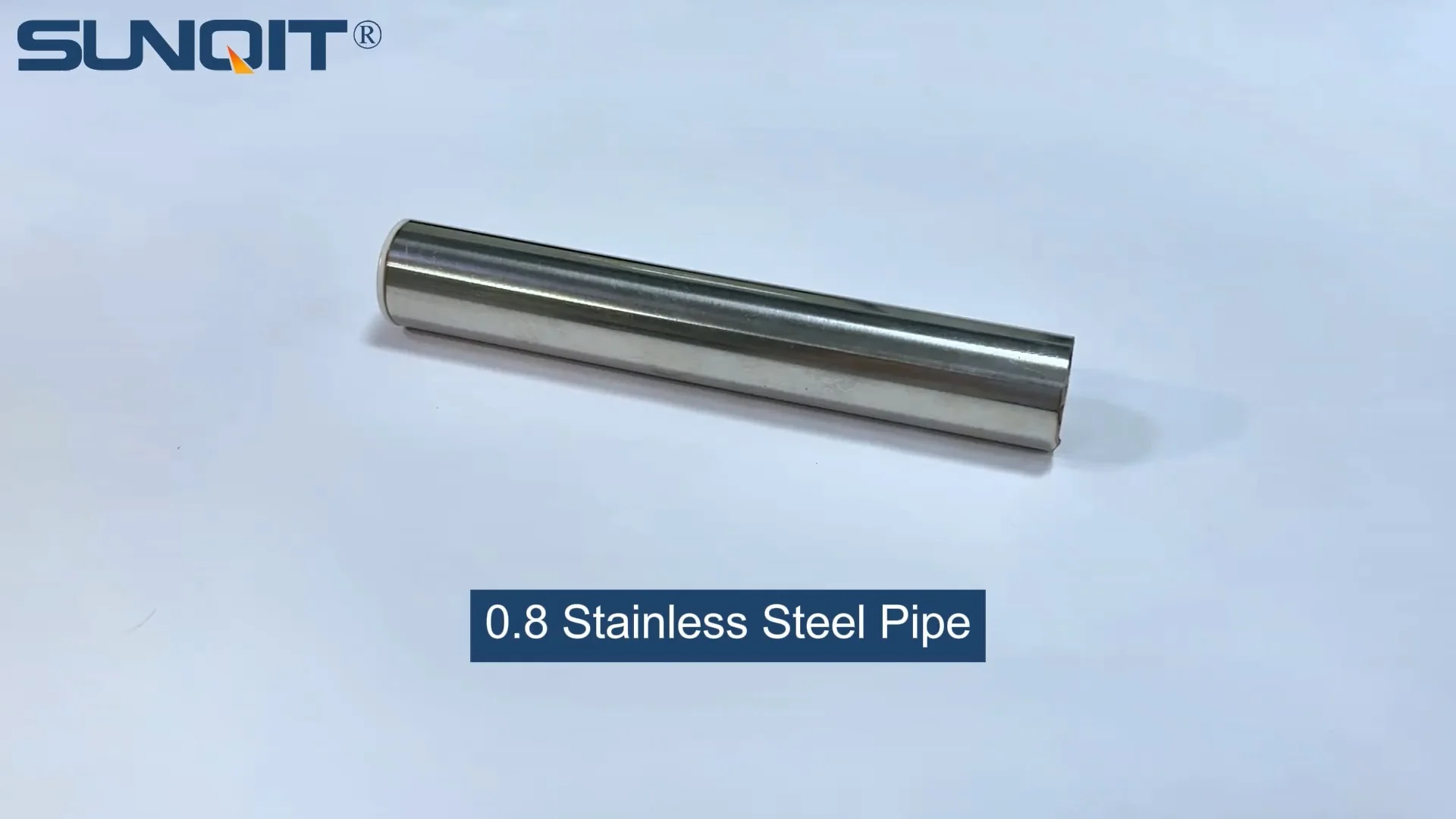
In the world of medical device manufacturing, precision isn't just a buzzword—it's a lifeline. Every component, from the tiniest screw to the most unassuming structural part, plays a role in ensuring devices work safely, reliably, and efficiently. One such unsung hero? The 1.0mm stainless steel pipe. Often overlooked amid flashier tech, this humble component is a workhorse in assembly lines, workbenches, and material handling systems. But why 1.0mm? And how do you use it effectively to meet the rigorous standards of medical manufacturing? Let's dive in.
Why Stainless Steel Pipes Matter in Medical Device Assembly
Medical device assembly environments are unforgiving. They demand sterility, durability, and resistance to corrosion—especially in spaces where frequent cleaning with harsh disinfectants is the norm. Plastic pipes might warp under chemical exposure; aluminum, while lightweight, can scratch and harbor bacteria in crevices. Stainless steel, though, checks all the boxes: it's non-reactive, easy to sanitize, and tough enough to withstand the daily grind of assembly workflows. And within the stainless steel pipe series, 1.0mm thickness strikes a rare balance that makes it indispensable.
Think about it: too thin (like 0.8mm), and the pipe might bend under the weight of tools or components. Too thick (like 1.2mm), and it becomes rigid, making it hard to shape into custom workbench frames or mobile carts. 1.0mm, however, offers just enough flex to adapt to unique assembly setups while maintaining the structural integrity needed to support delicate medical parts—whether you're building a workbench for assembling syringes or a material rack for storing surgical instrument components.
| Stainless Steel Pipe Thickness | Key Advantage | Best For | Why It Falls Short for Medical Devices |
|---|---|---|---|
| 0.8mm | Ultra-lightweight, highly flexible | Temporary structures, low-load applications | Prone to bending under repetitive use; risk of structural failure in sterile zones |
| 1.0mm | Balanced strength and flexibility; easy to sanitize | Workbenches, material racks, mobile trolleys, assembly line frames | N/A—ideal for medical settings |
| 1.2mm | Maximum durability, high load capacity | Heavy machinery frames, industrial shelving | Too rigid for custom medical workbench designs; harder to integrate with lean system workflows |
Material Properties: What Makes 1.0mm Stainless Steel Pipes Stand Out
Let's get into the specifics. Not all stainless steel is created equal, and when it comes to medical devices, the grade matters. Most 1.0mm pipes used in this industry are 304 or 316 stainless steel. 304 is cost-effective and offers excellent corrosion resistance, making it perfect for general assembly areas. 316, with added molybdenum, takes it a step further—resisting chloride corrosion, which is crucial if your facility uses salt-based disinfectants or operates in humid environments.
But the real star here is the 1.0mm thickness. Imagine building a workbench where technicians assemble pacemaker components. The bench needs to stay stable during intricate tasks, but it also needs to be adaptable—maybe you want to add a side shelf for tools or adjust the height slightly. A 1.0mm pipe frame can handle the weight of the work surface and tools without wobbling, yet it's malleable enough to modify with basic tools if your workflow changes. That adaptability is key in lean system environments, where minimizing waste and maximizing efficiency are daily goals.
Another underrated benefit? Surface finish. Medical-grade stainless steel pipes often come with a polished or brushed finish, which isn't just for looks. A smooth surface leaves fewer places for bacteria to hide, making cleanup faster and more effective. When you're wiping down a workbench at the end of a shift, you don't want to be scrubbing tiny crevices—1.0mm pipes with a fine finish simplify that process, keeping your facility compliant with FDA and ISO sterile standards.

Designing with 1.0mm Stainless Steel Pipes: Tips for Medical Assembly
Designing with 1.0mm stainless steel pipes isn't about throwing parts together—it's about creating systems that support precision, safety, and workflow. Here are a few key considerations to keep in mind:
1. Load-Bearing Limits: Know What Your Pipe Can Handle
Even the strongest 1.0mm pipe has its limits. A single horizontal pipe spanning 3 feet might sag if you place a 50-pound toolbox on it. To avoid this, use support brackets or joints every 18–24 inches for long spans. For example, if you're building a material rack B (3 row and 3 floor) to store sterile instrument trays, each shelf should have cross-bracing made from 1.0mm pipes. This distributes weight evenly and prevents the structure from bowing over time.
2. Joint Selection: Strength Meets Sterility
Joints are the unsung heroes of pipe structures. When choosing joints for your 1.0mm pipes, opt for stainless steel or nickel-plated options—avoid plastic, which can crack under stress or harbor bacteria. Look for lean pipe joints with smooth edges; rough, unfinished joints can scratch gloves or catch on sterile packaging. A good rule of thumb: if you can run a gloved hand over the joint without snags, it's safe for medical use.
3. Mobility: Adding Casters Without Sacrificing Stability
Many medical assembly tasks require mobility—think of a turnover trolley moving components from the sterilization area to the assembly line. Here's where caster and accessories come into play. When adding casters to a 1.0mm pipe frame, choose locking casters with a weight rating of at least 50 pounds each (even if your trolley is light—better safe than sorry). Mount them using heavy-duty castor installation bases, and ensure the pipe frame is reinforced at the caster points. A wobbly trolley isn't just annoying; it could lead to dropped components or injuries.
4. Compatibility with Other Components
Your 1.0mm stainless steel pipes won't work alone—they'll need to integrate with workbench tops, roller tracks, and other accessories. For example, if you're building a flow rack to move trays of components along the assembly line, the roller track and accessories (like plastic roller track guide rails) should attach seamlessly to the pipe frame. Look for standardized sizes—most medical-grade roller tracks are designed to fit 25mm or 30mm pipes, which aligns perfectly with 1.0mm stainless steel pipe diameters.

Assembly Best Practices: From Cutting to Cleaning
Even the best materials can fail if assembled poorly. Here's how to ensure your 1.0mm stainless steel pipe structures are built to last:
Cutting: Avoid Burrs and Distortions
When cutting 1.0mm pipes, use a pipe cutter with a sharp blade or a bandsaw with a fine-tooth blade. A dull blade will crush the pipe rather than cutting it cleanly, leaving burrs that can injure hands or catch on materials. After cutting, deburr the edges with a file or sandpaper—pay extra attention to the inner diameter, as rough edges there can trap bacteria. For medical applications, we recommend going a step further: use a deburring tool that creates a slight chamfer (a 45-degree edge) to ensure smooth, safe surfaces.
Joining: Tight, But Not Too Tight
Over-tightening joints is a common mistake. Stainless steel can warp if you crank down on a joint with a wrench, weakening the pipe at the connection point. Instead, tighten joints until they're snug, then give them a quarter-turn more. If you're using threaded joints, apply a small amount of medical-grade anti-seize compound (avoid petroleum-based products, which can leave residues). This prevents seizing (when metal parts fuse together over time) and makes disassembly easier if you need to reconfigure the structure later.
Cleaning: Sterility Starts with the Pipe
Before installing your 1.0mm pipe structure in a sterile area, give it a thorough cleaning. Use a mild detergent and warm water to remove any oils or residues from manufacturing. For 316 stainless steel, you can use a vinegar solution to tackle any stubborn fingerprints (the acid in vinegar dissolves oils without damaging the metal). Avoid abrasive cleaners or steel wool—they'll scratch the surface, creating new hiding spots for bacteria.
Compliance and Standards: Checking the Boxes for Medical Use
In medical device manufacturing, compliance isn't optional. Using 1.0mm stainless steel pipes can help you meet key standards, but only if you source them from a reputable supplier. Here's what to look for when vetting a stainless steel pipe series supplier:
- Material Certifications: Ask for a mill test report (MTR) confirming the pipe's grade (304, 316, etc.) and chemical composition. This ensures it meets ASTM or EN standards for medical use.
- Sterility Compatibility: Ensure the pipes are free from coatings or treatments that could leach chemicals when exposed to disinfectants. A good supplier will provide documentation on compatibility with common cleaners like hydrogen peroxide or isopropyl alcohol.
- Traceability: In case of a recall or quality issue, you need to trace every component back to its source. Choose a supplier that labels pipes with batch numbers and production dates.
Remember, compliance isn't just about the pipe itself—it's about how you use it. For example, if you're building an ESD workstation (electrostatic discharge) for assembling sensitive electronic medical devices, your 1.0mm stainless steel pipes should be grounded. Stainless steel is conductive, so with the right grounding accessories, you can prevent static electricity from damaging components. That's a small step that makes a big difference in meeting ESD S20.20 standards.
Real-World Application: A Case Study in Lean System Efficiency
Let's put this all together with a real example. A mid-sized medical device company was struggling with their syringe assembly line. Their old workbenches were made from wooden frames and plastic laminate tops—they were heavy, hard to clean, and impossible to reconfigure. The team was spending hours each week rearranging tools and materials, and the wooden frames were starting to warp from repeated cleaning, creating uneven work surfaces.
They decided to switch to 1.0mm stainless steel pipe workbenches. Here's what happened:
- Improved Sterility: The smooth stainless steel surfaces cut cleaning time by 30%—no more scrubbing around warped wood edges.
- Flexibility: Using lean pipe joints, they added adjustable shelves and tool hooks, tailoring each workbench to the technician's needs. When a new syringe model required different tools, they reconfigured the benches in under an hour instead of buying new ones.
- Mobility: Adding locking casters to some workbenches let them roll stations to the packaging area, reducing material handling time by 25%.
Six months later, the company reported a 15% increase in assembly efficiency and a 40% drop in sterile environment violations. All from upgrading to 1.0mm stainless steel pipes. That's the power of choosing the right component.
Maintenance: Keeping Your Pipes in Top Shape
Stainless steel is durable, but it's not indestructible. With proper maintenance, your 1.0mm pipe structures can last 10+ years. Here's how to make that happen:
Regular Inspections
Check joints monthly for looseness—tighten as needed. Look for signs of corrosion, especially in areas near drains or humid corners. Even 316 stainless steel can corrode if exposed to prolonged moisture, so wipe up spills promptly.
Avoid Harsh Chemicals
Stay away from bleach-based cleaners—they can pit stainless steel over time. Stick to pH-neutral detergents or specialized stainless steel cleaners. If you must use a strong disinfectant, rinse thoroughly afterward to remove residues.
Repair vs. replace
Minor dents or scratches can often be buffed out with a stainless steel polish. But if a pipe is bent or cracked, replace it immediately. A compromised pipe weakens the entire structure, and in medical settings, that's a risk you can't take.
Choosing the Right Supplier: What to Look For
Finally, none of this matters if you're getting subpar pipes. When selecting a stainless steel pipe series supplier, prioritize these qualities:
- Experience in Medical Manufacturing: Suppliers who specialize in medical components understand your unique needs—they'll have certifications, traceable materials, and knowledgeable staff.
- Customization Options: Medical assembly lines aren't one-size-fits-all. Look for suppliers who can cut pipes to your exact length or pre-bend them to specific radii.
- Inventory and Lead Times: Downtime is costly. Choose a supplier with a large inventory of 1.0mm pipes and accessories, so you're not waiting weeks for replacement parts.
Conclusion: The Small Component That Makes a Big Difference
In the grand scheme of medical device manufacturing, 1.0mm stainless steel pipes might seem insignificant. But as we've explored, they're the backbone of efficient, sterile, and adaptable assembly systems. From workbenches to material racks, from ESD workstations to mobile trolleys, these pipes support the precision and safety that define the medical industry.
Whether you're building a new assembly line or upgrading an existing one, remember: the right material choice can transform your workflow. 1.0mm stainless steel pipes offer the perfect blend of strength, flexibility, and compliance—making them more than just a component, but a partner in creating life-saving devices. So next time you walk through your facility, take a closer look at those unassuming pipes. They're working harder than you think.