- Company Articles
- Products and Technology
- Product knowledge
- Medical Device Assembly: Lean Pipe Fixed Clamps for Sanitary Workstations

Medical Device Assembly: Lean Pipe Fixed Clamps for Sanitary Workstations
Related Product
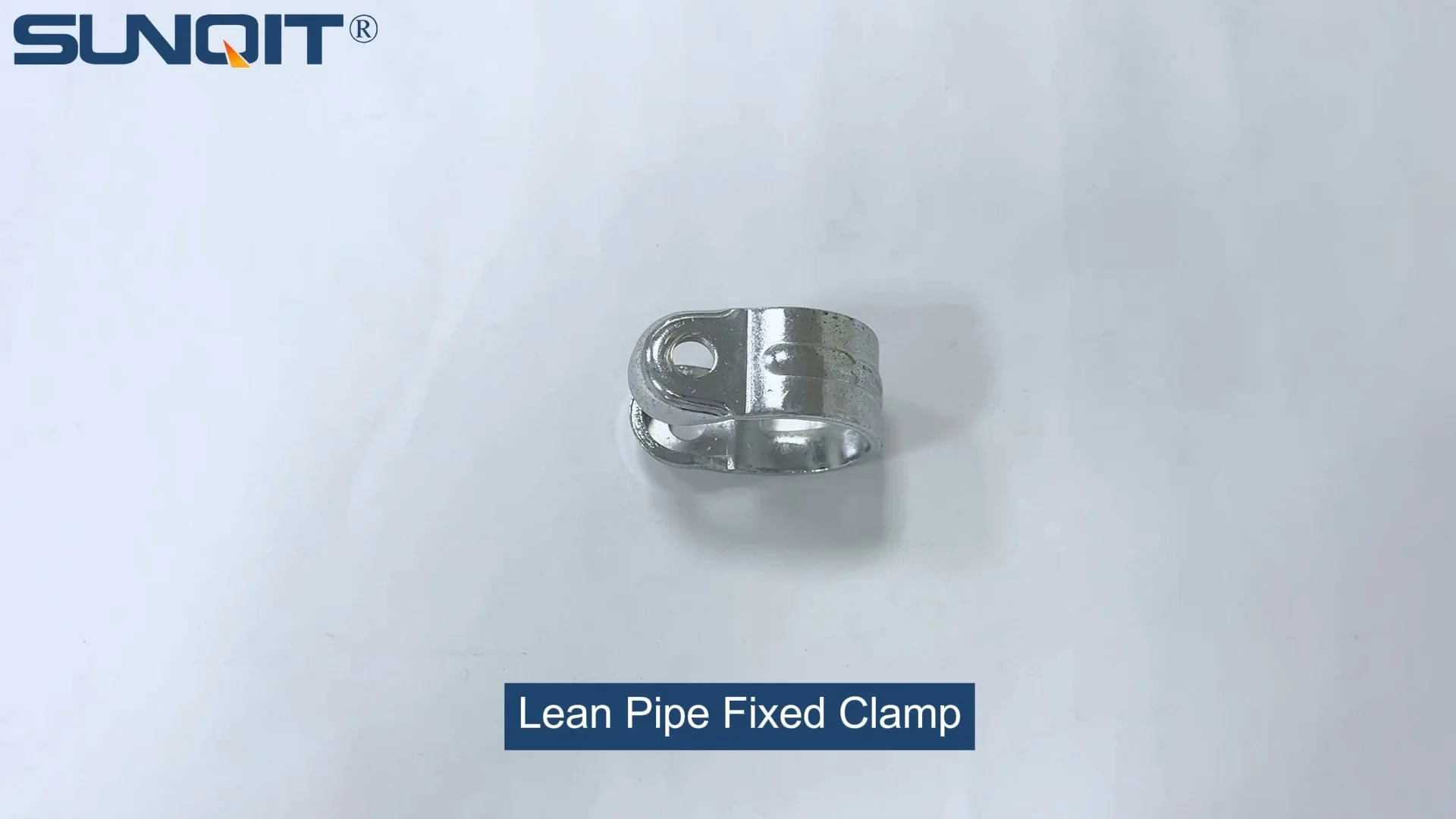
Lean Pipe Fixed Clamp
Lean pipe fixed clamp is used for pipe connector fixing the correct position during workbench flow rack hand trolley assemble work.
In the high-stakes world of medical device assembly, precision isn't just a goal—it's a mandate. Every component, from tiny surgical tools to complex diagnostic machines, must meet rigorous standards for safety, reliability, and sterility. A single misstep in the assembly process can compromise patient health, trigger regulatory penalties, or erode trust in a brand. That's why forward-thinking manufacturers are turning to lean systems to transform their workspaces: not just for efficiency, but for the kind of consistency and cleanliness that medical environments demand. At the heart of these systems lies an unsung hero: the lean pipe fixed clamp. This unassuming component, when paired with the right materials and design, becomes the backbone of sanitary workstations that keep assembly lines running smoothly while prioritizing patient safety.
But lean systems in medical assembly are about more than just streamlining workflows. They're about creating environments where every tool, every surface, and every movement serves a purpose—minimizing waste, reducing contamination risks, and empowering workers to focus on what matters most: building devices that save lives. In this article, we'll explore how lean pipe fixed clamps, alongside complementary components like ESD workstations, aluminum profiles, and flow racks, are redefining what it means to build a truly sanitary, efficient medical assembly line.
The Critical Role of Sanitary Workstations in Medical Device Assembly
Walk into any medical device assembly facility, and you'll immediately sense the gravity of the work being done. The air feels controlled, surfaces gleam under harsh lights, and workers move with deliberate precision. This isn't just about aesthetics—it's about compliance. Regulatory bodies like the FDA and ISO set strict guidelines for cleanliness, requiring workspaces to resist contamination, facilitate easy cleaning, and prevent cross-contamination between products. For example, ISO 13485, the international standard for medical device quality management, mandates that facilities "establish and maintain a clean environment suitable for the production of medical devices," with specific requirements for surface materials, waste management, and hygiene protocols.
Sanitary workstations are the frontline defense in meeting these standards. Imagine a workstation where crumbs, dust, or spilled fluids can accumulate in hard-to-reach crevices—that's a contamination risk waiting to happen. In contrast, a well-designed sanitary workstation features smooth, non-porous surfaces that can be wiped down with disinfectants, minimal seams to trap debris, and modular components that can be disassembled for deep cleaning. It's a space where every detail, from the height of a workbench to the type of fastener used, is intentional.
Ergonomics also play a hidden role in sanitation. When workstations are poorly designed—forcing workers to stretch, bend, or reach awkwardly—fatigue sets in, and attention to detail slips. A tired technician might skip a cleaning step or overlook a contaminated surface, putting the entire assembly process at risk. Lean systems address this by prioritizing adjustable, worker-centric designs. For instance, a height-adjustable workbench with smooth edges reduces strain, keeping workers alert and focused on maintaining cleanliness.
Lean Systems: Beyond Efficiency—A Foundation for Sanitary Excellence
Lean manufacturing, born from the Toyota Production System, is often associated with "eliminating waste," but in medical device assembly, its impact runs deeper. Lean principles—like 5S (Sort, Set in Order, Shine, Standardize, Sustain)—align perfectly with sanitary goals. "Shine," for example, isn't just about keeping workspaces tidy; it's about creating a culture where cleaning becomes a natural part of the workflow, not an afterthought. When tools are organized (Set in Order) and unnecessary items are removed (Sort), workers spend less time searching for equipment and more time maintaining cleanliness.
Modularity is another cornerstone of lean systems that benefits medical assembly. Unlike fixed, one-size-fits-all workstations, modular setups use components like lean pipes, joints, and clamps to create customizable structures that adapt to changing needs. Need to reconfigure a line for a new device? Disassemble the existing setup, swap out components, and rebuild—all without welding or permanent modifications. This flexibility isn't just efficient; it's sanitary. When a workstation can be taken apart, every surface—including those hidden between pipes and shelves—can be thoroughly cleaned, eliminating the "out of sight, out of mind" contamination risks of fixed structures.
Waste reduction, a core lean principle, also supports sanitation. By minimizing excess inventory, for example, lean systems reduce the need for cluttered storage areas where dust and debris can accumulate. Similarly, optimizing workflow paths reduces foot traffic, lowering the chance of tracking contaminants from one area to another. In short, lean systems don't just make assembly lines faster—they make them cleaner by design.
Lean Pipe Fixed Clamps: The Unsung Heroes of Stable, Sanitary Setups
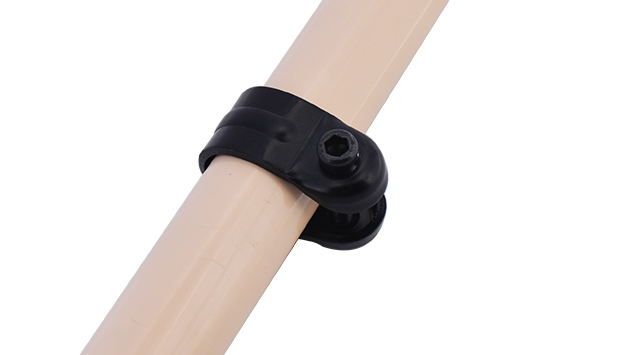
If lean systems are the framework of a sanitary workstation, then lean pipe fixed clamps are the bolts that hold it all together—literally. These small, durable components are designed to secure lean pipes (hollow tubes used to build structures like workbenches, racks, and flow rails) in place, creating stable, rigid frameworks. But in medical settings, their role goes beyond stability: they're critical for maintaining hygiene.
Let's start with the basics: what is a lean pipe fixed clamp? At its simplest, it's a fastener that connects two or more lean pipes at a fixed angle (often 90 degrees or 45 degrees), ensuring the structure doesn't shift during use. But not all clamps are created equal, especially in medical environments. The best lean pipe fixed clamps for sanitary workstations are made from materials like stainless steel or food-grade plastic, chosen for their resistance to corrosion, chemicals, and bacterial growth. Stainless steel, in particular, is a standout: it's non-porous, easy to wipe down with disinfectants, and can withstand repeated exposure to harsh cleaning agents without degrade.
Design matters, too. Sanitary clamps feature smooth, rounded edges to prevent debris from catching—a sharp corner or crevice is a magnet for dust, grime, or even biological contaminants. Many also have a low-profile design, minimizing the surface area where particles can accumulate. Compare this to traditional welded joints, which often have rough, uneven surfaces and hidden gaps that are nearly impossible to clean thoroughly. With a lean pipe fixed clamp, disassembly is as simple as loosening a bolt, allowing workers to take apart the structure, clean each component individually, and reassemble it—all in a fraction of the time it would take to sanitize a welded frame.
But perhaps the biggest advantage of lean pipe fixed clamps is their versatility. They work with a range of pipe materials, including stainless steel pipe series (ideal for high-sanitary environments) and aluminum lean pipes (lighter, but still durable enough for most assembly tasks). This flexibility means manufacturers can mix and match materials based on their needs: stainless steel for areas with frequent chemical cleaning, aluminum for lightweight workstations that need to be repositioned regularly. And because the clamps create a secure, tight fit, there's no wobbling or shifting during use—critical for precision assembly tasks where even a small movement could misalign components.

ESD Workstations: Protecting Sensitive Components While Maintaining Cleanliness
Many medical devices, from pacemakers to MRI machine components, rely on sensitive electronics that are vulnerable to electrostatic discharge (ESD). A single static shock—too small for a human to feel—can damage microchips, rendering a device useless (or worse, unreliable). That's why ESD workstations are non-negotiable in medical assembly. These specialized workspaces are designed to dissipate static electricity, protecting components from damage. But they also need to integrate seamlessly with lean systems to maintain the same high standards of sanitation.
An ESD workstation typically includes an ESD-safe work surface (often a conductive mat or laminate), grounded tools, and wrist straps for workers. But the structure itself—often built with aluminum profiles and lean pipes secured by fixed clamps—must also support ESD protection. Aluminum profiles, for example, are excellent conductors, making them ideal for grounding the workstation frame. When paired with lean pipe fixed clamps made from conductive materials, they create a continuous path for static electricity to flow safely to the ground, preventing buildup on surfaces.
Sanitation and ESD protection might seem like competing goals at first. After all, ESD mats and conductive surfaces need to be cleaned regularly, but harsh chemicals can degrade their conductive properties. That's where modular lean design shines. By using lean pipe fixed clamps to secure ESD components, workers can easily remove mats or replace worn parts without disrupting the entire workstation. For example, if an ESD mat becomes stained or damaged, it can be lifted off the aluminum profile frame (secured by clamps) and replaced in minutes—no need to disassemble the entire workstation. This not only saves time but ensures that ESD protection remains effective over time, even with frequent cleaning.
In practice, ESD workstations built with lean components become hubs of efficiency and safety. Workers can access tools quickly (thanks to organized, lean-designed storage), protect sensitive components from static, and clean surfaces thoroughly—all while adhering to regulatory standards. It's a trifecta that's hard to achieve with traditional, fixed workstations.

Aluminum Profiles: Lightweight Strength for Customizable Workstations
While lean pipes are the workhorses of lean structures, aluminum profiles add another layer of versatility—especially in medical settings where weight, durability, and aesthetics matter. Aluminum profiles are extruded metal bars with T-slots (longitudinal grooves) that allow for easy attachment of accessories like shelves, clamps, and tool holders. They're lightweight yet surprisingly strong, making them ideal for building workbenches, material racks, and even mobile carts that need to be moved around the assembly floor.
In sanitary workstations, aluminum profiles offer several advantages. First, they're corrosion-resistant, thanks to a natural oxide layer that forms on their surface. This makes them suitable for environments where frequent cleaning with water or mild detergents is necessary. Second, their smooth, anodized finish is easy to wipe down, with no pores or crevices for bacteria to hide. Unlike wood or some plastics, aluminum doesn't absorb liquids, reducing the risk of mold or mildew growth.
Aluminum profiles also pair seamlessly with lean pipe fixed clamps, creating hybrid structures that combine the best of both materials. For example, a workstation might use aluminum profiles for the main frame (providing rigidity and a clean, professional look) and lean pipes for adjustable components like shelving or tool rails (secured with fixed clamps for stability). This hybrid approach allows manufacturers to customize workstations to their exact needs: adding a shelf here, a tool hook there, all without welding or drilling new holes.
Another benefit of aluminum profiles is their sustainability. Aluminum is 100% recyclable, and many suppliers offer profiles made from recycled materials—aligning with the growing focus on eco-friendly manufacturing in the medical industry. Plus, their modularity means they can be repurposed when assembly lines change, reducing waste and lowering long-term costs.
Flow Racks: Streamlining Material Flow Without Compromising Sanitation
In medical device assembly, time is often measured in seconds—but so is contamination risk. Every time a worker bends down to retrieve a component from a bin or reaches across a cluttered table, they waste time and increase the chance of dropping or contaminating parts. Flow racks solve this problem by using gravity to feed materials directly to the assembly line, keeping components organized, accessible, and clean.
A typical flow rack consists of inclined rails (often made from aluminum profiles or lean pipes) with rollers or balls that allow bins or trays to slide forward as items are removed. This "first-in, first-out" (FIFO) system ensures that older inventory is used first, reducing waste, while keeping the most-needed components at eye level. But in medical settings, flow racks must do more than organize—they must be easy to sanitize.
That's where lean pipe fixed clamps and stainless steel pipe series come into play. Many flow racks are built using stainless steel pipes for the frame, ensuring durability and resistance to corrosion from frequent cleaning. The rails themselves might feature plastic roller track guide rails (available in yellow or grey, depending on the facility's color-coding system) that are smooth, non-porous, and easy to wipe down. Lean pipe fixed clamps secure the rails to the frame, creating a stable structure that won't shift under the weight of materials, even as bins are loaded and unloaded throughout the day.
The benefits of flow racks in sanitary environments are clear: they reduce manual handling, lowering the risk of dropping or contaminating components; they minimize clutter, making it easier to clean the surrounding area; and they standardize material placement, so workers always know where to find what they need. For example, a flow rack with three rows and three floors (like "Material Rack B" in some supplier catalogs) can organize hundreds of components in a compact footprint, keeping the assembly line free of loose parts and debris.
Like other lean components, flow racks are also highly customizable. Using lean pipe fixed clamps, manufacturers can adjust the angle of the rails, add dividers to separate different components, or even integrate ESD-safe features to protect sensitive parts. And because they're built with modular components, flow racks can be expanded or reconfigured as production needs change—no need to replace the entire system when a new device is added to the line.
Comparing Key Components for Medical Workstations
| Component | Material Options | Primary Use | Sanitary Benefit | Best For |
|---|---|---|---|---|
| Lean Pipe Fixed Clamp | Stainless steel, food-grade plastic | Securing lean pipes in fixed structures | Smooth surfaces, no crevices; easy to disassemble for cleaning | Workbenches, flow rack frames, ESD workstation frames |
| ESD Workstation | Conductive aluminum, ESD-safe laminate, stainless steel | Protecting sensitive electronics from static damage | Groundable surfaces; modular design for easy mat replacement | Assembly of pacemakers, sensors, and other electronic devices |
| Aluminum Profile | Anodized aluminum, recycled aluminum | Building frames, shelves, and rails | Corrosion-resistant, smooth finish, easy to clean | Lightweight workstations, flow rack rails, mobile carts |
| Flow Rack | Stainless steel pipes, aluminum rails, plastic rollers | Organizing and feeding materials to assembly lines | FIFO system reduces waste; smooth rollers prevent debris buildup | High-volume assembly lines with frequent material turnover |
| Stainless Steel Pipe Series | 304 or 316 stainless steel | Structural frames, support columns | Resistant to corrosion, chemicals, and bacterial growth | Environments with frequent chemical cleaning (e.g., surgical tool assembly) |
Case Study: Transforming a Medical Assembly Line with Lean Components
To understand the real-world impact of these components, consider the case of a mid-sized medical device manufacturer specializing in orthopedic implants. Before adopting lean systems, their assembly line was plagued by two issues: frequent contamination scares during audits and slow production times due to disorganized workspaces. Workers spent up to 20 minutes per shift searching for tools, and cleaning the fixed, welded workbenches took hours each week—time that could have been spent building products.
The solution? A complete overhaul using lean components. The manufacturer replaced their welded workbenches with modular setups built from stainless steel pipe series and lean pipe fixed clamps. ESD workstations were installed in areas handling electronic sensors, while flow racks with plastic roller track guide rails were added to feed components directly to the line. Aluminum profiles were used to build lightweight, mobile carts for transporting between stations.
The results were striking. Within six months, contamination incidents dropped by 40%, and cleaning time was reduced by 60%—thanks to the easy disassembly of lean pipe fixed clamps and smooth surfaces of aluminum profiles. Production time per unit decreased by 15%, as workers no longer wasted time searching for materials (now organized in flow racks) or navigating cluttered workspaces. Perhaps most importantly, the facility passed its next FDA audit with zero findings related to workspace sanitation—a first in company history.
This case study isn't an anomaly. Across the medical device industry, manufacturers are discovering that lean components aren't just about cutting costs—they're about building a culture of quality and safety. When workstations are designed to be clean, organized, and efficient, workers take pride in their environment, and that pride translates into better products.
Choosing the Right Components: A Buyer's Guide for Medical Facilities
Selecting lean components for a medical assembly line isn't a one-size-fits-all process. The right choice depends on factors like the type of device being assembled, regulatory requirements, and workflow needs. Here are a few key considerations to keep in mind:
Material Compatibility
Not all materials are suitable for all environments. For example, if your facility uses harsh disinfectants like hydrogen peroxide, stainless steel pipe series and stainless steel lean pipe fixed clamps are better choices than aluminum (which can corrode with repeated exposure). For ESD-sensitive areas, look for components labeled "ESD-safe" or "conductive."
Load Capacity
Workstations and flow racks must support the weight of materials and equipment without bending or shifting. Check the load capacity of lean pipe fixed clamps and aluminum profiles—most suppliers provide this information in their catalogs. For heavy items like metal surgical tools, opt for thicker-walled stainless steel pipes and heavy-duty clamps.
Ease of Cleaning
Prioritize components with smooth, non-porous surfaces and minimal crevices. Avoid decorative features like embossed logos or textured finishes, which can trap debris. Ask suppliers for cleaning guidelines: Can the component withstand autoclaving? Is it compatible with common disinfectants like isopropyl alcohol?
Modularity
Medical device manufacturers often need to adapt to new products or regulatory changes. Choose components that can be easily reconfigured—like lean pipe fixed clamps that can be loosened and repositioned, or aluminum profiles with T-slots that allow for quick accessory changes. This flexibility will save time and money in the long run.
Conclusion: Building a Future of Sanitary, Efficient Medical Assembly
In the end, the goal of any medical device assembly line is simple: to build products that improve patient outcomes. Lean components like lean pipe fixed clamps, ESD workstations, and flow racks help achieve that goal by creating workspaces that are clean, efficient, and adaptable. They turn chaos into order, waste into value, and uncertainty into confidence.
As the medical device industry continues to evolve—with new technologies, stricter regulations, and growing demand for innovation—lean systems will only become more critical. They're not just a trend; they're a commitment to excellence. So the next time you walk through a medical assembly facility, take a closer look at the workbenches, the racks, the carts. Chances are, you'll spot lean pipe fixed clamps holding it all together—quietly, reliably, and sanitarily. And in that moment, you'll understand: great medical devices don't just happen. They're built on a foundation of lean, clean, and thoughtful design.