- Company Articles
- Products and Technology
- Product knowledge
- Medical Device Assembly: Saddle Pipe Clamps for Sterile Workstation Setups

Medical Device Assembly: Saddle Pipe Clamps for Sterile Workstation Setups
Related Product
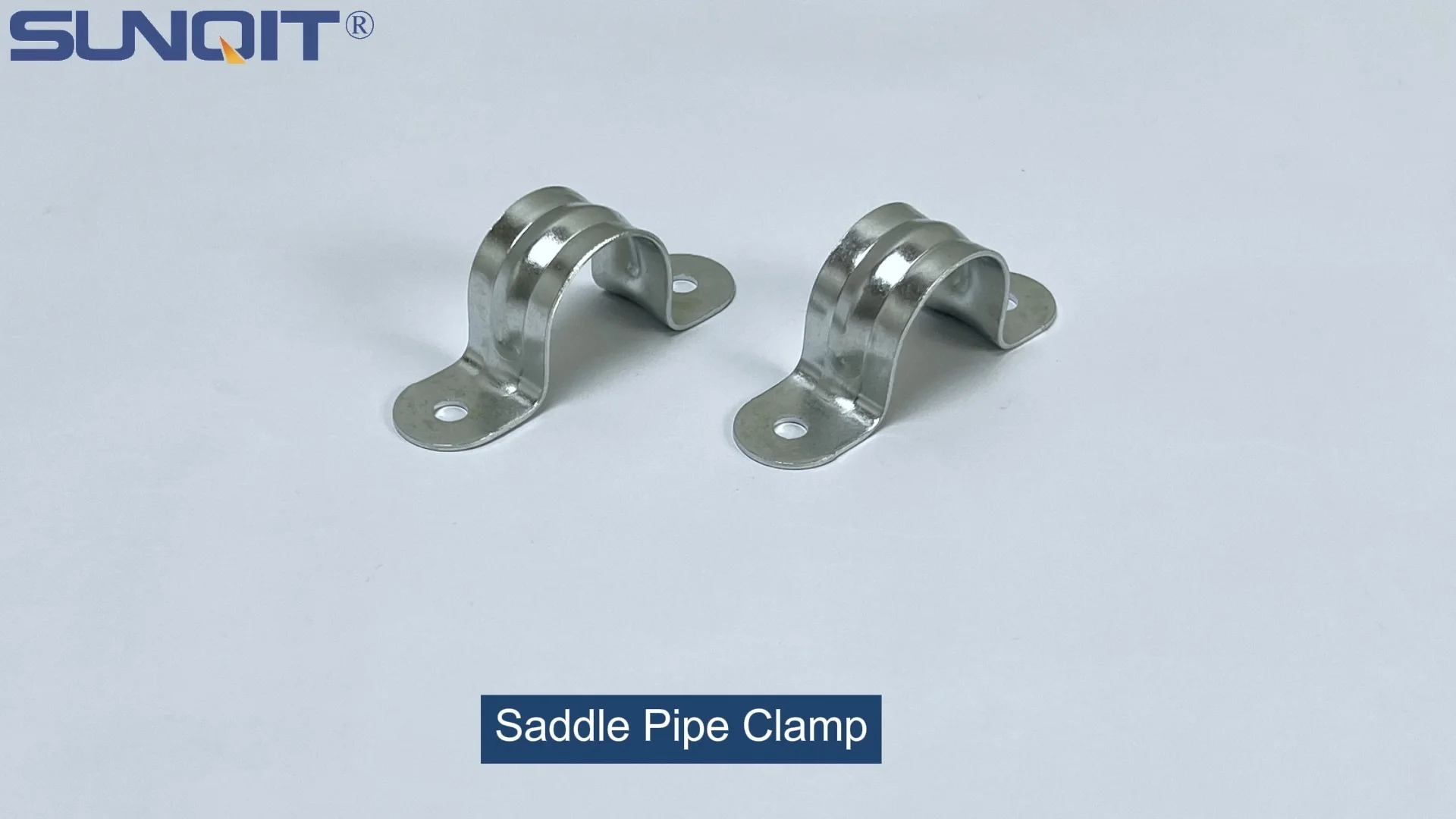
Saddle Pipe Clamp
Saddle pipe clamp, used for board connect with pipe, usually for table top installation.
Introduction: The Unseen Backbone of Medical Precision
In the world of medical device assembly, where a single speck of dust or a momentary lapse in stability can compromise patient safety, every component matters. From the high-tech sensors in a pacemaker to the ergonomic design of a surgical instrument, precision is the name of the game. Yet, amid all the advanced technology, there's a humble hero often overlooked: the saddle pipe clamp. These small but mighty fasteners play a critical role in holding together the workstations that bring life-saving devices to fruition. Today, we're diving into how saddle pipe clamps, when paired with tools like lean pipe workbenches and aluminum profiles, create sterile, efficient, and reliable assembly environments—because in healthcare, even the smallest details can save lives.
The Critical Role of Sterile Workstations in Medical Device Assembly
Before we zoom in on saddle pipe clamps, let's first understand why the workstations themselves are so vital. Medical device assembly isn't just about putting parts together; it's about doing so in a way that meets the strictest regulatory standards. Organizations like the FDA (Food and Drug Administration) and ISO (International Organization for Standardization) set rigorous guidelines for sterility, as contamination can lead to infections, device malfunctions, or even patient harm. A single bacteria colony on a workstation surface, for example, could transfer to a catheter or implant, with devastating consequences.
To prevent this, sterile workstations are designed with three core principles in mind:
smooth surfaces
to eliminate crevices where bacteria can hide,
easy cleanability
to withstand frequent disinfection, and
structural stability
to ensure tools and components stay in place during delicate tasks. Think about assembling a hearing aid, where tiny circuits must be soldered with pinpoint accuracy. If the workstation wobbles or a component slides out of place, the entire device could fail. This is where the right hardware—like saddle pipe clamps—steps in, turning a basic frame into a sterile, rock-solid workspace.
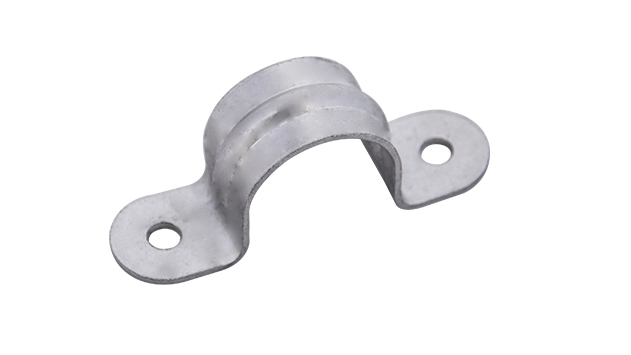
Saddle Pipe Clamps: What Are They, and Why Do They Matter?
At their core, saddle pipe clamps are mechanical fasteners designed to secure pipes, tubes, or profiles to a surface or to each other. Picture a "saddle" shape that wraps around a pipe, with holes for bolts or screws to lock it into place. Simple, right? But in medical settings, their design becomes anything but basic. Unlike clamps used in construction or industrial manufacturing, those for medical workstations must meet specialized criteria: they must be non-porous (no tiny holes for germs), resistant to corrosion from harsh cleaning chemicals, and compatible with materials that support sterility, like stainless steel or anodized aluminum.
Let's break down their role in sterile setups. Imagine a lean pipe workbench—a modular workstation built from lightweight pipes and joints, popular in lean manufacturing for its flexibility. To keep that workbench stable, the pipes (often aluminum or stainless steel) need to be securely fastened at every joint. Saddle pipe clamps do exactly that, creating a tight, seamless connection that doesn't loosen over time, even with daily use. They also ensure that the structure has no gaps or rough edges, which are magnets for dust and bacteria. In short, without reliable clamps, even the best-designed workbench would fail to meet sterility standards.

Materials Matter: Choosing the Right Saddle Pipe Clamps for Sterility
Not all saddle pipe clamps are created equal, especially when sterility is on the line. The material of the clamp directly impacts its ability to resist contamination, withstand cleaning, and integrate with other workstation components like aluminum profiles. Let's compare the most common options used in medical device assembly:
| Material | Sterility Features | Durability | Compatibility | Best For |
|---|---|---|---|---|
| Stainless Steel | Non-porous, resistant to bacterial growth; withstands autoclaving and chemical disinfectants | High; resists rust and corrosion even with frequent cleaning | Works with stainless steel pipes, aluminum profiles, and most workbench materials | High-risk sterile environments (e.g., implant assembly, surgical tool production) |
| Anodized Aluminum | Smooth, protective oxide layer prevents bacterial adhesion; lightweight and easy to clean | Moderate to high; resistant to corrosion but may scratch if not handled carefully | Ideal for aluminum profiles and lean pipe workbenches; pairs well with aluminum pipes | General medical assembly (e.g., diagnostic devices, wearable monitors) |
| ESD-Coated Aluminum | Same as anodized aluminum, plus electrostatic discharge (ESD) protection | Similar to anodized aluminum; coating may wear over time with heavy use | Perfect for ESD workstations; compatible with aluminum and stainless steel components | Electronics assembly (e.g., pacemakers, MRI machine parts) |
Stainless steel clamps are the gold standard for high-risk environments, like those assembling implants or surgical tools, where even trace contamination is unacceptable. Their resistance to autoclaving (high-pressure steam sterilization) and harsh chemicals like hydrogen peroxide makes them indispensable. Anodized aluminum clamps, on the other hand, are lighter and more cost-effective, making them a go-to for general assembly lines. For workstations handling sensitive electronics—think circuit boards in medical monitors—ESD-coated aluminum clamps add an extra layer of protection by dissipating static electricity, which can damage delicate components.

Integration with Lean Pipe Workbenches and Aluminum Profiles
Medical device manufacturers love lean pipe workbenches for a reason: they're adaptable. Unlike fixed workstations, which are hard to reconfigure when production needs change, lean systems use modular pipes and joints that can be rearranged in minutes. But this flexibility would be useless without reliable fasteners like saddle pipe clamps. Let's walk through how they work together.
A typical lean pipe workbench starts with a frame of aluminum or stainless steel pipes. To build the tabletop, manufacturers might attach aluminum profiles—extruded aluminum bars with T-slots for easy mounting of tools, shelves, or roller tracks. Saddle pipe clamps secure these profiles to the frame, ensuring the tabletop is level and stable. They also fasten accessories like material racks or LED task lights, which are essential for keeping tools within reach during assembly.
Aluminum profiles are particularly useful here because their T-slots allow for quick adjustments. Need to add a new shelf? Slide a bracket into the T-slot and secure it with a clamp. Want to reposition a roller track for smoother material flow? Loosen the clamps, adjust the track, and retighten. This adaptability is key in medical manufacturing, where production runs can vary from small batches of custom devices to large-scale production of consumables like syringes. Saddle pipe clamps make these changes possible without compromising sterility, as they create tight, gap-free connections that are easy to wipe down after reconfiguration.
ESD Workstations: Adding Static Protection to Sterile Setups
For many medical devices, sterility isn't the only concern—electrostatic discharge (ESD) is another silent threat. ESD occurs when static electricity builds up on a surface and suddenly discharges, potentially frying sensitive electronics like microchips or sensors. In a pacemaker, for example, a single ESD event could damage the device's ability to regulate heartbeats, putting a patient's life at risk. That's where ESD workstations come in, and saddle pipe clamps play a role here, too.
ESD workstations are designed to ground static electricity, preventing it from building up. This involves using conductive materials for the workbench surface, floor mats, and even tools. Saddle pipe clamps made with ESD coatings or conductive metals (like brass-plated steel) help ground the entire workstation frame. When the clamps are fastened to the pipes and profiles, they create a continuous conductive path that channels static electricity safely to the ground. This ensures that even as operators move around the workstation—generating static through friction—the risk of ESD damage remains negligible.
What makes ESD-compatible saddle pipe clamps unique? They're treated with special coatings (often carbon-based) that conduct electricity, even if the base material (like aluminum) is non-conductive. They also have smooth, consistent surfaces to avoid static buildup in crevices. When paired with ESD-safe aluminum profiles and lean pipe workbenches, these clamps turn a basic workstation into a fortress against both contamination and static damage.
Practical Applications: How Saddle Pipe Clamps Support Real-World Assembly
Let's put this all into context with a real-world example: assembling a diagnostic test kit. These kits require precise placement of reagents, microfluidic chips, and plastic casings—all while maintaining sterility to ensure accurate test results. The workstation for this task would likely be a lean pipe workbench with an aluminum profile frame, topped with a stainless steel tabletop (easy to disinfect) and equipped with a roller track for moving kits from one assembly step to the next.
Here's how saddle pipe clamps tie it all together:
- Frame stability: Clamps secure the aluminum pipes at each joint, ensuring the workbench doesn't wobble when operators lean on it or place heavy equipment (like pipetting machines) on top.
- Roller track mounting: The roller track, which moves test kit components along the assembly line, is fastened to the workbench using saddle pipe clamps. This keeps the track aligned, preventing jams that could slow production or damage components.
- Tool storage: Side shelves for pipettes, gloves, and cleaning supplies are attached to the frame with clamps, keeping tools organized and within reach—reducing the need for operators to move around and disrupt sterility.
- ESD grounding: If the test kits include electronic readers, ESD-coated clamps ensure the entire workstation is grounded, protecting the readers' circuit boards from static damage.
Another example: surgical instrument assembly. Tools like scalpels or forceps require sharp, precise edges, and the workstation must hold grinding or polishing equipment steady. Saddle pipe clamps secure the equipment mounts to the workbench, ensuring no movement during use. They also fasten protective guards around the equipment, preventing metal shavings (a contamination risk) from scattering. And because the clamps are made of stainless steel, they can be wiped down with alcohol or bleach after each shift, maintaining sterility shift after shift.
Maintenance and Longevity: Keeping Clamps (and Workstations) Sterile Over Time
Even the best saddle pipe clamps won't perform well if they're not maintained. In medical settings, maintenance isn't just about extending lifespan—it's about preserving sterility. Here's how to keep clamps in top shape:
Regular cleaning:
Wipe clamps daily with a disinfectant approved for medical use (check FDA or ISO guidelines). For stainless steel clamps, avoid abrasive cleaners that can scratch the surface, creating new hiding spots for bacteria. Anodized aluminum clamps can handle harsher chemicals but may fade if exposed to bleach over time—opt for hydrogen peroxide-based cleaners instead.
Inspect for wear:
Over time, clamp bolts can loosen, and coatings (like ESD or anodization) can wear off. Inspect clamps weekly for signs of damage: rust, cracks, or loose fasteners. replace any clamp that shows these issues immediately—compromised clamps can't guarantee sterility or stability.
Lubricate moving parts:
If your clamps have adjustable components (like swivel brackets), use a medical-grade lubricant to keep them moving smoothly. Avoid petroleum-based lubricants, which can attract dust; instead, opt for silicone-based options that are sterile and non-reactive.
By following these steps, manufacturers can ensure their saddle pipe clamps—and the workstations they support—remain sterile, stable, and reliable for years.
Conclusion: Small Clamps, Big Impact on Patient Safety
In the high-stakes world of medical device assembly, it's easy to focus on the flashy technology—the 3D printers, the robotic arms, the advanced sensors. But as we've explored, even the smallest components, like saddle pipe clamps, play a vital role in ensuring devices are safe, effective, and sterile. These unassuming fasteners secure lean pipe workbenches, integrate with aluminum profiles, support ESD protection, and withstand the rigors of daily cleaning—all while contributing to the precision that saves lives.
So the next time you see a medical device, remember: behind its life-saving function is a network of components working in harmony, from the microchip to the clamp. And when it comes to choosing those components, quality matters. Investing in high-grade saddle pipe clamps, designed specifically for sterile and ESD-sensitive environments, isn't just a cost—it's a commitment to patient safety. After all, in healthcare, every detail counts.