- Company Articles
- Products and Technology
- Product knowledge
- Medical Device Labs: Aluminum Pipe with Board Holder Uses

Medical Device Labs: Aluminum Pipe with Board Holder Uses
Related Product
Aluminum Pipe with Board Holder
The linear rolling assembly can be arbitrarily connected in the protruding part of the card slot to increase the rigidity of the track.
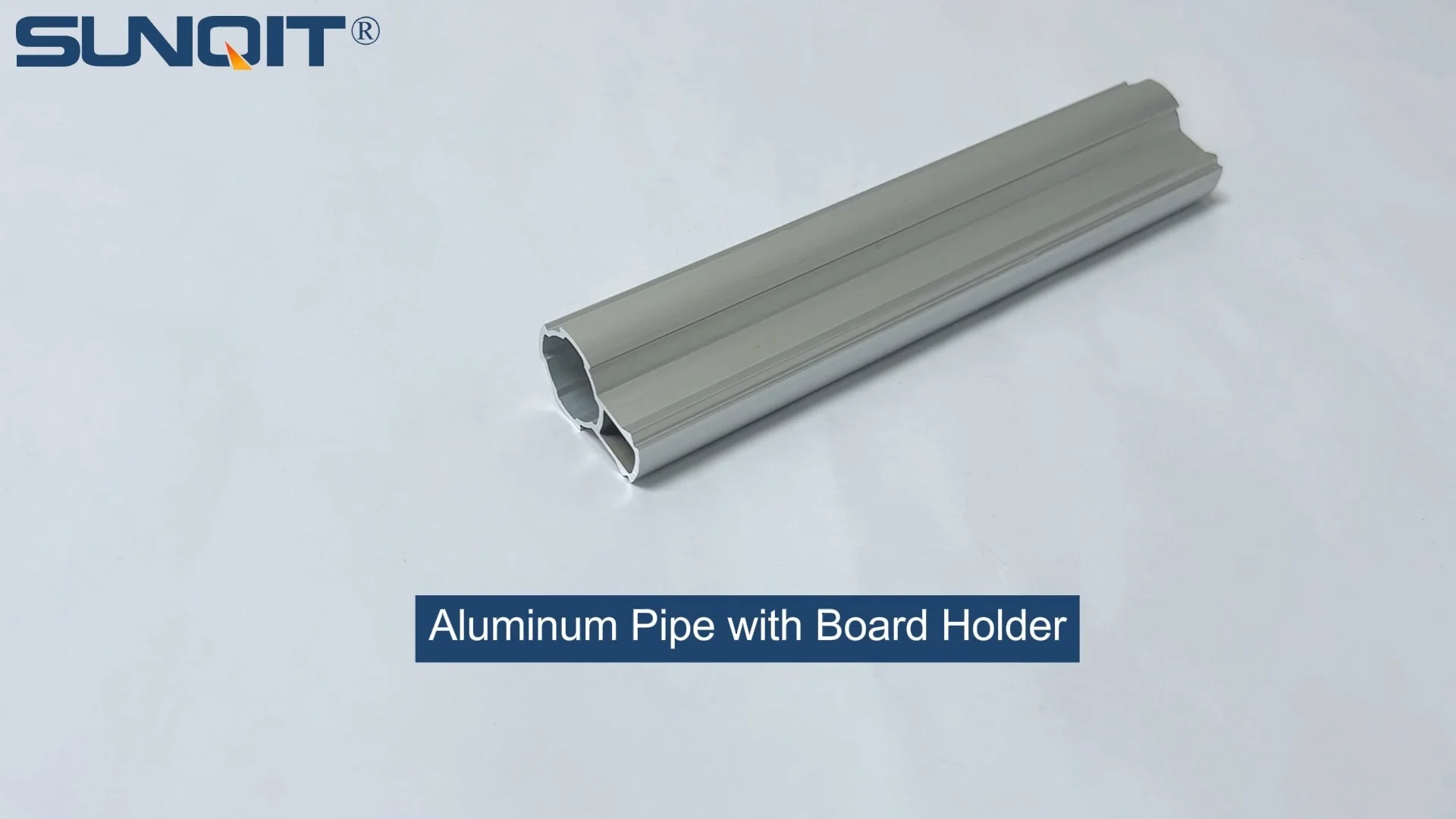
In the quiet hum of a medical device lab, where precision can mean the difference between a life-saving innovation and a costly setback, every detail matters. From the calibration of microscopes to the sterility of work surfaces, lab technicians and engineers navigate a world where order, flexibility, and safety are not just priorities—they're the foundation of progress. Yet, one aspect of lab design often flies under the radar: the infrastructure that holds it all together. Enter aluminum pipe with board holder —a humble yet transformative tool that's redefining how medical device labs operate, adapt, and thrive.
The Challenge: Balancing Precision, Flexibility, and Safety in Lab Design
Medical device labs are unique beasts. Unlike manufacturing floors or general research spaces, they demand a rare trifecta: precision (for handling delicate components like catheter tips or sensor arrays), flexibility (to pivot between prototyping, testing, and small-batch production), and safety (to comply with strict regulations like ISO 13485). Traditional lab setups often fall short here. Wooden workbenches warp under chemical exposure; steel frames are heavy and hard to reconfigure; plastic shelving lacks the sturdiness to hold sensitive equipment. worse, fixed structures lock labs into a single layout, making it nearly impossible to adapt when a new project requires more bench space, or a regulatory update mandates better material flow.
Consider a scenario familiar to many lab managers: A team is developing a new cardiac monitor. Early stages require wide, open workbenches for assembling prototypes. Six months later, testing phase needs dedicated stations for stress tests, battery life evaluations, and sterility checks. A year after that, small-batch production ramps up, calling for streamlined material storage and movement. With traditional infrastructure, each phase might require expensive renovations, downtime, or makeshift solutions that compromise safety. This isn't just inefficient—it's a barrier to innovation.
Enter Aluminum Pipe with Board Holder: A Quiet Revolution in Lab Infrastructure
At first glance, aluminum pipe with board holder might seem unassuming. It's exactly what it sounds like: lightweight aluminum tubes, often paired with accessories like clamps, joints, and a flat board (wood, plastic, or metal) mounted to the frame. But its simplicity is its superpower. Unlike rigid steel or fragile wood, aluminum pipe is strong yet malleable, durable yet lightweight, and resistant to corrosion—critical in labs where spills (of cleaning agents or even bodily fluids, in some cases) are inevitable.
The board holder, in particular, adds a layer of practicality that's hard to overstate. It transforms the aluminum frame from a mere structure into a functional workspace, providing a flat surface for tools, documents, or equipment while keeping the area beneath open for storage or movement. And because the system is modular—built with aluminum pipe accessories like internal straight joints, 90° connectors, and parallel clamps—labs can customize it to fit their exact needs, then reconfigure it just as easily when those needs change.

Practical Uses in Medical Device Labs: Where It Truly Shines
To understand why aluminum pipe with board holder has become a staple in forward-thinking labs, let's dive into its real-world applications. These aren't just theoretical benefits—they're day-to-day game-changers for technicians and managers alike.
1. Custom Workbenches: Tailored to Every Task
In medical device labs, no two tasks are identical. Assembling a microfluidic chip requires a narrow, height-adjustable bench with anti-static surfaces; packaging prototypes might need a wider, lower setup with integrated storage. Aluminum pipe with board holder excels here because it's build-as-you-go . Using basic components—pipes, joints, and a board—labs can create workbenches of any size, shape, or height. Need a 6-foot bench with a shelf for tools? Done. A L-shaped setup to separate assembly and testing zones? Easy. And when the project ends? Disassemble the frame, swap out the board, and rebuild it as a 4-foot station for the next team.
One lab in Minnesota, specializing in neurostimulation devices, recently shared how this flexibility transformed their workflow. "We used to have fixed wooden benches that took up half the lab," said their operations manager. "When we switched to aluminum pipe workbenches, we cut our footprint by 30%—and gained the ability to add or remove sections in an hour. Last month, we had an emergency project that needed a sterile assembly line. We reconfigured three benches into a mini production area in a morning. With wood, that would've taken days and a carpenter."
2. Flow Racks: Streamlining Material Movement Without Compromise
Material flow is the lifeblood of efficient lab work. Delays in accessing components—whether it's a box of microchips or a tray of sterile syringes—slow down projects and increase the risk of errors. That's where flow rack systems, built with aluminum pipe, shine. Unlike static shelving, flow racks use gravity to move materials from "stock" to "pick" locations, ensuring that the next needed item is always at the front. And because they're built with the same modular aluminum pipe, they integrate seamlessly with workbenches, creating a continuous workflow.
Take a lab producing glucose monitors. Their flow rack, constructed with aluminum pipe and plastic roller track (another key accessory), holds vials of test strips, batteries, and circuit boards. As technicians take components from the front, the remaining items slide forward, eliminating the need to reach or bend. The board holder on top of the rack keeps inventory sheets and lot number logs visible, reducing the risk of using expired materials. Best of all, if the lab starts producing a larger monitor, they can add more levels to the flow rack with a few extra pipes and joints—no new shelving units required.
3. Mobile Units: Flexibility When Protocols Change
Regulatory updates, new research priorities, or even seasonal flu outbreaks can suddenly shift lab needs. A lab might need to isolate a testing area, or create a temporary workspace for a visiting specialist. Aluminum pipe with board holder, paired with locking casters (another handy accessory), becomes a mobile solution here. These rolling units can serve as temporary workbenches, portable storage carts, or even emergency isolation barriers. When the crisis passes, they're easily repurposed—no permanent modifications, no wasted space.
A small lab in California, working on respiratory devices, put this to the test during the height of the COVID-19 pandemic. "We needed to expand our testing capacity overnight," their lead engineer recalled. "Using aluminum pipe frames with board holders and casters, we built four mobile workstations in a day. They were lightweight enough for two people to move, sturdy enough to hold our testing equipment, and easy to sanitize between shifts. When things calmed down, we converted them into storage carts for our prototype parts. It was like having a Swiss Army knife for lab furniture."
4. Safety-First Storage: Protecting Sensitive Components
Medical device components—think surgical staples, implantable sensors, or drug-delivery mechanisms—are often fragile, expensive, or sterility-sensitive. Storing them haphazardly isn't just risky; it's non-compliant. Aluminum pipe systems, with their customizable shelving and board holders, offer a solution that's both secure and visible. For example, a lab might build a closed storage unit with clear acrylic panels (mounted to the aluminum frame via clamps) to protect sterile components from dust, while the board holder on the door keeps a checklist of contents. Or, for small parts like screws or gaskets, they might use a pegboard mounted to an aluminum frame, with labeled hooks for quick access—all while keeping everything within arm's reach of the workbench.

The Role of Aluminum Pipe Accessories: Turning "Good" into "Perfect"
Aluminum pipe with board holder is powerful on its own, but it's the aluminum pipe accessories that elevate it from a useful tool to a lab's secret weapon. These small, often overlooked components—joints, clamps, connectors, and end caps—are the reason the system is so adaptable. Let's break down a few key players:
- Internal Straight Aluminum Joints: These allow pipes to connect end-to-end, creating longer frames without visible seams. They're strong enough to hold heavy boards or equipment but easy to disassemble with a hex key.
- 90° Aluminum Crossing Joints: Perfect for building corners or multi-level structures, like a workbench with a shelf above. They lock pipes at a precise right angle, ensuring stability even under load.
- Parallel Clamps: These secure the board holder to the pipe frame, keeping it flat and steady. Some models are adjustable, letting labs tilt the board slightly for better ergonomics during long tasks.
- Rubber End Caps: Simple but essential, these cover the ends of aluminum pipes to prevent scratches, snags, or contamination from dust buildup inside the tubes.
Together, these accessories turn a pile of pipes into a system that can grow, shrink, or change shape with the lab's needs. It's like building with advanced Legos—only for grown-ups solving life-saving problems.
Lean System Integration: Making Every Square Inch Count
Many medical device labs have adopted lean system principles to eliminate waste, improve efficiency, and reduce costs. Lean thrives on continuous improvement, and aluminum pipe with board holder fits this philosophy like a glove. Unlike fixed infrastructure, which encourages "set it and forget it" complacency, aluminum systems invite labs to question, "Is this still the best layout?" They make it easy to implement small changes—adding a shelf here, shortening a workbench there—that add up to big gains in productivity.
For example, a lab using lean might map their material flow and realize that components are traveling 50 feet between storage and the workbench—wasting technician time. With aluminum pipe, they could build a flow rack that brings materials within arm's reach of the bench, cutting travel time to zero. Or, they might notice that a workbench is underused half the day; by adding casters, they can move it to a high-traffic area when needed, maximizing space utilization. These are the kinds of incremental improvements that lean demands—and aluminum pipe makes possible without major investments.
Traditional vs. Aluminum Pipe Setups: A Side-by-Side Comparison
Still on the fence? Let's put aluminum pipe with board holder head-to-head with traditional lab setups to see how it stacks up:
| Feature | Traditional Setups (Wood/Steel/Plastic) | Aluminum Pipe with Board Holder |
|---|---|---|
| Flexibility | Fixed layout; reconfiguration requires tools, time, or replacement. | Modular; reconfigurable in hours with basic tools (hex keys, clamps). |
| Durability | Wood warps; steel rusts; plastic cracks under heavy loads. | Aluminum resists corrosion, dents, and warping; lasts 10+ years with minimal upkeep. |
| Safety | Sharp edges (steel), chemical damage (wood), static buildup (some plastics). | Smooth, rounded edges; anti-static options available; easy to sanitize. |
| Cost Over Time | Low upfront cost, but high replacement/renovation costs. | Slightly higher upfront cost, but no replacement needed; reusability cuts long-term expenses. |
| Space Efficiency | Bulky; fixed dimensions waste unused space. | Slim profile; customizable size ensures every inch is used. |
Conclusion: More Than a Tool—A Partner in Innovation
In the world of medical device development, where breakthroughs hinge on precision, adaptability, and safety, the right infrastructure isn't just a background detail—it's a catalyst for progress. Aluminum pipe with board holder, paired with the right accessories, isn't just a "furniture solution." It's a way for labs to work smarter, adapt faster, and focus on what truly matters: creating devices that save lives.
Whether it's a custom workbench that grows with a project, a flow rack that streamlines material movement, or a mobile unit that responds to crises, this humble system embodies the spirit of medical innovation: quiet, reliable, and endlessly adaptable. So the next time you walk into a medical device lab, take a closer look at the frames holding up the workbenches, the racks organizing the components, the carts rolling between stations. Chances are, you'll see aluminum pipe with board holder—working behind the scenes, making the impossible possible, one joint, one clamp, one life-saving device at a time.