- Company Articles
- Products and Technology
- Product knowledge
- Medical Device Manufacturing: 2.0mm Stainless Steel Pipe Uses & Safety

Medical Device Manufacturing: 2.0mm Stainless Steel Pipe Uses & Safety
Related Product
2.0mm Stainless Steel Pipe
Stainless steel pipe, lean pipe, diameter is 28mm, material is SS201 or SS304, SS201 is normally used in the market. It knows a KARAKURI, KAIZEN material for industrial plant to improve efficiency, save labor cost, standard management.
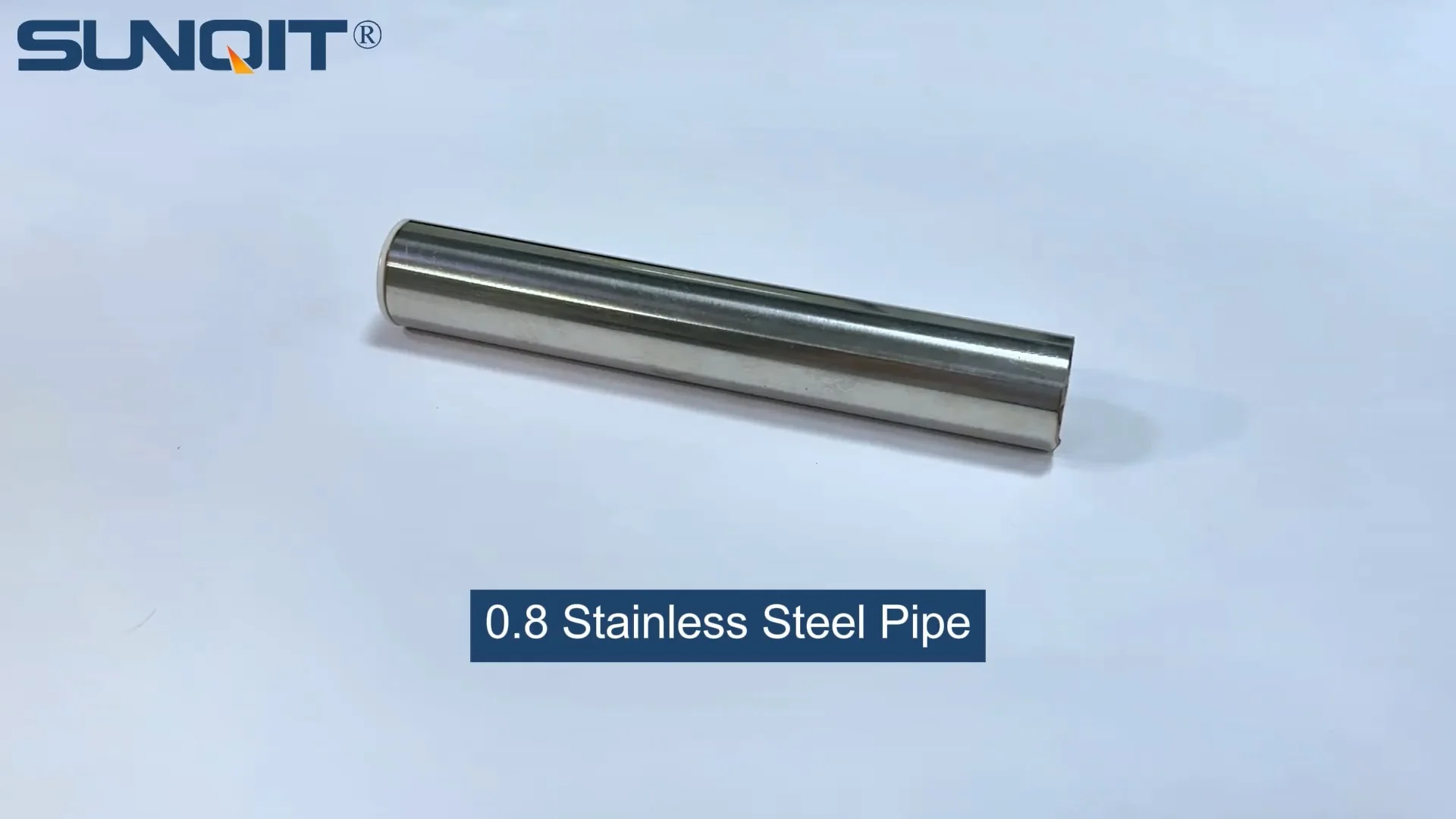
In the world of medical device manufacturing, precision isn't just a buzzword—it's a lifeline. Every component, every material, and every process plays a role in creating tools and devices that directly impact patient health. Among the unsung heroes of this industry is a material that balances strength, versatility, and safety in ways few others can: the 2.0mm stainless steel pipe. Often overlooked in favor of flashier technologies, this unassuming component is the backbone of countless manufacturing workflows, from assembling delicate surgical instruments to organizing sterile production lines. Today, we'll dive into why 2.0mm stainless steel pipe has become indispensable, exploring its key uses, safety benefits, and how it integrates with systems like lean manufacturing to elevate medical device production.
Understanding 2.0mm Stainless Steel Pipe: More Than Just Metal
Before we jump into its applications, let's take a moment to appreciate what makes 2.0mm stainless steel pipe unique. Stainless steel itself is revered for its corrosion resistance, thanks to its chromium content, which forms a protective oxide layer. But when we specify "2.0mm," we're talking about a sweet spot in thickness that addresses two critical needs in medical manufacturing: structural integrity and adaptability.
At 2.0mm, the pipe is thick enough to support heavy loads—think stacks of sterilized components or machinery—without bending or warping over time. Yet it's also thin enough to be lightweight, making it easy to maneuver during assembly and reconfiguration. This balance is crucial in medical settings, where production lines often need to shift quickly to accommodate new device models or regulatory changes. Unlike thicker pipes that can feel clunky or rigid, 2.0mm stainless steel bends just enough to allow for custom shapes (when needed) while maintaining the stability required for precision work.
Another standout feature is its biocompatibility. Medical devices frequently come into contact with patients, so materials must meet strict standards to avoid allergic reactions or contamination. 2.0mm stainless steel pipe, particularly grades like 316L (low carbon), is non-reactive and resistant to bodily fluids, making it safe for use in environments where sterility is non-negotiable. This isn't just a "nice-to-have"—it's a regulatory requirement, and 2.0mm stainless steel pipe checks that box with ease.
Core Uses in Medical Device Manufacturing: Where 2.0mm Stainless Steel Pipe Shines
Now, let's get practical. How exactly does this pipe contribute to making medical devices? From workbenches to material transport systems, its applications are both varied and vital. Let's break down the top uses:
1. Workbenches: The Foundation of Precision Assembly
Walk into any medical device manufacturing facility, and you'll notice one thing immediately: workbenches are everywhere. These aren't just tables—they're command centers where technicians assemble pacemakers, suture kits, and diagnostic tools. The frame of these workbenches? Often built with 2.0mm stainless steel pipe.
Why? For starters, medical workbenches need to withstand constant use. Technicians lean on them, tools are set down heavily, and cleaning protocols involve harsh disinfectants. A flimsy frame would warp or corrode in months, but 2.0mm stainless steel pipe holds up. Its smooth surface is also easy to wipe down, preventing the buildup of bacteria or residue that could compromise sterile conditions. Unlike wooden workbenches that absorb moisture or plastic ones that scratch easily, stainless steel stays pristine even after years of daily cleaning.
But it's not just about durability. Workbenches in medical manufacturing often need custom add-ons: shelves for tools, holders for trays, or partitions to separate different assembly stages. 2.0mm stainless steel pipe's modularity makes this a breeze. Using simple joints (another key accessory in the stainless steel pipe ecosystem), manufacturers can attach shelves, hooks, or lighting fixtures without welding or drilling, keeping the frame intact and avoiding weak points. This flexibility means a single workbench can adapt from assembling small catheters one day to larger surgical clamps the next—a boon for facilities juggling multiple product lines.
2. Roller Tracks: Keeping Materials Moving Safely
In medical device manufacturing, the journey of a component from raw material to finished product is a carefully choreographed dance. Parts need to move from sterilization to assembly to packaging—all without getting damaged, contaminated, or delayed. This is where roller tracks come in, and 2.0mm stainless steel pipe is often the backbone of these systems.
Roller tracks rely on a series of wheels or rollers to glide components along a path, reducing the need for manual lifting and streamlining workflow. The frame that supports these rollers? You guessed it: 2.0mm stainless steel pipe. Its strength ensures the track stays level, even when loaded with heavy trays of metal parts, preventing jams or spills that could halt production. And because stainless steel is resistant to corrosion, these tracks hold up in environments where frequent cleaning (with water or chemicals) is necessary—unlike aluminum tracks, which might pit over time, or plastic ones that can warp under heat.
One of the most valuable aspects of using 2.0mm stainless steel pipe in roller tracks is its precision. Medical components, especially delicate ones like stents or microelectrodes, can't afford to jostle around during transport. The smooth, consistent surface of stainless steel pipe ensures the track's alignment stays true, so parts move at a steady, predictable pace. This isn't just about efficiency—it's about quality control. A misaligned roller track could scratch a component, rendering it unusable and wasting valuable resources.
3. Lean System Integration: Reducing Waste, Boosting Efficiency
Lean manufacturing has revolutionized how medical device companies operate, focusing on minimizing waste (time, materials, space) while maximizing value. At the heart of lean is the idea that workflows should be adaptable and intuitive, and 2.0mm stainless steel pipe fits this philosophy like a glove. Its modular design makes it easy to build, modify, and repurpose structures, aligning perfectly with lean principles like "just-in-time" production and continuous improvement.
Take, for example, a facility that needs to reconfigure its assembly line to produce a new type of diagnostic tool. With traditional fixed infrastructure, this might take days—dismantling old workbenches, installing new ones, and adjusting material flow. But with 2.0mm stainless steel pipe, the process is far simpler. Using quick-connect joints, teams can disassemble existing frames, rearrange the pipes into a new layout, and have the line up and running in hours. This agility reduces downtime, which is critical in an industry where delays can mean missed deadlines for life-saving devices.
Lean also emphasizes visual management—keeping workspaces organized so everyone can see what's needed, where it is, and how processes are flowing. 2.0mm stainless steel pipe excels here, too. Its sleek, uniform appearance creates clean lines that make it easy to label zones (e.g., "Sterile Components," "Assembly," "Inspection") and attach visual aids like Kanban cards or workflow charts. Unlike cluttered or mismatched materials, stainless steel pipe gives workspaces a professional, cohesive look that reinforces a culture of order and precision.

Safety First: Why 2.0mm Stainless Steel Pipe Meets Medical Standards
In medical manufacturing, safety isn't optional—it's the foundation of everything. From FDA regulations to ISO standards, every material and process is scrutinized to ensure patient and worker safety. 2.0mm stainless steel pipe doesn't just meet these standards; it often exceeds them, thanks to several key safety features:
Corrosion Resistance: Preventing Contamination
Medical facilities are wet, chemical-intensive environments. Disinfectants, sterilizing agents, and even steam from autoclaves can take a toll on lesser materials, leading to rust or degradation. Rust isn't just unsightly—it's a breeding ground for bacteria, which could contaminate devices. 2.0mm stainless steel pipe's chromium oxide layer acts as a shield, preventing corrosion even after years of exposure to harsh cleaners. This means fewer replacements, lower maintenance costs, and—most importantly—fewer risks of contamination.
Smooth Surfaces: Eliminating Hideouts for Germs
Bacteria love crevices and rough edges, where they can hide and multiply. 2.0mm stainless steel pipe is manufactured with a smooth, polished finish that leaves no room for microbial growth. Unlike materials with seams or porous surfaces (like wood or some plastics), stainless steel can be wiped down with a disinfectant cloth, reaching every inch and ensuring a sterile workspace. This is critical in cleanrooms, where even a single bacterium could compromise a batch of surgical tools.
Structural Reliability: Protecting Workers and Products
Worker safety is just as important as product safety. A collapsed shelf or a bent workbench could injure employees or damage expensive components. 2.0mm stainless steel pipe's strength ensures structures remain stable under load, reducing the risk of accidents. For example, a material rack built with 2.0mm pipe can safely hold hundreds of pounds of sterilized kits without buckling, giving workers peace of mind as they retrieve items throughout the day.
Fire Resistance: An Overlooked Safety Bonus
While fires in medical facilities are rare, they're catastrophic when they happen. Stainless steel is non-combustible, meaning it won't catch fire or release toxic fumes when exposed to high heat. This adds an extra layer of protection in environments where flammable materials (like certain cleaning agents) might be present, making 2.0mm stainless steel pipe a safer choice than plastic or wooden alternatives.

Comparing Materials: Why 2.0mm Stainless Steel Pipe Stands Out
To truly appreciate 2.0mm stainless steel pipe, it helps to see how it stacks up against other common materials in medical manufacturing. Let's take a look at a comparison:
| Material | Thickness | Corrosion Resistance | Load Capacity | Biocompatibility | Lean Adaptability |
|---|---|---|---|---|---|
| 2.0mm Stainless Steel Pipe | 2.0mm | Excellent (resists disinfectants, bodily fluids) | High (supports heavy loads without warping) | Yes (FDA/ISO compliant grades available) | High (modular, easy to reconfigure) |
| Aluminum Pipe | 2.0mm | Good (but prone to pitting with strong chemicals) | Moderate (lighter, but less durable long-term) | Yes (but requires anodization for full biocompatibility) | Moderate (lighter, but joints may loosen over time) |
| Plastic Pipe | 2.0mm | Poor (can degrade with UV exposure or chemicals) | Low (bends under heavy loads) | Limited (some plastics leach chemicals) | Low (rigid, hard to modify without tools) |
| Wooden Framing | N/A (varies) | Very Poor (absorbs moisture, prone to mold) | Moderate (but rots over time) | No (porous, hard to sterilize) | Very Low (fixed, not reusable) |
As the table shows, 2.0mm stainless steel pipe outperforms alternatives in critical areas like corrosion resistance, load capacity, and biocompatibility. While aluminum might be lighter or cheaper upfront, its tendency to pit with harsh cleaners makes it a risk in sterile environments. Plastic and wood, meanwhile, simply can't match the durability or safety profile needed for medical device manufacturing. For companies prioritizing long-term reliability and compliance, 2.0mm stainless steel pipe is the clear choice.
Real-World Impact: How 2.0mm Stainless Steel Pipe Improves Outcomes
Let's ground this in a real scenario. Imagine a mid-sized medical device company that specializes in surgical forceps. A few years ago, their assembly line relied on wooden workbenches and plastic roller tracks. The wooden benches warped after repeated cleaning, leading to uneven surfaces that made precise assembly difficult. The plastic tracks often cracked under the weight of metal components, causing delays as teams stopped to retrieve fallen parts. Sterilization was also a headache—wooden surfaces harbored bacteria, requiring extra time and chemicals to disinfect.
Then, the company switched to 2.0mm stainless steel pipe. They replaced the wooden workbenches with stainless steel frames topped with anti-static laminate, and swapped plastic tracks for stainless steel roller systems. The results were immediate: workbenches stayed level, even after months of daily cleaning. Roller tracks glided smoothly, reducing component damage by 40%. Sterilization time dropped by 25%, as the smooth stainless steel surfaces were easier to wipe down. Most importantly, the modular design allowed the team to reconfigure the line in hours when they introduced a new forceps model, cutting launch time from weeks to days.
This isn't an isolated case. Across the industry, companies that invest in 2.0mm stainless steel pipe report fewer product defects, lower maintenance costs, and happier employees (who no longer struggle with wobbly workbenches or jammed tracks). It's a small change that delivers big results—exactly the kind of innovation medical manufacturing needs.
Looking Ahead: The Future of 2.0mm Stainless Steel Pipe in Medical Manufacturing
As medical device technology advances—with smaller, more complex devices and stricter regulations—the demand for reliable, adaptable materials will only grow. 2.0mm stainless steel pipe is well-positioned to meet these challenges, thanks to ongoing innovations in manufacturing and design.
One emerging trend is the integration of smart technology. Imagine stainless steel pipes embedded with sensors that monitor load capacity, alerting teams if a shelf is overloaded, or tracking temperature changes in cleanrooms. While this is still in early stages, the durability of 2.0mm stainless steel makes it an ideal platform for such upgrades. Another area is sustainability: stainless steel is 100% recyclable, aligning with the industry's push to reduce environmental impact. As companies prioritize green manufacturing, the recyclability of 2.0mm stainless steel pipe will become an even bigger selling point.
Perhaps most exciting is the potential for customization. Advances in bending and joining technologies mean 2.0mm stainless steel pipe can now be shaped into more complex, ergonomic designs—think curved workbenches that reduce worker strain or spiral roller tracks that save space. These innovations will make the pipe even more versatile, ensuring it remains a staple in medical manufacturing for years to come.
Conclusion: The Unsung Hero of Medical Manufacturing
In a world of cutting-edge robotics and AI-driven quality control, it's easy to overlook the basics. But 2.0mm stainless steel pipe reminds us that sometimes the most impactful innovations are the ones that quietly get the job done—day in, day out. Its strength, safety, and adaptability make it indispensable in medical device manufacturing, supporting everything from workbenches to lean systems and ensuring that the devices we rely on are built to the highest standards.
Whether you're assembling a life-saving pacemaker or organizing a sterile production line, 2.0mm stainless steel pipe is more than just a material—it's a partner in precision. It's the reason workflows run smoothly, safety standards are met, and medical device companies can focus on what matters most: improving patient outcomes. So the next time you walk through a medical manufacturing facility, take a moment to notice the frames, tracks, and structures that keep everything moving. Chances are, you'll be looking at 2.0mm stainless steel pipe—and now you'll know just how much work it's doing behind the scenes.