- Company Articles
- Products and Technology
- Solution
- Medical Device Manufacturing: T Slot Aluminum Pipe Solutions

Medical Device Manufacturing: T Slot Aluminum Pipe Solutions
Related Product
T Slot Aluminum Pipe
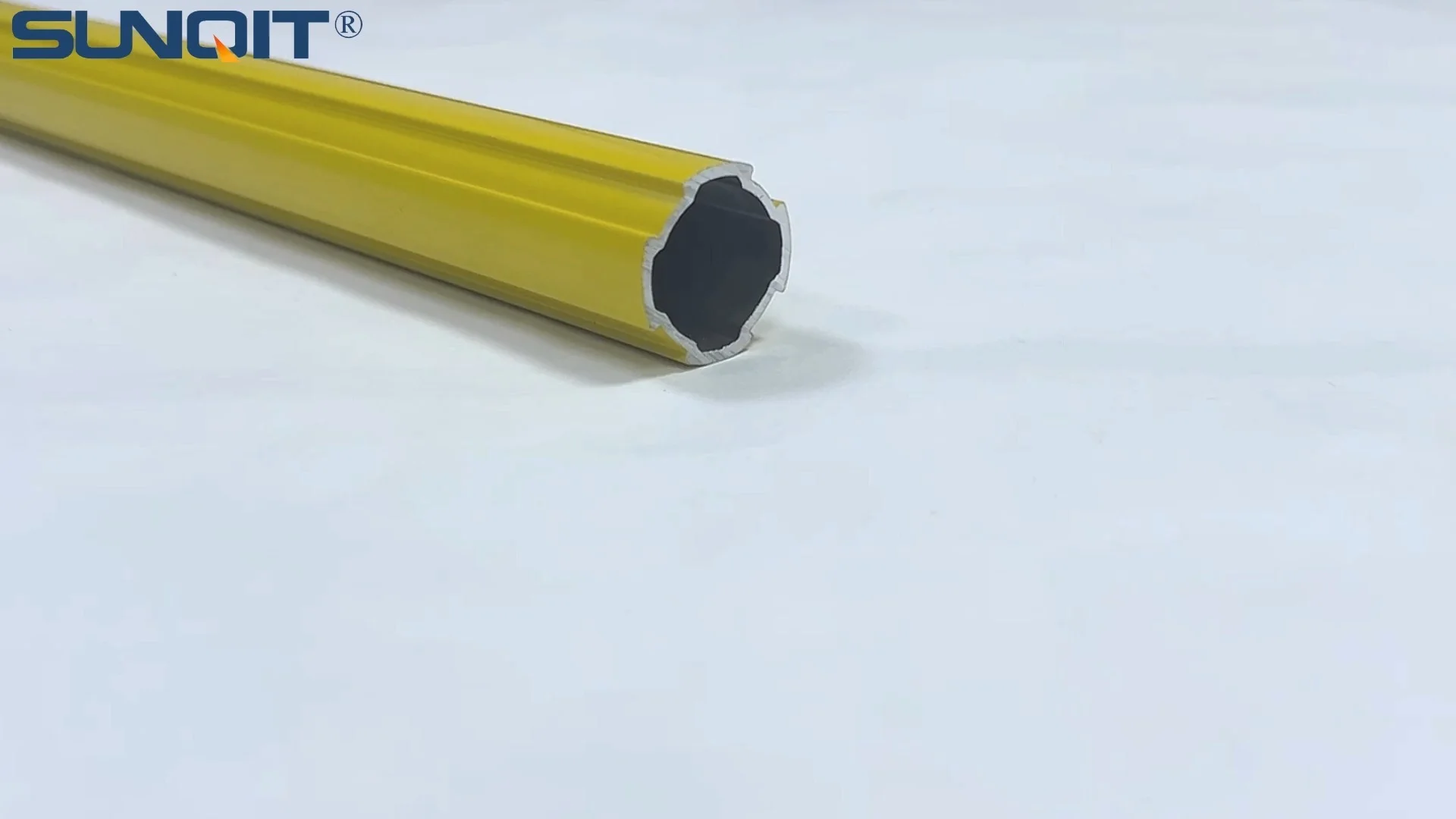
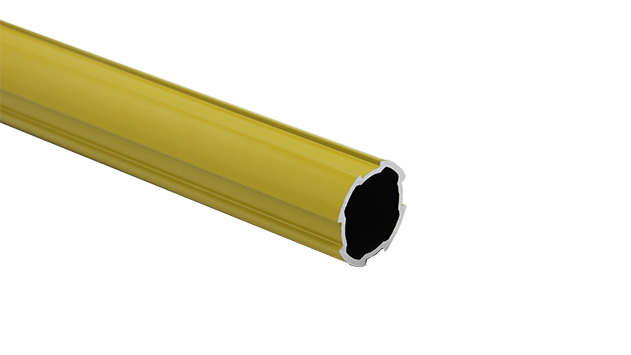
Aluminum pipe, it is used for workbench, flow rack,hand trolley assemble work with advantage of flexible and durable, yellow color makes it more attactive as a caution remind.
In the world of medical device manufacturing, precision isn't just a buzzword—it's the foundation of every life-saving tool, diagnostic instrument, and surgical implant. From the tiniest screw in a pacemaker to the frame of a hospital bed, every component demands meticulous attention to detail, unwavering compliance with regulations, and a production environment that prioritizes cleanliness and efficiency. Yet, behind the scenes of this high-stakes industry lies a challenge that often goes unnoticed: the infrastructure that supports these processes. Rigid workbenches, clunky material racks, and inflexible conveyor systems can slow down production, compromise safety, and make it nearly impossible to adapt to evolving technologies. That's where T Slot Aluminum Pipe solutions step in—quietly revolutionizing how medical manufacturing floors are designed, built, and reimagined.
The Unique Challenges of Medical Device Manufacturing
Precision and Compliance: Non-Negotiable Standards
Medical devices are regulated by some of the strictest bodies in the world, including the FDA, ISO, and CE. For example, ISO 13485 sets guidelines for quality management systems specific to medical devices, requiring everything from traceable material sourcing to validated production processes. A single misaligned component or a particle of dust in a cleanroom can lead to product recalls, delayed approvals, or worse—patient harm. Traditional manufacturing setups, with their fixed steel workbenches and hard-to-clean wooden racks, often struggle to meet these standards. Cracks in welds, rough surfaces that trap debris, and static-prone materials can all become compliance risks.
Adaptability in a Fast-Evolving Industry
Medical technology moves at a breakneck pace. A manufacturer might produce a standard surgical tool one month and shift to a custom implant component the next. Traditional infrastructure, however, isn't built for change. Retooling a rigid production line can take weeks, requiring welding, drilling, and extensive downtime—costing both time and money. In an industry where speed to market can mean the difference between helping thousands of patients or falling behind competitors, this inflexibility is a critical liability.
Ergonomics and Worker Well-Being
Behind every medical device is a team of skilled workers—engineers, assemblers, and quality inspectors—who spend hours at workstations, handling delicate components. Poorly designed workbenches with fixed heights, awkwardly placed tool storage, or heavy material racks that require manual lifting can lead to chronic injuries, fatigue, and decreased productivity. The Bureau of Labor Statistics reports that manufacturing workers face some of the highest rates of musculoskeletal disorders, and in medical manufacturing, where focus and precision are critical, even minor discomfort can impact quality.
T Slot Aluminum Pipe: A Foundation for Modern Manufacturing
What is T Slot Aluminum Pipe?
At its core, T Slot Aluminum Pipe—also known as T-groove aluminum pipe—is an engineered solution designed for modularity. Unlike traditional steel pipes or wooden beams, these aluminum profiles feature a continuous T-shaped groove along their length, allowing accessories like brackets, joints, and panels to be attached quickly and securely without welding or drilling. This simple yet ingenious design transforms static infrastructure into a dynamic system that can be reconfigured in minutes, not months. Aluminum extrusion profiles, the building blocks of these systems, are created by forcing molten aluminum through a die, resulting in consistent, high-strength shapes that are lightweight, corrosion-resistant, and easy to sanitize—qualities that make them ideal for medical settings.
Why Aluminum? The Material Advantage in Medical Settings
Aluminum isn't just a lightweight alternative to steel—it's a strategic choice for medical manufacturing. For starters, it's naturally resistant to corrosion, meaning it won't rust or degrade when exposed to the frequent cleaning agents and disinfectants required in cleanrooms. Unlike wood, which can splinter and harbor bacteria, or painted steel, which can chip and create particulate matter, aluminum extrusion profiles have smooth, non-porous surfaces that prevent dust buildup and are easy to wipe down with alcohol or bleach. This makes them compliant with cleanroom standards like ISO 14644-1, which mandates strict limits on airborne particles. Additionally, aluminum is non-magnetic and non-sparking, reducing risks in environments with sensitive electronics or flammable materials—common in medical device production, where components like MRI machines or battery-powered implants are assembled.
Key Benefits of T Slot Aluminum Pipe Solutions
Modularity: Build, Adapt, Repeat
The true power of T Slot Aluminum Pipe lies in its modularity. Imagine a production line that needs to shift from assembling 5mm surgical screws to 20mm orthopedic plates. With traditional workbenches, this might require replacing the entire setup or hiring contractors to modify surfaces. With T Slot Aluminum Pipe, assemblers can simply loosen a few brackets, reposition the aluminum profile accessories, and add new tool holders or dividers—all in under an hour. This flexibility extends to material storage, too. A material rack that once held small plastic components can be reconfigured with additional shelves or roller tracks to accommodate larger metal parts, eliminating the need to purchase new equipment. For medical manufacturers, this means shorter lead times, reduced waste, and the ability to pivot quickly to meet customer demands or regulatory changes.
Customization: Tailored to Your Process
No two medical devices are the same, and neither should their production setups be. T Slot Aluminum Pipe systems thrive on customization, allowing manufacturers to design infrastructure that fits their unique processes, not the other way around. Need a workbench with integrated ESD (electrostatic discharge) protection for handling sensitive circuit boards? Aluminum profiles can be paired with conductive panels and grounding accessories to create an ESD workstation that meets ANSI/ESD S20.20 standards. Building a material rack for delicate glass syringes? Add soft-grip aluminum profile accessories or plastic roller track guide rails to prevent scratches during transport. Even ergonomics are customizable—adjustable-height workbenches, for example, can be raised or lowered using internal rotary aluminum joints, ensuring workers of all heights can operate comfortably, reducing strain and improving focus.
Durability Meets Cleanliness: A Sanitary Choice
In medical manufacturing, cleanliness isn't optional—it's a legal requirement. T Slot Aluminum Pipe systems are engineered to meet this demand head-on. Their smooth, seamless surfaces eliminate crevices where bacteria or debris can hide, making them easy to sanitize with wipes, sprays, or even automated cleaning systems. Unlike steel, which requires regular painting or coating to prevent rust, aluminum's natural oxide layer acts as a protective barrier, ensuring long-term durability without compromising hygiene. This is especially critical in cleanrooms, where even a single particle can contaminate a batch of sterile products. For example, a manufacturer producing IV catheters can trust that their aluminum workbench won't shed flakes or harbor mold, keeping their products compliant with FDA Class I or II device regulations.
Ergonomics: Putting Workers First
A tired or uncomfortable worker is a less precise worker—and in medical manufacturing, precision can save lives. T Slot Aluminum Pipe systems prioritize ergonomics by offering adjustable solutions that adapt to human needs, not the other way around. Height-adjustable workbenches, for instance, can be raised for standing work or lowered for seated tasks, reducing back and neck strain. Mobile workstations equipped with caster wheels and caster accessories allow workers to move tools and materials directly to their stations, eliminating the need for repetitive lifting or bending. Even small touches, like angled tool holders attached via aluminum pipe clamps, can reduce wrist fatigue during assembly. By prioritizing worker comfort, these systems don't just improve productivity—they create a safer, more sustainable work environment.
Cost Efficiency: Investing in Long-Term Flexibility
At first glance, T Slot Aluminum Pipe systems may seem like a bigger upfront investment than traditional infrastructure. However, their long-term cost efficiency tells a different story. Traditional setups require frequent retooling—welding new brackets, replacing damaged wood, or purchasing entirely new racks when processes change. Over time, these costs add up, often exceeding the initial price of a modular aluminum system. T Slot Aluminum Pipe, on the other hand, is built to adapt. Reusing profiles and accessories across projects reduces waste and eliminates the need for constant replacements. Additionally, aluminum's lightweight nature lowers shipping and installation costs, while its durability ensures a longer lifespan—often 10+ years compared to 3–5 years for wooden or steel setups. For medical manufacturers operating on tight margins, this translates to significant savings over time.

Real-World Applications in Medical Device Production
Workbenches: The Heart of the Production Line
Workbenches are the command centers of medical manufacturing, where assembly, inspection, and testing take place. T Slot Aluminum Pipe workbenches, like the Workbench E (single deck-without caster), are designed to be both sturdy and adaptable. These workbenches can be outfitted with ESD-safe surfaces for handling pacemaker circuit boards, integrated lighting for detailed inspections, or tool rails with hanging accessories for easy access to tweezers, screwdrivers, and calipers. What sets them apart is their ability to evolve with the task at hand. If a manufacturer shifts from assembling small sensors to larger surgical tools, they can add extensions to the aluminum profile frame, swap out the worktop for a larger surface, or integrate storage drawers using aluminum profile accessories—all without replacing the entire bench. This versatility ensures that workbenches remain functional even as product lines change, reducing downtime and keeping production on track.
Material Racks: Organized, Accessible, and Adaptable
In a facility producing hundreds of components daily, disorganized material storage isn't just inefficient—it's dangerous. Lost parts, expired inventory, or mislabeled bins can lead to production delays or, worse, errors in final products. T Slot Aluminum Pipe material racks, such as Material Rack B (3 row and 3 floor), solve this by offering customizable, clear storage solutions. These racks can be configured with adjustable shelves, dividers, and labeling holders to separate different materials—from sterile packaging to metal alloys. For delicate items like glass vials or microchips, plastic roller track guide rails (available in yellow or grey) can be added to shelves, allowing for smooth, scratch-free retrieval. Even heavy loads, like bulk metal sheets, are manageable with reinforced aluminum profiles and heavy-duty casters, making it easy to move racks to where they're needed most. In short, these racks turn chaos into order, ensuring that every component is accounted for and accessible.
Conveyor Systems: Streamlining Material Flow
Moving materials between workstations efficiently is critical in medical manufacturing, where bottlenecks can disrupt tight production schedules. T Slot Aluminum Pipe conveyor systems, built with roller tracks and aluminum guide rails (like Aluminum Guide Rail A and Aluminum Guide Rail B), offer a flexible alternative to traditional belt conveyors. These systems use gravity or motorized rollers to move components smoothly, reducing manual handling and the risk of damage. For example, a roller track with swivel roller balls (1 inch or 0.5 inch) can gently transport plastic syringes from the molding station to the assembly line, while a steel roller track with black ESD wheels ensures sensitive electronics aren't damaged by static. Best of all, these conveyors are modular—sections can be added, removed, or reangled using roller track connectors or placon mount brackets, allowing manufacturers to adapt to changes in workflow without overhauling the entire system.

Comparing Traditional vs. T Slot Aluminum Infrastructure
| Feature | Traditional Infrastructure (Steel/Wood) | T Slot Aluminum Pipe Solutions |
|---|---|---|
| Flexibility | Fixed design; requires welding/drilling to modify. Retooling takes weeks. | Modular; reconfigurable in minutes using T-groove accessories. Adaptable to new processes. |
| Sanitation | Rough surfaces trap dust/debris. Wood splinters; steel rusts if not coated. | Smooth, non-porous aluminum surfaces. Easy to sanitize with disinfectants; corrosion-resistant. |
| Cost Over Time | Low upfront cost, but high retooling and replacement expenses. Lifespan: 3–5 years. | Higher upfront cost, but minimal retooling costs. Lifespan: 10+ years. Lower long-term expenses. |
| Ergonomics | Static heights and layouts. No easy adjustments for worker comfort. | Adjustable-height workbenches, mobile racks, and customizable layouts. Reduces worker strain. |
| Compliance | Often fails ESD or cleanroom standards. Hard to validate for ISO/FDA requirements. | Compatible with ESD protection, cleanroom Class 8+, and ISO 13485. Easy to document for audits. |
The Role of Accessories: Small Parts, Big Impact
Aluminum Profile Accessories: Joints, Brackets, and More
While T Slot Aluminum Pipe profiles are the backbone of these systems, it's the accessories that bring them to life. Aluminum profile accessories like internal rotary aluminum joints, 90° aluminum crossing joints, and parallel fixation aluminum pipe joints allow for endless configurations. For example, a 45° aluminum pipe joint inside connection can angle a workbench shelf to improve visibility, while a parallel aluminum joint A can connect two profiles side by side to create a wider surface. Even small components like roller track placon mount brackets or caster accessories play a big role—placon mounts, for instance, secure roller tracks to aluminum profiles, ensuring smooth material flow, while caster wheel brakes keep mobile workstations stable during use. These accessories transform basic aluminum pipes into fully functional systems, proving that sometimes, the smallest parts make the biggest difference.
Casters and Mobility: Taking Flexibility Further
Mobility is key in dynamic medical manufacturing environments, where production lines may need to be rearranged for batch changes or deep cleaning. T Slot Aluminum Pipe systems address this with a range of caster and accessories, from basic swivel casters to heavy-duty expanding stem casters with brakes. Adding casters to workbenches, material racks, or even conveyor sections allows them to be moved to different areas of the facility as needed, eliminating the need for multiple fixed setups. For example, a mobile ESD workstation can be wheeled directly to a testing station, reducing the risk of damaging sensitive components during transport. When not in use, casters with brakes ensure stability, preventing accidental movement during critical tasks like assembly or inspection. In essence, casters turn static infrastructure into mobile tools, making the entire facility more adaptable.
ESD Solutions: Protecting Sensitive Components
Many medical devices, such as heart monitors or insulin pumps, rely on delicate electronics that are vulnerable to electrostatic discharge (ESD). A single static shock can damage a microchip, rendering a device useless or, worse, causing it to malfunction in a patient's body. T Slot Aluminum Pipe systems integrate seamlessly with ESD workstations and accessories to mitigate this risk. ESD-safe workbench surfaces, conductive aluminum profiles, and grounding cables can be added to create a controlled environment where static charges are safely dissipated. Even roller tracks can be equipped with black ESD wheels to prevent static buildup during material transport. For manufacturers, this means peace of mind knowing that their components are protected from ESD-related damage, reducing waste and ensuring product reliability.
Compliance and Safety: Meeting Medical Manufacturing Standards
Cleanroom Compatibility
Cleanrooms are the gold standard in medical device manufacturing, with strict limits on airborne particles, temperature, and humidity. T Slot Aluminum Pipe systems are designed to meet these demands, with smooth, non-shedding surfaces that won't introduce contaminants into the air. Unlike steel, which can corrode and release particles, or wood, which can off-gas volatile organic compounds (VOCs), aluminum extrusion profiles are inert and easy to clean. They're also compatible with common cleanroom cleaning protocols, including wipe-downs with isopropyl alcohol or hydrogen peroxide. For facilities operating under ISO 14644-1 Class 7 or 8 standards, this compatibility is non-negotiable—ensuring that infrastructure doesn't become a barrier to compliance.
Regulatory Alignment (FDA, ISO)
Regulatory bodies like the FDA and ISO don't just regulate the final product—they also inspect the processes and infrastructure used to make it. T Slot Aluminum Pipe systems simplify compliance by offering traceable, documented components. Most aluminum extrusion profiles come with material certificates, ensuring they meet FDA standards for food contact (relevant for devices like feeding tubes) or ISO 13485 requirements for quality management. Additionally, the modular design makes it easy to implement process changes—like adding a new inspection station—and document those changes for audits. For example, if a manufacturer needs to validate a new assembly process, they can quickly reconfigure their aluminum workbench, record the changes, and provide evidence of the setup to regulators. This transparency reduces the risk of non-compliance and ensures that facilities remain audit-ready year-round.
Case Study: Transforming a Pacemaker Component Line
To understand the real impact of T Slot Aluminum Pipe solutions, consider the case of a mid-sized medical device manufacturer specializing in pacemaker components. Prior to upgrading, the facility relied on wooden workbenches, steel shelving units, and a fixed belt conveyor system. The challenges were mounting: wooden benches were hard to sanitize, leading to frequent cleanroom violations; steel shelves rusted despite regular painting, creating particulate contamination; and the conveyor system couldn't be adjusted, causing bottlenecks when production volumes spiked. Worst of all, retooling for a new component line took 4–6 weeks, delaying product launches and frustrating customers.
The solution? A complete overhaul with T Slot Aluminum Pipe systems. The manufacturer replaced wooden workbenches with ESD-safe aluminum workbenches (Workbench E), added Material Rack B units for organized storage, and installed a modular roller track conveyor system with plastic roller track guide rails. The results were immediate: cleanroom compliance scores improved by 30%, as the smooth aluminum surfaces were easier to sanitize and didn't shed particles. Retooling time for new components dropped to just 2 days, as workers could reconfigure benches and racks using aluminum profile accessories instead of waiting for contractors. Ergonomic improvements, like adjustable-height workbenches, reduced worker fatigue, leading to a 15% increase in assembly accuracy. Perhaps most notably, the facility saw a 20% reduction in production costs within the first year, thanks to lower retooling expenses and fewer product defects.
Future Trends: T Slot Aluminum Pipe in the Next Generation of Medical Manufacturing
As medical technology advances—with innovations like 3D-printed implants, AI-powered diagnostic tools, and wearable health monitors—manufacturing infrastructure must keep pace. T Slot Aluminum Pipe systems are poised to play a key role in this evolution, thanks to their compatibility with emerging trends like automation and smart manufacturing. For example, aluminum profiles can be integrated with collaborative robots (cobots), providing a sturdy, flexible frame for robotic arms to operate alongside human workers. Smart sensors, mounted using T-groove brackets, can monitor production metrics like temperature or vibration, alerting managers to issues before they impact quality. Even sustainability is a factor: aluminum is 100% recyclable, making T Slot Aluminum Pipe systems a greener alternative to disposable wooden or steel setups. In short, these systems aren't just solving today's problems—they're building the foundation for tomorrow's medical manufacturing.
Conclusion
In the high-stakes world of medical device manufacturing, every detail matters. From the precision of a component to the efficiency of a production line, success depends on infrastructure that can keep up with evolving demands. T Slot Aluminum Pipe solutions—with their modular design, durable aluminum extrusion profiles, and endless customization options—offer exactly that. They transform rigid, outdated setups into dynamic, adaptable systems that prioritize compliance, cleanliness, and worker well-being. Whether it's a small workbench or a full-scale conveyor system, these solutions prove that the right infrastructure doesn't just support production—it elevates it. As medical technology continues to advance, T Slot Aluminum Pipe systems will remain a quiet but critical partner, ensuring that the tools saving lives are built on a foundation of innovation.