- Company Articles
- Products and Technology
- Solution
- Medical Device Manufacturing: Using 40 Steel Roller Track Yellow for Lean Operations

Medical Device Manufacturing: Using 40 Steel Roller Track Yellow for Lean Operations
Related Product
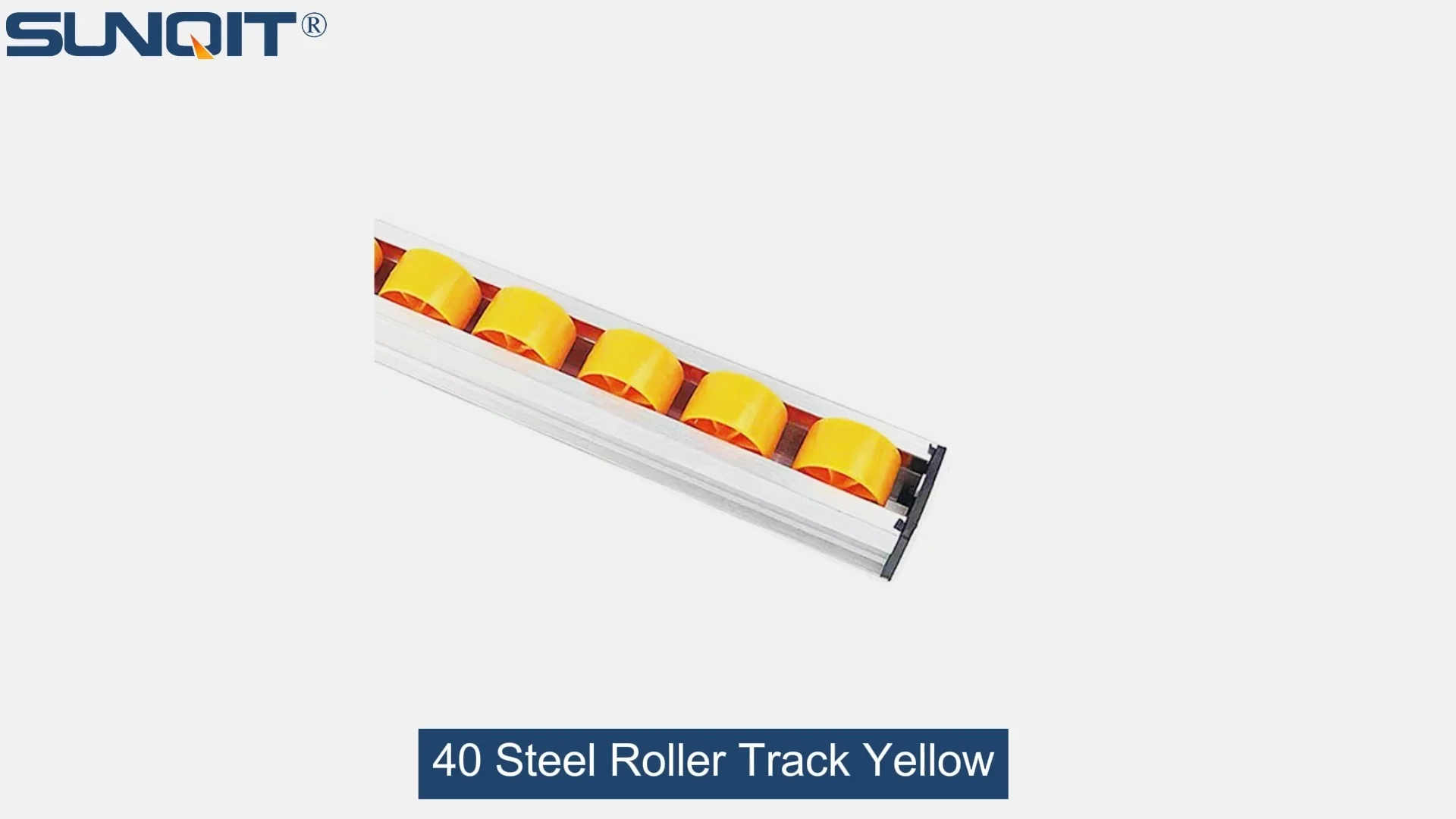
40 Steel Roller Track Yellow
The roller track can be installed with multiple accessories to create different slopes and configurations of flow racks.All steel conveyor 40 roller track accessories are engineered to perfectly fit the sliding rail.
Medical Device Manufacturing: Using 40 Steel Roller Track Yellow for Lean Operations
Introduction
Medical device manufacturing is a field where precision, compliance, and efficiency are not just goals—they are absolute necessities. Every component must be handled with care, every process must adhere to strict regulatory standards, and every minute of downtime can translate to increased costs or delayed patient care. In this high-stakes environment, lean operations have emerged as a game-changer, helping companies eliminate waste, streamline workflows, and maintain consistent quality. Among the tools that are transforming lean practices in medical device manufacturing is the 40 Steel Roller Track Yellow—a versatile, durable solution designed to optimize material flow and boost overall productivity. This article explores how this component can be leveraged to address the unique challenges of medical device production and drive meaningful improvements in lean operations.
The Unique Challenges of Medical Device Manufacturing Lean Operations
Lean operations in medical device manufacturing are not the same as in other industries. The sector faces a set of distinct challenges that require tailored solutions:
Strict Regulatory Compliance
Medical device companies must comply with rigorous regulations like the U.S. FDA's Quality System Regulation (QSR) and ISO 13485. These standards demand complete traceability of components, strict process control, and documentation of every step in the production cycle. Any deviation can lead to product recalls, fines, or even loss of certification.
Small Batch and Custom Production
Many medical devices are produced in small batches due to varying patient needs, product updates, or specialized applications. For example, a company manufacturing prosthetic limbs may create custom devices for individual patients, while a diagnostic equipment maker may update its products frequently to incorporate new technology. This requires production lines to be flexible enough to switch between different products quickly.
Delicate Material Handling
Components used in medical devices—such as surgical instruments, diagnostic sensors, or implantable parts—are often delicate and sensitive to damage. Manual handling can lead to scratches, dents, or contamination, which can render a component unusable or compromise the safety of the final product.
Waste Reduction Pressure
Lean operations focus on eliminating the seven wastes (overproduction, waiting, transport, overprocessing, inventory, motion, defects). In medical manufacturing, there are additional forms of waste, such as expired components (due to strict shelf-life requirements) or non-compliant processes that lead to reworks or scrap. Reducing these wastes is critical to maintaining profitability and compliance.
What Is 40 Steel Roller Track Yellow & Why It Fits Medical Device Manufacturing?
The 40 Steel Roller Track Yellow is a key component of lean material handling systems, engineered to facilitate smooth, efficient movement of parts and products throughout the production line. It typically consists of high-quality steel rollers mounted on a sturdy frame, paired with yellow plastic guide rails and yellow rollers. This combination of materials and design offers several features that make it ideal for medical device manufacturing:
- Durability: The steel rollers are built to withstand heavy loads (up to several hundred pounds) without bending or breaking, making them suitable for handling metal components like surgical tools or diagnostic device chassis. The yellow plastic guide rails and rollers are resistant to wear and tear, ensuring long-term performance even in high-volume production environments.
- Cleanliness & Sanitization: The materials used in the 40 Steel Roller Track Yellow are non-porous and easy to sanitize. They can be wiped down with common disinfectants (like isopropyl alcohol or bleach) without damage, which is essential for meeting FDA and ISO hygiene standards. Unlike porous materials that trap dirt or bacteria, the smooth surface of the roller track minimizes the risk of contamination.
- Flexibility: This component is highly modular and can be easily integrated into existing flow racks, conveyors, or lean pipe workbenches. It can also be reconfigured quickly to adapt to changing production needs—perfect for small-batch or custom medical device manufacturing.
- Visibility: The bright yellow color of the guide rails and rollers makes the track easy to see, reducing the risk of accidents or misplacement of components. This is particularly useful in busy production lines where workers are handling multiple tasks simultaneously.
- Gentle Material Handling: The rollers glide smoothly, minimizing friction and ensuring that delicate components are transported without damage. This reduces the risk of scrap and reworks, which are costly and time-consuming in medical device manufacturing.
Practical Applications of 40 Steel Roller Track Yellow in Medical Device Manufacturing
The 40 Steel Roller Track Yellow can be applied in various stages of medical device production to optimize workflows and improve efficiency. Let's explore some of the most common use cases:
Assembly Line Material Flow Optimization
One of the most effective uses of the 40 Steel Roller Track Yellow is in flow racks, where it helps feed components to assembly stations. For example, a company manufacturing surgical instruments can use flow racks equipped with this roller track to deliver small parts (like screws, blades, or handles) directly to lean pipe workbenches where assembly takes place. The components slide down the track to the worker, eliminating the need for manual retrieval from storage bins.
| Metric | Traditional Manual Material Handling | 40 Steel Roller Track Yellow Flow Rack |
|---|---|---|
| Average Time per Component Retrieval | 15 seconds | 5 seconds |
| Error Rate (Component Misplacement) | 3.0% | 1.0% |
| Worker Fatigue Score (1-10) | 8 | 3 |
| Waste from Damaged Components | 2.5% | 0.8% |
As the table shows, the roller track system significantly reduces retrieval time, error rates, worker fatigue, and component damage—all critical improvements for medical device manufacturing.
Work-in-Progress (WIP) Management
Conveyor systems integrated with the 40 Steel Roller Track Yellow are ideal for moving WIP between production stations. For instance, partially assembled diagnostic devices (like blood glucose monitors) can be placed on trays that slide along the roller track conveyor from the circuit board assembly station to the testing station. This ensures that WIP moves smoothly without bottlenecks, and each station receives the parts it needs exactly when it needs them.
Unlike manual transport, which is slow and prone to delays, the roller track conveyor maintains a steady flow of WIP. This reduces waiting time for workers and ensures that production schedules are met consistently. Additionally, the gentle movement of the rollers prevents damage to delicate components, which is essential for maintaining product quality.
Custom Lean Solutions for Specialized Production
Medical device manufacturers often require custom lean solutions to accommodate their unique processes. The 40 Steel Roller Track Yellow is a key part of these tailored setups. For example, a company producing IV pumps may need a production line that can adapt to new models with different component layouts. By combining the roller track with lean pipe workbenches and flow racks, the company can create a modular system that can be reconfigured in hours (instead of days) to support the new model.
This modularity aligns with the lean principle of continuous improvement. As the company identifies ways to optimize its processes, it can adjust the layout of the roller track system to reduce waste or improve efficiency further. This flexibility is invaluable in a field where product designs and production needs change frequently.
Compliance & Traceability Support
The 40 Steel Roller Track Yellow can also help support compliance and traceability. For example, each tray of components moving along the roller track can be labeled with a barcode or RFID tag. This allows the company to track the movement of each component throughout the production cycle, which is required for FDA and ISO 13485 compliance. Additionally, the smooth flow of materials reduces the risk of lost or misplaced components, which can lead to non-compliance issues or product recalls.
Case Study: MedTech Solutions' Success with 40 Steel Roller Track Yellow
To illustrate the impact of the 40 Steel Roller Track Yellow, let's look at MedTech Solutions—a mid-sized company that manufactures IV pumps for hospitals and clinics. Before implementing lean solutions, MedTech faced several challenges:
- Workers spent 20% of their time retrieving components from storage bins, leading to bottlenecks at assembly stations.
- The error rate for IV pump assembly was 4%, resulting in costly reworks and delayed shipments.
- Manual material handling caused 2.5% of components to be damaged, adding to scrap costs.
- Workers reported high levels of fatigue due to repeated bending and reaching for components.
MedTech partnered with a lean solution provider to redesign its production line. The key changes included:
- Installing flow racks with 40 Steel Roller Track Yellow to feed components directly to lean pipe workbenches.
- Adding a conveyor system with the roller track to move WIP between assembly and testing stations.
- Implementing a modular setup that allowed for quick reconfiguration when new IV pump models were introduced.
After six months of using the new system, MedTech saw significant improvements:
| Metric | Before Implementation | After Implementation |
|---|---|---|
| Assembly Time per IV Pump | 40 minutes | 30 minutes |
| Error Rate | 4.0% | 1.5% |
| Worker Time on Material Retrieval | 20% | 5% |
| Damaged Components | 2.5% | 1.6% |
| Worker Satisfaction Score (1-10) | 5 | 8 |
These results demonstrate how the 40 Steel Roller Track Yellow can drive meaningful improvements in efficiency, quality, and worker satisfaction for medical device manufacturers.
Integrating 40 Steel Roller Track Yellow into a Comprehensive Lean System
The 40 Steel Roller Track Yellow is most effective when integrated into a complete lean system. Here are some tips for successful integration:
Conduct a Process Audit
Before implementing any changes, conduct a thorough audit of your current production processes. Identify bottlenecks, waste points, and areas where material flow can be improved. This will help you determine where the 40 Steel Roller Track Yellow can have the most impact—whether it's in assembly line material flow, WIP management, or custom production setups.
Design a Modular Setup
Use lean components like flow racks, conveyors, and lean pipe workbenches that are modular and easy to reconfigure. This allows you to adapt to changing production needs without major overhauls. For example, if you need to switch to a new product model, you can reposition the roller track system in hours instead of days.
Train Your Team
Lean operations require buy-in from all employees. Provide hands-on training to your team on how to use the 40 Steel Roller Track Yellow and the benefits it brings. Make sure they understand how the system fits into the overall lean strategy and how it can help them work more efficiently. This will ensure that the system is used correctly and that you get the most out of your investment.
Continuously Improve
Lean is a continuous journey. Regularly review your processes to identify ways to optimize further. For example, you might adjust the layout of your flow racks to reduce retrieval time, or add more roller track sections to eliminate bottlenecks. Encourage your team to provide feedback—they are on the front lines and often have valuable insights into how to improve processes.
Choosing the Right Supplier for 40 Steel Roller Track Yellow
When selecting a supplier for your lean components, it's important to choose one that understands the unique needs of medical device manufacturing. Here are key factors to consider:
- Quality & Compliance: Ensure that the supplier's components meet industry standards for durability, cleanliness, and compliance. Look for certifications like ISO 9001 or ISO 13485 to verify their commitment to quality.
- Customization Capabilities: The supplier should be able to design and build custom solutions tailored to your specific production needs. This includes adapting the 40 Steel Roller Track Yellow to fit your existing setup or creating a completely new system.
- Technical Support: Choose a supplier that provides ongoing technical support, including installation guidance, maintenance tips, and troubleshooting. This will help you resolve any issues quickly and keep your production line running smoothly.
- Wide Product Range: A supplier with a range of lean components (like lean pipe workbenches, flow racks, and conveyors) will make it easier to integrate the 40 Steel Roller Track Yellow into your existing system. This ensures compatibility and reduces the need to work with multiple suppliers.
Conclusion
The 40 Steel Roller Track Yellow is a versatile, durable solution that can help medical device manufacturers optimize their lean operations. Its durability, cleanliness, flexibility, and visibility make it ideal for this industry, where precision and compliance are paramount. Whether you're looking to improve material flow, reduce waste, or enhance productivity, this component can help you achieve your goals. By integrating it into a comprehensive lean system—along with flow racks, lean pipe workbenches, and conveyors—you can create a production line that's efficient, compliant, and adaptable to changing needs. As medical device manufacturing continues to evolve, the 40 Steel Roller Track Yellow will remain a key tool for companies looking to stay competitive and deliver high-quality products to patients around the world.