- Company Articles
- Products and Technology
- Product knowledge
- Medical Device Packaging: Protective Properties of Aluminum Honeycomb Panels During Shipping

Medical Device Packaging: Protective Properties of Aluminum Honeycomb Panels During Shipping
Related Product
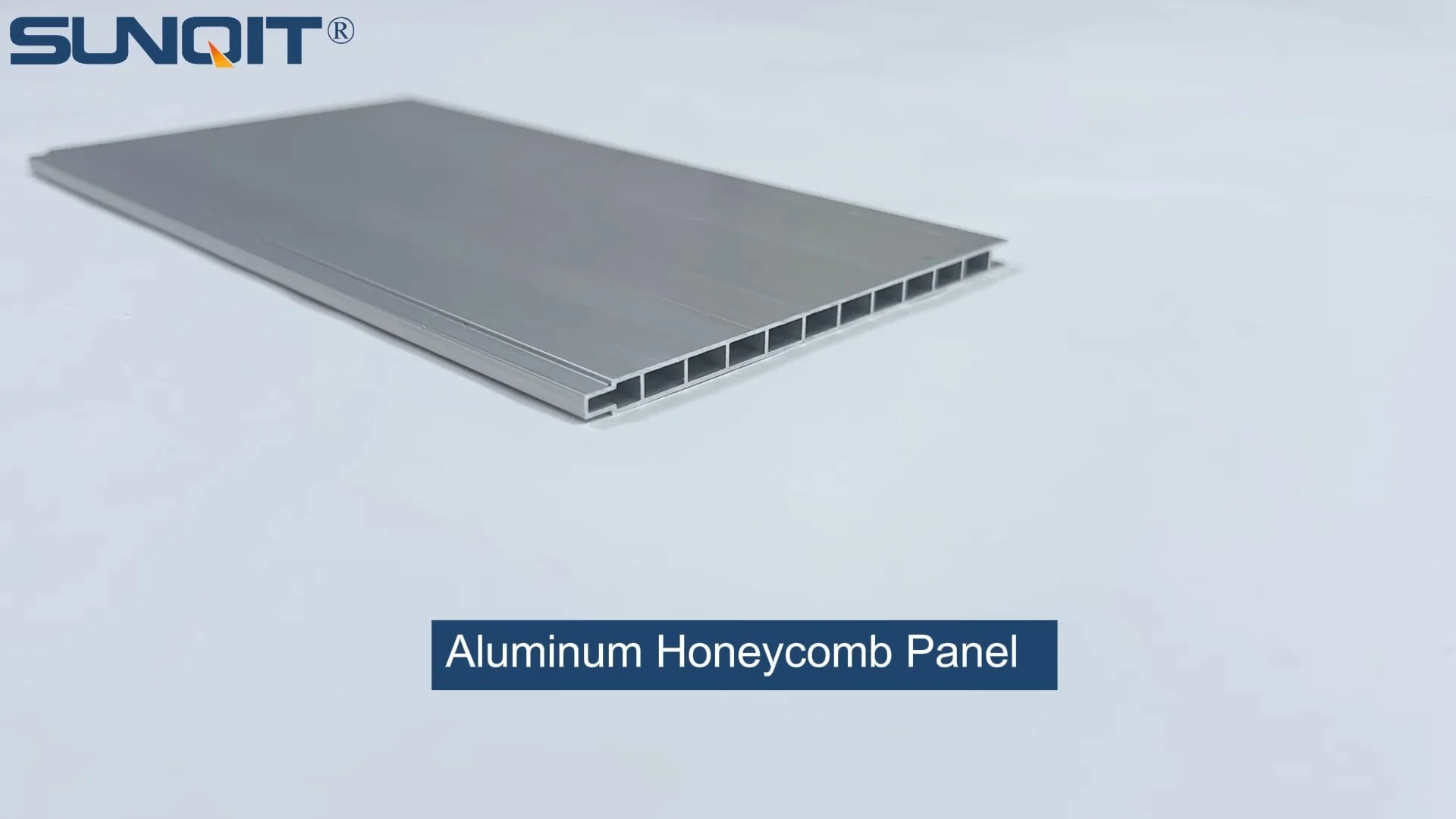
Aluminum Honeycomb Panel
Aluminum honeycomb panel used as table top, side wall, it is connected one pcs by one pcs from the side slot to make a full pieces.This panel width 105mm, 55mm, 35mm are optional for slection.
Picture this: A (precision) surgical laser, fresh off the production line, is loaded onto a truck bound for a hospital 500 miles away. Its journey will involve bumpy roads, sudden stops, temperature swings, and the occasional rough handling by warehouse staff. By the time it arrives, this device needs to be in perfect working order—ready to assist in a life-saving procedure. But here's the thing: No matter how advanced the technology inside that laser is, its ability to make a difference hinges on one often-overlooked factor: the packaging that protects it during transit.
For medical device manufacturers, shipping isn't just about moving products from Point A to Point B. It's about safeguarding investments, ensuring patient safety, and maintaining the integrity of sterile or sensitive components. In an industry where even a tiny scratch on a sensor or a jolt to a circuit board can render a device useless, the right packaging isn't a luxury—it's a necessity. And in recent years, one material has emerged as a game-changer in this space: aluminum honeycomb panels. Let's dive into why these unassuming panels are becoming the backbone of reliable medical device shipping.
The Stakes: Why Medical Device Shipping Is Unlike Any Other
Medical devices aren't your average cargo. They're often delicate, expensive, and mission-critical. A diagnostic ultrasound machine might contain fragile transducers; a pacemaker programmer could have sensitive microchips; a sterile surgical instrument set needs to arrive with its packaging intact to maintain sterility. Any damage during shipping can lead to delays in patient care, costly repairs, or even regulatory issues if sterility is compromised.
To make matters trickier, the shipping environment is rarely gentle. Let's break down the challenges:
- Vibrations: Trucks, trains, and planes generate constant vibrations. Over hours (or days) of transit, these tiny, repetitive movements can loosen screws, damage solder joints, or misalign internal components—especially in devices with moving parts.
- Impacts: Even with careful handling, packages get dropped, bumped, or stacked unevenly. A 2-foot fall onto a concrete floor might seem minor, but for a device with a glass display or a precision motor, it could be catastrophic.
- Temperature & Humidity Swings: A truck parked in the sun in summer can reach internal temperatures of 140°F; a winter shipment through a snowstorm might dip below freezing. Moisture from rain or condensation can seep into packages, causing corrosion or mold growth on metal parts.
- Weight & Efficiency: Heavier packaging means higher shipping costs (more fuel, fewer units per truck) and increased risk of injury for handlers. It also clashes with the industry's push toward sustainability—no one wants to ship a 50-pound crate for a 10-pound device.
For decades, manufacturers relied on tried-and-true materials to combat these issues: expanded foam, thick cardboard, or wooden crates. But each has its flaws. Foam compresses over time, losing its cushioning power. Cardboard is cheap but offers little structural support. Wood is strong but heavy, prone to splintering, and tough to recycle. It was time for something better—and that's where aluminum honeycomb panels stepped in.
Aluminum Honeycomb Panels: The "Secret Sauce" of Modern Packaging
At first glance, aluminum honeycomb panels might look like nothing more than thin sheets of metal. But their magic lies in their structure. Imagine two thin, rigid aluminum skins (often made from aluminum extrusion profiles for added strength) sandwiching a lightweight core shaped like a honeycomb. This core, typically made of aluminum or high-strength paper, is composed of thousands of hexagonal cells—think of a beehive scaled down to fit between two metal sheets.
Why hexagons? Nature has already figured this out: hexagonal structures are inherently strong. They distribute weight evenly, resist bending, and absorb energy efficiently. When force is applied to the panel, the honeycomb core crumples in a controlled way, dissipating the impact rather than transferring it to the contents inside. It's like having a built-in shock absorber that never wears out.
But the benefits don't stop there. Let's unpack the protective properties that make these panels ideal for medical device shipping:
1. Impact Resistance: Your Device's First Line of Defense
When a package is dropped or hit, the goal is to stop the impact from reaching the device. Aluminum honeycomb panels excel here. The hexagonal cells act like tiny energy sponges: as the panel flexes, the cells collapse incrementally, absorbing shock before it can penetrate the inner packaging. In lab tests, these panels have been shown to withstand impacts of up to 50 Gs (that's 50 times the force of gravity)—more than enough to protect even the most delicate devices from real-world shipping hazards.
Take, for example, a portable X-ray machine. Its digital detector is sensitive to sudden shocks, which can misalign its imaging sensors. Wrapping the detector in a case lined with aluminum honeycomb panels ensures that even if the case is dropped from waist height, the detector inside remains unharmed. The panels take the hit, so the device doesn't have to.
2. Vibration Dampening: Keeping the Peace (and the Parts) During Transit
Vibrations are the silent enemy of medical devices. Over time, they can loosen connections, wear down moving parts, or disrupt calibration. Aluminum honeycomb panels counteract this by acting as a "vibration barrier." The honeycomb core's flexibility allows it to absorb and disperse vibrational energy, preventing it from resonating through the package. Think of it like placing a soft mat under a washing machine—suddenly, the noise (and movement) is reduced.
For devices like infusion pumps, which rely on precise motor movements to deliver medication, this is critical. A pump that's jostled for hours might start delivering inconsistent doses, putting patients at risk. With honeycomb panel packaging, vibrations are kept to a minimum, ensuring the pump arrives calibrated and ready to use.
3. Thermal Insulation: A Stable Environment, No Matter the Weather
Aluminum is a natural reflector of heat, and the air pockets within the honeycomb core act as insulators. Together, they create a barrier that slows down heat transfer, helping maintain a stable internal temperature inside the package. This is a game-changer for devices that need to stay within a narrow temperature range—think of a portable defibrillator with lithium-ion batteries, which can degrade if exposed to extreme heat or cold.
Unlike foam, which can lose insulating properties when compressed, the honeycomb structure retains its shape and thermal efficiency over time. Even during multi-day shipments through varying climates, the temperature inside an aluminum honeycomb package stays steady—no more worrying about a device overheating in a summer truck or freezing in a winter cargo hold.
4. Moisture Resistance: Keeping Water (and Mold) at Bay
Moisture is the enemy of metal components, circuit boards, and sterile packaging. Cardboard soaks up water like a sponge; wood can warp or grow mold; even foam can trap condensation. Aluminum honeycomb panels, however, are inherently moisture-resistant. The aluminum skins are non-porous, so water can't seep through, and the core (if made of aluminum) won't absorb moisture. This makes them ideal for shipments that might encounter rain, high humidity, or accidental spills.
Consider a shipment of sterile surgical trays. Their packaging must remain intact to prevent contamination. With aluminum honeycomb panels forming the outer crate, rain or condensation during transit won't compromise the sterile barrier—keeping the trays safe for use in the operating room.
5. Lightweight Strength: Less Weight, More Efficiency
Here's the kicker: Despite their durability, aluminum honeycomb panels are surprisingly lightweight. Compared to wooden crates (which can add 20-30 pounds to a shipment) or solid metal enclosures, honeycomb panels cut weight by up to 60%. This isn't just about reducing shipping costs (though that's a big plus). Lighter packages are easier to handle, lowering the risk of back injuries for warehouse staff. They also allow manufacturers to fit more devices per truck, reducing carbon emissions and aligning with sustainability goals.
For example, a company shipping 100 diagnostic monitors a month might switch from wooden crates (25 lbs each) to honeycomb panel cases (10 lbs each). That's a total weight reduction of 1,500 lbs per month—translating to lower fuel costs, fewer trucks on the road, and happier logistics teams.

How Do They Stack Up? A Comparison of Packaging Materials
To truly appreciate the value of aluminum honeycomb panels, let's compare them to other common packaging materials. The table below breaks down key factors like impact resistance, weight, and sustainability:
| Material | Impact Resistance | Weight (for equivalent protection) | Thermal Insulation | Reusability | Environmental Impact |
|---|---|---|---|---|---|
| Aluminum Honeycomb Panels | High (controlled collapse absorbs energy) | Low (60% lighter than wood) | High (reflective skins + air-pocket core) | High (can be reused 50+ times) | Low (100% recyclable aluminum) |
| Expanded Polystyrene Foam | Medium (compresses over time) | Low | Medium (air pockets insulate but degrade) | Low (single-use, prone to tearing) | High (non-biodegradable, hard to recycle) |
| Plywood Crates | High (rigid but heavy) | Very High (adds significant shipping weight) | Low (wood conducts heat) | Medium (can warp or splinter after 5-10 uses) | Medium (sustainable if sourced responsibly, but heavy shipping = higher emissions) |
| Corrugated Cardboard | Low (easily crushed) | Low | Very Low (no insulation properties) | Very Low (single-use, water-sensitive) | Low (recyclable but requires frequent replacement) |
As the table shows, aluminum honeycomb panels outperform traditional materials in nearly every category—especially when it comes to balancing strength, weight, and sustainability. It's no wonder that companies like Medtronic, Siemens Healthineers, and Stryker have started integrating them into their shipping processes.

Beyond Shipping: How Aluminum Honeycomb Panels Support Lean Systems
Medical device manufacturers are increasingly adopting lean system principles—focusing on reducing waste, improving efficiency, and streamlining processes. Aluminum honeycomb panels align perfectly with this mindset. Their lightweight design cuts down on handling time and labor costs; their reusability eliminates the need for constant repurchasing of single-use materials; and their durability reduces the waste generated by damaged shipments.
Consider a manufacturer that previously used foam packaging for its insulin pumps. Each shipment required custom-cut foam inserts, which took time to produce and generated a lot of scrap. By switching to aluminum honeycomb panel cases with adjustable dividers, they eliminated foam waste, reduced packaging time by 40%, and could reuse the cases for return shipments of defective devices. It's a small change that adds up to big wins for both the bottom line and the environment.
Looking Ahead: The Future of Medical Device Packaging
As medical devices become more advanced—and more delicate—the demand for smarter packaging will only grow. We're already seeing innovations like honeycomb panels with integrated sensors that track temperature, humidity, and shock during transit, giving manufacturers real-time data on their shipments. There's also ongoing research into combining honeycomb structures with other materials, like carbon fiber, to create even lighter, stronger panels.
But even without these bells and whistles, aluminum honeycomb panels are already proving their worth. They're not just a packaging material—they're a promise. A promise that the device inside will arrive as intended: safe, functional, and ready to make a difference.
Final Thoughts: Protecting What Matters Most
At the end of the day, medical device shipping is about more than boxes and bubble wrap. It's about trust. Hospitals trust manufacturers to deliver reliable products; manufacturers trust their packaging to protect those products; and patients trust that the devices used in their care will work when needed. Aluminum honeycomb panels are helping build that trust, one shipment at a time.
So the next time you see a truck loaded with medical equipment, spare a thought for the unsung hero keeping those devices safe: the humble aluminum honeycomb panel. It may not have the flash of a cutting-edge scanner or the precision of a surgical robot, but without it, none of that technology would ever get to where it's needed most.