- Company Articles
- Products and Technology
- Product knowledge
- Medical Device Packaging: Why Stainless Steel Swivel Roller Balls 1 Inch Are Preferred

Medical Device Packaging: Why Stainless Steel Swivel Roller Balls 1 Inch Are Preferred
Related Product
Stainless Steel Swivel Roller Balls 1 Inch
Swivel roller ball casters are convenient and flexible to roll,high-speed and stable operation, used for rotating and changing the direction of the conveyor.Ball transfer unit is made of high quality carbon steel, anti-corrosion and wear resistance.
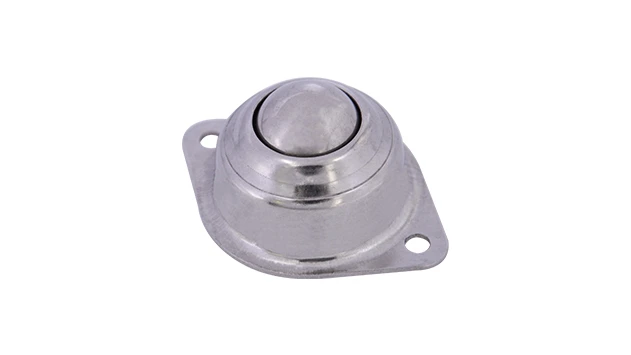
When it comes to medical device packaging, every component matters. From the smallest screw to the largest conveyor belt, each part plays a role in ensuring that sensitive medical equipment—think surgical tools, diagnostic devices, or implantable devices—reaches its destination intact, sterile, and ready for use. Among these components, one yet critical part often stands out: the swivel roller ball. And in the medical field, the 1 inch stainless steel swivel roller ball has become the go-to choice for professionals. But why? Let's dive into the details.
The Unique Demands of Medical Device Packaging
Medical device packaging isn't just about putting a product in a box. It's a complex process that involves handling items that are often precision-engineered, highly sensitive to contamination, and sometimes even life-saving . Unlike consumer goods, a single mistake in packaging or transportation can have serious consequences—compromised sterility, damaged equipment, or delayed medical procedures. That's why the tools and systems used in medical packaging must meet incredibly high standards.
Consider this: a typical medical device assembly line might process items like MRI machine components, which are heavy yet delicate, or tiny pacemaker parts that require micron-level precision. During packaging, these items need to be moved smoothly, without jostling, and in an environment that's easy to clean and sanitize. They also need to be handled in a way that minimizes static electricity (ESD protection) to avoid damaging electronic components. Add to that the need for compliance with strict regulations like ISO 13485 and FDA guidelines, and it's clear: the equipment used here can't be "one-size-fits-all."
Stainless Steel: The Material of Choice for Medical Environments
First, let's talk about material. Why stainless steel? In medical settings, where cleanliness is non-negotiable, the material of your roller balls can make or break compliance. Stainless steel brings three key advantages:
- Corrosion Resistance : Medical packaging areas are frequently cleaned with harsh disinfectants and sanitizers. Stainless steel resists rust and chemical damage, ensuring the roller balls stay functional even after repeated exposure to these agents. Unlike plastic or regular steel, which might degrade or harbor bacteria in cracks, stainless steel maintains its integrity over time.
- Easy to Clean : Smooth, non-porous stainless steel surfaces leave no room for dirt, grime, or bacteria to hide. A quick wipe with a disinfectant cloth is often enough to meet sterility standards—critical in environments where cross-contamination is a constant risk.
- Durability : Medical device production lines run long hours, and equipment needs to keep up. Stainless steel roller balls can withstand heavy loads and continuous use without warping or wearing down, reducing the need for frequent replacements.
Plastic roller balls, while cheaper, often fall short here. They can scratch easily, creating crevices for bacteria, and may not hold up to the weight of heavier medical devices. Regular steel, on the other hand, is prone to rust—hardly ideal when you're dealing with sterile equipment.

Why 1 Inch? The Engineering Behind the Size
Now, let's get to the size: 1 inch. You might wonder, why not 0.5 inch or 1.5 inch? The answer lies in balancing functionality, load capacity, and practicality—especially in medical packaging workflows.
A 1 inch diameter hits the sweet spot for several reasons. First, load capacity . Medical devices, even small ones, can be surprisingly heavy. A 1 inch roller ball distributes weight more evenly than a smaller 0.5 inch ball, reducing the risk of indentation or damage to the device's packaging. For example, a surgical instrument tray weighing 20-30 pounds needs stable support—something a 1 inch ball handles with ease, whereas a smaller ball might sink or cause the tray to tilt.
Second, rolling efficiency . Larger roller balls (within reason) roll more smoothly over surfaces, reducing friction. This is crucial when moving delicate items—less friction means less jostling, which in turn reduces the risk of internal damage to sensitive components like circuit boards in diagnostic devices. Imagine pushing a cart with 0.5 inch plastic balls versus 1 inch stainless steel balls: the latter glides, while the former might stick or jerk, especially with heavier loads.
Third, compatibility . Medical packaging lines often use modular systems, like lean pipe workbenches and flow racks , to adapt to changing needs. A 1 inch roller ball fits seamlessly with these systems. It's large enough to work with standard aluminum profiles and roller tracks, yet not so large that it complicates the design of compact workstations. This flexibility is key in medical facilities where space is often limited, and workflows need to be adaptable.

How 1 Inch Stainless Steel Roller Balls Compare to Other Options
To really see why 1 inch stainless steel roller balls stand out, let's compare them to other common options in the market. The table below breaks down the key factors that matter in medical device packaging:
| Feature | 1 Inch Stainless Steel Swivel Roller Balls | 0.5 Inch Plastic Swivel Roller Balls | 1.5 Inch Regular Steel Roller Balls |
|---|---|---|---|
| Corrosion Resistance | Excellent (resists disinfectants, rust-proof) | Poor (may degrade with harsh chemicals) | Poor (prone to rust in moist environments) |
| Load Capacity | High (supports 50-70 lbs per ball) | Low (supports 10-20 lbs per ball) | High (supports 60-80 lbs per ball) |
| Cleanability | Easy (smooth, non-porous surface) | Difficult (may harbor bacteria in scratches) | Moderate (requires regular rust prevention) |
| Rolling Smoothness | Very High (low friction, consistent movement) | Low (prone to sticking, uneven rolling) | High (but heavier, may cause over-rolling) |
| ESD Protection | Good (can be treated for static control) | Variable (depends on plastic type) | Poor (conducts electricity, no ESD features) |
| Cost Over Time | Low (durable, minimal replacements) | High (frequent replacements needed) | Moderate (rust requires periodic replacement) |
As you can see, 1 inch stainless steel roller balls excel in the areas that matter most for medical device packaging: durability, cleanliness, and performance. They might have a slightly higher upfront cost than plastic balls, but their longevity and reliability make them a smarter investment in the long run—especially when the cost of damaged medical equipment is factored in.
Working in Tandem: Roller Balls and the Lean System
In medical manufacturing, efficiency and adaptability are key. That's where lean systems come into play. Lean principles focus on minimizing waste, maximizing value, and continuous improvement—all critical in an industry where time and precision are of the essence. 1 inch stainless steel swivel roller balls fit perfectly into this framework, working alongside other lean components to create seamless workflows.
Take lean pipe workbenches , for example. These modular workstations are designed to be flexible, allowing teams to reconfigure them as production needs change. By integrating 1 inch stainless steel roller balls into the workbench's surface or adjacent flow racks, operators can easily slide heavy device trays from one station to the next, reducing manual lifting and the risk of injury. This not only speeds up the packaging process but also ensures that devices are handled consistently—no more dropped trays or uneven movement.
Then there are flow racks , which are essential for organizing and storing medical device components. When equipped with 1 inch stainless steel roller balls, these racks allow packages to "flow" smoothly from the back to the front, ensuring first-in-first-out (FIFO) inventory management. In a busy medical packaging facility, this means less time searching for items and more time focusing on quality control. Plus, the smooth rolling action reduces the risk of packages getting stuck or damaged as they move—critical for maintaining sterility and product integrity.
Even in automated systems, like conveyors, 1 inch stainless steel roller balls play a role. They're often used in conjunction with belt or chain conveyors to provide additional support for heavy loads, ensuring that devices move evenly and don't shift during transport. And because they're compatible with standard aluminum profiles and connectors, they're easy to integrate into existing systems without major overhauls—another win for lean efficiency.
Real-World Example: A Medical Device Manufacturer's Success Story
Let's look at a real scenario to understand the impact of choosing the right roller balls. A mid-sized medical device manufacturer was struggling with damaged products during the packaging phase. They were using 0.5 inch plastic roller balls on their flow racks and workbenches, and they noticed two issues: frequent jamming when moving heavy device cases, and occasional scratches on sterile packaging due to rough rolling. Worse, the plastic balls were degrading after repeated cleaning with industrial disinfectants, leading to constant replacements.
After consulting with a lean solution provider, they switched to 1 inch stainless steel swivel roller balls. The results were immediate: jamming decreased by 90%, packaging scratches dropped to near zero, and the need for replacements fell by 75%. The team also noted that the stainless steel balls were easier to clean, which helped them pass their next FDA audit with flying colors. "It was a small change, but it made a huge difference in our daily operations," said the facility's operations manager. "We're now considering upgrading all our workstations and flow racks to use these roller balls."
Sustainability and Long-Term Value
In today's world, sustainability isn't just a buzzword—it's a business imperative, even in medical manufacturing. Healthcare facilities and device makers are under increasing pressure to reduce waste and minimize their environmental footprint. Here again, 1 inch stainless steel swivel roller balls shine.
Stainless steel is 100% recyclable, and its durability means these roller balls can be reused for years—even decades—with minimal maintenance. Compare that to plastic balls, which often end up in landfills after a few months of use, or regular steel balls that rust and need to be replaced. By choosing stainless steel, medical facilities reduce their waste output and lower their long-term costs.
Additionally, the compatibility of 1 inch stainless steel roller balls with modular lean systems aligns with the "reusable, continuously improvable" ethos of lean manufacturing. Instead of replacing entire workstations or racks when needs change, teams can simply reconfigure the existing system—adding or moving roller balls as required. This not only saves money but also reduces the environmental impact of manufacturing new equipment.
Final Thoughts: Why the 1 Inch Stainless Steel Swivel Roller Ball Is a Medical Packaging Essential
At the end of the day, the choice of roller balls in medical device packaging comes down to one thing: reliability. Medical professionals need tools they can trust—tools that won't fail, won't compromise sterility, and won't slow down production. 1 inch stainless steel swivel roller balls deliver on all these fronts.
They're corrosion-resistant, easy to clean, and durable enough to handle the demands of 24/7 medical manufacturing. Their size balances load capacity and rolling efficiency, making them ideal for moving heavy, delicate devices. They work seamlessly with lean systems like pipe workbenches and flow racks, enhancing efficiency and reducing waste. And they're sustainable, aligning with the industry's push for greener practices.
So the next time you walk through a medical device packaging facility, take a closer look at the equipment. Chances are, you'll spot those 1 inch stainless steel swivel roller balls hard at work—quietly ensuring that the medical devices we rely on reach us safely, sterile, and ready to save lives. In a field where every detail matters, they're not just a component—they're a critical part of the solution.