- Company Articles
- Products and Technology
- Product knowledge
- Medical Device Production: 1.2mm Stainless Steel Pipe for Cleanroom Workstations

Medical Device Production: 1.2mm Stainless Steel Pipe for Cleanroom Workstations
Related Product
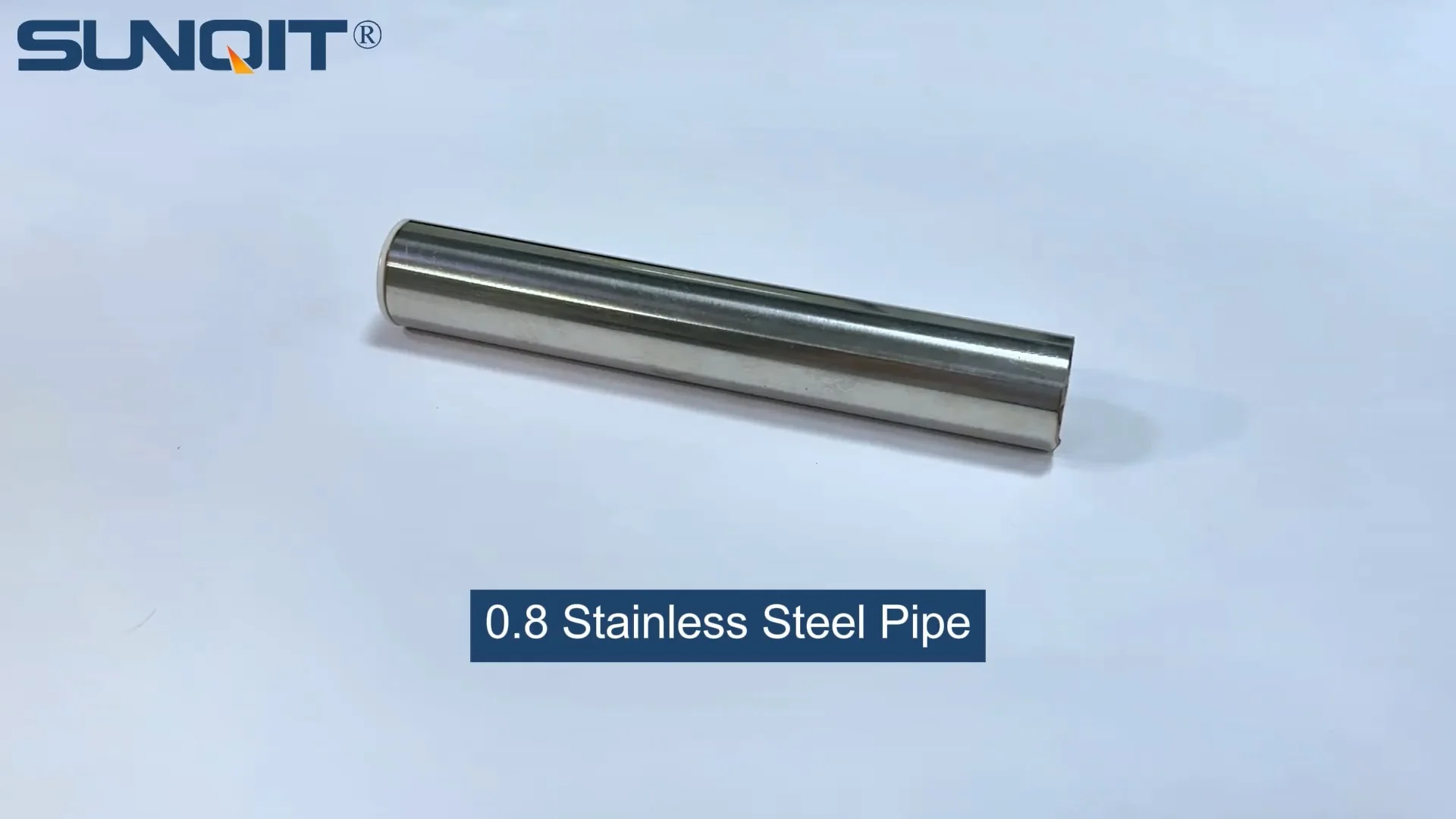
1.2mm Stainless Steel Pipe
Stainless steel pipe, lean pipe, diameter is 28mm, material is SS201 or SS304, SS201 is normally used in the market. It knows a KARAKURI, KAIZEN material for industrial plant to improve efficiency, save labor cost, standard management.
Walk into any modern medical device production cleanroom, and you'll notice a symphony of precision: technicians in sterile gowns, automated machines humming softly, and workstations that seem almost tailor-made for the delicate tasks at hand. These workstations aren't just pieces of furniture—they're the silent backbone of a process where even the smallest error can compromise patient safety. In this high-stakes environment, every component matters, right down to the materials that build those workstations. Today, we're diving into one unsung hero of cleanroom efficiency: the 1.2mm stainless steel pipe. It's a material that balances strength, hygiene, and adaptability, making it indispensable for the workbenches, racks, and flow systems that keep medical device production running smoothly.
The Backbone of Cleanroom Efficiency: Workstations That Keep Up
In medical device manufacturing, cleanrooms aren't just about "being clean"—they're about maintaining
controlled
environments. Particulate matter, moisture, and even static electricity can ruin a batch of surgical instruments or diagnostic tools. That's why workstations here need to do more than hold tools; they must resist corrosion from frequent sanitization, prevent bacterial growth, and stand up to the daily wear of precision work.
Traditional workbenches, often made of wood or generic steel, fall short. Wood absorbs moisture and harbors microbes; standard steel rusts when exposed to harsh cleaning agents. For medical device producers, this isn't just a maintenance headache—it's a compliance risk. Enter the 1.2mm stainless steel pipe: a material designed to thrive where other materials fail. But why 1.2mm, specifically? It's a sweet spot of thickness: thin enough to keep workstations lightweight and adaptable, yet strong enough to support heavy equipment like microscopes, torque wrenches, and component trays. In cleanrooms where every inch of space counts, this balance is game-changing.
Why 1.2mm Stainless Steel Pipe Stands Out in Cleanroom Design
Stainless steel has long been a staple in healthcare settings, but the 1.2mm variant brings unique advantages to medical device production. Let's break it down:
Hygiene First, Always
Medical device cleanrooms demand surfaces that can withstand aggressive cleaning protocols—think daily wipe-downs with alcohol, hydrogen peroxide, or even steam. 1.2mm stainless steel pipe, part of the broader stainless steel pipe series , boasts a non-porous surface that leaves no room for bacteria, mold, or residue to hide. Unlike aluminum or plastic, it doesn't scratch easily, which means fewer crevices for contaminants to linger. For a facility producing pacemakers, catheters, or surgical implants, this isn't just a "nice-to-have"—it's a regulatory requirement. Strength Without the Bulk
At 1.2mm, this pipe strikes a rare balance: it's rigid enough to support the weight of heavy tools and components, yet lightweight enough to allow for modular workstation designs. Medical device production lines are rarely static; as new products are developed or workflows optimized, workstations need to adapt. A 1.2mm stainless steel frame can be reconfigured with minimal effort, using simple joints and connectors, without sacrificing stability. Imagine a workstation that starts as a single assembly bench for syringe components, then evolves into a multi-tiered rack for storing sterile packaging—all without replacing the core structure. That's the flexibility 1.2mm stainless steel enables. Resistance to the Elements
Cleanrooms are harsh environments. Temperature fluctuations, humidity control systems, and frequent exposure to chemicals (like disinfectants) can take a toll on lesser materials. Stainless steel, however, is inherently corrosion-resistant, thanks to its chromium content, which forms a protective oxide layer. This means the 1.2mm pipes in your workstation won't rust, warp, or degrade over time—even in facilities that clean surfaces multiple times a day. For manufacturers, this translates to lower replacement costs and fewer production disruptions.
Medical device cleanrooms demand surfaces that can withstand aggressive cleaning protocols—think daily wipe-downs with alcohol, hydrogen peroxide, or even steam. 1.2mm stainless steel pipe, part of the broader stainless steel pipe series , boasts a non-porous surface that leaves no room for bacteria, mold, or residue to hide. Unlike aluminum or plastic, it doesn't scratch easily, which means fewer crevices for contaminants to linger. For a facility producing pacemakers, catheters, or surgical implants, this isn't just a "nice-to-have"—it's a regulatory requirement. Strength Without the Bulk
At 1.2mm, this pipe strikes a rare balance: it's rigid enough to support the weight of heavy tools and components, yet lightweight enough to allow for modular workstation designs. Medical device production lines are rarely static; as new products are developed or workflows optimized, workstations need to adapt. A 1.2mm stainless steel frame can be reconfigured with minimal effort, using simple joints and connectors, without sacrificing stability. Imagine a workstation that starts as a single assembly bench for syringe components, then evolves into a multi-tiered rack for storing sterile packaging—all without replacing the core structure. That's the flexibility 1.2mm stainless steel enables. Resistance to the Elements
Cleanrooms are harsh environments. Temperature fluctuations, humidity control systems, and frequent exposure to chemicals (like disinfectants) can take a toll on lesser materials. Stainless steel, however, is inherently corrosion-resistant, thanks to its chromium content, which forms a protective oxide layer. This means the 1.2mm pipes in your workstation won't rust, warp, or degrade over time—even in facilities that clean surfaces multiple times a day. For manufacturers, this translates to lower replacement costs and fewer production disruptions.

Beyond the Pipe: Building a Lean, Clean Workspace
A workstation is more than just a frame; it's part of a larger ecosystem designed to minimize waste and maximize efficiency. This is where the concept of "lean manufacturing" meets cleanroom practicality—and where 1.2mm stainless steel pipe truly shines when paired with the right systems.
Take the
lean pipe workbench
, for example. These workbenches are built using modular components, often starting with a stainless steel pipe frame, that can be customized with shelves, tool holders, or conveyor tracks. In medical device production, where every second counts, a lean pipe workbench ensures that tools and materials are within arm's reach, reducing unnecessary movement and cutting down on assembly time. A technician assembling a surgical stapler shouldn't have to walk across the room to grab a torque driver—and with a well-designed lean workstation, they don't have to.
But building such a system requires more than just pipes; it requires a partner who understands both lean principles and cleanroom standards. A reliable
lean system supplier
won't just sell you components—they'll work with your team to design a workstation that aligns with your specific workflow. Maybe you need integrated ESD (electrostatic discharge) protection for sensitive electronics, or adjustable height settings to accommodate ergonomic needs. A 1.2mm stainless steel frame serves as the perfect canvas for these customizations, ensuring the final workstation is both efficient and compliant.

A Closer Look: How 1.2mm Stainless Steel Compares
To truly appreciate why 1.2mm stainless steel pipe is the go-to for cleanroom workstations, let's compare it to other common materials:
| Material | Hygiene Performance | Durability | Customization Flexibility | Best For |
|---|---|---|---|---|
| 1.2mm Stainless Steel (Stainless Steel Pipe Series) | Non-porous, easy to sanitize, no bacterial retention | Highly corrosion-resistant; lasts 10+ years with minimal maintenance | Modular with simple joints; reconfigurable for evolving workflows | Cleanrooms, sterile production lines, high-regulation environments |
| Aluminum Pipe | Good, but prone to scratching; may require coatings for full hygiene | Lightweight but less rigid; may bend under heavy loads | Moderate; limited by lower weight capacity | Light-duty assembly, non-sterile packaging areas |
| Plastic-Coated Lean Pipe | Porous coating can trap residue; not ideal for frequent chemical cleaning | Coating may chip or peel over time; inner metal prone to rust if exposed | Highly flexible, but less durable for long-term use | Low-cost, temporary workflows, non-critical environments |
The table tells a clear story: for medical device cleanrooms, 1.2mm stainless steel pipe outperforms alternatives in the areas that matter most. It's not just about meeting today's needs—it's about future-proofing your workspace against stricter regulations, evolving production demands, and the uncompromising standards of patient safety.
Choosing the Right Partner: Why the Supplier Matters
Investing in 1.2mm stainless steel pipe for your cleanroom workstations is a decision that pays dividends, but only if you source it from a trusted
lean system supplier
. Not all suppliers are created equal, and in medical device production, cutting corners on materials can have serious consequences.
A reliable supplier will offer more than just pipes; they'll provide expertise. They should understand the nuances of cleanroom certification (like ISO 13485) and be able to recommend the right components—from anti-static joints to corrosion-resistant fasteners—to keep your workstation compliant. They'll also stand behind their products, offering warranties and support if issues arise.
Look for a supplier with a track record in medical manufacturing. Do they work with other device producers? Can they share case studies of how their stainless steel pipe systems improved workflow or reduced contamination risks? A partner who takes the time to learn your specific challenges—whether it's designing a workstation for micro-assembly or integrating with automated conveyor systems—will be an asset, not just a vendor.
The Future of Cleanroom Workstations: Built to Last, Built to Adapt
As medical device technology advances, so too will the demands on production environments. Tomorrow's cleanrooms may see more automation, stricter contamination controls, and even smaller, more intricate components. Through it all, the 1.2mm stainless steel pipe will remain a constant—reliable, adaptable, and essential.
It's a material that embodies the spirit of medical device manufacturing itself: precision, durability, and an unwavering commitment to quality. Whether you're assembling a life-saving device or optimizing a production line, the right workstation can make all the difference. And at the heart of that workstation? A simple, unassuming pipe that does its job quietly, so you can focus on what matters most: creating products that improve and save lives.
In the world of medical device production, every detail counts. From the smallest component to the structure of the workbench it's assembled on, excellence is non-negotiable. The 1.2mm stainless steel pipe, part of the stainless steel pipe series, isn't just a building material—it's a foundation for safety, efficiency, and innovation. And when paired with a trusted lean system supplier and a well-designed lean pipe workbench, it becomes more than that: it's a tool for progress, helping manufacturers meet the challenges of today and tomorrow.