- Company Articles
- Products and Technology
- Product knowledge
- Medical Device Production: Sterility & Strength with Aluminum Honeycomb Panels

Medical Device Production: Sterility & Strength with Aluminum Honeycomb Panels
Related Product
Aluminum Honeycomb Panel
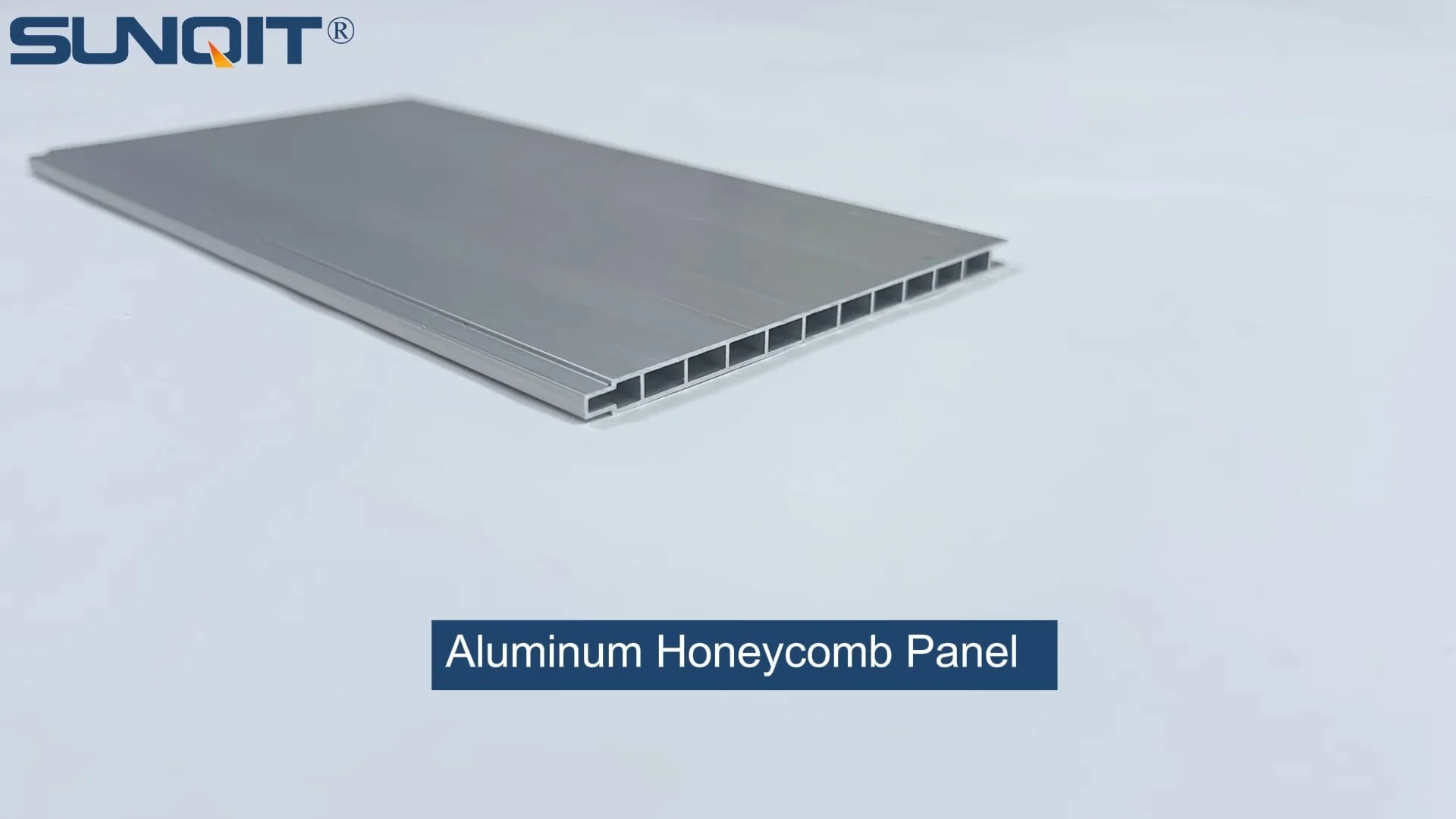
Aluminum honeycomb panel used as table top, side wall, it is connected one pcs by one pcs from the side slot to make a full pieces.This panel width 105mm, 55mm, 35mm are optional for slection.
In the world of medical device manufacturing, precision isn't just a goal—it's a lifeline. Every tool, every surface, and every process plays a role in creating products that can mean the difference between health and harm, life and death. From intricate surgical instruments to life-sustaining pacemakers, the stakes are impossibly high. That's why manufacturers don't just look for equipment that works; they seek solutions that elevate reliability, ensure sterility, and streamline efficiency. Today, one material is quietly revolutionizing how these facilities operate: aluminum honeycomb panels. More than just a surface, these panels are a bridge between the rigorous demands of medical production and the need for adaptable, future-ready workspaces. Let's dive into how they're reshaping the industry, one sterile, sturdy workbench at a time.
The Hidden Challenges of Medical Device Manufacturing
Walk into any medical device production floor, and you'll immediately sense the tension between two critical priorities: control and flexibility. On one hand, the environment must be meticulously controlled—sterile, free of contaminants, and stable enough to prevent even the smallest deviations in product quality. On the other hand, the industry is constantly evolving. New devices are developed, production lines reconfigured, and regulations updated, requiring facilities to adapt without sacrificing compliance. These dual demands create a unique set of challenges that traditional workbench materials and systems often struggle to meet.
Take sterility, for example. Medical devices, particularly those used in surgeries or implanted in the body, must be produced in environments where bacteria, dust, and other pathogens are virtually nonexistent. Surfaces that harbor grime, absorb liquids, or develop microscopic cracks over time become breeding grounds for contamination—a risk no manufacturer can afford. Then there's strength: production floors aren't gentle. Heavy equipment, constant foot traffic, and the repetitive placement of tools and components mean work surfaces must withstand daily wear without warping, chipping, or losing structural integrity. A warped workbench, for instance, could throw off the alignment of precision parts, leading to defective devices.
Add to this the need for electrostatic discharge (ESD) protection. Many medical devices include sensitive electronics—circuitry that can be fried by a single static spark. Without proper ESD safeguards, even a small electrostatic charge could render a pacemaker or diagnostic tool useless. And let's not forget efficiency. In an industry where time-to-market and cost control are critical, lean manufacturing principles reign supreme. Workspaces must minimize waste, optimize workflow, and allow for quick reconfiguration as production needs change. Rigid, heavy, or hard-to-clean systems slow down processes and eat into profit margins.
For years, manufacturers patched together solutions: wood workbenches with laminate tops (easy to clean but prone to water damage), solid steel surfaces (strong but impossibly heavy), or plastic composites (lightweight but lacking durability). None checked all the boxes. That is, until aluminum honeycomb panels emerged as a viable alternative. These panels aren't just a material upgrade—they're a holistic solution designed to address the unique pain points of medical device production. Let's unpack what makes them so special.
Aluminum Honeycomb Panels: A Closer Look at the Technology
At first glance, an aluminum honeycomb panel might look like any other flat surface. But peer closer, and you'll discover a marvel of engineering. The design is inspired by nature's own efficiency: the hexagonal honeycomb structure found in beehives, which maximizes strength while minimizing material use. In aluminum honeycomb panels, this structure is recreated with precision: a core of lightweight, hexagonal aluminum cells sandwiched between two thin, rigid aluminum face sheets. The result? A material that's surprisingly lightweight yet astoundingly strong—properties that make it ideal for medical manufacturing.
Let's break down the science. The honeycomb core acts as a reinforcement grid, distributing weight and stress evenly across the entire panel. When pressure is applied—say, from a heavy piece of diagnostic equipment or a technician leaning on the edge—the force is spread through the hexagonal cells, preventing localized stress points that could cause bending or breaking. This is why aluminum honeycomb panels can support loads up to 1,000 pounds per square foot while weighing up to 60% less than solid aluminum or steel of the same thickness. For medical facilities, this translates to workbenches and workstations that are easy to move (for reconfiguration) but rock-solid when in use.
But strength and weight are just the start. The aluminum face sheets are non-porous, meaning they don't absorb liquids, oils, or chemicals. Wipe them down with disinfectants like isopropyl alcohol or hydrogen peroxide, and they clean easily without stains or residue. Unlike wood, which can swell with moisture, or laminate, which can peel at the edges, aluminum resists corrosion and maintains its integrity even with daily exposure to harsh cleaning agents. This is a game-changer for sterility: no cracks for bacteria to hide in, no porous surfaces to harbor pathogens, and a surface that can be sanitized quickly between shifts or product runs.
ESD protection is another built-in advantage. Aluminum is a conductive material, which means it can be grounded to dissipate static electricity safely. By integrating aluminum honeycomb panels into ESD workstations, manufacturers create surfaces that prevent static buildup, protecting sensitive electronics from damage. This is critical for devices like implantable defibrillators or MRI machine components, where even minor electrical interference can compromise functionality.
Thermal stability is yet another benefit. Medical device production often involves temperature-controlled environments, and work surfaces that expand or contract with heat can throw off precision measurements. Aluminum honeycomb panels have low thermal expansion coefficients, meaning they remain dimensionally stable even in fluctuating temperatures. This stability ensures that assembly jigs, tool mounts, and part fixtures stay aligned, reducing the risk of errors in device production.

Sterility First: Why Aluminum Honeycomb Panels Excel in Cleanrooms
In medical manufacturing, sterility isn't optional—it's regulated. Facilities must adhere to strict standards set by organizations like the FDA and ISO, which mandate that surfaces in production areas be "easily cleanable, non-shedding, and resistant to corrosion by cleaning agents." Aluminum honeycomb panels don't just meet these standards; they redefine them. Let's take a deep dive into how they support sterility, from the production line to the final product.
Start with the surface itself. The non-porous aluminum face sheets leave no room for bacteria, viruses, or fungi to take hold. In contrast, wood workbenches, even with a sealant, can develop tiny cracks over time where moisture and microbes accumulate. Plastic laminate tops, while smooth, can delaminate at the edges, creating gaps that are impossible to fully sanitize. Aluminum honeycomb panels, however, are seamless and impermeable. A quick wipe with a disinfectant-soaked cloth removes 99.9% of pathogens, and their resistance to chemicals means they can handle aggressive cleaners without degradation. This is especially important in areas where devices are assembled or packaged for sterile use, such as surgical tool production lines.
Then there's the issue of particulate matter. In cleanrooms, even a single dust particle can contaminate a device. Traditional materials like particleboard or fiberglass-reinforced plastic can shed fibers or particles as they wear, introducing contaminants into the air. Aluminum honeycomb panels, by contrast, are non-shedding. The aluminum face sheets are smooth and dense, and the honeycomb core is sealed, preventing debris from escaping into the environment. This makes them ideal for ISO Class 7 or Class 8 cleanrooms, where air quality is meticulously controlled.
Another sterility advantage is their compatibility with sterilization methods beyond surface cleaning. Some medical device components require more rigorous decontamination, such as autoclaving (high-pressure steam) or exposure to UV light. Aluminum honeycomb panels withstand these processes without warping or degrading. For example, a workbench used to assemble reusable surgical instruments can be wiped down with disinfectant, then exposed to UV light overnight to ensure no pathogens survive—all without damaging the panel's surface or structure.
Let's consider a real-world scenario: a facility producing insulin pumps. These devices come into contact with patients' skin and must be free of contaminants. The assembly line includes workstations where technicians handle small components like microchips and fluid reservoirs. Using an aluminum honeycomb workbench here ensures that every time a technician places a component down, the surface is sterile. If a spill occurs—say, a drop of cleaning solution or lubricant—the non-porous surface prevents absorption, and a quick wipe with a sterile cloth returns the workstation to a contamination-free state. Compare this to a wood workbench, where the spill might seep into the material, creating a hidden bacterial hotspot that could compromise future devices.

Strength Without the Weight: Supporting Heavy-Duty Production
Medical device manufacturing isn't for the faint of heart. Production floors are bustling with activity: robotic arms lifting metal components, technicians hauling tool chests, and conveyors transporting across the facility. Work surfaces must stand up to this chaos, day in and day out. Aluminum honeycomb panels deliver strength that belies their lightweight nature, making them a workhorse in even the most demanding environments.
Consider the load capacity. A standard aluminum honeycomb panel—say, 1 inch thick with 0.02-inch face sheets—can support over 500 pounds per square foot without flexing. That's enough to hold a heavy microscope, a soldering station, and a tray of metal parts, all while maintaining a flat, stable surface. For reference, a solid wood workbench of the same thickness might support half that weight before warping, and a solid steel panel would weigh three times as much, making it nearly impossible to move or reconfigure.
Impact resistance is another key factor. In busy production areas, accidents happen: a technician might drop a wrench, or a cart could bump into a workbench edge. Aluminum honeycomb panels absorb impact energy through their honeycomb core, which acts like a crumple zone, dispersing force across the panel. This prevents dents, chips, or cracks that could create bacteria traps or compromise structural integrity. Solid plastic panels, by comparison, might crack on impact, while laminate tops could chip, exposing the underlying material to damage.
The durability of aluminum honeycomb panels also translates to longer lifespans. While wood or plastic workbenches might need replacement every 3–5 years, aluminum honeycomb panels can last 10–15 years with minimal maintenance. This longevity reduces downtime for replacements and lowers long-term costs, a critical consideration for manufacturers operating on tight budgets.
Let's look at a practical example: a material rack used to store heavy metal components for surgical tool production. A traditional steel rack might be strong enough, but its weight makes it difficult to move when reconfiguring the production line. An aluminum honeycomb panel rack, however, offers the same load capacity (supporting multiple tiers of metal parts) but weighs significantly less. This makes it easy for two technicians to reposition the rack, aligning it with a new assembly station in minutes rather than hours. The result? Less downtime, more flexibility, and a production floor that adapts to changing needs without sacrificing strength.
Lean Systems Integration: Streamlining Workflow with Modular Design
Lean manufacturing isn't just a buzzword in medical device production—it's a survival strategy. The goal is simple: eliminate waste, optimize flow, and maximize value. To do this, facilities need systems that are flexible, easy to reconfigure, and designed to minimize unnecessary movement. Aluminum honeycomb panels, with their lightweight design and compatibility with modular components, are a natural fit for lean systems, transforming static workspaces into dynamic, efficient environments.
Modularity is at the heart of lean manufacturing, and aluminum honeycomb panels excel here. They can be easily cut to custom sizes, drilled for mounting hardware, and paired with aluminum profiles to create workbenches, flow racks, and material trolleys that fit specific production needs. Unlike rigid steel or concrete surfaces, which are fixed in place, aluminum honeycomb panels can be disassembled, moved, and reassembled with minimal effort. This means a facility producing pacemakers today can reconfigure its workstations next month to assemble diagnostic test kits, all without major construction or downtime.
Aluminum profiles play a key role in this flexibility. These extruded aluminum rails, with T-slot designs that allow for quick attachment of accessories, serve as the "backbone" of modular workspaces. By mounting aluminum honeycomb panels onto aluminum profiles, manufacturers create workbenches and ESD workstations that can be customized with tool hooks, shelves, lighting, and power strips—all without welding or drilling new holes. Need to add a bin for screws? Slide a bracket into the T-slot and secure it. Want to raise the workbench height for ergonomic reasons? Adjust the profile legs and lock them in place. This adaptability reduces setup time for new production lines and allows facilities to respond quickly to changes in demand.
Flow racks are another area where aluminum honeycomb panels shine in lean systems. These racks use gravity to feed materials to assembly stations, reducing the need for workers to reach or bend. Traditional flow racks often use steel shelves, which are heavy and prone to rust. Aluminum honeycomb panel shelves, however, are lightweight, corrosion-resistant, and easy to clean—perfect for holding bins of sterile components. When paired with roller tracks (another modular component), they create smooth, efficient material flow, ensuring that parts are always within reach of assembly technicians. This minimizes wasted motion and speeds up production cycles.
Turnover trolleys, used to transport materials between stations, also benefit from aluminum honeycomb panels. Their lightweight design makes the trolleys easy to push, even when fully loaded, reducing worker fatigue and the risk of injury. And because the panels are durable, the trolleys can withstand the bumps and scrapes of daily use without damage. This durability extends the life of the equipment, reducing replacement costs and waste—core tenets of lean manufacturing.
Let's consider a case study: a medical device manufacturer that produces both insulin pens and inhalers. The production lines for these devices have different workflows—insulin pens require precise assembly of small parts, while inhalers involve more automated processes. With aluminum honeycomb panel workstations and aluminum profiles, the facility can quickly reconfigure a section of the factory floor: swapping out tool holders, adjusting workbench heights, and repositioning flow racks to accommodate the inhaler assembly line. What might have taken days with traditional steel systems now takes hours, allowing the manufacturer to meet a sudden surge in inhaler demand without disrupting insulin pen production. This agility is the hallmark of a lean system, and aluminum honeycomb panels make it possible.
| Feature | Traditional Workbench Materials (Wood/Laminate) | Solid Steel | Aluminum Honeycomb Panels |
|---|---|---|---|
| Sterility | Prone to water damage and bacterial growth in cracks; requires frequent resealing. | Non-porous but heavy; hard to move for thorough cleaning around and underneath. | Non-porous, easy to disinfect with harsh chemicals; no cracks or crevices for pathogens. |
| Strength | Moderate load capacity; warps over time with heavy use. | High load capacity but prone to rust in humid environments. | High load capacity (up to 1,000 lbs/sq ft); impact-resistant and corrosion-proof. |
| Weight | Moderate weight but bulky; difficult to reconfigure. | Extremely heavy; requires machinery to move or reposition. | 60% lighter than solid steel; easy to move manually for quick reconfiguration. |
| ESD Safety | Non-conductive; can build up static electricity without additional treatments. | Conductive but heavy; grounding possible but limits mobility. | Conductive and lightweight; easily grounded for ESD protection in mobile workstations. |
| Lean Compatibility | Fixed design; difficult to modify or integrate with modular systems. | Rigid; requires welding or drilling for reconfiguration. | Modular; compatible with aluminum profiles and T-slot accessories for quick setup/teardown. |
| Long-Term Cost | Low upfront cost but high replacement costs (3–5 year lifespan). | High upfront cost; moderate replacement costs (5–7 year lifespan). | Higher upfront cost but minimal replacement costs (10–15 year lifespan); lower maintenance. |
ESD Workstations: Protecting Sensitive Electronics
Many medical devices, from diagnostic monitors to implantable sensors, rely on delicate electronics that are highly susceptible to electrostatic discharge (ESD). A single static spark—generated by something as simple as a technician sliding a chair across the floor—can damage microchips, corrupt data, or render a device inoperable. For manufacturers, this isn't just a quality issue; it's a financial one. ESD damage costs the electronics industry billions annually, and in medical devices, the stakes are even higher, as failures can lead to patient harm and regulatory penalties. Aluminum honeycomb panels, when integrated into ESD workstations, provide a critical line of defense against static damage.
The key to ESD protection is grounding: creating a path for static electricity to flow safely to the earth, preventing it from building up on surfaces or components. Aluminum honeycomb panels, being conductive, excel at this. By connecting the panels to a grounding system (via wires attached to the aluminum profiles or directly to the panel frame), any static charge that accumulates on the surface is immediately dissipated. This creates a "safe zone" for assembling or testing electronic components, ensuring that even sensitive circuit boards remain unharmed.
But ESD protection isn't just about the work surface—it's about the entire workstation. Aluminum honeycomb panels can be paired with ESD-safe accessories: grounded wrist straps for technicians, conductive floor mats, and static-dissipative bins for storing components. The modular nature of aluminum profiles allows these accessories to be integrated seamlessly into the workstation design. For example, a grounding bus bar can be mounted along the back of an aluminum profile frame, providing easy access for connecting wrist straps or tool grounding cords. This holistic approach ensures that every element of the workstation works together to prevent ESD damage.
Let's take a concrete example: the assembly of a portable ultrasound machine. The machine's circuit board contains hundreds of tiny components, including microprocessors and capacitors, each vulnerable to static. The assembly workstation, built with aluminum honeycomb panels and aluminum profiles, is grounded to the facility's ESD system. The technician wears a grounded wrist strap connected to the workstation frame, and the circuit board rests on the aluminum honeycomb surface. As the technician handles the board, any static charge they might have is drawn away through the wrist strap and the grounded panel, preventing it from reaching the sensitive components. The result? A circuit board with zero ESD-related defects, reducing rework and ensuring the ultrasound machine functions reliably when used in a clinical setting.
Compliance is another critical factor. Medical device manufacturers must adhere to standards like ANSI/ESD S20.20, which outlines requirements for ESD control programs. Aluminum honeycomb panels, when properly grounded and paired with compatible ESD accessories, help facilities meet these standards. Third-party testing can verify that the panels have surface resistance within the acceptable range (typically 10^6 to 10^9 ohms), ensuring they neither insulate (trap static) nor conduct (create electrical hazards). This compliance gives manufacturers confidence that their ESD workstations are protecting devices and meeting regulatory requirements.
Sustainability: Reducing Environmental Impact Without Sacrificing Performance
In today's manufacturing landscape, sustainability isn't just a corporate responsibility—it's a customer expectation. Patients, regulators, and stakeholders increasingly demand that medical devices be produced in ways that minimize environmental harm. Aluminum honeycomb panels align with this goal, offering a sustainable alternative to traditional materials that reduces waste, lowers energy use, and supports a circular economy.
Aluminum is one of the most recyclable materials on the planet. Over 75% of all aluminum ever produced is still in use today, thanks to recycling processes that require just 5% of the energy needed to produce new aluminum. Aluminum honeycomb panels, made primarily from recycled aluminum (depending on the supplier), contribute to this closed-loop system. At the end of their lifespan—decades after they're first installed—these panels can be recycled again, melting down into new aluminum products with no loss of quality. This reduces the demand for virgin aluminum ore (bauxite), which requires extensive mining and refining, and cuts down on landfill waste.
The lightweight nature of aluminum honeycomb panels also reduces energy consumption. During transportation, lighter materials mean fewer greenhouse gas emissions from trucks or shipping containers. On the production floor, lighter workbenches and material racks require less energy to move (either manually or via forklifts), lowering the facility's overall carbon footprint. A study by the Aluminum Association found that using aluminum in transportation and manufacturing applications can reduce energy use by up to 30% compared to heavier materials like steel—an impact that adds up over time.
Longevity is another sustainability win. As mentioned earlier, aluminum honeycomb panels have lifespans of 10–15 years, compared to 3–5 years for wood or plastic workbenches. This means fewer replacements, less material extraction, and less waste generated from discarded work surfaces. For a medical device manufacturer, this translates to lower long-term costs and a smaller environmental footprint—a win-win.
Let's consider a real-world impact: a mid-sized medical device manufacturer that replaces 50 traditional wood workbenches with aluminum honeycomb panel workbenches. Each wood workbench would need replacement every 4 years, generating 50 tons of waste over 20 years. The aluminum honeycomb workbenches, with a 15-year lifespan, would need replacement just once in that period, generating 10 tons of waste—80% less. Additionally, the recycled content of the aluminum panels reduces the manufacturer's reliance on virgin materials, and the lighter weight of the workbenches cuts down on transportation emissions during initial setup. Over time, these small changes contribute to a more sustainable production process, aligning with the manufacturer's environmental goals and appealing to eco-conscious customers.
Future-Proofing Medical Manufacturing: What's Next for Aluminum Honeycomb Panels?
The medical device industry is evolving at a rapid pace. New technologies like 3D printing, IoT integration, and AI-driven quality control are transforming production floors, and materials must keep up. Aluminum honeycomb panels, already a staple in modern facilities, are poised to play an even bigger role in the future of manufacturing, thanks to ongoing innovations in design and functionality.
One emerging trend is the integration of smart technology directly into aluminum honeycomb panels. Imagine work surfaces embedded with sensors that monitor temperature, humidity, or vibration in real time. These sensors could alert technicians to environmental changes that might affect production—for example, a sudden temperature spike in a cleanroom—or detect when a workbench is being overloaded, preventing structural damage. By connecting these sensors to a facility's IoT network, manufacturers gain unprecedented visibility into production conditions, allowing for proactive adjustments and reducing the risk of defects.
Surface treatments are another area of innovation. Researchers are developing specialized coatings for aluminum honeycomb panels that enhance their already impressive properties: anti-microbial coatings that kill bacteria on contact, self-healing coatings that repair minor scratches, and even super-hydrophobic coatings that repel liquids, making cleaning even easier. These advancements could further reduce contamination risks in medical production, particularly for devices used in high-risk environments like operating rooms.
Modular design will also continue to evolve. As facilities adopt more flexible manufacturing models—producing smaller batches of customized devices—aluminum honeycomb panels will need to integrate with even more modular components. Think workbenches that can be reconfigured in minutes using magnetic or quick-connect accessories, or flow racks that adjust automatically to different material sizes using motorized aluminum profiles. These innovations will make lean systems even more efficient, allowing manufacturers to pivot quickly to new products or market demands.
Sustainability will remain a driving force, with manufacturers seeking aluminum honeycomb panels made from 100% recycled content and produced using renewable energy. Suppliers are already exploring ways to reduce the carbon footprint of production, from using solar power in manufacturing facilities to developing more efficient recycling processes. As regulatory pressure for sustainability grows, these efforts will become table stakes for material suppliers, further cementing aluminum honeycomb panels as a responsible choice for medical device production.
Conclusion: A Foundation for Quality, Efficiency, and Innovation
In the high-stakes world of medical device manufacturing, every decision matters. The tools, materials, and systems chosen today shape the quality of tomorrow's life-saving devices. Aluminum honeycomb panels have emerged not just as a material solution, but as a strategic investment in sterility, strength, and efficiency. They address the industry's most pressing challenges—from maintaining cleanroom standards to protecting sensitive electronics—while supporting lean manufacturing principles and sustainability goals.
What makes aluminum honeycomb panels truly revolutionary is their versatility. They're not just workbench tops or shelf surfaces; they're the building blocks of dynamic, future-ready production environments. Paired with aluminum profiles, ESD accessories, and modular components, they transform static facilities into agile spaces that adapt to new technologies, changing regulations, and evolving market demands. Whether it's assembling a pacemaker, testing a diagnostic tool, or storing sterile components, aluminum honeycomb panels provide a foundation you can trust—one that prioritizes quality, protects patients, and drives innovation.
As medical device manufacturers look to the future—facing new challenges like personalized medicine, stricter regulations, and the need for faster time-to-market—aluminum honeycomb panels will undoubtedly play a central role. They're more than a material; they're a partner in progress, helping facilities produce safer, more reliable devices while staying lean, sustainable, and ready for whatever comes next. In a world where precision and efficiency save lives, aluminum honeycomb panels aren't just an upgrade—they're essential.