- Company Articles
- Products and Technology
- Product knowledge
- Medical Device Stands: 2.0mm Stainless Steel Pipe Hygienic Design

Medical Device Stands: 2.0mm Stainless Steel Pipe Hygienic Design
Related Product
2.0mm Stainless Steel Pipe
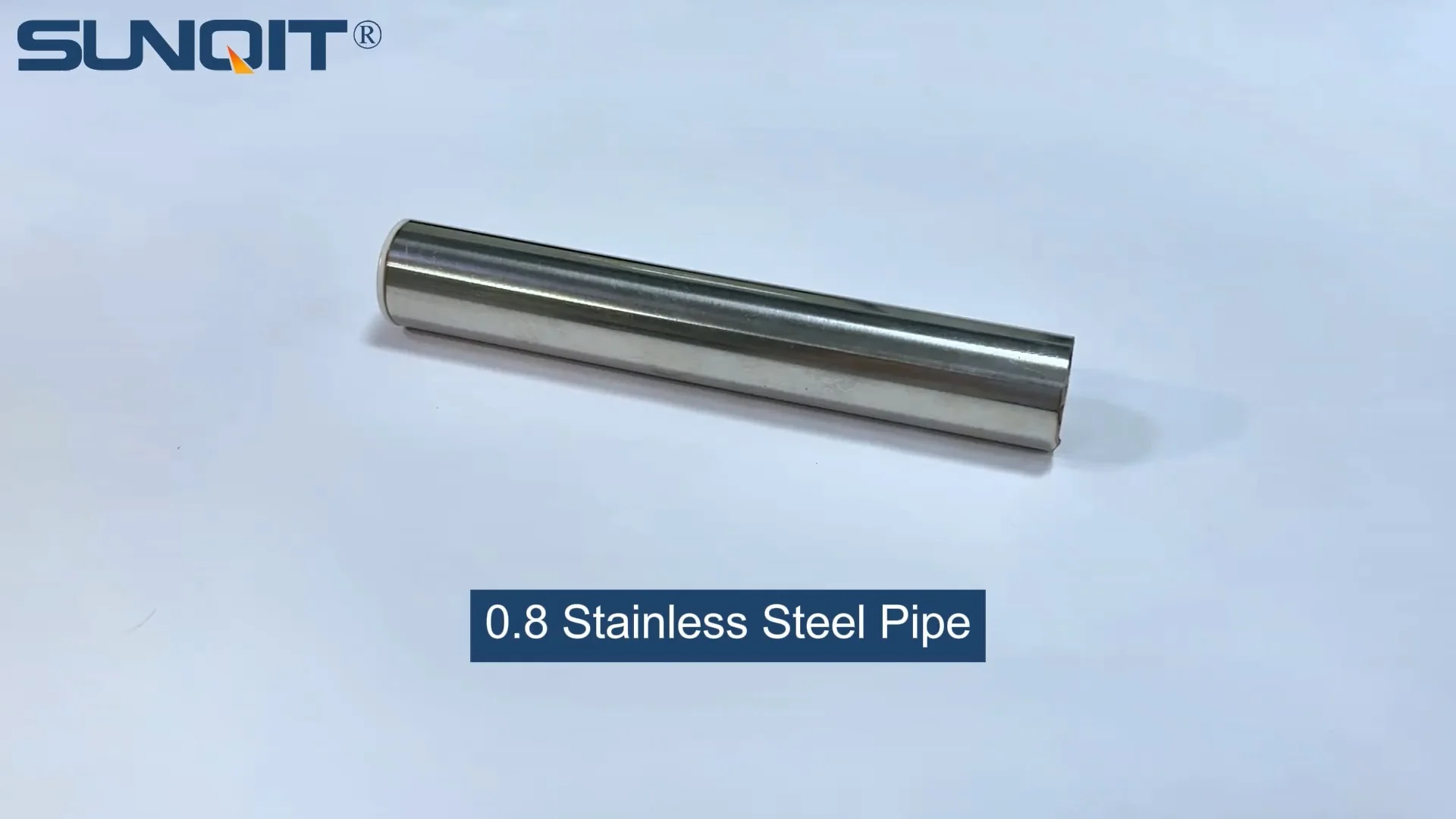
Stainless steel pipe, lean pipe, diameter is 28mm, material is SS201 or SS304, SS201 is normally used in the market. It knows a KARAKURI, KAIZEN material for industrial plant to improve efficiency, save labor cost, standard management.
Walk into any hospital, clinic, or laboratory, and you'll notice an unsung hero quietly supporting critical care: the medical device stand. These unassuming structures hold everything from IV pumps and monitors to surgical tools and specimen trays, playing a pivotal role in keeping workflows smooth and patient care uninterrupted. But not all stands are created equal. In healthcare, where hygiene, durability, and reliability can mean the difference between safe care and costly mistakes, the materials and design behind these stands matter more than most realize. Today, we're diving into why 2.0mm stainless steel pipe has become the gold standard for medical device stands, and how components like lean pipe joints, caster wheels, and thoughtful workbench customization are transforming healthcare environments for the better.
The Backbone of Hygienic Design: 2.0mm Stainless Steel Pipe
When it comes to medical equipment, cleanliness is non-negotiable. Daily wipe-downs with harsh disinfectants, constant exposure to bodily fluids, and the need to prevent cross-contamination demand materials that can stand up to rigorous cleaning without degradation. This is where stainless steel pipe series, particularly 2.0mm stainless steel pipe, shines. Unlike plastic or lower-grade metals that scratch, corrode, or harbor bacteria in tiny crevices, stainless steel is inherently resistant to rust and microbial growth—qualities that make it indispensable in medical settings.
But why 2.0mm specifically? Let's break it down. Thinner pipes, like the 0.8mm or 1.2mm variants common in industrial settings, might save on cost, but they lack the structural integrity needed for medical applications. Imagine a busy emergency room where a nurse needs to wheel a stand holding a 50-pound monitor across the floor multiple times a day. A thin-walled pipe could bend under the weight, compromising stability and risking damage to expensive equipment—or worse, patient safety. The 2.0mm thickness strikes the perfect balance: it's rigid enough to support heavy loads (think oxygen tanks, dialysis machines, or stacks of medication trays) while remaining lightweight enough for easy maneuvering. It's the kind of durability that healthcare facilities rely on for years, reducing the need for frequent replacements and minimizing downtime.
Another key advantage? Smooth surfaces. 2.0mm stainless steel pipes are designed with minimal seams and a polished finish, leaving nowhere for dirt, grime, or bacteria to hide. This is a game-changer during cleaning protocols. Whether using alcohol-based wipes, bleach solutions, or high-pressure steam, the pipe's surface repels liquids and allows for quick, thorough disinfection. Nurses and technicians don't have to spend extra time scrubbing hard-to-reach corners—they can focus on what matters most: patient care.
Building Blocks: Lean Pipe Joints for Stability and Flexibility
A strong pipe is only as good as the joints holding it together. That's where lean pipe joints come into play. These specialized connectors are the unsung heroes of medical device stand design, offering a level of stability and flexibility that traditional welding or bolted connections can't match. Unlike welded joints, which are permanent and prone to weakening over time (especially with repeated cleaning and movement), lean pipe joints create a secure, yet adjustable framework. They're engineered to lock pipes in place firmly, preventing wobbling or shifting even when the stand is fully loaded, but they also allow for easy disassembly and reconfiguration if needs change.
Let's say a clinic decides to repurpose a medication stand into a mobile testing station for blood samples. With lean pipe joints, they don't need to buy a whole new stand—they can simply loosen the joints, adjust the height or add extra shelves, and tighten them back up. This adaptability is crucial in healthcare, where needs evolve rapidly (think pandemic surges, new equipment purchases, or layout redesigns to improve patient flow). It's a cost-effective, sustainable solution that reduces waste and keeps facilities agile.
But flexibility doesn't mean sacrificing strength. High-quality lean pipe joints are made from durable materials like zinc-plated steel or stainless steel, designed to withstand the same harsh cleaning chemicals as the pipes themselves. They form a tight seal around the 2.0mm stainless steel pipe, eliminating gaps where bacteria could accumulate. This attention to detail is why medical device stands built with these joints consistently pass strict hygiene audits and meet regulatory standards like ISO 13485, which governs medical device manufacturing.

Mobility Matters: Caster Wheels in Medical Settings
In a hospital, time is often measured in seconds. When a patient's heart rate drops, or a code blue is called, every second counts. That's why mobility is a non-negotiable feature for medical device stands—and caster wheels are the component that makes it possible. But not just any caster wheel will do. Medical environments demand wheels that can glide smoothly over uneven floors (from linoleum to carpeted patient rooms), lock securely in place during procedures, and withstand the wear and tear of constant use.
The best caster wheels for medical device stands are typically made from non-marking rubber or polyurethane, which grip floors without leaving scuffs or scratches. They're also designed with precision bearings to ensure quiet movement—critical in settings where noise can disturb patients or interfere with communication during emergencies. Most importantly, they feature robust locking mechanisms: a simple flip of a lever engages a brake that holds the wheel firmly in place, preventing accidental movement while a doctor is using a monitor or a nurse is preparing medication.
Pairing these caster wheels with 2.0mm stainless steel pipe creates a stand that's both mobile and stable. The pipe's rigidity ensures that even when rolling over bumps or thresholds, the stand doesn't flex or jostle the equipment on top. Nurses can move heavy stands with minimal effort, reducing strain on their backs and shoulders—a small detail that adds up to big improvements in staff well-being over time. And because the wheels are attached using the same lean pipe joints as the rest of the stand, they're easy to replace if they wear out, extending the stand's lifespan even further.

Beyond the Basics: Workbench Customization for Specific Needs
Medical device stands aren't one-size-fits-all. A stand used in a pediatric ward might need shorter shelves and rounded edges to prevent injuries, while an operating room stand requires extra height to position monitors at eye level for surgeons. This is where workbench customization comes into play, turning a basic stand into a tailored tool that fits the unique needs of each department.
Workbench features like adjustable shelves, removable trays, and specialized holders (for IV bags, syringes, or scalpels) can all be integrated into the 2.0mm stainless steel pipe framework. For example, a neonatal intensive care unit (NICU) might request a stand with small, shallow shelves to hold delicate monitors and tiny medication vials, while a physical therapy clinic could opt for a larger, flat workbench surface to store exercise equipment. The beauty of using 2.0mm stainless steel pipe and lean pipe joints is that these customizations don't compromise the stand's structural integrity or hygiene. Shelves can be added or removed using the same joints, and all surfaces remain smooth and easy to clean.
Another customization trend? Ergonomics. Healthcare staff spend hours on their feet, and poorly designed stands can lead to unnecessary bending, reaching, or straining. By adjusting the height of shelves, adding swivel arms for monitors, or angling work surfaces to reduce neck strain, custom workbench designs help prevent musculoskeletal injuries. It's a small investment that pays off in reduced staff absenteeism and improved job satisfaction.
Why 2.0mm Stands Out: A Comparison of Stainless Steel Pipe Thicknesses
To truly understand the value of 2.0mm stainless steel pipe, it helps to see how it stacks up against thinner alternatives. Below is a comparison of common stainless steel pipe thicknesses, highlighting why 2.0mm is the clear choice for medical device stands:
| Pipe Thickness | Typical Use Case | Load Capacity | Hygiene Performance | Durability (Expected Lifespan) | Best For |
|---|---|---|---|---|---|
| 0.8mm | Light industrial shelving, temporary displays | Up to 20 lbs per shelf | Poor: Thin walls prone to scratches; seams trap bacteria | 1–2 years with regular use | Non-critical, low-weight applications |
| 1.2mm | Retail displays, office storage | Up to 40 lbs per shelf | Fair: Better than 0.8mm, but still bends under heavy loads | 2–3 years with moderate use | Light medical equipment (e.g., thermometers, small monitors) |
| 1.5mm | Warehouse racks, industrial workbenches | Up to 75 lbs per shelf | Good: Resists bending; smooth surface for cleaning | 5–7 years with regular use | Medium-duty medical use (e.g., medication carts, IV stands) |
| 2.0mm | Medical device stands, surgical tool carts, lab equipment | Up to 150 lbs per shelf | Excellent: Rigid, scratch-resistant, seamless; ideal for disinfection | 10+ years with heavy use | Critical care settings, heavy equipment, high-traffic areas |
As the table shows, 2.0mm stainless steel pipe outperforms thinner options in every category that matters for healthcare: load capacity, hygiene, and durability. It's an investment that pays off in reduced replacement costs, fewer disruptions, and most importantly, safer patient care.
Compliance and Peace of Mind
In healthcare, compliance isn't just a buzzword—it's a legal and ethical obligation. Medical device stands must meet strict standards set by organizations like the FDA, CE, and OSHA to ensure they don't pose risks to patients or staff. 2.0mm stainless steel pipe, paired with lean pipe joints and high-quality caster wheels, is designed with these standards in mind.
For example, FDA regulations require medical equipment to be "non-reactive, non-toxic, and suitable for intended use" to prevent contamination. Stainless steel is inherently non-reactive and non-toxic, making it compliant by design. Additionally, OSHA's guidelines on workplace ergonomics are easier to meet with customizable workbench designs that reduce staff strain. When facilities choose stands built with 2.0mm stainless steel pipe, they're not just buying equipment—they're buying peace of mind, knowing that their stands will pass inspections and keep both patients and staff safe.
Real-World Impact: Stories from Healthcare Facilities
Don't just take our word for it—healthcare facilities across the country are seeing the difference 2.0mm stainless steel pipe stands make. Take Mercy General Hospital in Chicago, which upgraded its surgical tool carts to 2.0mm stainless steel models three years ago. "Before, we were replacing carts every 18 months because the thin steel would rust or bend," says Sarah Martinez, head of surgical services. "Now, the carts look brand new, even with daily cleaning and heavy use. The nurses love how easy they are to wipe down, and the surgeons appreciate that the stands never wobble during procedures. It's a small change, but it's made a big difference in our workflow."
Over at Community Clinic in Portland, a switch to custom workbench-style stands with caster wheels has transformed patient intake. "We used to have fixed desks for checking vitals, which meant patients had to move from room to room," explains Dr. James Lin. "Now, we have mobile stands with 2.0mm stainless steel frames that we roll right to the patient's chair. The caster wheels lock securely, so the stand doesn't move during exams, and the stainless steel surface wipes clean in seconds between patients. It's cut down on wait times and made the whole process more comfortable for everyone."
Conclusion: Investing in the Future of Healthcare
Medical device stands may not be the most glamorous part of healthcare, but they're undeniably essential. They're the silent partners in patient care, supporting the tools and equipment that save lives every day. By choosing 2.0mm stainless steel pipe as the foundation, paired with lean pipe joints, reliable caster wheels, and customizable workbench features, healthcare facilities are investing in durability, hygiene, and staff well-being. These stands aren't just pieces of equipment—they're a commitment to excellence, ensuring that care teams have the tools they need to focus on what truly matters: their patients.
As healthcare continues to evolve, the demand for smarter, more resilient equipment will only grow. 2.0mm stainless steel pipe stands are ready to meet that demand, offering a blend of strength, flexibility, and compliance that's hard to match. So the next time you walk into a hospital room and see a sturdy, gleaming stand holding a monitor or medication tray, take a moment to appreciate the thought and engineering behind it—it's a small detail with a huge impact.