- Company Articles
- Products and Technology
- Product knowledge
- Medical Device Storage: T Slot Aluminum Pipe Racks for Sterile Environments

Medical Device Storage: T Slot Aluminum Pipe Racks for Sterile Environments
Related Product
T Slot Aluminum Pipe
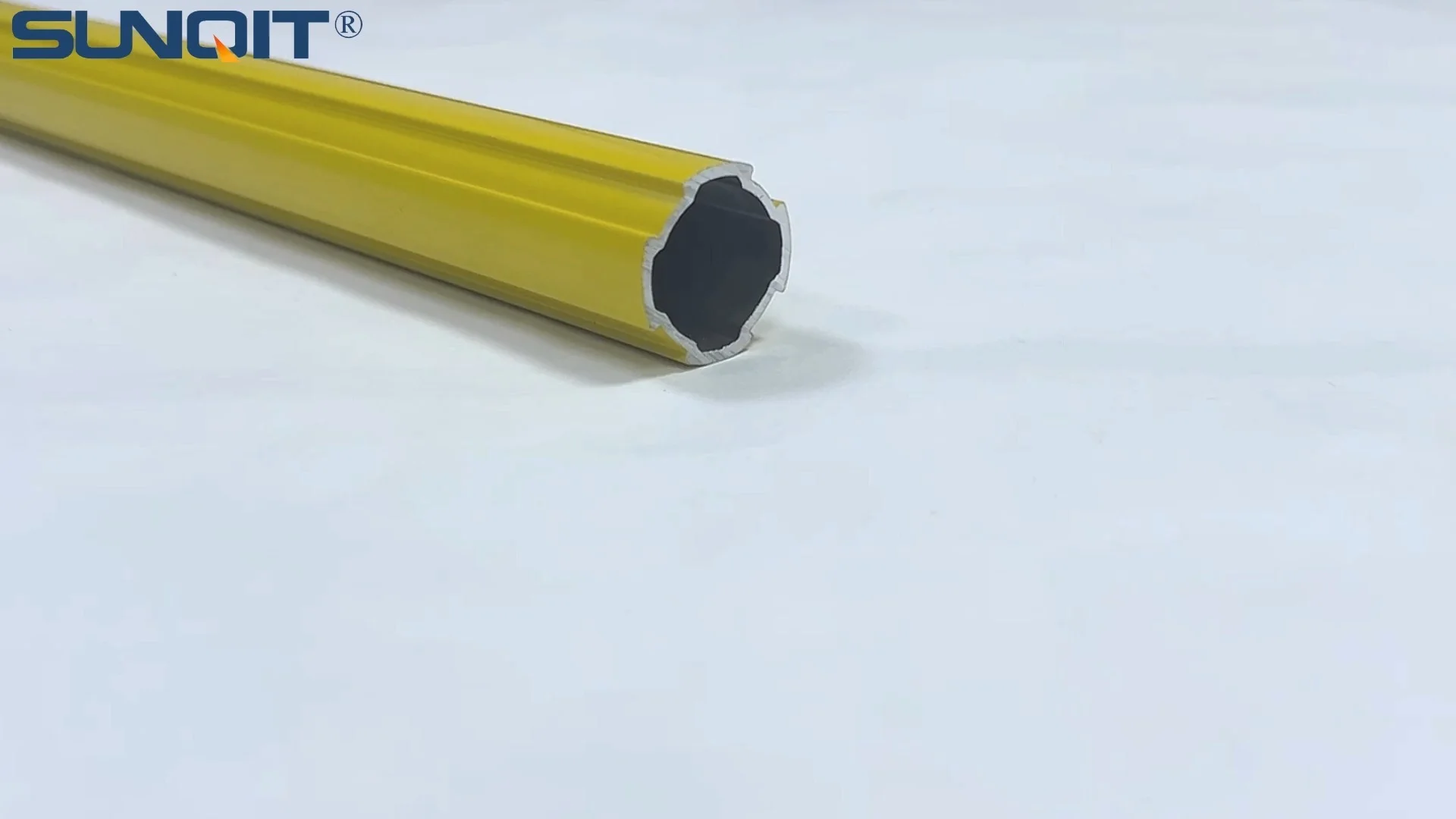
Aluminum pipe, it is used for workbench, flow rack,hand trolley assemble work with advantage of flexible and durable, yellow color makes it more attactive as a caution remind.
In the fast-paced world of healthcare, every second counts—and so does every square inch of space. Think about the last time you visited a hospital or clinic. Behind the scenes, in supply rooms and operating theaters, there's a silent hero keeping everything running smoothly: storage. Not just any storage, but systems designed to protect life-saving tools from contamination, keep workflows efficient, and adapt to the ever-changing needs of patient care. Today, we're diving into a solution that's transforming how medical facilities handle this critical task: T slot aluminum pipe racks. These aren't your average shelves—they're modular, durable, and built with sterile environments in mind. Let's explore why they're becoming the gold standard for medical device storage.
The Challenges of Medical Device Storage in Modern Healthcare
Storing medical devices isn't as simple as stacking boxes on a shelf. In healthcare, storage is a matter of patient safety, regulatory compliance, and operational efficiency. Let's break down the unique challenges facilities face:
Sterility First: The biggest stakes here are contamination risks. Surgical instruments, catheters, and diagnostic tools must remain sterile from packaging to use. Even a tiny crevice in a storage system can harbor bacteria or mold, turning a life-saving device into a hazard. Traditional storage solutions—think wooden shelves or wire racks—often have rough surfaces or hard-to-reach corners that make thorough cleaning nearly impossible.
Space Constraints: Hospitals and clinics are notoriously tight on space. Supply rooms are crammed between patient wards and operating theaters, and every inch needs to work double-time. Fixed, one-size-fits-all storage systems waste space by forcing facilities to adapt to the shelves, rather than the other way around. When new devices are added or workflows change, these rigid systems become obsolete.
Adaptability: Healthcare is an industry in constant flux. New technologies, changing patient volumes, and evolving infection control protocols mean storage needs shift regularly. A system that works for storing syringes today might not accommodate larger surgical robots tomorrow. Facilities need storage that can grow, shrink, or reconfigure without a complete overhaul.
Durability and Compliance: Medical storage systems must withstand daily use, frequent cleaning with harsh disinfectants, and meet strict regulatory standards (like FDA guidelines or ISO 13485). Flimsy plastic shelves warp under heavy loads; metal wire racks rust when exposed to cleaning chemicals. Non-compliant storage isn't just a risk to patients—it can lead to fines or loss of accreditation.
These challenges aren't just inconveniences—they directly impact patient outcomes. A misplaced instrument can delay surgery; a contaminated tool can cause an infection. So, what's the solution? Enter T slot aluminum pipe racks: a storage system built to tackle each of these issues head-on.
Why T Slot Aluminum Pipe Racks Are a Game-Changer
At first glance, aluminum might not seem revolutionary. But when crafted into T slot aluminum pipe—hollow, extruded aluminum profiles with a T-shaped groove running along their length—this material becomes a powerhouse for medical storage. Here's why:
Lightweight Strength Meets Corrosion Resistance
Aluminum is naturally resistant to corrosion, which is a big deal in environments where daily cleaning with bleach, alcohol, or hydrogen peroxide is the norm. Unlike steel, it won't rust or degrade when exposed to moisture or chemicals, ensuring the rack itself stays clean and safe for decades. And despite being lightweight (about 1/3 the weight of steel), aluminum is surprisingly strong. T slot aluminum pipe, in particular, is engineered to handle heavy loads—think stacks of sterilized instrument trays or bulky imaging equipment—without bending or warping.
Modular Design: The Power of the T Slot
The "T slot" in T slot aluminum pipe is where the magic happens. This groove runs the length of the pipe, allowing accessories like brackets, shelves, and hooks to slide in and lock into place with simple bolts or clips. No welding, no drilling, no special tools—just a screwdriver or hex key. This modularity means facilities can build custom storage on the fly. Need a taller shelf for endoscopes? Add an extra aluminum extrusion profile. Want to separate sterile and non-sterile tools? Slide in a divider using aluminum profile accessories. It's like building with giant, industrial-grade Legos—only these blocks save lives.
Smooth Surfaces for Easy Cleaning
Sterility thrives on smoothness. T slot aluminum pipe racks are extruded in one continuous piece, resulting in seamless, non-porous surfaces. No cracks, no weld seams, no rough edges—just clean lines that disinfectants can easily wipe across. Compare that to wire racks, which have crisscrossing bars that trap dust and debris, or wooden shelves, which absorb moisture and harbor bacteria. With aluminum, a quick wipe-down with a disinfectant cloth is all it takes to keep surfaces sterile.
Key Components: Building Blocks of Sterile Storage
T slot aluminum pipe racks aren't just pipes—they're systems. Let's break down the core components that make them so versatile, with a focus on how each part contributes to sterile storage:
Aluminum Extrusion Profile: The Foundation
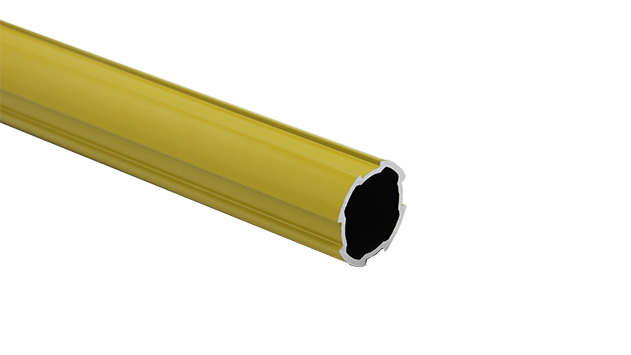
At the heart of every rack is the aluminum extrusion profile. This is the T slot aluminum pipe itself, created through a process called extrusion. Imagine pushing a soft metal (aluminum) through a custom die, like squeezing toothpaste through a tube. The result is a uniform, hollow pipe with a T-shaped groove along its length. Extrusion ensures consistency—each pipe has the exact same dimensions, so accessories fit perfectly every time. For medical storage, this precision matters. It means shelves sit level, dividers align evenly, and there are no gaps where contaminants can hide.
These profiles come in various sizes, from small 20mm pipes for lightweight tools to sturdy 40mm or 80mm pipes for heavy equipment. The choice depends on the load: a shelf for syringes might use a 20x20mm profile, while a rack for surgical robots could opt for 40x80mm. And because aluminum is recyclable, facilities can feel good about choosing an eco-friendly option without sacrificing performance.
Aluminum Profile Accessories: Bringing It All Together
What good is a pipe without the parts that turn it into a rack? Aluminum profile accessories are the unsung heroes of customization. Here are the key players for medical storage:
Connectors: These join pipes at angles—90 degrees for vertical supports, 45 degrees for corner shelves, or straight for extending lengths. Most connectors are made of aluminum or high-strength plastic, both of which are easy to clean and resistant to disinfectants. Unlike welded joints, they're removable, so racks can be taken apart and reconfigured in minutes.
Shelves and Dividers: Flat aluminum panels or wire mesh (yes, even mesh can be smooth and cleanable!) slide into the T slot to create shelves. Dividers, often made of the same extrusion profile, split shelves into sections for organization—no more hunting through a jumble of tools. For sterile environments, solid aluminum shelves are preferred, as they leave no gaps for debris.
Material Racks: For larger items like IV stands or surgical trays, material racks (think multi-tiered shelving units) are built using the same T slot system. A material rack with 3 rows and 3 floors, for example, can separate different types of devices—sterile on the top, clean-but-non-sterile on the middle, and storage boxes on the bottom. The modular design means adding or removing tiers is as simple as sliding in new brackets.

Design Features Tailored for Sterile Environments
T slot aluminum pipe racks aren't just adaptable—they're engineered with sterile storage in mind. Let's dive into the design details that make them a cut above:
Open Airflow: Stagnant air is a breeding ground for mold. T slot racks are often designed with open shelving (no solid backs or sides), allowing air to circulate freely. This is especially important for devices stored in breathable packaging, as it prevents moisture buildup. In contrast, closed cabinets trap humidity, increasing contamination risks.
Chemical Resistance: Healthcare facilities use aggressive disinfectants—quaternary ammonium compounds, hydrogen peroxide, even bleach—to kill pathogens. Aluminum stands up to these chemicals without corroding, fading, or weakening. Plastic shelves might crack or discolor over time, and steel can rust, but aluminum holds its own, ensuring the rack remains functional and sterile for years.
No Sharp Edges: Safety is key in busy environments. T slot aluminum profiles are deburred during manufacturing, meaning no sharp edges to cut gloves or tear packaging. This might seem small, but in a rush to grab a tool, a sharp corner could compromise a sterile package, rendering the device unusable.
Load-Bearing Precision: Medical devices range from lightweight (like test tubes) to heavy (like ultrasound machines). T slot racks are rated for specific loads, so facilities can choose the right profile and accessories to avoid overloading. A 40x40mm aluminum extrusion profile, for example, can typically hold 50-80kg per shelf—more than enough for most medical tools.

Comparing T Slot Aluminum Racks to Traditional Storage Solutions
To truly appreciate T slot aluminum pipe racks, let's see how they stack up against common alternatives. The table below compares key factors like sterility, customization, and durability:
| Storage Solution | Sterility Maintenance | Customization | Durability | Cost Over Time |
|---|---|---|---|---|
| T Slot Aluminum Pipe Racks | Smooth, non-porous surfaces; easy to disinfect with no hidden crevices | High: Modular design with aluminum profile accessories allows on-the-fly adjustments | Excellent: Corrosion-resistant; withstands daily cleaning and heavy loads | Moderate upfront cost, low long-term: No need for replacement when needs change |
| Wooden Shelving | Poor: Porous material absorbs moisture and bacteria; hard to sanitize | Low: Fixed dimensions; requires cutting or replacement to modify | Poor: Warps with moisture; prone to cracks and splinters | Low upfront, high long-term: Needs frequent replacement |
| Wire Racks | Fair: Open design aids airflow, but grid pattern traps debris; hard to clean between wires | Low: Adjustable shelf heights, but limited to pre-drilled holes | Fair: Prone to rust if not stainless steel; bends under heavy loads | Low upfront, moderate long-term: May need replacement due to rust or bending |
| Stainless Steel Cabinets | Good: Smooth surfaces, but fixed doors limit airflow; hinges trap debris | Low: Fixed shelves and dimensions; no easy reconfiguration | Excellent: Highly durable, but heavy and hard to move | High upfront, high long-term: Expensive to install; hard to repurpose |
The takeaway? T slot aluminum pipe racks strike a balance no other system can match: they're sterile, adaptable, and built to last. While stainless steel might offer similar durability, it lacks the flexibility to grow with a facility. Wooden or wire racks are cheaper upfront but cost more in the long run due to replacement and contamination risks.
Installation and Customization: A User-Friendly Process
One of the biggest myths about industrial storage systems is that they require expert installation. Not so with T slot aluminum pipe racks. In fact, many facilities assemble them in-house with basic tools. Here's how the process typically works:
Plan the Layout: Start with a sketch (or use online design tools) to map out the rack. Measure the space, note the devices to be stored, and decide on shelf heights and depths. For example, a material rack B (3 rows and 3 floors) might be designed to fit in a 4x3ft corner, with each shelf spaced 18 inches apart to accommodate tall instrument cases.
Assemble the Frame: Cut aluminum extrusion profiles to the desired lengths (many suppliers offer pre-cut options to save time). Use connectors to join vertical supports and horizontal beams. The T slot makes alignment easy—just slide the connector into the groove and tighten with a hex key. No welding, no drilling, no mess.
Add Shelves and Accessories: Slide shelf brackets into the T slot at the marked heights, then attach shelves. Add dividers, label holders, or hooks using aluminum profile accessories. For sterile zones, ensure all edges are smooth and gaps are minimized.
Test and Adjust: Load the rack with dummy weights to ensure stability, then tweak shelf heights or add reinforcements if needed. Since the system is modular, adjustments take minutes, not days.
This simplicity is a game-changer for busy facilities. No need to shut down a supply room for days while contractors install fixed shelves—staff can assemble a basic rack in an afternoon, and reconfigure it just as quickly when needs change.
Maintenance and Longevity: Keeping Racks Sterile for Years
A storage system is only as good as its ability to stay sterile over time. T slot aluminum pipe racks are low-maintenance by design, but proper care ensures they last decades:
Daily Cleaning: Wipe shelves and frames with a disinfectant solution (compatible with aluminum, like isopropyl alcohol or quaternary ammonium). The smooth surfaces mean no scrubbing—just a quick pass with a microfiber cloth. For tough stains, a soft-bristled brush can dislodge debris from the T slot, though this is rarely needed with regular cleaning.
Monthly Inspections: Check connectors for tightness (they can loosen slightly with vibration) and replace any damaged accessories (like cracked brackets). Aluminum profiles themselves rarely need replacement, but if a pipe is bent or scratched, it can be swapped out individually without rebuilding the entire rack.
Long-Term Durability: Aluminum is naturally resistant to corrosion, but in high-moisture areas (like sterile processing departments), anodized aluminum profiles offer extra protection. Anodizing creates a thin, protective oxide layer that's even more resistant to chemicals and wear. With proper care, a T slot aluminum rack can last 15-20 years—far longer than wooden or plastic alternatives.
Regulatory Compliance: Meeting Healthcare Standards
In healthcare, compliance isn't optional—it's a legal and ethical obligation. T slot aluminum pipe racks are designed to meet strict guidelines from organizations like the FDA, CDC, and ISO. Here's how:
FDA and ISO 13485: These standards require medical device storage systems to prevent contamination and ensure traceability. Aluminum's non-porous surface and easy cleaning align with FDA's Current Good Manufacturing Practices (cGMP), while the modular design allows for labeled, organized storage that supports traceability (e.g., separating lot numbers or expiration dates).
CDC Infection Control: The CDC recommends storage systems that are "easily cleanable and non-porous" to prevent healthcare-associated infections (HAIs). T slot aluminum racks check both boxes, helping facilities reduce HAI rates—a critical metric for accreditation and patient safety.
Fire Safety: Aluminum is non-combustible, meeting building codes for healthcare facilities. Unlike plastic shelves, which melt and release toxic fumes, aluminum maintains structural integrity in fires, protecting devices and slowing the spread of flames.
Real-World Applications: Success Stories in Healthcare
Don't just take our word for it—facilities across the globe are adopting T slot aluminum pipe racks and seeing tangible results. Here are a few examples:
Urban Hospital Sterile Processing Department: A busy downtown hospital was struggling with a cramped sterile processing unit (SPU), where surgical instruments are cleaned and sterilized. Their old wire racks trapped debris, leading to frequent re-sterilization cycles and delays. They replaced the wire racks with T slot aluminum material racks (3 rows, 3 floors), custom-built to fit the narrow space. Within months, re-sterilization rates dropped by 30%, and staff reported faster access to instruments—all while using the same footprint.
Rural Clinic Supply Room: A small clinic in a rural area needed storage that could adapt to seasonal patient surges (e.g., flu season). Their fixed wooden shelves couldn't expand, leading to overflowing boxes on the floor. They installed a T slot aluminum system with adjustable shelves. Now, during peak seasons, they add extra shelves; in slower months, they collapse the rack to free up space for training or equipment storage. The clinic estimates they've saved 10+ hours per week in supply management.
Research Lab Biotech Storage: A biotech lab storing sensitive diagnostic kits needed a system that could maintain strict temperature control and sterility. They chose T slot aluminum racks with solid shelves and added dividers to separate kit types. The open design allowed airflow from HVAC systems, while the non-porous surfaces prevented condensation buildup. Auditors praised the system for meeting ISO 13485 standards, and the lab reported zero contamination incidents in the first year.
Conclusion: Investing in Safer, Smarter Storage
Medical device storage might not be the most glamorous part of healthcare, but it's foundational to patient safety and operational success. T slot aluminum pipe racks—with their modular design, sterile-friendly features, and durability—are more than just storage solutions; they're investments in better care. By choosing a system that adapts to your needs, stays sterile with minimal effort, and lasts for decades, you're freeing up staff time, reducing contamination risks, and ensuring every device is ready when patients need it most.
So, the next time you walk through a hospital supply room, take a closer look at the shelves. If they're shiny, modular, and built to adapt, chances are they're T slot aluminum. And behind those racks? A team of healthcare professionals who can focus on what matters most: caring for patients.