- Company Articles
- Products and Technology
- Product knowledge
- Medical Equipment Assembly: Cleanroom-Friendly T-Groove Aluminum Pipe Applications

Medical Equipment Assembly: Cleanroom-Friendly T-Groove Aluminum Pipe Applications
Related Product
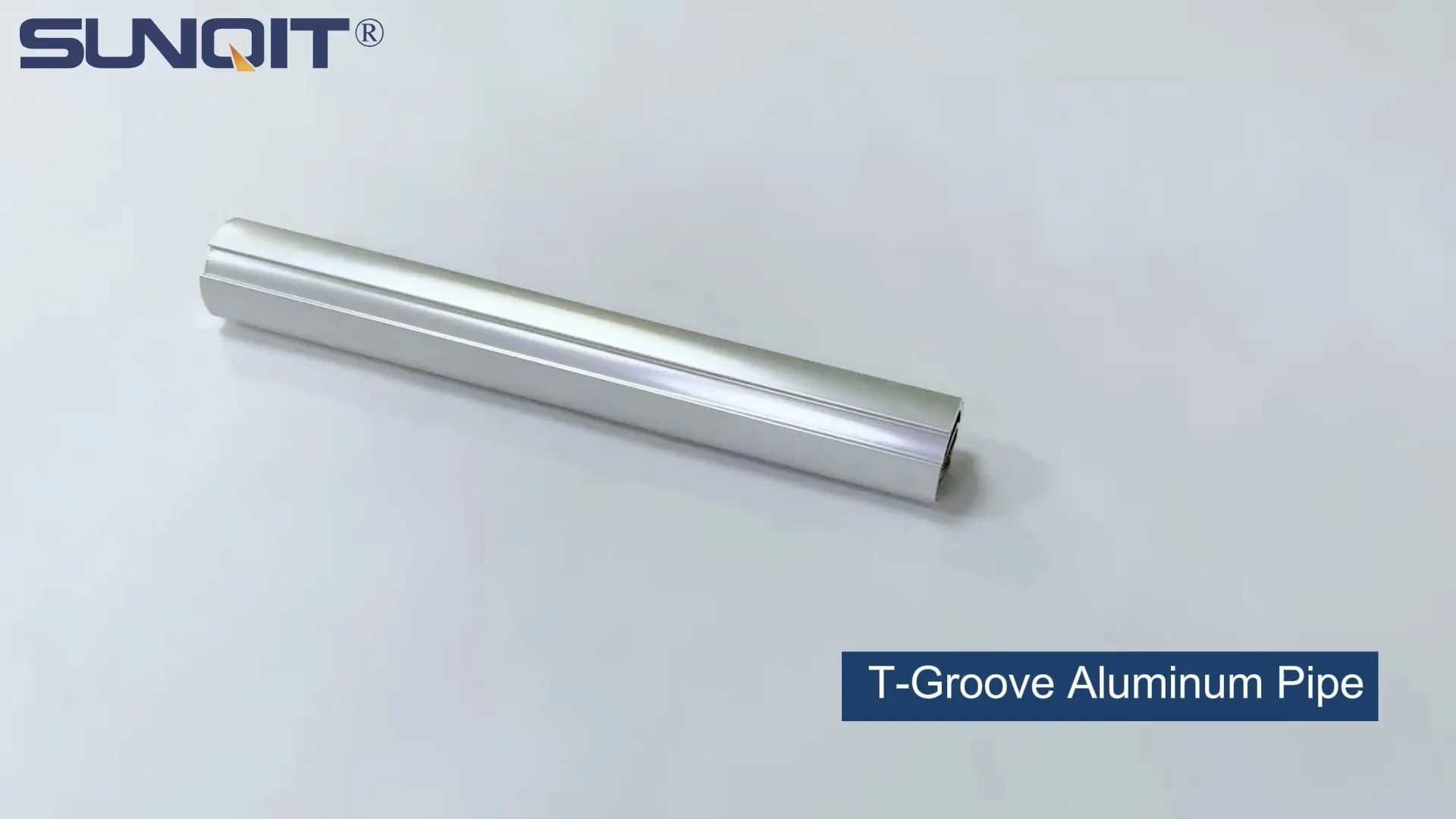
T-Groove Aluminum Pipe
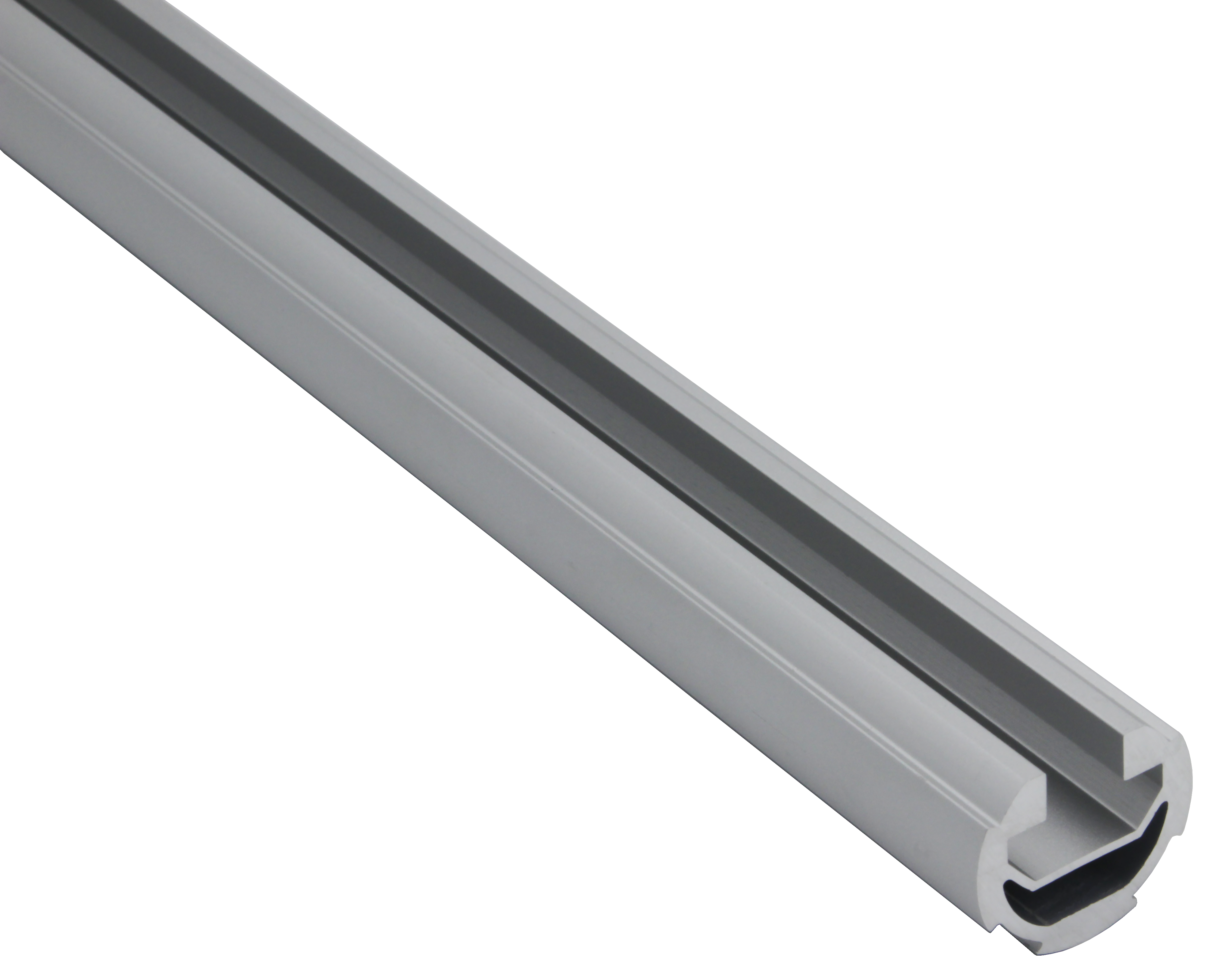
The aluminum pipe opening 10mm is installed into the T-shaped slider, which can be installed with casters or other matching functional parts. The groove can be used for positioning and is used for the track of the roller.
Walk into any medical device assembly cleanroom, and you'll immediately sense the tension between two critical goals: precision and adaptability. Technicians in white suits huddle over workbenches, carefully fitting tiny components into MRI machines or surgical tools, while managers track production timelines that demand quick adjustments to meet shifting healthcare needs. In this high-stakes environment, the tools and structures that support the assembly process matter as much as the equipment itself. That's where T-groove aluminum pipe—specifically aluminum extrusion profile —has quietly revolutionized how medical teams build, iterate, and scale their operations.
Why Cleanrooms Can't Afford "One-Size-Fits-All" Solutions
Cleanrooms are unforgiving spaces. Even a speck of dust can compromise a sterile surgical instrument, and a misaligned workbench might throw off the calibration of a diagnostic device. Traditional assembly setups—think heavy stainless steel benches or fixed wooden racks—often fall short here. They're tough to clean thoroughly, rigid when production needs change, and can even introduce contaminants if not maintained perfectly. For example, a hospital supply manufacturer I worked with once spent $15,000 replacing rusted steel shelving after just two years because constant sanitization had corroded the metal. That's when they switched to aluminum, and they haven't looked back.
Aluminum extrusion profile solves these pain points by design. Its smooth, non-porous surface resists bacteria growth and wipes clean with standard disinfectants—a must for complying with FDA and ISO 14644 standards. But what really sets it apart is its modularity. Unlike welded steel, T-groove aluminum uses simple aluminum profile accessories —joints, brackets, and clamps—to snap together, allowing teams to reconfigure workspaces in hours, not weeks. This flexibility is a game-changer in an industry where a sudden surge in demand for ventilator parts or a new regulatory requirement can upend production overnight.
From Workbenches to Flow Systems: How Aluminum Profiles Support Every Step
Let's zoom into the assembly line itself. The heart of any medical device production is the workbench —the technician's command center. A well-designed bench needs to be height-adjustable (to reduce ergonomic strain), stable enough to hold sensitive equipment, and easy to customize with tool holders or ESD (electrostatic discharge) mats. Aluminum extrusion profiles excel here. A manufacturer in California recently shared how they built a modular workbench for assembling pacemaker batteries: using 40x40mm aluminum profiles as the frame, they added adjustable legs, a (ESD) top, and side rails with clips for organizing tweezers and magnifying glasses. When they needed to switch to a larger battery model, they simply swapped the top and extended the frame—no welding, no new parts, just 45 minutes of reconfiguration.
| Assembly Challenge | Traditional Solution | Aluminum Extrusion Profile Solution |
|---|---|---|
| Hard-to-clean surfaces | Wooden benches with crevices | Smooth aluminum frames; no cracks for debris |
| Fixed workflow layouts | Welded steel racks | Tool-free joints for quick reconfiguration |
| Heavy, immobile equipment | Cast-iron bases | Lightweight aluminum; add casters for mobility |
| ESD protection needs | Separate ESD mats (prone to shifting) | Integrated ESD channels in aluminum profiles |
Beyond workbenches, aluminum extrusion profiles shine in material handling. Take flow racks, which feed components to assembly stations. In a cleanroom, these racks must ensure parts glide smoothly without jamming (which could cause scratches) and remain sterile between uses. A leading medical device company in Texas uses aluminum roller tracks mounted on extrusion profiles to move plastic syringes from sterilization to packaging. The T-grooves in the aluminum allow them to adjust the track angle by just 2 degrees—enough to control the syringe speed and prevent collisions. And because the aluminum is corrosion-resistant, they don't have to worry about rust flakes contaminating the syringes during transport.
Lean Systems Meet Cleanroom Realities
The medical industry isn't just about building devices—it's about building them efficiently. That's where lean system principles come into play: eliminating waste, streamlining workflows, and empowering teams to improve processes. Aluminum extrusion profiles are a lean manager's dream tool because they turn abstract lean goals into tangible setups.
Consider "5S" methodology—sort, set in order, shine, standardize, sustain. In a cleanroom, "set in order" means every tool has a home, and "shine" means surfaces stay spotless. Aluminum profiles make this actionable. For example, a surgical instrument manufacturer used T-groove aluminum to build shadow boards above their workbenches. Using magnetic brackets clipped into the grooves, they mounted each tool (scissors, torque wrenches, calipers) in a labeled spot. Now, technicians can see at a glance if a tool is missing, and cleaning crews can wipe down the boards without removing anything. This simple change cut tool-search time by 40% and reduced the risk of misplaced instruments—a critical win for lean and compliance.
Another lean staple is "just-in-time" material delivery. Instead of piling components on shelves (which wastes space and invites clutter), aluminum flow racks with inclined tracks let parts "flow" to the assembly line as needed. A ventilator producer I visited used this approach: they built a 3-tier rack with aluminum profiles, each tier holding different-sized circuit boards. As the top tier empties, the next one slides down, signaling to the stockroom to refill—no excess inventory, no overcrowded workspaces. And when they launched a new ventilator model with larger boards, they added an extra tier using just four new profiles and eight brackets. Total cost: $300, versus $2,000 for a custom steel rack.

The Hidden Value of Accessories: Small Parts, Big Impact
Aluminum extrusion profiles are only as good as the accessories that bring them to life. Aluminum profile accessories—like corner joints, end caps, and leveling feet—might seem, but they're what make the system truly adaptable. Take the internal rotary joint, for instance. A team assembling dental drills needed their workbench to tilt 15 degrees for better access to the drill heads. By swapping fixed joints for rotary ones, they adjusted the angle in seconds, reducing technician fatigue during long shifts. Or consider leveling feet with suction cups: in a cleanroom with uneven floors, these accessories keep workbenches stable, preventing vibrations that could misalign delicate components like pacemaker leads.
Even color-coding plays a role. Many manufacturers use anodized aluminum profiles in different hues to organize workflows: blue for sterile zones, green for non-sterile prep areas, and yellow for hazardous materials. This visual cue reduces errors—like a technician accidentally placing a non-sterile part on a sterile bench—and makes training new staff faster. One hospital supplier reported that color-coding cut onboarding time for new assemblers from 2 weeks to 5 days.

Looking Ahead: Aluminum Profiles and the Future of Medical Manufacturing
As medical technology evolves—think AI-powered diagnostic tools, 3D-printed implants, and portable ultrasound devices—assembly needs will only grow more complex. Aluminum extrusion profiles are poised to keep up, thanks to innovations like lightweight yet strong alloys and smart accessories with built-in sensors. Imagine a workbench that uses aluminum profiles with embedded RFID tags to track tool usage, or flow racks with temperature-sensing brackets that alert teams if sensitive components get too warm. These aren't far-off ideas; some manufacturers are already testing them.
Sustainability is another trend driving adoption. Aluminum is 100% recyclable, and its long lifespan (decades, with proper care) reduces waste compared to disposable plastic or short-lived steel setups. A medical device company in Sweden recently calculated that switching to aluminum profiles cut their annual waste by 2.3 tons—enough to earn them LEED certification and a tax incentive. For an industry focused on healing, aligning with eco-friendly practices is both ethically and financially rewarding.
Final Thoughts: More Than Metal—A Partner in Patient Care
At the end of the day, aluminum extrusion profiles aren't just about pipes and brackets. They're about enabling the people who build the tools that save lives. When a technician can adjust their workbench in 10 minutes instead of waiting a week for a new one, when a manufacturer can scale production of life-saving equipment without halting lines, when every surface in a cleanroom is designed to protect both the product and the patient—that's the real impact of T-groove aluminum. It's not flashy, but in the quiet precision of a medical cleanroom, that's exactly what's needed.
So the next time you see a medical device, take a moment to appreciate the unseen infrastructure behind it. Chances are, aluminum extrusion profiles are there—supporting the assembly, streamlining the process, and helping turn innovative ideas into tools that keep us all healthy. In a world where healthcare can't afford to stand still, that's a partnership worth celebrating.