- Company Articles
- Products and Technology
- Product knowledge
- Medical Equipment Assembly: Vertical Lean Pipe Joint Chrome Hygiene Features

Medical Equipment Assembly: Vertical Lean Pipe Joint Chrome Hygiene Features
Related Product
Vertical Lean Pipe Joint Chrome
Vertical lean pipe joint is used for 28mm lean pipe fixed on ground and keep it stable.
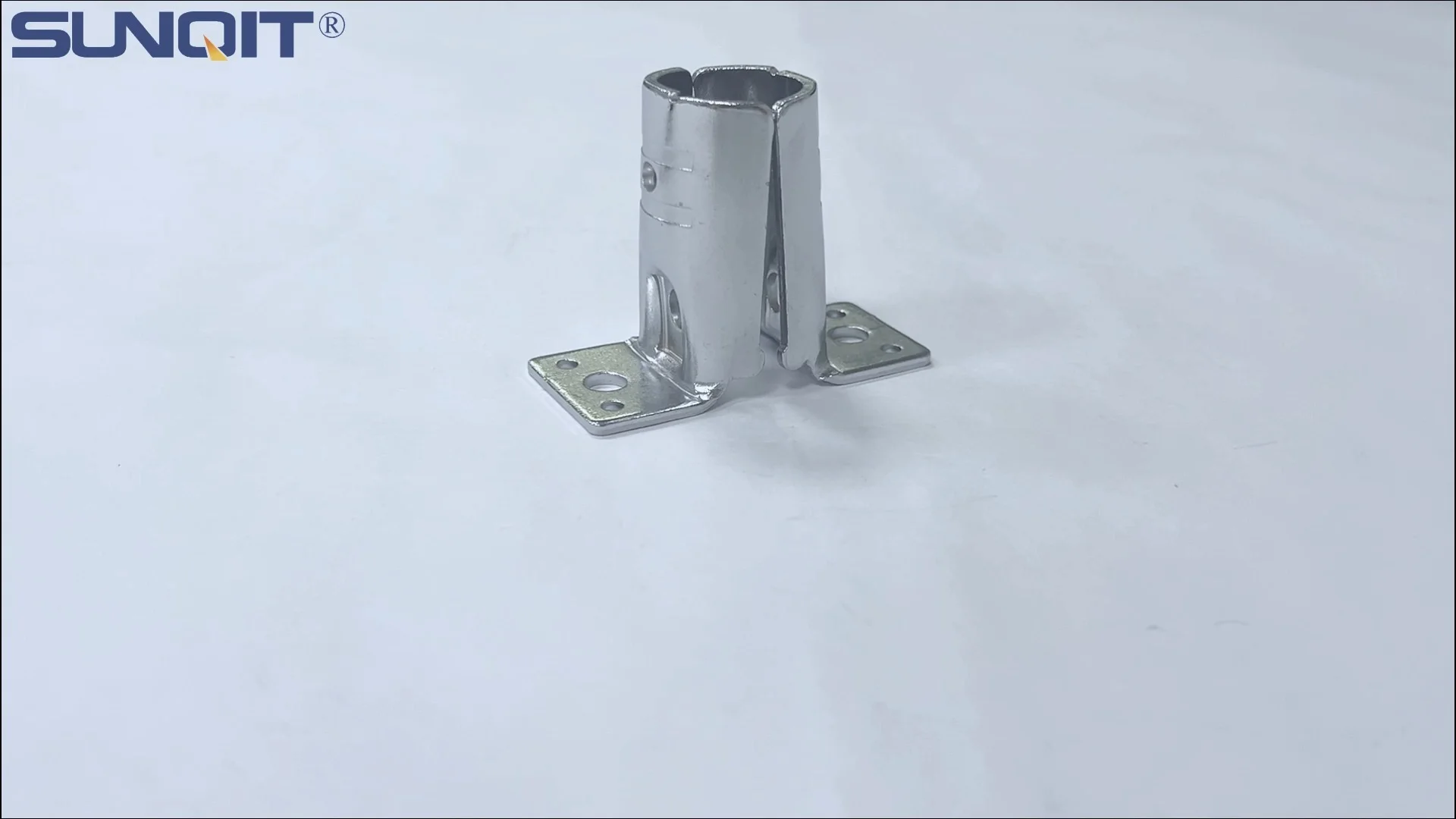
In the world of medical equipment assembly, precision isn't just a goal—it's a necessity. Every tool, every component, and every inch of the production line plays a role in ensuring that the devices rolling off the line are safe, reliable, and compliant with the strictest industry standards. But here's the thing: efficiency and hygiene don't always go hand in hand. Too often, assembly systems prioritize speed over cleanliness, leaving tiny crevices where bacteria can hide or using materials that corrode under frequent sanitization. That's where innovations like the vertical lean pipe joint chrome come into play—a small but mighty component that's quietly revolutionizing how medical teams balance productivity and hygiene. Let's dive into why this unassuming joint matters, and how it fits into a larger ecosystem of components designed to keep medical assembly lines both efficient and spotless.
The Unique Challenges of Medical Assembly: Why Hygiene Can't Be an Afterthought
Walk into any medical device manufacturing facility, and you'll notice something immediately: the air feels cleaner, the surfaces shine, and every worker moves with a deliberate focus on avoiding contamination. That's because medical equipment—from surgical tools to diagnostic machines—comes into direct contact with patients, making hygiene non-negotiable. Even the smallest flaw in a component's design can create a breeding ground for pathogens, putting lives at risk. Regulatory bodies like the FDA and ISO have strict guidelines: surfaces must be non-porous, easy to disinfect, and resistant to the harsh chemicals used in cleaning protocols. At the same time, assembly lines can't afford to slow down; demand for medical devices is constant, and delays can have real-world consequences for healthcare providers and patients alike.
This is where lean systems come into play. Lean principles—rooted in minimizing waste and maximizing efficiency—have long been a staple in manufacturing, but in medical settings, they need a twist. Traditional lean components, while great for reducing downtime, might not hold up to daily wipe-downs with industrial-grade disinfectants or the wear and tear of constant sanitization. For example, standard steel joints can rust over time, creating rough edges that trap debris. Plastic components might degrade under harsh chemicals, leaching particles into the environment. Medical assembly lines need a lean system that's not just efficient, but hygiene-first —and that's where specialized suppliers step in. A reliable lean system supplier doesn't just sell parts; they understand the unique pressures of medical manufacturing and design components that check both boxes: speed and cleanliness.
Vertical Lean Pipe Joint Chrome: The Unsung Hero of Hygienic Assembly
If you've ever looked closely at a lean pipe workbench or a material rack on a medical assembly line, you've probably seen the joints that hold everything together. These small connectors are the backbone of modular assembly systems, allowing teams to reconfigure workstations, racks, and flow lines with minimal effort. But not all joints are created equal. Enter the vertical lean pipe joint chrome—a component engineered specifically for environments where cleanliness is critical. Let's break down what makes it different.
First, the material: chrome plating. Unlike standard steel or plastic joints, chrome-plated surfaces are inherently smooth. There are no rough edges or tiny gaps where dust, moisture, or bacteria can accumulate. Run a disinfectant wipe over a chrome joint, and it glides clean—no streaks, no residue. That's a game-changer for medical teams who spend hours each day sanitizing workspaces. Chrome is also resistant to corrosion, even when exposed to the aggressive cleaners (like hydrogen peroxide or alcohol-based solutions) commonly used in medical facilities. Over time, this means less wear and tear, fewer replacements, and a lower risk of contamination from degraded materials.
Then there's the design: vertical orientation. Vertical lean pipe joints are engineered to connect pipes at a 90-degree angle, creating sturdy, upright structures like workbench frames or material racks. But the "vertical" part isn't just about geometry—it's about minimizing horizontal surfaces. In medical settings, horizontal surfaces (think: flat joint tops) are magnets for spills, dust, and debris. By keeping the joint's profile vertical, there's simply less area for contaminants to settle. Add in the chrome plating, and you've got a joint that's not just easy to clean, but actively resists the buildup of grime. It's a small detail, but in a industry where even a single speck of dust can lead to a product recall, small details matter.
| Feature | Vertical Lean Pipe Joint Chrome | Standard Steel Joint | Plastic Joint |
|---|---|---|---|
| Surface Smoothness | Highly smooth; no crevices | May have rough edges or weld seams | Prone to micro-scratches over time |
| Chemical Resistance | Resistant to alcohol, peroxide, and industrial cleaners | Prone to rusting with frequent sanitization | Can degrade or discolor with harsh chemicals |
| Horizontal Surface Area | Minimal; vertical orientation reduces settling space | Often has flat tops where debris accumulates | Varies, but may have recessed areas for dust |
| Longevity in Medical Settings | 5–7 years (with proper maintenance) | 2–3 years (due to corrosion) | 1–2 years (due to chemical degradation) |

Beyond the Joint: Building a Hygiene-First Assembly Ecosystem
Of course, a single joint can't transform an entire assembly line. To truly prioritize hygiene, medical teams need a cohesive system—one where every component works together to minimize contamination risks. Let's look at three key players that pair seamlessly with vertical lean pipe joint chrome to create a spotless, efficient workspace: ESD workbenches, aluminum profiles, and flow racks.
Take ESD workbenches, for example. ESD (electrostatic discharge) protection is critical in medical assembly, where static electricity can damage sensitive electronic components in devices like pacemakers or MRI machines. But ESD workbenches aren't just about static control—they're also designed with hygiene in mind. Many models feature stainless steel or laminated tops that are non-porous and easy to wipe down. Pair that with a frame built using vertical lean pipe joint chrome, and you've got a workstation that's both static-safe and a breeze to sanitize. Imagine a surgical instrument assembly line: the ESD workbench keeps components safe from static, while the chrome joints ensure that the frame itself never becomes a contamination risk. It's a one-two punch that checks both technical and hygiene boxes.
Then there's aluminum profile. Aluminum is lightweight, strong, and—most importantly—naturally resistant to corrosion. In medical settings, where humidity levels can fluctuate and sanitization is constant, aluminum profiles hold up better than traditional steel. They're also modular, meaning teams can quickly reconfigure assembly lines without welding or drilling—reducing downtime and the risk of introducing new contaminants (like metal shavings) into the workspace. When paired with vertical lean pipe joint chrome, aluminum profiles create a framework that's both flexible and clean. For example, a material rack built with aluminum profiles and chrome joints can be adjusted to hold different-sized medical components, all while staying smooth and easy to disinfect. It's the kind of adaptability medical facilities need, especially as device designs evolve and production needs shift.
And let's not forget flow racks. Flow racks are the workhorses of material handling, using gravity to move components from one end of the line to the next. But in medical settings, standard flow racks can be problematic. Their roller tracks often have small gaps between wheels, where dust or debris can get trapped. That's why many lean system suppliers now offer flow racks with chrome-plated rollers and aluminum frames—components that mirror the hygiene features of vertical lean pipe joints. Imagine a flow rack used to transport sterile instrument trays: the chrome rollers glide smoothly, with no gaps for bacteria to hide, and the aluminum frame resists corrosion from frequent cleaning. It's a small adjustment, but it turns a simple material handler into a hygiene asset.

From Theory to Practice: How One Manufacturer Improved Compliance with Chrome Joints
Let's ground this in a real-world scenario. Consider a mid-sized medical device manufacturer that specializes in orthopedic implants. A few years ago, their assembly line was struggling with two issues: frequent product recalls due to minor contamination (traced back to hard-to-clean joints in their workbench frames) and high turnover of steel components that rusted under daily sanitization. Their lean system supplier suggested a switch to vertical lean pipe joint chrome for their workbench frames, paired with aluminum profiles and ESD workbenches. The results? Within six months, contamination-related recalls dropped by 40%. Workers reported spending 20% less time sanitizing (since the chrome joints cleaned so quickly), and the assembly line saw a 15% increase in productivity. Perhaps most importantly, the team no longer worried about hidden bacteria in joint crevices—they could see the cleanliness, and that peace of mind translated to better focus on precision work.
What made this transition successful wasn't just the chrome joints themselves, but how they integrated with the rest of the system. The ESD workbenches provided static protection for sensitive implants, the aluminum profiles kept the line flexible, and the chrome joints ensured that every part of the frame was easy to clean. It was a holistic approach—one that recognized that hygiene isn't about a single component, but about how all components work together. And that's where a good lean system supplier becomes invaluable: they don't just sell parts; they listen to a facility's unique challenges and design solutions that fit.
Choosing the Right Components: What to Look for in a Lean System Supplier
If you're a medical assembly manager considering upgrading your line, you might be wondering: How do I choose the right components? And more importantly, how do I find a supplier who understands the unique needs of medical manufacturing? Here are a few key questions to ask:
1. Do your components meet medical-grade standards? Not all chrome joints are created equal. Look for suppliers who can provide documentation proving their chrome plating meets ISO 13485 (the international standard for medical device manufacturing) or FDA guidelines. This ensures the material is safe for use in sterile environments.
2. Can you customize solutions for our specific needs? Medical assembly lines vary widely—what works for a syringe manufacturer might not work for a company building MRI machines. A good supplier should offer custom configurations, whether that's adjusting the height of a flow rack or modifying a joint's design to fit a unique workspace.
3. How do your components hold up to real-world sanitization? Ask for test results or case studies showing how their chrome joints, aluminum profiles, or ESD workbenches perform after repeated exposure to common medical disinfectants. A supplier confident in their products will have no problem sharing this data.
4. What kind of support do you offer post-purchase? Even the best components need maintenance. Look for suppliers who provide training on cleaning protocols, replacement parts, and troubleshooting. In medical manufacturing, downtime is costly—you need a partner who's there when you need them.
The Future of Medical Assembly: Small Components, Big Impact
As medical technology advances, the demands on assembly lines will only grow. Devices will become more complex, regulations stricter, and the need for efficiency more pressing. In this landscape, components like the vertical lean pipe joint chrome will play an increasingly important role. They're a reminder that innovation in medical manufacturing doesn't always mean flashy new machines—it can mean refining the small, everyday parts that keep the line running smoothly and safely.
So the next time you walk through a medical assembly line, take a closer look at the joints holding everything together. Chances are, if they're chrome-plated and vertically oriented, you're looking at a facility that's prioritizing both efficiency and hygiene. And that's a win for everyone: the workers who spend less time cleaning, the manufacturers who reduce recalls, and most importantly, the patients who rely on safe, reliable medical devices.
In the end, medical equipment assembly is about more than building devices—it's about building trust. And trust, as it turns out, starts with the smallest components. The vertical lean pipe joint chrome might not make headlines, but in the quiet, meticulous world of medical manufacturing, it's making a difference—one clean, efficient assembly line at a time.