- Company Articles
- Products and Technology
- Product knowledge
- Medical Equipment Carts: Why Aluminum Honeycomb Panels Offer Superior Maneuverability

Medical Equipment Carts: Why Aluminum Honeycomb Panels Offer Superior Maneuverability
Related Product
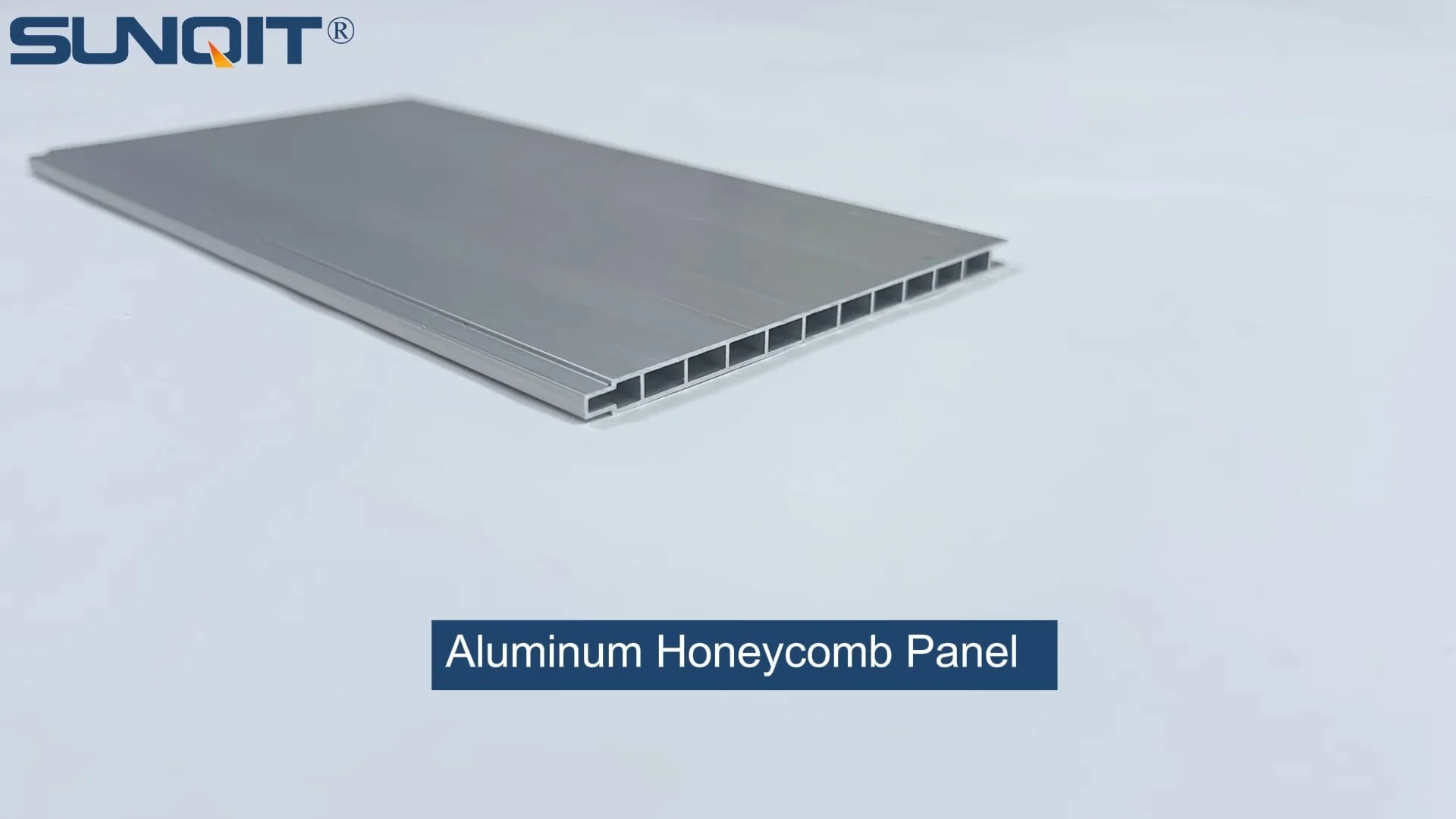
Aluminum Honeycomb Panel
Aluminum honeycomb panel used as table top, side wall, it is connected one pcs by one pcs from the side slot to make a full pieces.This panel width 105mm, 55mm, 35mm are optional for slection.
In the fast-paced world of healthcare, every second counts. From bustling hospital corridors to quiet exam rooms, medical professionals rely on equipment carts to keep essential tools, medications, and supplies within arm's reach. These carts aren't just utility pieces—they're lifelines that bridge the gap between care providers and patients. But here's the thing: not all carts are created equal. When a cart is cumbersome, heavy, or hard to maneuver, it doesn't just slow down workflows; it risks fatigue, delays, and even mistakes. That's where the choice of materials matters most. In recent years, aluminum honeycomb panels have emerged as a game-changer, revolutionizing how medical carts move, feel, and perform. Let's dive into why these innovative panels are setting a new standard for maneuverability in healthcare environments.
The Hidden Cost of Heavy Carts: Why Traditional Materials Fall Short
For decades, medical carts were built with durability in mind—but often at the expense of mobility. Traditional options like solid steel, wood, or even standard aluminum panels prioritized strength, leading to carts that felt more like immovable fixtures than tools designed for speed. Let's break down the real-world problems this created:
First, there's the weight. A standard steel cart, loaded with monitors, drawers, and supplies, could easily tip the scales at 150 pounds or more. Pushing that down a hallway, around corners, or over uneven floor transitions (like from carpet to tile) wasn't just tiring—it was a daily workout for nurses, technicians, and doctors. Over time, this strain led to increased staff fatigue, higher rates of musculoskeletal injuries, and even burnout. In fact, the Bureau of Labor Statistics reports that healthcare workers face some of the highest rates of work-related back pain, with heavy equipment handling as a top contributor.
Then there's safety. A heavy cart is harder to stop suddenly, increasing the risk of collisions with walls, equipment, or even patients. Maneuvering through tight spaces—like between hospital beds or in crowded ERs—became a test of strength rather than skill, often requiring two people to navigate safely. And let's not forget cleaning: porous materials like wood or painted steel were prone to harboring bacteria, while heavy steel carts were difficult to lift or tilt for thorough disinfection, creating hidden hygiene risks.
Even "lightweight" alternatives had drawbacks. Standard aluminum panels, while lighter than steel, still lacked the strength-to-weight ratio needed for a cart that could carry heavy loads without bending or warping. And lean pipe systems, once popular for their modularity, often relied on steel pipes and connectors that added up in weight, negating their flexibility benefits with cumbersome bulk.
Aluminum Honeycomb Panels: The Lightweight Powerhouse
Enter aluminum honeycomb panels—a material that sounds almost too good to be true, but delivers on its promise to redefine medical cart design. So, what exactly are they? Picture a sandwich: two thin sheets of aluminum (the "bread") with a honeycomb-shaped core (the "filling") in between. This core, usually made of aluminum or fiberglass, is structured like a beehive—thousands of tiny hexagonal cells that distribute weight evenly across the panel. It's this unique design that gives aluminum honeycomb panels their superpowers: exceptional strength, minimal weight, and surprising durability.
Let's get technical for a moment (but don't worry, we'll keep it simple). The honeycomb core acts as a reinforcement grid, turning a lightweight panel into something that can withstand heavy loads without bending. Think of it like how a bridge's truss structure supports cars—by spreading weight across multiple points. For medical carts, this means a panel that's up to 70% lighter than solid steel but just as strong, if not stronger, in terms of impact resistance and load-bearing capacity.
But it's not just about weight. Aluminum honeycomb panels are also naturally resistant to corrosion, a must in healthcare settings where frequent cleaning with harsh disinfectants is the norm. Unlike wood, they don't absorb moisture or harbor mold. Unlike painted steel, they won't chip or rust when exposed to spills or humidity. And because the panels are made of aluminum, they're non-porous, making them easy to wipe down—critical for infection control.

Lightweight, Nimble, and Ready to Roll: How Aluminum Honeycomb Boosts Maneuverability
So, how does all this translate to better maneuverability? Let's start with the obvious: less weight means easier movement. A medical cart built with aluminum honeycomb panels can weigh as little as 40-60 pounds empty, compared to 80-100 pounds for a steel cart of the same size. When loaded with supplies, that difference becomes even more pronounced. Suddenly, pushing the cart down a hallway doesn't require a Herculean effort—it feels effortless, almost like gliding. This isn't just about convenience; it's about speed. In an emergency, every second saved getting meds or equipment to a patient can make a difference.
Then there's balance. Traditional carts often had uneven weight distribution—heavy steel frames at the bottom, lighter supplies on top—making them prone to tipping if not loaded carefully. Aluminum honeycomb panels, being lightweight but rigid, allow for a lower center of gravity. When combined with a well-designed frame (often built with aluminum profile for added stability), the cart stays balanced even when cornering or stopping suddenly. This stability reduces the risk of spills (say, a tray of medications sliding off) and makes it easier to navigate tight spaces, like between hospital beds or through doorways.
Let's not overlook the role of caster wheels here. Even the best wheels struggle with a heavy cart, but pair aluminum honeycomb's lightness with high-quality caster wheels, and you've got a match made in healthcare heaven. Swivel casters, which allow 360-degree movement, become truly effective when there's less weight to resist turning. Brake mechanisms work better too—no more slamming on brakes to stop a heavy cart; a gentle tap is all it takes. And because the cart is lighter, the wheels experience less wear and tear, meaning fewer replacements and lower maintenance costs over time.
Ergonomics also play a big part. When a cart is lighter, staff can push or pull it with less force, reducing strain on shoulders, backs, and wrists. This isn't just about comfort—it's about long-term health. Nurses and technicians who spend hours a day moving carts report less fatigue and fewer aches, allowing them to focus on patient care rather than physical discomfort. In a field where staff retention is a constant challenge, small improvements like this can go a long way in boosting job satisfaction.

Beyond the Panels: The Role of Aluminum Profile and Accessories
Aluminum honeycomb panels are the star of the show, but they don't work alone. A truly maneuverable medical cart relies on a supporting cast of components, many of which fall under the umbrella of aluminum pipe accessories and aluminum profile systems. Let's break down how these pieces come together:
First, the frame. While the panels handle the surface areas (shelves, drawers, worktops), the cart's skeleton is often built with aluminum profile—a lightweight, extruded aluminum material with T-slots that make customization a breeze. Aluminum profile is strong enough to support the cart's structure but light enough to keep overall weight down. It also allows for easy assembly: instead of welding or drilling, healthcare facilities can use bolts, brackets, and connectors to build or modify carts on-site. Need an extra shelf? Add an aluminum profile crossbar. Want to attach a monitor mount? Slide a bracket into the T-slot. This flexibility means carts can evolve with changing needs, without the cost of buying entirely new equipment.
Then there are the aluminum pipe accessories that add functionality without adding bulk. Think adjustable clamps for securing IV poles, joint connectors for building custom railings, or brackets for attaching tool holders. These accessories are designed to be lightweight yet sturdy, complementing the aluminum honeycomb panels' ethos of "strength without weight." For example, a cart used in a lab might need a holder for test tubes—aluminum pipe accessories like a simple clamp and rod can add that feature without making the cart harder to move.
And let's not forget the little things that make a big difference, like the caster wheel mounting. Aluminum pipe accessories include specialized brackets that attach caster wheels to the cart's frame securely, ensuring the wheels align properly and roll smoothly. Misaligned wheels are a common cause of "sticky" or hard-to-push carts, but with precision-engineered accessories, that problem becomes a thing of the past.
How Does It Stack Up? A Material Showdown
Curious how aluminum honeycomb panels compare to other common cart materials? Let's put them head-to-head in a table that breaks down the key factors healthcare facilities care about most: weight, strength, maneuverability, durability, and maintenance.
| Material | Weight (per sq ft) | Strength (Load Capacity) | Maneuverability (1-5 Scale) | Durability | Maintenance Needs |
|---|---|---|---|---|---|
| Aluminum Honeycomb Panel | 2-3 lbs | High (supports 150+ lbs/sq ft) | 5 (Excellent: Lightweight, balanced) | High (corrosion-resistant, impact-resistant) | Low (wipe clean, no painting needed) |
| Solid Steel | 10-12 lbs | Very High (supports 200+ lbs/sq ft) | 2 (Poor: Heavy, hard to turn) | High (but prone to rust if painted) | Medium (repaint every 2-3 years, rust checks) |
| Wood | 4-6 lbs | Medium (supports 50-80 lbs/sq ft) | 3 (Fair: Moderate weight, but uneven density) | Low (prone to warping, chipping, moisture damage) | High (sealant needed yearly, hard to disinfect) |
| Standard Aluminum Panel | 4-5 lbs | Medium-High (supports 100-120 lbs/sq ft) | 4 (Good: Lighter than steel, but heavier than honeycomb) | High (corrosion-resistant) | Low (wipe clean) |
As you can see, aluminum honeycomb panels outshine the competition in maneuverability while holding their own in strength and durability. They're lighter than standard aluminum, stronger than wood, and far easier to move than steel—all with minimal maintenance. For healthcare facilities, this translates to carts that are not just functional, but future-proof.
From ERs to Labs: Real-World Wins with Aluminum Honeycomb Carts
Numbers and specs are great, but nothing tells the story like real-world examples. Let's look at how aluminum honeycomb medical carts are making a difference in healthcare settings across the country:
Take Citywide Medical Center, a busy urban hospital with over 500 beds. A few years ago, their ER staff was complaining about the "code carts"—mobile stations loaded with emergency supplies—that took two people to push and often got stuck in narrow hallways. The hospital switched to carts built with aluminum honeycomb panels and aluminum profile frames. The result? The new carts weighed 60 pounds less than the old steel ones. Nurses now move them single-handedly, even in the chaos of a code blue. "It's like night and day," says ER nurse Maria Gonzalez. "Before, I'd dread hearing 'code cart to room 304' because I knew I'd be sweating just getting it there. Now, I can grab it and go—no strain, no delay."
Over at Riverside Lab, a diagnostic facility that processes thousands of samples daily, contamination and mobility were twin challenges. Their old wooden carts absorbed spills and were heavy to move between testing stations. Switching to aluminum honeycomb carts with aluminum pipe accessories changed everything. The non-porous panels wipe clean in seconds, reducing cross-contamination risks. And the lighter carts? Technicians can now push them from lab to lab with one hand, freeing up the other to carry additional samples. "We used to have to schedule 'cart runs'—dedicated time to move samples because the carts were so heavy," says lab manager James Park. "Now, we move them as we go. It's cut our processing time by 15%."
Even smaller clinics are reaping the benefits. Green Valley Pediatrics, a small practice with five exam rooms, upgraded to aluminum honeycomb carts for vaccine storage and medical tools. "Our nurses are on their feet all day, and the old steel cart was killing their backs," says Dr. Lisa Chen. "The new cart is so light, they can wheel it into exam rooms with their pinkies. Plus, it's easy to clean, which is huge with kids coming in sick. We've had zero complaints since switching—just happier staff and smoother visits."
Built to Last: Maintenance and Longevity
Maneuverability is key, but a cart that falls apart after a year isn't much use. Fortunately, aluminum honeycomb panels are as durable as they are lightweight, making them a smart long-term investment for healthcare facilities. Let's break down their maintenance and longevity benefits:
First, corrosion resistance. Aluminum naturally forms a thin oxide layer that protects it from rust, even when exposed to moisture. In healthcare settings where carts are wiped down with disinfectants multiple times a day, this is a game-changer. Unlike steel, which can rust if its paint chips, or wood, which swells with water, aluminum honeycomb panels hold up to daily cleaning without degradation. A quick wipe with a cloth and disinfectant is all it takes—no special treatments, no repainting, no costly repairs.
Then there's impact resistance. The honeycomb core acts as a shock absorber, so minor bumps (like hitting a wall or doorframe) are less likely to dent or damage the panels. In busy hospitals, where carts are in constant motion, this means fewer dings and scratches, keeping carts looking—and functioning—like new for years. Compare that to solid aluminum panels, which can dent easily, or wood, which chips and splinters.
And when it comes to repairs, aluminum honeycomb carts are surprisingly easy to fix. Thanks to the modular aluminum profile frame and aluminum pipe accessories, damaged parts can be swapped out quickly. Bent a shelf? replace the aluminum profile crossbar. Cracked a panel? Unscrew it and install a new one. This "repairable" design means facilities don't have to replace entire carts when a single component fails, saving money over time.
Finally, there's the environmental angle. Aluminum is 100% recyclable, and aluminum honeycomb panels are no exception. When a cart finally reaches the end of its life (which, with proper care, could be 10+ years), the panels and aluminum profile can be recycled, reducing waste. For healthcare facilities aiming to go green, this is an added bonus.
The Future of Medical Carts: Lightweight, Maneuverable, and Patient-Focused
Medical equipment carts might not get the same attention as MRI machines or surgical robots, but they're the unsung heroes of healthcare—tools that keep staff moving, supplies flowing, and patients cared for. In this critical role, maneuverability isn't a luxury; it's a necessity. Aluminum honeycomb panels, paired with aluminum profile frames and aluminum pipe accessories, deliver that maneuverability without sacrificing strength, durability, or functionality.
By reducing weight, improving balance, and easing movement, these carts do more than make staff's lives easier—they enhance patient care. Faster response times in emergencies, fewer errors due to fatigue, cleaner environments, and adaptable designs that grow with changing needs—these are the real-world impacts of choosing the right materials.
As healthcare continues to evolve, the focus on efficiency, staff well-being, and patient safety will only grow. Aluminum honeycomb medical carts aren't just a trend; they're a step forward—a simple yet powerful way to build a healthcare system that works smarter, not harder. So the next time you see a nurse wheeling a cart down a hallway, take a closer look. Chances are, if it's light, nimble, and built to last, it's got aluminum honeycomb panels under the hood.