- Company Articles
- Products and Technology
- Product knowledge
- Medical Equipment Frames: 3060 Aluminum Angle Yards' Critical Role

Medical Equipment Frames: 3060 Aluminum Angle Yards' Critical Role
Related Product
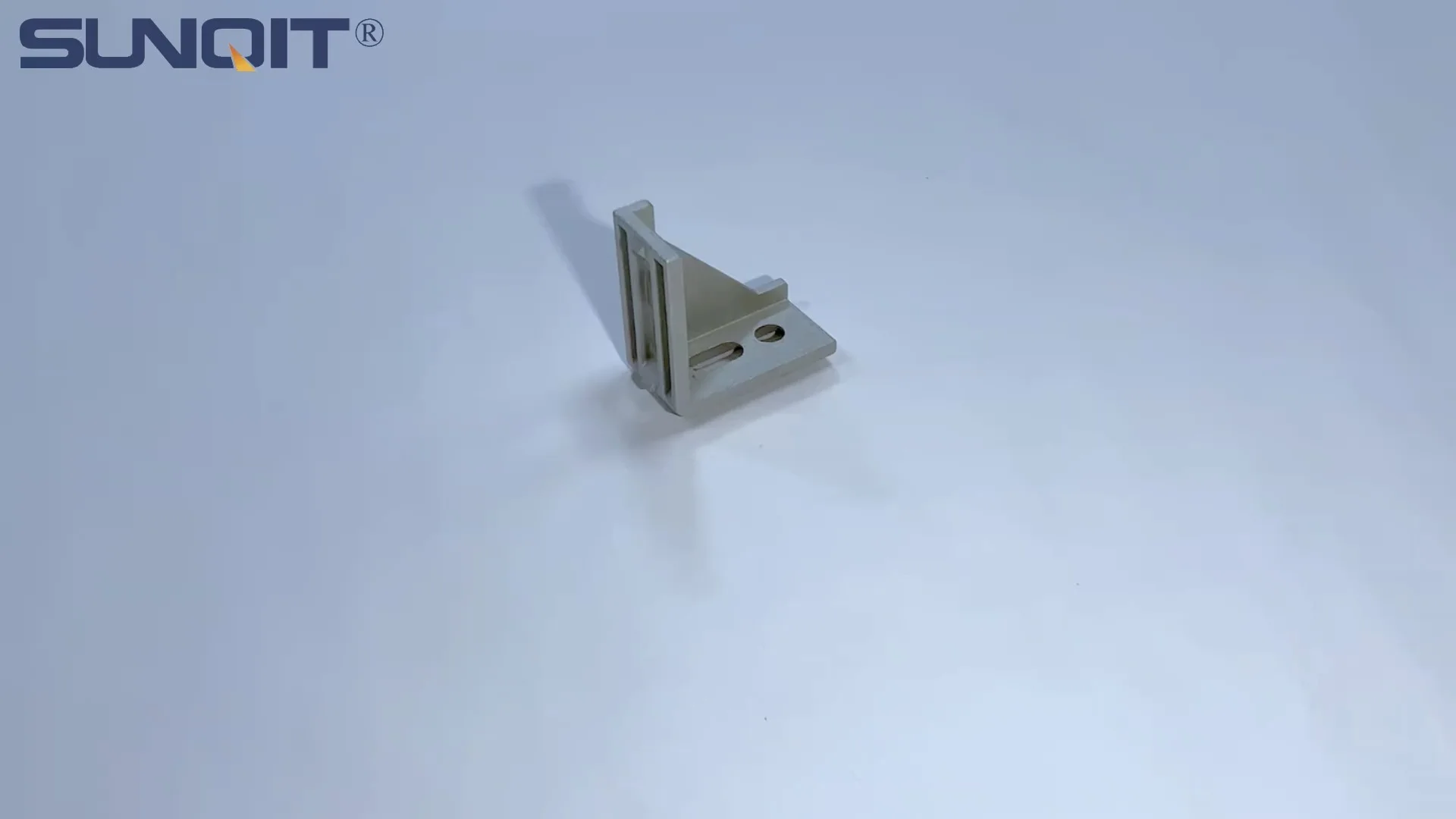
3060 Aluminum Angle Yards
It used for 90° flat connection for 20 series aluminum profile.
Walk into any hospital, clinic, or medical lab, and you'll notice a silent workhorse behind the scenes: the sturdy, unassuming frames that hold everything together. From the workbench where a lab technician prepares samples to the material rack storing sterile supplies, these structures are the backbone of healthcare operations. But not all frames are created equal. In an industry where precision, hygiene, and reliability can mean the difference between smooth care and costly delays, the choice of materials and design matters more than we often realize. That's where 3060 aluminum angle yards step in—a component so integral to medical equipment frames that it quietly shapes how healthcare professionals work, move, and care for patients every day.
The Hidden Demands of Medical Equipment Frames
Think about the last time you visited a hospital. The nurse wheeling a medication cart, the lab tech leaning over a workbench to analyze a blood sample, the orderly restocking a material rack with gloves and syringes—each of these actions relies on equipment that's built to perform under pressure. Medical environments throw unique challenges at these frames: constant cleaning with harsh disinfectants, heavy loads (like stacks of glassware or machinery), frequent movement (trolleys gliding through corridors), and strict hygiene standards to prevent cross-contamination. A flimsy frame might wobble under a loaded cart, a hard-to-clean surface could harbor bacteria, or a rigid design might fail to adapt when a department needs to rearrange its layout. These aren't just inconveniences—they're risks to efficiency, safety, and ultimately, patient care.
Traditional materials like steel or plastic have long been used for such frames, but they often fall short. Steel is durable, yes, but it's heavy—making trolleys hard to maneuver and workbenches difficult to reposition. It also rusts if not properly treated, a major issue in moisture-prone areas like operating rooms. Plastic, on the other hand, is lightweight but lacks the strength to support heavy medical equipment, and it can crack or warp over time with repeated cleaning. What medical facilities need is a middle ground: something strong yet light, easy to clean, customizable, and built to last. Enter aluminum extrusion profiles, and more specifically, the 3060 aluminum angle yards that have become a go-to solution for modern medical frame design.
What Makes 3060 Aluminum Angle Yards a Game-Changer?
At first glance, 3060 aluminum angle yards might seem like just another piece of metal, but their design is a masterclass in practicality. Let's break it down: "3060" refers to their dimensions—30mm in width and 60mm in height—while "angle yards" describes their L-shaped cross-section. This simple shape, paired with the properties of aluminum extrusion profiles, creates a component that's surprisingly versatile. Aluminum itself is already a standout material: it's lightweight (about a third the weight of steel), naturally resistant to corrosion (no rust, even with daily cleaning), and malleable enough to be extruded into precise, consistent shapes. When you combine that with the angle yard's structural design, you get a frame component that's both strong and adaptable—two must-haves in medical settings.
But the real magic lies in how 3060 aluminum angle yards work with other components, like aluminum profile accessories. These accessories—think joints, connectors, and brackets—turn basic aluminum extrusion profiles into customizable systems. Need a workbench that can be adjusted to different heights for technicians of varying statures? Use adjustable brackets. Want a material rack that can expand as your supply needs grow? Add extra crossbars with quick-connect joints. In medical labs, where protocols and equipment change frequently, this flexibility isn't a luxury—it's a necessity. A frame that can evolve with your needs reduces the cost of replacing entire systems and keeps operations running smoothly, even as demands shift.

Why Aluminum Extrusion Profiles Outshine the Rest
To truly appreciate 3060 aluminum angle yards, it helps to see how they stack up against other common materials used in medical frames. Let's compare:
| Material | Weight | Durability | Cleanability | Customization | Medical Compliance |
|---|---|---|---|---|---|
| 3060 Aluminum Angle Yards (Aluminum Extrusion Profile) | Lightweight (easy to move, reduces strain on staff) | High—resistant to dents, corrosion, and warping | Excellent—smooth, non-porous surface; compatible with harsh disinfectants | High—easily cut, drilled, and paired with aluminum profile accessories for unique designs | Meets ISO 13485 (medical device standards); often FDA-compliant for food/medical contact |
| Steel | Heavy (hard to maneuver; increases injury risk for staff) | High, but prone to rust if not coated | Poor—porous if painted; coatings can chip, harboring bacteria | Low—difficult to modify without specialized tools | Requires additional coatings to meet hygiene standards |
| Plastic | Lightweight | Low—prone to cracking under heavy loads or UV exposure | Good, but can degrade with frequent use of strong disinfectants | Medium—moldable but limited to pre-designed shapes | May leach chemicals over time; not ideal for long-term use |
The table tells a clear story: aluminum extrusion profiles, especially when paired with 3060 aluminum angle yards, hit the sweet spot for medical needs. Their lightweight nature reduces the risk of strains for nurses and orderlies pushing trolleys or adjusting workbenches. Their smooth, non-porous surface makes them a breeze to clean—critical in infection control, where even a tiny crevice can hide harmful bacteria. And because they're made from aluminum, they're naturally resistant to the harsh chemicals used in medical disinfectants, ensuring they won't degrade or become a breeding ground for germs over time.

From Workbench to Trolley: Real-World Applications in Healthcare
Let's zoom in on how 3060 aluminum angle yards and aluminum extrusion profiles transform everyday medical equipment. Take the workbench, for example—a staple in labs, pharmacies, and even operating rooms. A well-designed medical workbench needs to be stable (so samples don't spill), easy to clean (to prevent cross-contamination), and adjustable (to fit the task at hand). With 3060 aluminum angle yards as the frame, manufacturers can build workbenches with flat, seamless surfaces (often topped with stainless steel or antimicrobial laminates) and under-shelf storage using aluminum profile accessories like brackets and crossbars. Some workbenches even include built-in cable management—another win for organization in cluttered labs.
Then there are material racks—the unsung heroes of supply management. In busy hospitals, running out of gloves, syringes, or IV bags can grind a ward to a halt. Material racks built with aluminum extrusion profiles and 3060 angle yards are designed to maximize storage while keeping supplies visible and accessible. Imagine a 3-row, 3-floor material rack: each shelf is supported by sturdy aluminum crossbars, connected to vertical 3060 angle yards via heavy-duty joints. The open design makes it easy to scan inventory at a glance, and the lightweight frame means the entire rack can be moved if the storage room is rearranged. Plus, since aluminum doesn't rust, there's no risk of flaking paint or corrosion staining sterile supplies—something that's all too common with steel racks.
Even turnover trolleys—those ubiquitous carts used to transport everything from linens to patient meals—benefit from aluminum extrusion profiles. A trolley frame made with 3060 angle yards is strong enough to carry heavy loads but light enough for a single nurse to push through narrow corridors. Add caster wheels (another aluminum profile accessory) with locking brakes, and you've got a cart that's both maneuverable and stable when parked. In pediatric wards, where equipment needs to be extra gentle, the smooth edges of aluminum extrusion profiles also reduce the risk of bumps and scrapes—a small detail that makes a big difference in busy, high-stress environments.

Aluminum Profile Accessories: The Glue That Holds It All Together
If 3060 aluminum angle yards are the bones of medical frames, then aluminum profile accessories are the joints and muscles that give them movement and strength. These small but mighty components turn static frames into dynamic systems. Take internal rotatary aluminum joints, for example: these allow sections of a frame to pivot, making it possible to adjust a workbench's shelf angle or fold a trolley for storage. Or consider caster accessories—swivel wheels with brakes that lock securely, ensuring a medication cart stays put during patient rounds but glides smoothly when it's time to restock. Even something as simple as a plastic roller track guide rail (in yellow or grey, for visibility) can turn a basic shelf into a sliding system, letting staff pull supplies forward without reaching or straining.
In medical settings, where every second counts, these accessories save time and reduce frustration. A lab technician doesn't have to waste minutes struggling with a stuck drawer if the roller track glides smoothly. A nurse doesn't have to ask for help moving a heavy cart if the casters are designed for easy maneuvering. And because aluminum profile accessories are standardized, they're easy to replace if something wears out—no need to buy a whole new frame. This not only cuts down on maintenance costs but also ensures equipment downtime is kept to a minimum, which is critical in healthcare, where delays can have real consequences.
Meeting the Strict Standards of Medical Design
Healthcare isn't just about function—it's about compliance. Medical equipment must meet rigorous standards to ensure patient and staff safety, and 3060 aluminum angle yards and aluminum extrusion profiles are more than up to the task. Aluminum is inherently non-toxic and doesn't off-gas harmful chemicals, making it safe for use around patients and in sterile environments. Its resistance to corrosion also means it can withstand repeated cleaning with bleach, alcohol, and other hospital-grade disinfectants without degrading—something that's non-negotiable in infection control.
Many aluminum extrusion profile manufacturers also offer products that comply with ISO 13485, the international standard for medical device quality management systems. This certification ensures that the aluminum profiles and accessories used in frames are produced under strict quality controls, with traceability from raw material to finished product. For hospitals and labs, this compliance isn't just a box to check—it's peace of mind, knowing that the frames holding critical equipment are built to the highest safety standards.
Choosing the Right Supplier: More Than Just a Purchase
Of course, even the best materials are only as good as the supplier behind them. When it comes to medical equipment frames, partnering with a reliable aluminum profile supplier isn't just about getting parts—it's about ensuring consistency, expertise, and support. A reputable supplier will understand the unique needs of medical settings and can help you design frames that fit your specific workflow. Need a custom workbench with extra storage for specialized lab equipment? They'll work with you to select the right aluminum extrusion profiles and accessories. Concerned about lead times? A trusted supplier will have inventory on hand to keep your projects on schedule.
Look for suppliers who specialize in medical or industrial aluminum solutions, as they'll be familiar with the nuances of healthcare compliance. Ask about their quality control processes, whether they offer custom cutting or fabrication, and if they provide technical support for assembly. In the long run, a supplier who acts as a partner—rather than just a vendor—will save you time, reduce headaches, and ensure your frames are built to last.
The Ripple Effect: How Better Frames Improve Patient Care
It's easy to overlook the impact of something as "basic" as a frame, but in healthcare, every detail ripples outward. A sturdy, well-designed workbench reduces the risk of lab errors by keeping tools organized and within reach. A lightweight, maneuverable trolley lets nurses spend less time pushing equipment and more time with patients. A durable material rack ensures supplies are always stocked, preventing delays in treatment. These small improvements add up to a more efficient, less stressful environment for healthcare workers—and when staff are supported, patients feel the difference.
Consider a scenario: A busy ER receives a surge of patients. Nurses need to restock gloves, bandages, and syringes quickly. The material rack, built with 3060 aluminum angle yards and adjustable shelves, lets them grab supplies in seconds. The medication cart, with smooth-rolling casters and a stable aluminum frame, glides from room to room without jostling vials. The lab workbench, with its adjustable height and clutter-free surface, allows technicians to process samples faster. In moments like these, the right frames don't just support equipment—they support the people saving lives.
Looking Ahead: The Future of Medical Frames
As healthcare continues to evolve—with new technologies, stricter regulations, and a growing focus on efficiency—the demand for smarter, more adaptable equipment frames will only increase. 3060 aluminum angle yards and aluminum extrusion profiles are poised to lead this evolution, thanks to their inherent flexibility and durability. We're already seeing innovations, like aluminum honeycomb panels for lighter yet stronger workbench surfaces, or antimicrobial coatings on aluminum profiles to add an extra layer of infection control. As suppliers and manufacturers continue to collaborate with healthcare professionals, we can expect even more tailored solutions—frames that not only meet today's needs but anticipate tomorrow's challenges.
Final Thoughts: The Quiet Hero of Healthcare
3060 aluminum angle yards may not get the same attention as life-saving medical devices or cutting-edge technology, but they're no less essential. They're the quiet heroes that keep healthcare running—strong enough to support critical equipment, flexible enough to adapt to change, and safe enough to meet the highest standards of patient care. The next time you walk through a hospital, take a moment to notice the frames: the workbench where a tech analyzes a sample, the material rack holding life-saving supplies, the trolley moving silently through corridors. Behind each of them is a story of precision, care, and the unassuming power of well-designed aluminum extrusion profiles.
In the end, healthcare is about people—and the tools that help them do their jobs better. 3060 aluminum angle yards, paired with aluminum profile accessories and thoughtful design, are more than just tools. They're a testament to how even the smallest components can make a big difference in the lives of patients and the heroes who care for them.