- Company Articles
- Products and Technology
- Product knowledge
- Medical Equipment Frames: Role of 3030 Aluminum Profile End Caps

Medical Equipment Frames: Role of 3030 Aluminum Profile End Caps
Related Product
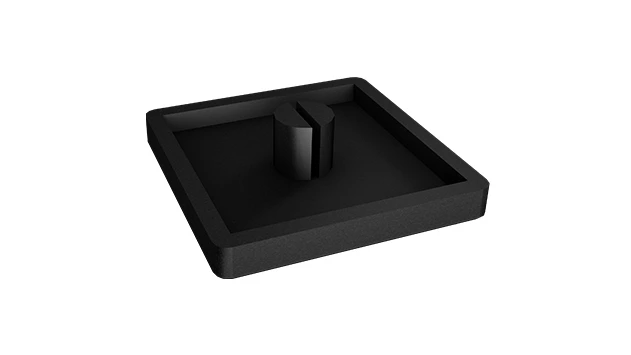
3030 Aluminum Profile End Cap
The aluminum profile end cap adds a finishing touch to your project and closes off profile ends to limit dust and debris buildup, also it can avaid some scratch for material and labor during the assemble work.
Medical Equipment Frames: Role of 3030 Aluminum Profile End Caps
Walk into any hospital, clinic, or medical lab, and you'll notice a silent workhorse behind nearly every critical task: the frames that support medical equipment. From the IV stands gliding beside patient beds to the surgical workbenches where life-saving tools are prepared, these frames are the unsung backbone of healthcare operations. They don't just hold things up—they ensure stability during emergencies, withstand constant cleaning, and adapt to the ever-changing needs of medical staff. Yet, for all their importance, one tiny component often goes unnoticed: the end caps that seal the ends of aluminum profiles. Today, we're shining a light on the 3030 aluminum profile end cap, a small but mighty part that plays a huge role in making medical equipment frames safe, durable, and ready for the demands of healthcare.
Why Medical Equipment Frames Matter More Than You Think
Medical equipment frames aren't just metal or plastic structures—they're lifelines. Imagine a nurse rushing to a patient's side with a crash cart: the frame must be sturdy enough to carry defibrillators, medications, and tools without wobbling. Or consider a lab workstation where technicians handle blood samples or fragile test tubes: the frame needs to stay stable to prevent spills that could compromise results. In surgery, even a shift in a tool cart's frame could distract a surgeon mid-operation. That's why medical frames are held to rigorous standards: they must be corrosion-resistant (to withstand daily disinfection), lightweight (for easy maneuvering), and strong (to support heavy loads). And at the heart of many of these frames? Aluminum extrusion profiles.
Aluminum Extrusion Profile: The Material of Choice for Medical Frames
When it comes to building medical equipment frames, aluminum extrusion profile has become the gold standard—and for good reason. Unlike steel, aluminum is lightweight, making carts and workbenches easy for staff to push or adjust. It's also naturally resistant to rust and corrosion, a must in environments where frames are wiped down with harsh disinfectants multiple times a day. But perhaps most importantly, aluminum extrusion allows for precision design. Extrusion is a process where aluminum is forced through a die to create custom cross-sections, like the T-slots found in many medical profiles. These slots let manufacturers add accessories—shelves, hooks, or tool holders—without welding, making frames adaptable to different needs. For example, a single aluminum profile frame can start as a simple IV stand and later be fitted with extra shelves to hold medication, all thanks to those T-slots. And when it comes to balancing strength, weight, and versatility, one profile size stands out for medical use: the 3030 aluminum profile.
3030 Aluminum Profile: The Sweet Spot for Medical Design
Aluminum profiles come in various sizes, from small 2020 (20mm x 20mm) to heavy-duty 4080 (40mm x 80mm). But for medical equipment frames, the 3030 aluminum profile (30mm x 30mm) hits a perfect balance. It's strong enough to support tools, supplies, or even small machines, yet not so bulky that it makes carts hard to navigate through tight hospital corridors. Its 30mm width provides enough surface area for T-slots, so accessories like baskets or holders can be attached securely. Think of it as the "medium" in a world of extremes: not too flimsy for heavy loads, not too heavy for daily use. That's why you'll find 3030 profiles in everything from mobile medication carts to lab workbenches and even surgical instrument racks. But as useful as the 3030 profile is on its own, it's incomplete without one crucial component: the end cap.
The Unsung Hero: 3030 Aluminum Profile End Cap
At first glance, a 3030 aluminum profile end cap might seem like an afterthought—a small plastic or metal piece that just "finishes off" the end of a profile. But in reality, it's a multi-tasking workhorse that solves four big problems in medical frame design: safety, protection, cleanliness, and aesthetics.
Safety First: No More Sharp Edges
Raw aluminum profiles have open ends, and those ends can be sharp. In a busy hospital, where staff are constantly moving around, a sharp edge on a cart or bench could scratch a nurse's arm or catch on a lab coat. Worse, if a patient bumps into an un-capped profile, it could cause a cut—something no healthcare facility can risk. 3030 aluminum profile end caps cover those open ends, creating smooth, rounded edges that reduce injury risk. Many end caps are even designed with a slight lip or soft material to add extra cushioning, just in case of accidental bumps.
Protection: Keeping Debris Out, Cleanliness In
Medical environments thrive on cleanliness, and open aluminum profile ends are a hidden enemy here. Without end caps, those hollow profiles can trap dust, dirt, or even liquids like saline or blood. Over time, trapped moisture could lead to mold growth inside the profile, and debris could make deep cleaning impossible. End caps seal off the profile's interior, turning it into a closed system that's easy to wipe down. During daily disinfection, staff can spray or wipe the frame's surface without worrying about liquids seeping into hidden crevices—a critical feature for preventing the spread of germs.
Durability: Adding Years to Frame Life
Aluminum is tough, but its ends are vulnerable. When a frame is moved, the open ends of profiles can bump into walls, doorframes, or other equipment, causing dents or bending. Those dents might not seem like a big deal, but they can weaken the profile over time, especially at stress points like joints. 3030 aluminum profile end caps act as a buffer, absorbing impact and protecting the profile's structural integrity. For example, a cart frame with end caps will fare much better against accidental collisions than one without, extending the equipment's lifespan and saving hospitals money on replacements.
Aesthetics: Looking the Part in Sterile Spaces
Healthcare is a field where appearance matters. A cluttered, unpolished frame can make patients feel uneasy or give the impression of poor care. 3030 aluminum profile end caps give frames a clean, finished look. Instead of seeing rough, open profile ends, staff and patients see smooth, uniform edges that blend seamlessly with the rest of the frame. Many end caps come in neutral colors like white or gray, matching the sterile, professional vibe of hospitals and labs. It's a small detail, but it adds up to a more reassuring environment for everyone involved.
Aluminum Profile Accessories: End Caps as Part of a Bigger Ecosystem
3030 aluminum profile end caps don't work alone—they're part of a family of aluminum profile accessories that make medical frames functional. Think of T-slot nuts that slide into the profile's slots to attach shelves, or corner brackets that connect profiles at 90-degree angles. End caps are the final piece of this puzzle, ensuring that every part of the frame works together. For example, a lab workstation might use 3030 profiles for the frame, T-slot accessories to hold a microscope shelf, and end caps to seal the profile ends. Without end caps, the workstation would look unfinished and risk trapping debris, undermining the functionality of the other accessories. It's this ecosystem approach that makes aluminum profiles so versatile for medical design—each accessory, including end caps, has a role to play in creating a frame that's safe, adaptable, and easy to maintain.
Comparing End Caps: Which One Fits Your Medical Frame?
Not all aluminum profile end caps are created equal. Different profile sizes (like 2020, 3030, or 4040) need matching end caps, and each type has unique features. To help you understand what makes 3030 end caps ideal for medical use, let's compare them to other common sizes:
| Profile Size | End Cap Material Options | Key Features for Medical Use | Common Medical Applications |
|---|---|---|---|
| 2020 Aluminum Profile | Plastic (nylon, ABS) | Lightweight, budget-friendly, best for small frames | Small tool holders, lightweight IV stands |
| 3030 Aluminum Profile | Plastic, aluminum, antimicrobial plastic | Smooth edges, tight seal against debris, compatible with heavy accessories | Surgical carts, lab workstations, medication carts |
| 4040 Aluminum Profile | Aluminum, steel-reinforced plastic | Heavy-duty, high impact resistance | MRI machine frames, large equipment racks |
As the table shows, 3030 aluminum profile end caps strike the best balance for most medical applications. They're available in antimicrobial plastic (great for infection control), fit profiles that support medium-to-heavy loads, and their size makes them easy to handle during assembly. For example, a medication cart using 3030 profiles with antimicrobial end caps can safely carry dozens of pill bottles, resist bacterial growth, and still be light enough for a nurse to push down a hallway—all thanks to the right end caps.
Real-World Impact: How End Caps Improve Healthcare Workflows
To see just how much 3030 aluminum profile end caps matter, let's look at a real example: a busy urban hospital that upgraded its surgical tool carts. Before switching to 3030 profile frames with end caps, the hospital used steel carts with open-profile ends. Nurses complained that the open ends trapped blood and saline, making deep cleaning a chore—even after wiping, they could never be sure the inside of the profiles was sterile. The steel frames were also heavy, making it hard to maneuver carts around tight operating room corners. After switching to 3030 aluminum extrusion profile frames with plastic end caps, the difference was night and day. The aluminum frames were lighter, so nurses could move carts with one hand. The end caps sealed the profiles, so cleaning staff could disinfect the entire cart surface in minutes, no more worrying about hidden debris. And the smooth edges reduced the number of minor scrapes and cuts on staff hands. Within six months, the hospital reported fewer cart-related injuries and faster cleaning times, freeing up staff to focus on patient care.
Future Trends: What's Next for Medical Frame End Caps?
As healthcare technology evolves, so too will the demand for smarter, more functional medical frames—and end caps will evolve with them. One emerging trend is antimicrobial end caps, treated with substances like silver ions to kill bacteria on contact. These could be game-changers in infection control, especially in ICUs or isolation rooms. Another trend is "smart" end caps with built-in RFID tags, allowing hospitals to track equipment location via barcode scanners. Imagine a crash cart that automatically alerts staff if it's moved outside the ER—all thanks to a tiny RFID chip in the end cap. There's also a push for more sustainable end cap materials, like recycled plastic or biodegradable options, to align with hospitals' green initiatives. No matter the innovation, one thing is clear: 3030 aluminum profile end caps will remain a critical part of medical frame design, adapting to new challenges while keeping safety and functionality front and center.
Conclusion: Small Part, Big Difference
When we think about medical equipment, we often focus on the "glamorous" parts—the monitors, the machines, the tools that directly save lives. But without the frames that hold them together, none of those tools would work. And without 3030 aluminum profile end caps, those frames would be unsafe, hard to clean, and prone to breaking down. From preventing injuries with smooth edges to keeping frames sterile by sealing out debris, end caps play a vital role in making healthcare equipment reliable. So the next time you see a medical cart, workstation, or IV stand, take a moment to appreciate the small, unassuming end caps. They might not get the spotlight, but they're working hard to keep staff safe, patients healthy, and healthcare running smoothly.