- Company Articles
- Products and Technology
- Product knowledge
- Medical Equipment Mobility: Swivel Stem Caster Wheels Applications

Medical Equipment Mobility: Swivel Stem Caster Wheels Applications
Related Product
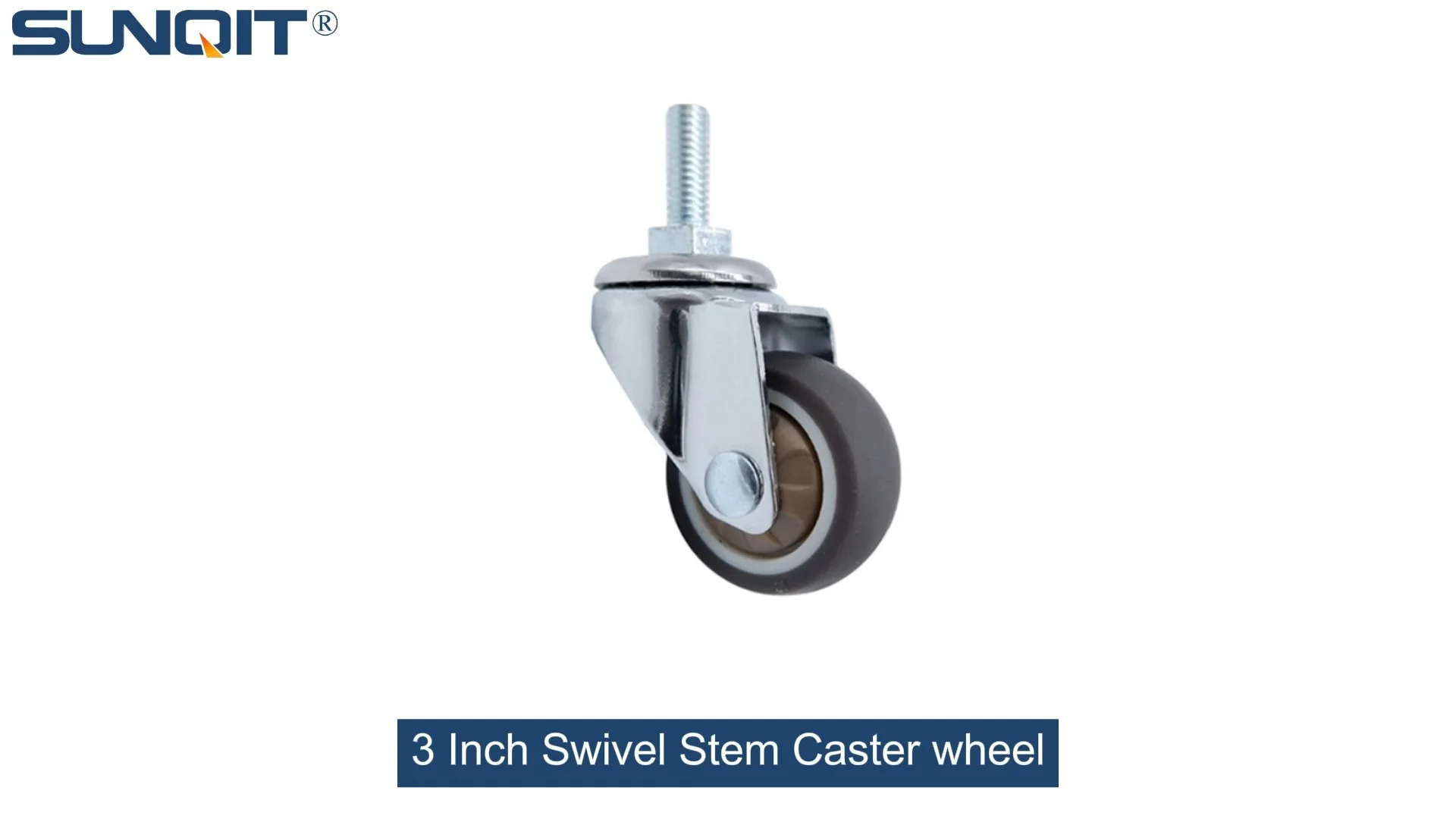
Swivel Stem Caster wheel
360 Degree Swivel Stem Caster. Threaded-post mount design, castors diameter 3 inch.Each swivel caster wheels loading 70KGS. Heavy enough and widely suit for carts, chairs, cabinet, flow rack, workbench, turnover rolley.
The Unseen Heroes of Hospital Hallways
It's 3 a.m. in the emergency department. A patient arrives via ambulance, and the team springs into action. A nurse grabs the stretcher, wheels gliding silently across the linoleum as they rush toward the trauma bay. Behind them, a respiratory therapist pushes a ventilator cart, its movement smooth and steady even over the threshold between rooms. In that critical moment, no one pauses to think about the small components making this rapid response possible—but without reliable mobility, every second of delay could cost a life.
In modern healthcare, mobility isn't just a convenience; it's a lifeline. From medication carts that traverse hospital floors to surgical workstations that adjust to surgeons' needs, the ability to move equipment quickly, safely, and precisely directly impacts patient outcomes and staff well-being. At the heart of this mobility revolution lies a seemingly simple yet ingeniously designed component: the swivel stem caster wheel. More specifically, the swivel stem caster wheel with brake has become a cornerstone of medical equipment design, offering the perfect balance of flexibility and stability that healthcare environments demand.
Why Mobility Matters in Healthcare: Beyond Just Moving Things
To understand the importance of swivel stem caster wheels in medical settings, we first need to grasp how mobility shapes daily operations in hospitals and clinics. Consider these scenarios:
- Patient Transfers: Moving a patient from a bed to an exam table or operating room requires equipment that responds instantly to the caregiver's movements—no jerking, no sticking, no unexpected delays.
- Medication Delivery: Pharmacies prepare hundreds of doses daily, and medication carts must navigate narrow corridors, elevator lobbies, and crowded nurse stations without disrupting workflow.
- Surgical Flexibility: During procedures, instruments, monitors, and suction devices need to be repositioned with pinpoint accuracy, often in tight spaces around the operating table.
- Infection Control: Mobile equipment must be easily moved to cleaning stations, with surfaces and components that resist harboring pathogens—a factor where material choice in caster wheels plays a hidden but vital role.
Did You Know? A 2023 study in the Journal of Healthcare Engineering found that hospitals using high-quality, ergonomically designed caster wheels reported a 22% reduction in staff musculoskeletal injuries, as smoother movement reduces the physical strain of pushing/pulling heavy equipment.

Swivel Stem Caster Wheels: A Closer Look at the Design
At first glance, a caster wheel might seem like a basic part—but in medical applications, every detail matters. Swivel stem caster wheels are engineered to address the unique challenges of healthcare environments, starting with their core components:
The Swivel Mechanism:
Unlike fixed casters, which only move forward and backward, swivel casters rotate 360 degrees around a vertical axis. This allows equipment to turn on a dime, a critical feature in tight spaces like patient rooms or operating suites. In medical models, the swivel head is often fitted with precision bearings to ensure smooth rotation even under heavy loads—think of a mobile X-ray machine weighing 500+ pounds gliding effortlessly around a corner.
The Stem Design:
The "stem" refers to the metal rod that attaches the caster to the equipment. In medical settings, stem casters are preferred over plate-mount casters (which bolt on) because they offer a lower profile, reducing the overall height of the equipment—a key advantage when fitting under beds or tables. Stem diameters and lengths vary, but most medical-grade casters use standardized stems to ensure compatibility with a range of equipment frames.
The Brake System:
Here's where the "swivel stem caster wheel with brake" becomes indispensable. Medical equipment can't just move well—it must
stay
well. Brakes prevent accidental rolling during patient transfers, medication preparation, or surgical procedures. Two common brake types dominate:
total lock brakes
(which lock both the wheel and swivel movement) and
wheel-only brakes
(which stop rotation but allow swiveling). In critical areas like operating rooms, total lock brakes are non-negotiable for safety.

Key Features That Make Medical Caster Wheels Stand Out
Not all caster wheels are created equal, and medical-grade models come with specialized features tailored to healthcare's strict demands. Let's break down what sets them apart:
Load Capacity:
Medical equipment ranges from lightweight IV poles to heavy-duty surgical carts. Swivel stem casters for medical use are rated for specific weight limits, often from 100 lbs per wheel for smaller carts to 1,000+ lbs for imaging equipment. Overloading a caster can lead to premature failure, so matching the caster to the equipment's weight is non-negotiable.
Material Matters:
The wheel itself is typically made of rubber, polyurethane, or thermoplastic elastomer (TPE). Rubber offers superior floor protection and noise reduction—important in patient rooms where quiet is critical for recovery. Polyurethane, on the other hand, excels in durability and chemical resistance, making it ideal for equipment used in harsh cleaning environments (think disinfectant sprays and frequent wipe-downs). Stainless steel or aluminum components in the swivel head and stem add corrosion resistance, a must for maintaining sterility.
Floor Protection:
Hospital floors are often made of vinyl, linoleum, or polished concrete—surfaces prone to scuffing or damage. Medical caster wheels are designed with soft, non-marking treads to prevent scratches, while still providing enough traction to avoid slipping on wet floors (a common hazard in areas like dialysis units or operating rooms).
Noise Reduction:
Imagine a busy ICU where every beep and rustle is amplified. A squeaky caster wheel isn't just annoying—it can disrupt patient sleep and increase stress for both patients and staff. High-quality medical casters use precision bearings and shock-absorbing materials to minimize noise, creating a calmer environment for healing.

From Stretchers to Workstations: Real-World Applications
Swivel stem caster wheels with brakes aren't just a theoretical solution—they're hard at work in nearly every corner of the hospital. Let's explore some key applications:
Stretchers and Gurneys:
When seconds count, a stretcher's mobility can mean the difference between life and death. Swivel casters allow paramedics to navigate ambulance ramps, elevator doors, and narrow hallways with precision. Once in the emergency room, the brake engages with a simple foot pedal, locking the stretcher in place during assessments or procedures. Many modern stretchers use a combination of swivel and fixed casters (two swivel with brakes at the head, two fixed at the foot) to balance maneuverability and stability.
Medication Carts:
Nurses push medication carts miles each shift, visiting dozens of patients. A well-designed cart with swivel stem casters reduces fatigue, while brakes ensure the cart stays put during dose preparation—critical for preventing medication errors. Some carts even feature dual-wheel casters for added stability, distributing weight evenly to avoid tipping when fully loaded with supplies.
Surgical Workstations:
In the OR, sterility and precision are everything. Mobile surgical tables, instrument carts, and anesthesia machines rely on swivel casters to position equipment exactly where the surgical team needs it. The brake system here is often foot-operated, allowing surgeons or nurses to lock/unlock the wheels without using their hands (which must remain sterile). Stainless steel components in the casters resist corrosion from frequent autoclaving or chemical sterilization.
Mobile Exam Tables:
In clinics and urgent care centers, exam tables on casters maximize space efficiency—they can be moved to accommodate wheelchairs, stored against walls when not in use, or repositioned for better lighting during procedures. Adjustable leveling feet often complement the casters here: when the table is in use, the feet lower to stabilize it, then retract when mobility is needed. This combination of casters and adjustable leveling feet ensures both flexibility and stability, a hallmark of modern medical furniture design.
Complementary Components: Casters and Beyond
While swivel stem caster wheels are stars of the show, they rarely work alone. Other components enhance their performance, ensuring medical equipment meets the full spectrum of healthcare needs:
Adjustable Leveling Feet:
As mentioned earlier, these feet provide a stable base when equipment is stationary. When the caster brakes are engaged, leveling feet can be extended to "lock" the equipment in place, even on uneven floors. This is especially useful for carts or workbenches that need to remain perfectly level during tasks like mixing medications or preparing samples.
Caster Accessories:
Small parts make a big difference. Stem covers protect the caster's internal components from dust and debris, while bearing lubricants ensure smooth rotation over time. Brake pedal extensions can be added to make locking/unlocking easier for staff with limited mobility, promoting inclusivity in the workplace.
Non-Marking Treads:
A subset of caster wheel design, these specialized treads are made from materials like polyurethane or rubber that won't leave black marks on floors—a small detail that saves hospitals time and money on floor maintenance while keeping environments looking clean and professional.
Choosing the Right Caster: A Decision Guide for Healthcare Facilities
With so many options on the market, selecting the right swivel stem caster wheel for medical equipment can feel overwhelming. Here's a breakdown of key factors to consider:
| Factor | Considerations for Medical Use | Example Scenario |
|---|---|---|
| Load Capacity | Calculate the total weight of the equipment plus maximum load (e.g., patient, supplies). Choose casters rated for 125% of this weight to account for uneven distribution. | A mobile ultrasound machine weighs 300 lbs; select casters rated for 400+ lbs. |
| Brake Type | Total-lock brakes for critical applications (OR, emergency); wheel-only brakes for less demanding use (storage carts). | Surgical instrument carts require total-lock brakes to prevent movement during procedures. |
| Material | Stainless steel for corrosion resistance; polyurethane for floor protection and noise reduction; rubber for traction on wet surfaces. | Dialysis carts use stainless steel casters to withstand frequent cleaning with harsh disinfectants. |
| Wheel Diameter | Larger wheels (5-6 inches) roll more easily over thresholds or uneven floors; smaller wheels (2-3 inches) for tight spaces. | Patient room equipment uses 3-inch wheels to fit under beds; stretchers use 5-inch wheels for rough terrain. |
Maintenance: Keeping Casters Rolling Smoothly
Even the best caster wheels need care to perform at their best. Regular maintenance not only extends their lifespan but also ensures safety and reliability:
- Daily Checks: Staff should inspect casters for debris (hair, lint, small screws) that can jam the swivel mechanism. A quick wipe with a damp cloth removes dust and prevents buildup.
- Weekly Lubrication: Apply a food-grade or medical-grade lubricant to swivel bearings and axles to keep rotation smooth. Avoid over-lubricating, as excess grease can attract dirt.
- Monthly Brake Tests: Ensure brakes engage fully and release completely. Adjust tension if the brake feels loose or sticks.
- Quarterly Replacement: Inspect treads for wear; if they're cracked, flattened, or losing traction, it's time for new wheels. replace stems or swivel heads if they show signs of corrosion or damage.
Pro Tip: Train environmental services staff to report caster issues during routine cleaning. A quick note about a squeaky wheel or sticky brake can prevent equipment downtime and potential safety hazards.
The Future of Medical Mobility: What's Next?
As healthcare technology evolves, so too will the casters that keep it moving. Emerging trends include:
Smart Casters:
Imagine casters with built-in sensors that monitor load, track movement patterns, or alert staff when brakes are left unlocked. Early prototypes are being tested in large hospital systems, with the goal of reducing equipment loss and improving workflow efficiency.
Eco-Friendly Materials:
Manufacturers are exploring sustainable options like recycled polyurethane treads and aluminum stems, reducing the environmental impact of caster production and disposal.
Ergonomic Innovations:
New brake designs require less force to engage, reducing strain on staff. Some models even feature "soft-start" swivel mechanisms that prevent sudden movements, further lowering injury risk.
Final Thoughts: Small Parts, Big Impact
Swivel stem caster wheels with brakes may not grab headlines, but they're the unsung heroes of modern healthcare. From the trauma bay to the clinic, these small components enable the mobility that keeps hospitals running, patients healing, and staff thriving. As healthcare continues to advance, one thing is clear: the demand for smarter, safer, more reliable mobility solutions will only grow—and swivel stem casters will be right there, rolling forward.
So the next time you walk through a hospital, take a moment to notice the wheels beneath the equipment. They're not just moving—they're making a difference, one smooth roll at a time.