- Company Articles
- Products and Technology
- Product knowledge
- Medical-Grade Plastic Pipe End Caps: Meeting Sterility Requirements in Healthcare

Medical-Grade Plastic Pipe End Caps: Meeting Sterility Requirements in Healthcare
Related Product
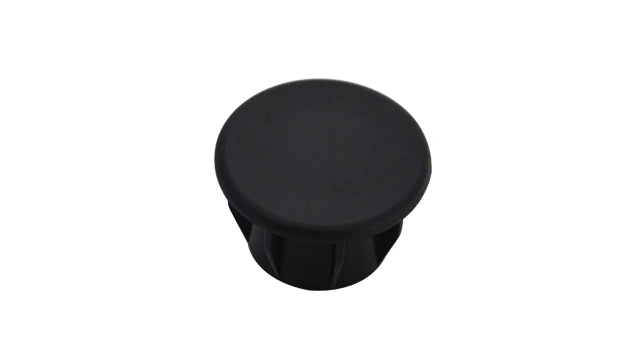
Plastic pipe end cap
Plastic pipe cover, used for 28mm two end cover and protection, to avoid any scratch from sharp metal surface.
In healthcare, where the line between healing and harm can be razor-thin, sterility isn't just a buzzword—it's a lifeline. Every surface, every tool, and every component of the infrastructure that touches patients, medications, or medical devices must stand up to the strictest standards of cleanliness. Yet, in the rush to focus on high-profile equipment like surgical tools or MRI machines, smaller components often fly under the radar. One such unsung hero? The medical-grade plastic pipe end cap. These unassuming caps play a critical role in maintaining sterile environments, ensuring that pipes, frames, and modular structures don't become hidden breeding grounds for bacteria. Let's dive into why these small components matter, how they're designed to meet healthcare's rigorous demands, and why they're indispensable in keeping patients and staff safe.
What Are Medical-Grade Plastic Pipe End Caps?
At first glance, a plastic pipe end cap might seem like little more than a simple plug. But in medical settings, "simple" is never the goal. Medical-grade plastic pipe end caps are specialized components designed to seal the open ends of pipes, tubes, or profiles used in healthcare infrastructure—think shelving units, workbenches, IV stands, or transport carts. Unlike standard industrial end caps, these are engineered with one primary mission: to prevent contamination.
Made from high-purity, medical-grade plastics (often polypropylene, polyethylene, or PVC), they're formulated to resist chemicals, withstand repeated sterilization, and avoid leaching harmful substances. But their role goes beyond just "plugging a hole." In a healthcare system where even a single bacteria-laden crevice can lead to infections, these caps act as a first line of defense, ensuring that pipes don't collect dust, moisture, or pathogens that could compromise patient safety.
What sets them apart from non-medical alternatives? For starters, their manufacturing process. Medical-grade end caps are produced in cleanrooms, with strict quality control measures to avoid particulate contamination. They're also tested rigorously to meet biocompatibility standards, meaning they won't trigger allergic reactions or toxic responses when in contact with patients or medical materials. In short, they're not just "plastic caps"—they're precision-engineered guardians of sterility.
Key Features That Make Sterility Possible
So, what makes a plastic pipe end cap "medical-grade"? It's all in the details. Let's break down the features that ensure these caps don't just fit pipes, but actively contribute to sterile environments:
Smooth, Seamless Surfaces: Bacteria love hiding in cracks, crevices, or rough textures. Medical-grade end caps are designed with ultra-smooth exteriors and interiors, leaving no room for pathogens to cling. Even microscopic imperfections are minimized during manufacturing, often through injection molding processes that create a uniform, non-porous finish. This smoothness also makes cleaning a breeze—disinfectants can easily wipe across the surface without missing hidden spots.
Chemical and Temperature Resistance: Healthcare environments are tough on materials. End caps must withstand daily exposure to harsh disinfectants (like bleach, alcohol, or hydrogen peroxide), high-temperature autoclaving, and even cold storage in labs or pharmacies. Medical-grade plastics are chosen for their ability to resist degradation under these conditions, ensuring the cap remains intact and effective over time.
Secure, Leak-Proof Fit: A loose cap is a failed cap. These end caps are engineered to fit snugly onto pipes, often with friction-fit designs or threaded closures that create an airtight seal. This prevents moisture, dust, or liquids from seeping into the pipe's interior—a critical feature in areas like operating rooms, where spills are common, or labs, where sensitive samples might be stored nearby.
Non-Shedding Materials: Standard plastics can degrade over time, shedding tiny particles (like plastic dust) that contaminate cleanrooms or patient areas. Medical-grade plastics are formulated to be non-shedding, ensuring that even after repeated use and cleaning, they don't release particles into the environment. This is especially important in pharmaceutical manufacturing or sterile compounding labs, where air quality is tightly controlled.

Where Do These Caps Actually Get Used?
Medical-grade plastic pipe end caps aren't limited to one area of healthcare—they're everywhere. Let's walk through a few key settings where they play a vital role:
Hospitals and Clinics: From the IV stands rolling between patient beds to the shelving holding medications in nurses' stations, hospitals rely on modular structures built with pipes and profiles. Many of these structures use lean pipe or aluminum profile frames for flexibility (since healthcare needs change daily—think adding a new shelf for PPE or reconfiguring a workbench for a new procedure). Without end caps, the open ends of these pipes would collect dust, hair, or spilled liquids, turning them into contamination risks. Plastic pipe end caps seal these ends, keeping surfaces clean and reducing the workload for cleaning staff.
Laboratories and Research Facilities: Labs dealing with pathogens, tissue samples, or pharmaceutical compounds can't afford even the smallest contamination. Here, stainless steel pipe series are often used for their corrosion resistance (think lab benches or chemical storage racks), and their end caps must match that level of durability. Medical-grade plastic caps here ensure that no foreign particles enter the pipes, which could compromise experiments or endanger researchers.
Pharmaceutical Manufacturing: In drug production, sterility is regulated by strict FDA and EMA guidelines. Conveyor systems, which transport vials, syringes, or pill bottles, are often built with aluminum extrusion profiles or roller tracks. The end caps on these systems must be smooth, chemical-resistant, and easy to sanitize to avoid contaminating medications during production.
Medical Device Assembly: When building devices like pacemakers or surgical tools, even a single speck of dust can ruin a product. Workbenches and assembly lines in these facilities use lean pipe workbenches and aluminum guide rails, all sealed with end caps to maintain a particle-free zone. The caps here don't just prevent contamination—they also protect the precision tools and components being assembled.

Integration with Lean Systems: A Team Effort for Sterility
Healthcare facilities don't operate in isolation, and neither do their components. Medical-grade plastic pipe end caps rarely work alone—they're part of larger lean systems designed to optimize efficiency without sacrificing sterility. Let's look at how they integrate with other key components:
Lean Pipe and Aluminum Profiles: Lean systems in healthcare prioritize flexibility, allowing facilities to adapt quickly to changing needs (like expanding a COVID ward or reconfiguring a lab for a new study). Lean pipe (often coated steel or aluminum) and aluminum profiles are the backbone of these systems, used to build everything from mobile carts to workstations. Plastic pipe end caps are the perfect match for these materials—they're lightweight, easy to install, and compatible with the modular nature of lean systems. For example, a lean pipe workbench used for preparing chemotherapy drugs will have end caps on every exposed pipe end, ensuring no residue builds up in hard-to-reach spots.
Stainless Steel Pipe Series: In areas where corrosion resistance is non-negotiable—like operating rooms or sterile processing departments—stainless steel pipe series take center stage. These pipes are durable, easy to clean, and resistant to rust, but their open ends still need protection. While some stainless steel pipes use metal end caps, plastic options are often preferred for their lighter weight and compatibility with frequent sterilization. Medical-grade plastic caps here provide a secure seal without adding unnecessary heft, making them ideal for mobile equipment like surgical instrument carts.
Roller Tracks and Conveyors: In pharmaceutical labs or hospital pharmacies, roller tracks and conveyors move medications, samples, or supplies between stations. These systems rely on smooth, unobstructed movement, and end caps play a role here too. Plastic roller track guide rails (often yellow or grey for visibility) use end caps to prevent items from getting stuck on sharp edges, while also sealing the rails to avoid dust buildup. It's a small detail, but one that keeps the entire workflow running smoothly—and sterile.
Casters and Trolleys: Mobile equipment like medication trolleys or lab sample carts use casters for easy movement. The frames of these trolleys are often built with aluminum pipe or lean pipe, and end caps ensure that the base of the trolley (which might come into contact with floors or walls) doesn't collect dirt or bacteria. Even the smallest gap in a caster-mounted frame could trap debris, making end caps essential for maintaining cleanliness on the go.
Comparison of Materials Used in Medical-Grade Pipe End Caps
| Material | Key Sterility Features | Common Healthcare Applications | Durability & Maintenance |
|---|---|---|---|
| Medical-Grade Plastic | Smooth, non-porous surface; chemical resistance; lightweight; non-shedding | Lean pipe workbenches, aluminum profile shelving, mobile trolleys | High durability; resistant to cracking; easy to clean with disinfectants |
| Stainless Steel (Stainless Steel Pipe Series) | Corrosion-resistant; heat-tolerant; compatible with autoclaving | Operating room equipment, sterile processing carts, lab sinks | Extremely durable; scratch-resistant; requires regular polishing to maintain shine |
| Aluminum (Aluminum Profile) | Lightweight; smooth anodized finish; compatible with plastic end caps | Modular workstations, conveyor systems, IV stands | Moderate durability; prone to dents if mishandled; requires protective caps to prevent oxidation |
Compliance and Certification: Beyond "Good Enough"
In healthcare, "good enough" isn't a standard—it's a liability. Medical-grade plastic pipe end caps must meet strict regulatory requirements to ensure they're safe for use. Here's what you need to know about compliance:
ISO Standards: The International Organization for Standardization (ISO) sets global benchmarks for medical devices and components. ISO 13485, for example, outlines quality management systems for medical device manufacturers, ensuring that end caps are produced in controlled environments with traceable materials. ISO 10993 (Biological Evaluation of Medical Devices) is also critical—it tests for cytotoxicity, irritation, and sensitization, ensuring the plastic doesn't harm living tissue.
FDA Regulations: In the U.S., the FDA classifies medical-grade components like end caps as "medical devices" (often Class I or II, depending on risk). Manufacturers must register with the FDA, follow Current Good Manufacturing Practices (cGMP), and provide documentation proving their caps meet safety standards. For end caps used in drug manufacturing, compliance with FDA's 21 CFR Part 211 (Current Good Manufacturing Practice for Finished Pharmaceuticals) is also required.
CE Marking: In Europe, medical-grade end caps must carry the CE mark, indicating compliance with the European Medical Device Regulation (MDR). This involves rigorous testing for safety, performance, and sterility, as well as post-market surveillance to ensure ongoing quality.
Why does this matter for healthcare facilities? Choosing non-compliant end caps isn't just a regulatory risk—it's a patient safety risk. A cap that hasn't been tested for biocompatibility might leach chemicals into medications. One that fails ISO 13485 standards might harbor bacteria in hidden defects. Compliance certifications aren't just paperwork—they're proof that the product has been vetted for the unique challenges of healthcare.
Choosing the Right Supplier: What to Look For
Not all medical-grade plastic pipe end caps are created equal, and neither are their suppliers. When selecting a supplier, healthcare facilities should prioritize partners who understand the unique demands of sterile environments. Here are key factors to consider:
Specialization in Medical-Grade Products: Avoid suppliers who treat medical components as an afterthought. Look for companies with a proven track record in healthcare—those who specialize in lean pipe, aluminum profile, and stainless steel pipe series components for medical use. These suppliers will have deeper expertise in compliance, material science, and sterile design.
Transparent Quality Control: A reputable supplier should be willing to share documentation, including material certifications, test reports (like ISO 10993 results), and manufacturing process details. Ask about their cleanroom standards, how they source raw materials, and what steps they take to prevent contamination during production.
Customization Options: Healthcare facilities have unique needs. Maybe you need a specific size to fit an aluminum guide rail, or a colored cap to match infection control protocols (like red for biohazard zones). A good supplier should offer custom sizing, colors, or designs without compromising sterility.
Technical Support: Installing end caps might seem straightforward, but in complex lean systems, compatibility matters. Suppliers should provide technical support to help you choose the right cap for your pipes (whether lean pipe, aluminum profile, or stainless steel) and offer guidance on installation to ensure a secure fit.
Consistency in Supply: Healthcare can't afford delays. Look for suppliers with reliable inventory and fast lead times, especially for critical components. A supplier with multiple manufacturing facilities or backup stock is less likely to leave you waiting when you need to replace worn end caps.
The Bottom Line: Small Caps, Big Impact
In the grand scheme of healthcare infrastructure, medical-grade plastic pipe end caps might not get the attention of a state-of-the-art MRI machine or a life-saving ventilator. But their role in maintaining sterile environments is undeniable. They're the silent sentinels, working 24/7 to ensure that pipes, frames, and systems don't become hidden threats. From the pharmacy shelf holding life-saving drugs to the surgical cart transporting instruments, these caps are there, doing their job quietly but effectively.
As healthcare continues to evolve—with stricter regulations, more complex procedures, and a growing focus on infection control—the demand for high-quality, reliable components will only increase. Medical-grade plastic pipe end caps, integrated with lean pipe, aluminum profile, and stainless steel systems, will remain a cornerstone of sterile design. Because in healthcare, every detail counts. And when it comes to keeping patients safe, even the smallest component can make the biggest difference.