- Company Articles
- Products and Technology
- Application Cases
- Medical Industry Applications of 3030a EU Standard Aluminum Profile

Medical Industry Applications of 3030a EU Standard Aluminum Profile
Related Product
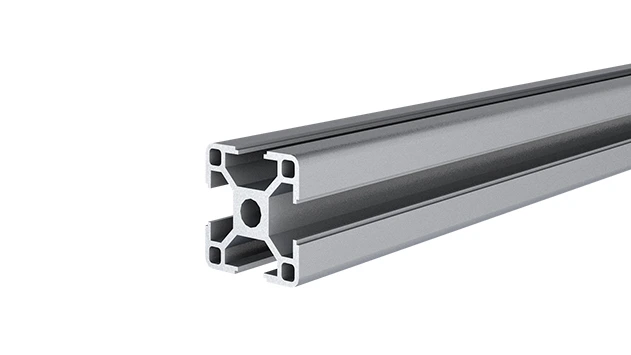
3030A EU Standard Aluminum Profile
3030 is a 3.00 x 3.00CM fractional 30 series square extrusion T-slot profile with four open T-slots, each side with 3.00cm face. The profile has align-a-grooves to assist in aligning connecting profiles.
In the high-stakes world of healthcare, where precision can mean the difference between life and death, the tools and infrastructure that support medical professionals are more critical than ever. Behind the scenes of every hospital, laboratory, and medical device facility lies a silent workhorse: the materials that build the workbenches, carts, and systems that keep operations running smoothly. Among these, the 3030a EU Standard Aluminum Profile has emerged as a transformative force, blending durability, hygiene, and adaptability to meet the unique demands of the medical industry. Far more than just a metal extrusion, this aluminum profile is redefining how healthcare spaces are designed—prioritizing safety, efficiency, and the ability to evolve with changing needs. Let's explore how this unassuming material is becoming an indispensable part of modern medical infrastructure.
Why 3030a Aluminum Profile is a Game-Changer for Healthcare
At first glance, aluminum might seem like a common choice, but the 3030a EU Standard Aluminum Profile stands out for its ability to address the medical industry's most pressing challenges. Let's start with hygiene—a non-negotiable in environments where contamination risks are ever-present. Unlike porous materials like wood or even some plastics, the smooth, non-porous surface of 3030a aluminum resists bacterial growth and is effortless to sanitize. Wipe it down with harsh disinfectants, steam-clean it, or expose it to UV light—the profile holds up, ensuring surfaces remain sterile for patient care, lab work, or device manufacturing.
Durability is another key strength. Medical equipment and workspaces endure constant use: heavy machinery on workbenches, frequent cleaning, and the wear-and-tear of daily operations. The 3030a profile, made through precision aluminum extrusion, boasts impressive structural integrity. It won't warp, crack, or corrode, even when exposed to chemicals or moisture—critical for areas like sterilization rooms or pharmaceutical labs. Yet, despite its strength, it's surprisingly lightweight. This combination makes it ideal for everything from fixed shelving to mobile carts, where portability and sturdiness are equally important.
Modularity might be its most valuable feature. Healthcare settings are dynamic: a lab might need to reconfigure workstations for a new research project; a hospital might require additional storage for PPE during a surge. The 3030a profile's T-slot design (a hallmark of T-slot aluminum pipe) allows for tool-free assembly and reconfiguration. With the right aluminum profile accessories—connectors, brackets, end caps—teams can build, modify, or repurpose structures in hours, not days. No welding, no specialized tools, no downtime. This flexibility isn't just convenient; it's cost-effective, reducing the need for expensive custom builds and allowing facilities to adapt without overspending.
Real-World Applications: How 3030a Aluminum Profile Powers Medical Spaces
Laboratory Workbenches: The Foundation of Precision
Walk into any medical research lab, and you'll find workbenches that are the epicenter of discovery. These surfaces must support delicate equipment, resist chemical spills, and stay sterile—all while remaining stable enough for precise experiments. 3030a aluminum profile workbenches excel here. Framed with sturdy aluminum extrusions and topped with materials like aluminum honeycomb panels or anti-static laminates, they offer a rock-solid workspace that won't vibrate during sensitive tests. The T-slot design lets technicians attach tools, microscopes, or overhead lighting directly to the bench, keeping essentials within arm's reach and clutter at bay. Unlike traditional wooden benches that absorb spills or rust-prone steel ones that weigh a ton, these aluminum workbenches are built to last, even in the busiest labs.
Take a molecular biology lab, for example. Researchers there often need to rearrange workstations to accommodate new equipment like PCR machines or centrifuges. With aluminum profiles, they can adjust shelf heights, add side tables, or even reposition the entire bench—no contractors needed. This adaptability ensures the lab stays productive, even as research priorities shift.
Medical Device Assembly: Lean System Integration
The production of medical devices—from surgical tools to pacemakers—demands precision, efficiency, and strict adherence to quality standards. This is where lean system principles shine, and 3030a aluminum profile is the perfect partner. Lean manufacturing relies on minimizing waste, optimizing workflows, and adapting quickly to changes—all areas where aluminum profiles excel. Assembly lines built with 3030a extrusions are inherently flexible: add a new inspection station, reconfigure a production cell, or adjust conveyor heights in minutes, not weeks. The T-slot design allows for easy attachment of fixtures, tool holders, or even electronic monitors, ensuring every step of the assembly process is streamlined.
Consider a facility producing insulin pumps. As demand grows, they might need to scale production without disrupting existing workflows. With aluminum profiles, they can extend the assembly line using pre-cut extrusions and connectors, keeping downtime to a minimum. The clean, industrial look of the profiles also reinforces a culture of precision—important when building life-saving devices. And because the system is modular, if a new pump model requires a different assembly process, the line can be reconfigured instead of replaced, saving time and money.
Mobile Medical Carts: Mobility with Purpose
In hospitals, mobility is key. Nurses need to transport medications, monitors, and supplies between rooms; phlebotomists need to carry equipment to patients' bedsides. Mobile carts built with 3030a aluminum profile are designed to make this easier. Lightweight yet strong, they're easy to push, even when loaded with heavy items like IV bags or EKG machines. Add caster wheels (a critical accessory) with locking mechanisms, and you get stability when in use and maneuverability when on the move—no more struggling with steel carts that strain staff or damage floors.
Customization is another advantage. A medication cart might need drawers with dividers for different drugs; a crash cart might require secure storage for emergency equipment. With aluminum profile accessories like brackets and dividers, these carts can be tailored to specific department needs. And when needs change—say, a cart needs to add a laptop mount for electronic records—the T-slot design makes upgrades simple. This versatility ensures carts remain useful for years, adapting to new technologies or protocols without needing replacement.
Cleanroom Storage: Sterility Meets Accessibility
Cleanrooms in pharmaceutical or semiconductor manufacturing demand storage solutions that won't compromise sterility. 3030a aluminum profile racks and shelving are a natural fit. Their smooth surfaces prevent dust buildup, and they're compatible with strict cleaning protocols—no crevices for contaminants to hide. Whether storing vials of vaccine, surgical instruments, or microchips for medical devices, these systems keep items organized and accessible.
Plastic roller track guide rails (available in yellow or grey) are often paired with aluminum profiles in cleanroom storage, creating gravity-fed shelving that ensures first-in, first-out (FIFO) inventory management—critical for expiration-sensitive products like medications. The rails glide smoothly, reducing friction and making it easy to retrieve items without disrupting the cleanroom's airflow. And because the system is modular, shelves can be added or removed as inventory levels change, ensuring space is used efficiently.

Aluminum Profile Accessories: The Building Blocks of Customization
The true magic of 3030a aluminum profile lies in its ecosystem of accessories. These small components turn a simple extrusion into a fully functional system, allowing for endless customization. Let's break down the essentials:
Connectors & Brackets: These are the glue that holds everything together. From 90° aluminum profile connectors for right-angle joints to three-way connectors for branching structures, they eliminate the need for welding. Many use simple bolts or clamping mechanisms, making assembly and disassembly a breeze. For example, 2020 switch to aluminum corner codes has simplified building sturdy frames for workbenches or carts, ensuring joints stay tight even with heavy use.
End Caps: A small detail with big impact. These plastic or aluminum caps fit over the ends of profiles, covering sharp edges (a safety must in busy labs) and preventing dust, liquids, or debris from entering the T-slot. In sterile environments, they're non-negotiable for maintaining cleanliness.
Roller Tracks & Guide Rails: As mentioned earlier, plastic roller track guide rails (yellow or grey) and aluminum guide rails turn static shelves into dynamic storage systems. They're ideal for moving bins, trays, or products along workstations, reducing manual lifting and streamlining workflows.
Caster Wheels: No mobile cart is complete without reliable casters. Heavy-duty caster wheels with locking brakes ensure carts stay stable during use and move smoothly across floors, even in busy hospitals. Accessories like caster mounting plates make it easy to attach them to aluminum profiles, creating custom carts in minutes.
Together, these accessories transform 3030a aluminum profile from a static material into a toolkit for innovation. Need a last-minute workstation for a new lab tech? Grab some profiles, connectors, and a worktop—you'll be up and running by lunch. Need to modify a storage rack for taller equipment? Swap out brackets and adjust shelf heights—no tools required.
3030a Aluminum vs. Traditional Materials: A Clear Winner
To understand why 3030a aluminum profile is taking over medical settings, let's compare it to common alternatives:
| Material | Hygiene | Durability | Customization | Weight | Long-Term Cost |
|---|---|---|---|---|---|
| 3030a Aluminum Profile | Excellent—non-porous, easy to sanitize, resists bacterial growth | High—corrosion-resistant, no warping/cracking, withstands heavy use | Exceptional—modular with T-slot design; reconfigurable in hours | Light—easy to install/move without heavy equipment | Low—durable, reusable, and adaptable; reduces replacement costs |
| Stainless Steel | Good—non-porous, but welded joints trap bacteria; harder to clean | Very High—extremely strong, but heavy and prone to scratches | Poor—requires welding; modifications are expensive and time-consuming | Very Heavy—difficult to move; needs structural support | High—expensive upfront and hard to modify; high shipping costs |
| Plastic | Fair—non-porous, but scratches harbor bacteria; not heat-resistant | Low—prone to warping, cracking, and chemical damage | Limited—some modular options, but low load capacity | Light—easy to move, but flimsy for heavy loads | High—cheap upfront, but needs frequent replacement |
| Wood | Poor—porous, absorbs liquids/chemicals; impossible to fully sanitize | Low—warps, rots, and splinters; not suitable for wet environments | Moderate—customizable, but modifications are permanent and messy | Heavy—hard to move; requires sealing to resist moisture | High—low upfront cost, but high maintenance and replacement costs |
The verdict is clear: 3030a aluminum profile outperforms traditional materials in nearly every category that matters to healthcare. It's more hygienic than wood, more customizable than stainless steel, and more durable than plastic—all at a competitive long-term cost.
Compliance & Safety: Meeting the Strictest Standards
In healthcare, compliance isn't optional—it's a legal and ethical obligation. 3030a aluminum profile is designed to meet the rigorous EU standards that govern medical equipment and facilities. For starters, it complies with REACH regulations, which restrict hazardous substances, ensuring it won't leach toxins into the environment. This is critical for pharmaceutical manufacturing or labs where purity is paramount.
Biocompatibility is another key factor. Under ISO 10993, the profile is tested to ensure it's safe for contact with human tissue or bodily fluids—essential for applications like surgical tool storage or implant manufacturing workbenches. It's also fire-resistant, meeting EN 13501-1 standards, which is crucial in hospitals where fire safety can save lives.
Load-bearing capacity is rigorously tested, too. Profiles are rated to support specific weights, preventing structural failure in critical applications like shelving for heavy medical imaging equipment. And because it's made from aluminum—a material with a long history of safe use in healthcare—facilities can trust that it meets the same standards as the devices and tools they use daily.
The Future: Where 3030a Aluminum Profile is Headed
As healthcare evolves, 3030a aluminum profile is poised to keep up. One trend is smart integration: imagine workbenches with embedded sensors (attached via T-slot accessories) that monitor temperature, humidity, or equipment usage. This data can optimize workflows, predict maintenance needs, and ensure compliance with storage protocols for sensitive materials like vaccines.
Sustainability is another focus. Aluminum is 100% recyclable, and manufacturers are increasingly using recycled materials to produce 3030a profiles. For hospitals and labs aiming to reduce their carbon footprint, this makes aluminum a greener alternative to plastics or non-recyclable composites.
Finally, miniaturization will drive innovation. As medical devices shrink—think smaller pacemakers or micro-robotic surgical tools—manufacturing facilities will need smaller, more precise workspaces. 3030a's extrusion process allows for intricate, small-scale profiles, enabling the creation of micro-assembly lines that can handle tiny components with precision.
Conclusion: Building a Healthier Future, One Profile at a Time
The 3030a EU Standard Aluminum Profile may not grab headlines, but its impact on healthcare is undeniable. It's the quiet innovator behind cleaner labs, more efficient hospitals, and safer medical devices. By combining durability, hygiene, and modularity, it empowers healthcare professionals to focus on what matters most: patient care and life-saving research.
As the medical industry continues to face new challenges—from pandemics to advancing technology—flexible, reliable infrastructure will be more important than ever. 3030a aluminum profile isn't just a material; it's a partner in progress, helping facilities adapt, grow, and deliver better outcomes. In the end, it's not just about building workbenches or carts—it's about building a healthier, more resilient future for healthcare.