- Company Articles
- Products and Technology
- Product knowledge
- Medical Industry: Custom 2.0mm Stainless Steel Pipe Lengths

Medical Industry: Custom 2.0mm Stainless Steel Pipe Lengths
Related Product
2.0mm Stainless Steel Pipe
Stainless steel pipe, lean pipe, diameter is 28mm, material is SS201 or SS304, SS201 is normally used in the market. It knows a KARAKURI, KAIZEN material for industrial plant to improve efficiency, save labor cost, standard management.
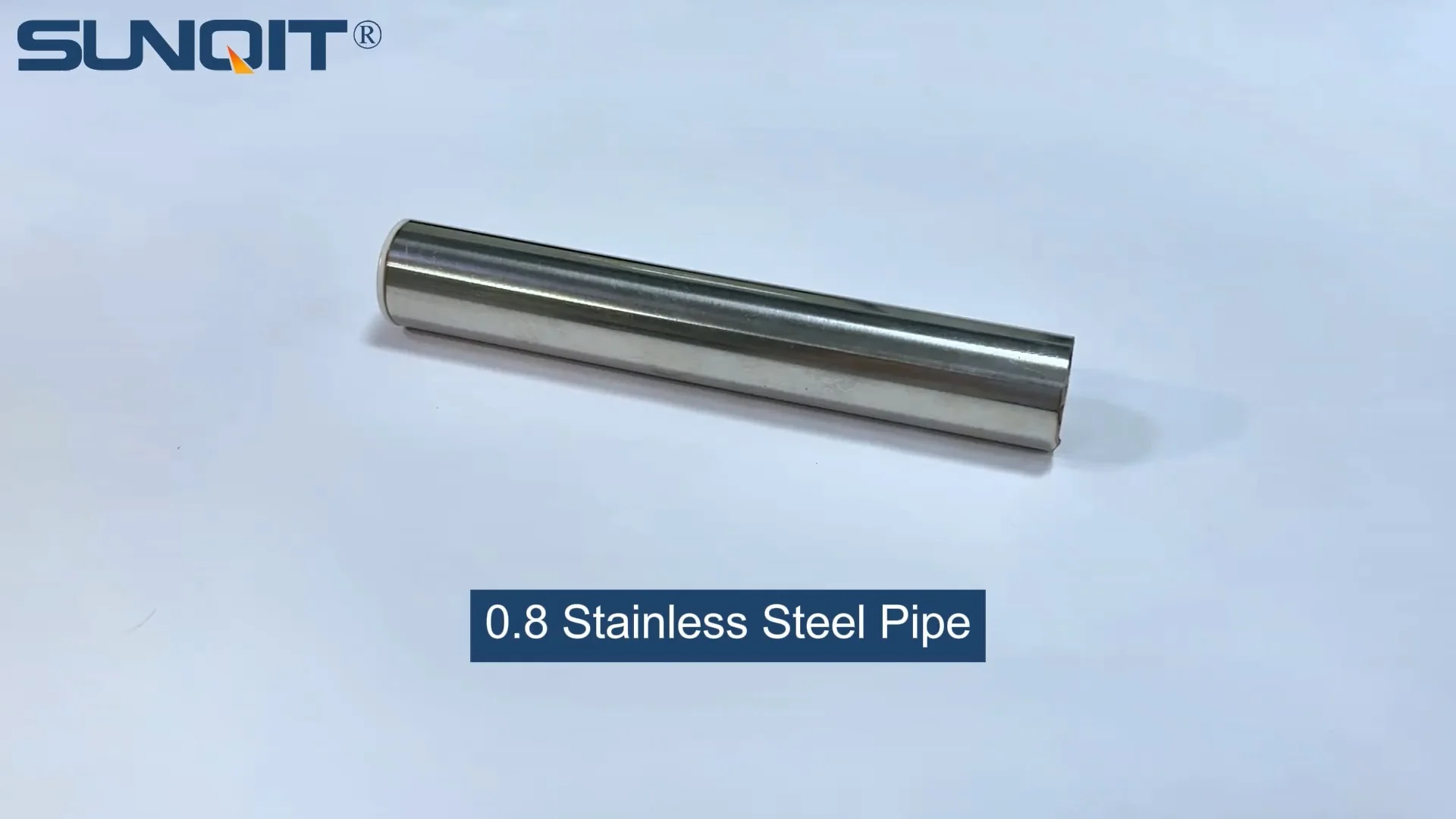
Walk into any hospital, clinic, or medical device manufacturing plant, and you'll find an invisible backbone keeping operations running smoothly: stainless steel pipes. These unassuming components carry fluids, support equipment, and even form part of life-saving devices. But in an industry where precision can mean the difference between success and costly errors, one size rarely fits all. That's where custom 2.0mm stainless steel pipe lengths come in—tailored solutions that address the unique challenges of healthcare settings, from tight sterile environments to complex manufacturing workflows. Let's dive into why these pipes matter, how they're transforming the medical field, and the ripple effects of choosing the right fit for your facility.
Why Stainless Steel? The Unsung Hero of Medical Hygiene
First, let's talk about the material itself: stainless steel. In healthcare, where cleanliness is non-negotiable, this metal isn't just a choice—it's a necessity. Unlike other materials, stainless steel resists corrosion, doesn't react with chemicals (think harsh disinfectants), and stands up to repeated sterilization cycles. When you're dealing with surgical tools, IV stands, or fluid transport systems, the last thing you need is a material that harbors bacteria or degrades over time. Stainless steel's smooth surface leaves nowhere for germs to hide, making it a staple in environments where infection control is paramount.
But not all stainless steel pipes are created equal. The stainless steel pipe series used in medical applications is often engineered with specific alloys—like 316L, known for its exceptional resistance to corrosion and pitting—to meet strict industry standards. This isn't just about durability; it's about patient safety. A pipe that rusts or weakens could compromise a medical device or contaminate a sterile field, putting lives at risk. That's why medical facilities and manufacturers don't just "buy pipes"—they invest in materials they can trust.
The 2.0mm Sweet Spot: Balancing Strength and Flexibility
Now, let's zoom in on thickness: 2.0mm. Why this specific measurement? In the medical world, pipes need to be strong enough to support equipment or withstand pressure (like in fluid lines) but not so rigid that they're hard to install or adapt. A 2.0mm wall thickness hits that perfect balance. It's sturdy enough to handle daily wear and tear—whether it's a nurse rolling an IV cart or a machine vibrating during production—but still flexible enough to be shaped into custom configurations without cracking or warping.
Consider a surgical instrument tray: it needs a frame that can hold sharp tools without bending, but also needs to fit into an autoclave for sterilization. A 2.0mm stainless steel pipe provides the structural integrity to support the tray's weight while being thin enough to fit into the autoclave's limited space. Or take a hospital's central supply room, where pipes might run along walls or ceilings to transport cleaning solutions. Too thin, and they could dent under accidental impact; too thick, and they'd take up valuable space in already crowded corridors. 2.0mm is the Goldilocks solution—just right.

Beyond "One-Size-Fits-All": The Case for Custom Lengths
Here's the thing about standard pipe lengths: they're designed for convenience, not precision. Walk into a hardware store, and you'll find pipes in 6-foot or 10-foot increments—great for home projects, but not so much for a medical device assembly line or a hospital's sterile processing department. Imagine ordering a 10-foot pipe when you only need 4.5 feet. You'd have to cut it down, which means extra steps: measuring, sawing, deburring (to remove sharp edges), and sanitizing the cut end to prevent contamination. Each step adds time, labor, and risk. A burr left unremoved could snag a glove during surgery or create a crevice where bacteria grows. And that leftover 5.5 feet? It becomes scrap, driving up costs and waste.
Custom lengths eliminate these headaches. By ordering pipes cut to your exact specifications—say, 4.5 feet for that instrument tray frame or 3.2 feet for a mobile workstation—you skip the cutting and deburring steps entirely. The pipes arrive ready to install, with smooth, clean edges that meet hygiene standards. This isn't just about efficiency; it's about consistency. When every pipe in a batch is the same length, assembly becomes faster and less error-prone. A manufacturer building 500 IV stands, for example, can trust that each pipe will fit perfectly into the frame, reducing assembly time and minimizing rework.
Custom lengths also solve space constraints. Medical facilities are often built with tight corners, low ceilings, or unique layouts. A standard 6-foot pipe might not fit around a wall or through a doorway in a renovated clinic. A custom 5.2-foot pipe, though? It slides right into place, avoiding costly renovations or awkward workarounds. For mobile equipment like rolling carts or transport racks, custom lengths ensure the pipe doesn't extend beyond the cart's frame, preventing collisions with walls or doorframes in busy hallways.

Streamlining with Lean Systems: From Waste to Efficiency
Efficiency in healthcare isn't just about speed—it's about doing more with less, whether that's time, money, or resources. That's where lean system principles come into play. Lean manufacturing, which focuses on reducing waste and optimizing workflows, is a game-changer for medical facilities and device manufacturers. And custom 2.0mm stainless steel pipes are a natural fit for lean strategies.
Think about it: waste comes in many forms—excess inventory, unnecessary motion, defects. Standard pipes contribute to all three. Excess inventory because you order more than you need to avoid running out. Unnecessary motion because workers have to transport, cut, and process pipes. Defects because cutting can introduce errors or damage. Custom lengths slash these wastes. You order only what you need, so inventory stays lean. Workers spend less time on prep and more time on value-adding tasks, like assembling life-saving equipment. And with pre-cut, pre-inspected pipes, defects drop significantly.
A reliable supplier with a lean production setup can take this even further. By aligning their manufacturing process with your schedule—say, delivering custom pipes just in time for your next production run—they help you avoid stockpiling materials. This not only frees up storage space (critical in crowded medical facilities) but also reduces the risk of pipes sitting unused for months, collecting dust or becoming outdated. Lean systems turn pipe ordering from a "set it and forget it" task into a strategic part of your workflow, ensuring you have exactly what you need, when you need it.
Building Better Workspaces: Workbenches, Caster Wheels, and Aluminum Profiles
Custom pipes don't exist in a vacuum—they're part of a larger ecosystem of tools and equipment that make medical workspaces functional. Take workbenches , for example. In a device manufacturing plant, a workbench might need a frame built from 2.0mm stainless steel pipes to support heavy machinery. But the bench itself needs to be mobile to adapt to changing workflows. That's where caster wheels come in. By attaching caster wheels to the bench's base (made with custom-cut pipes, of course), workers can roll the workstation to where it's needed—whether that's near a testing station or alongside an assembly line—without lifting or disassembling. This flexibility reduces fatigue and speeds up production, as tools and materials move with the worker, not the other way around.
Then there are aluminum profiles —the unsung accessories that make pipes even more versatile. Aluminum profiles are lightweight, corrosion-resistant, and easy to attach to stainless steel pipes using brackets or connectors. They can be used to add shelves to a workbench, create dividers in a storage rack, or mount tools like scissors or tape dispensers. Because aluminum is compatible with stainless steel, you don't have to worry about galvanic corrosion (a common issue when mixing metals), ensuring the entire setup remains durable and hygienic. For example, a hospital's pharmacy might use aluminum profiles attached to custom stainless steel pipes to build a medication cart with adjustable shelves—each shelf sized to fit specific drug vials, keeping inventory organized and easy to access.
The beauty of this ecosystem—custom pipes, workbenches, caster wheels, and aluminum profiles—is that it's modular. Need to reconfigure a workspace? Swap out a pipe here, add a profile there, and you've got a new setup in hours, not days. In a field where medical technology and workflows evolve rapidly, this adaptability is priceless. A manufacturer that switches from producing surgical tools to diagnostic devices can repurpose existing pipe frames with minimal changes, saving on equipment costs.
The Benefits of Custom 2.0mm Stainless Steel Pipes: A Closer Look
| Aspect | Standard Lengths | Custom 2.0mm Lengths |
|---|---|---|
| Waste Reduction | High: Excess material from cutting leads to scrap (up to 30% waste in some cases). | Low: Exact lengths mean minimal scrap—often less than 5% waste. |
| Assembly Time | Longer: Requires cutting, deburring, and sanitizing (adds 15–30 minutes per pipe). | Shorter: Ready-to-install, with no extra steps (cuts assembly time by up to 40%). |
| Space Utilization | Limited: Standard lengths may not fit tight spaces, requiring awkward bends or extensions. | Optimal: Tailored to facility layouts, maximizing usable space in corridors, storage rooms, and work areas. |
| Cost Efficiency | Higher long-term: Scrap, labor for cutting, and rework add hidden costs. | Lower long-term: Reduced waste and labor offset upfront customization fees. |
| Compliance Risk | Higher: Burrs from cutting can harbor bacteria; uneven edges may fail safety inspections. | Lower: Smooth, factory-cut edges meet FDA and ISO hygiene standards, reducing audit risks. |
| Flexibility | Limited: One-size-fits-all approach struggles with unique layouts or equipment. | High: Adaptable to tight spaces, custom equipment, and evolving workflows. |
Choosing the Right Supplier: More Than Just Pipes
Of course, none of this matters if you don't have a reliable supplier. When it comes to custom 2.0mm stainless steel pipes for medical use, "reliable" means more than just delivering on time. It means consistent quality: pipes that meet thickness tolerances (no surprise thin spots), straight edges, and certifications (like ISO 13485, the gold standard for medical device manufacturing). It means understanding the unique needs of the medical industry—like the need for batch traceability (so you can track a pipe from raw material to finished product) or compliance with biocompatibility standards (ensuring the pipe won't react with human tissue or fluids).
A good supplier also embraces lean manufacturing themselves. By streamlining their own production processes—using just-in-time inventory, automating cutting for precision, and minimizing waste—they can offer custom lengths at competitive prices without sacrificing quality. They'll work with you to understand your workflow, offering insights like "We notice you're ordering 4.5-foot pipes for these frames—would a 4.75-foot length reduce the number of joints needed?" This collaborative approach turns suppliers into partners, helping you optimize your operations from the ground up.
Real-World Impact: How Custom Pipes Improve Patient Care
At the end of the day, the goal of all this—custom lengths, lean systems, workbenches with caster wheels—is better patient care. Let's trace the impact: A medical device manufacturer uses custom 2.0mm stainless steel pipes to build a surgical tool with a more ergonomic handle. Surgeons can operate with less hand fatigue, reducing the risk of errors during long procedures. A hospital supply chain switches to custom pipes for their medication carts, ensuring each cart fits through elevator doors and around patient beds, so nurses spend less time navigating tight spaces and more time with patients. A clinic invests in mobile workbenches with caster wheels, allowing staff to set up a pop-up vaccination station in minutes, reaching more patients in underserved areas.
These might seem like small changes, but in healthcare, small improvements add up. Reduced assembly time for medical devices means faster access to life-saving tools. Lower waste means hospitals can redirect budget to patient care initiatives, like hiring more nurses or upgrading equipment. Safer, more durable pipes mean fewer equipment failures, which translates to fewer delays in treatment and lower stress for patients and staff alike.
Conclusion: Precision as a Foundation for Excellence
Custom 2.0mm stainless steel pipe lengths aren't just a "nice-to-have"—they're a cornerstone of modern medical care. In an industry where every detail matters, from the sterility of a surgical tool to the efficiency of a supply chain, these pipes provide the precision, reliability, and flexibility needed to thrive. They reduce waste, streamline workflows, and adapt to the ever-changing demands of healthcare, all while prioritizing patient safety.
Whether you're a medical device manufacturer building the next breakthrough tool or a hospital administrator looking to optimize your facility, investing in custom pipes is an investment in excellence. It's about moving beyond "good enough" and embracing solutions that fit your unique needs—because in healthcare, "one-size-fits-all" was never good enough. So the next time you walk into a hospital or clinic, take a closer look at the pipes, carts, and workbenches around you. Chances are, the ones working hardest are the ones built to measure.