- Company Articles
- Products and Technology
- Solution
- Medical Industry Solutions: T-Groove Aluminum Pipe for Cleanroom Assembly

Medical Industry Solutions: T-Groove Aluminum Pipe for Cleanroom Assembly
Related Product
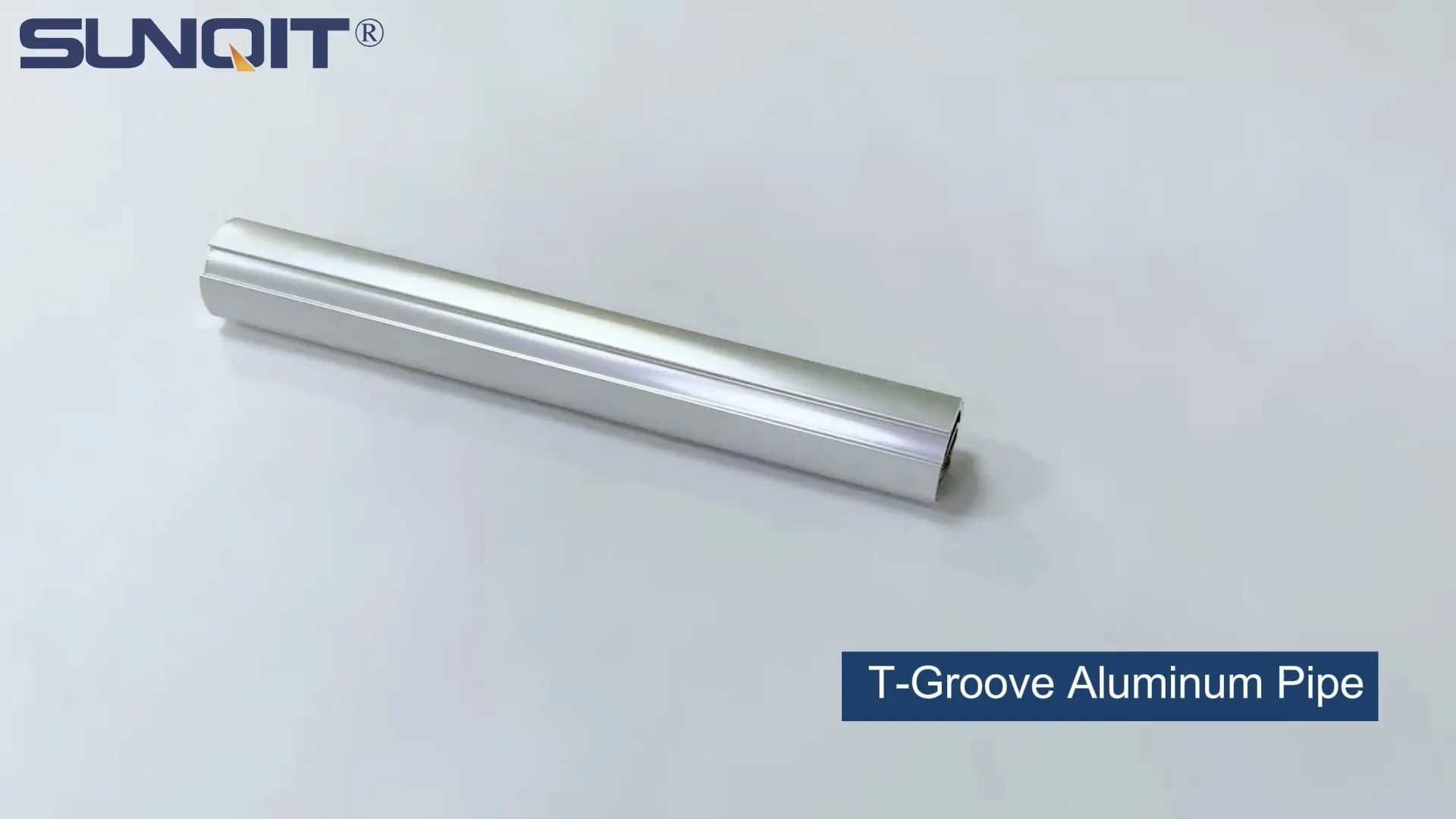
T-Groove Aluminum Pipe
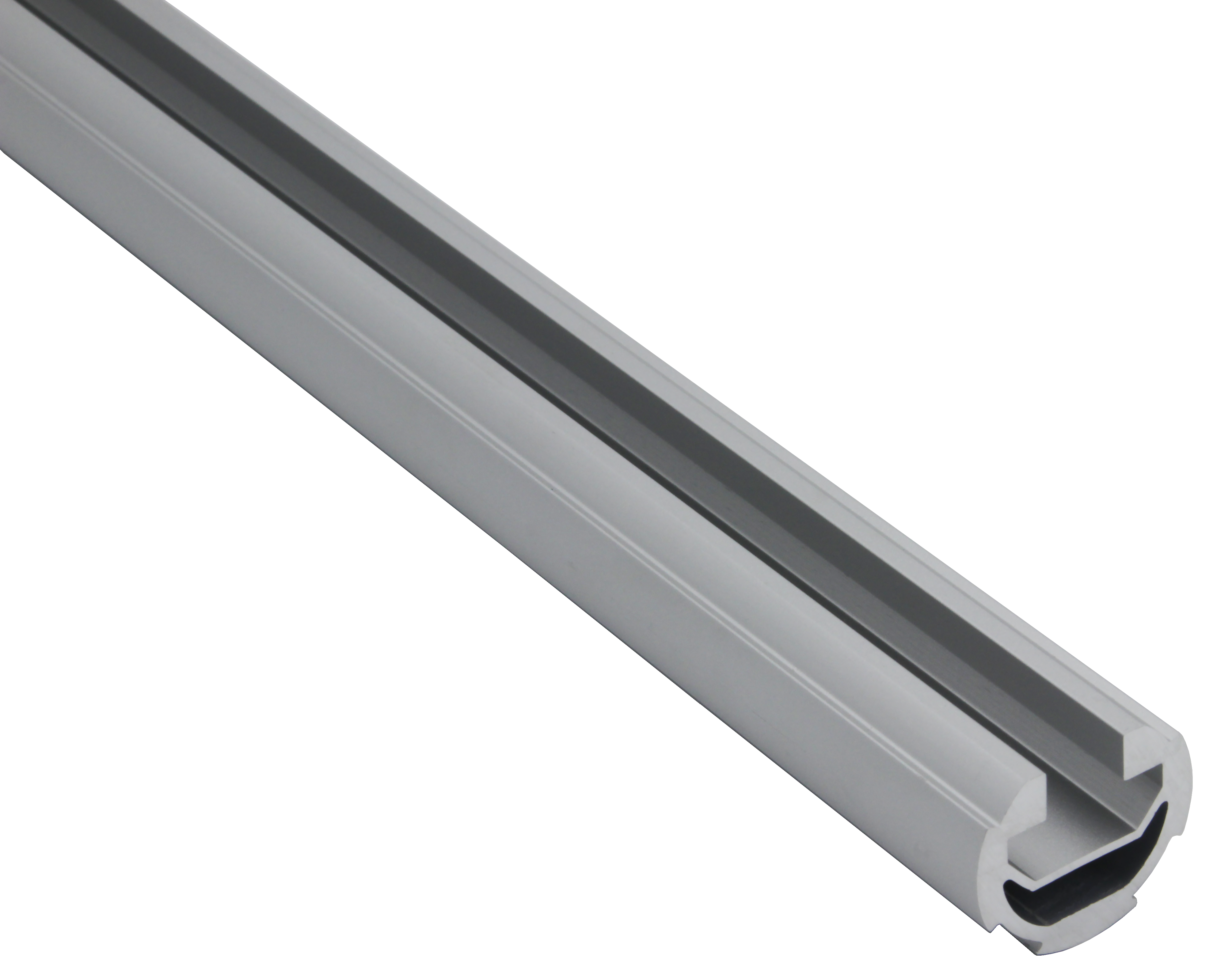
The aluminum pipe opening 10mm is installed into the T-shaped slider, which can be installed with casters or other matching functional parts. The groove can be used for positioning and is used for the track of the roller.
In the world of medical device manufacturing, every detail matters. From the smallest surgical instrument to life-saving diagnostic equipment, the products rolling off the assembly line carry the weight of patient safety—and with that, an uncompromising demand for precision. At the heart of this process lies the cleanroom: a controlled environment where air quality, temperature, and contamination are tightly regulated to ensure products meet the strictest standards. But here's the thing about cleanrooms: they're not just about filters and white coats. The very structures that hold, move, and organize materials—workbenches, racks, conveyors—play a silent yet critical role in maintaining that sterility. And for too long, many manufacturers have been stuck with rigid, hard-to-maintain systems that fight against, rather than support, their goals. Enter T-groove aluminum pipe: a modular, adaptable solution that's quietly revolutionizing how medical cleanrooms operate. Let's dive into why this material is becoming the backbone of efficient, compliant assembly lines.
Why Cleanroom Assembly Isn't Just About "Being Clean"
Before we talk about T-groove aluminum, let's ground ourselves in why cleanroom assembly matters so much. The medical industry isn't just regulated—it's heavily regulated. Organizations like the FDA (Food and Drug Administration) and ISO (International Organization for Standardization) set rigorous benchmarks for cleanliness (think ISO 14644-1, which classifies cleanrooms by the number of particles per cubic meter). A single speck of dust, a stray hair, or even a tiny static charge can compromise a product, leading to recalls, failed audits, or worse: putting patients at risk.
But cleanrooms are also dynamic spaces. Production needs shift—new devices are developed, batch sizes change, and processes are refined. A workstation that works for assembling syringes might not work for catheter components. A material rack that holds 500 units today might need to hold 1,000 tomorrow. Traditional assembly structures, however, often feel like they're stuck in the past. Welded stainless steel workbenches that take days to reconfigure. Wooden racks that, despite best efforts, harbor bacteria in tiny cracks. Plastic conveyors that warp under repeated cleaning with harsh disinfectants. These aren't just inconveniences—they're bottlenecks. They slow down production, increase the risk of human error (ever tried moving a 300-pound stainless steel table by hand?), and make it harder to adapt to new regulations. In short, the tools meant to support precision end up becoming obstacles.
The Problem with "Old Reliables"
Let's take a closer look at the materials that have long dominated cleanroom setups. Stainless steel, for example, is a staple for its durability and corrosion resistance. But it's heavy—so heavy that reconfiguring a workstation or adding a new shelf often requires a team of people and specialized tools. And while it's easy to wipe down, those welded joints? They're tiny traps for dust and moisture. Over time, even with meticulous cleaning, bacteria can hide there, turning a "clean" surface into a hidden risk.
Then there's wood. It's cheap and easy to work with, but wood is porous. Even with a sealant, it absorbs liquids and can become a breeding ground for mold or bacteria. In a space where a single colony of Staphylococcus aureus can derail production, wood is a non-starter for critical areas. Plastic, on the other hand, is lightweight and resistant to chemicals, but it lacks the structural integrity needed for heavy loads. A plastic flow rack might sag under the weight of metal components, leading to misalignment and, again, contamination risks.
And let's not forget rigidity. Many traditional systems are built to "last forever," which sounds good until your production line needs to pivot. If you're suddenly tasked with manufacturing a new device that requires a taller workbench or a wider conveyor, you're looking at weeks of downtime and thousands of dollars in new equipment. That's not lean—it's wasteful. And in an industry where every second counts, waste is the enemy.
| Material | Cleanliness Risk | Flexibility | Durability | Weight |
|---|---|---|---|---|
| Stainless Steel (Welded) | High (joints trap debris) | Low (permanent welds) | High | Very Heavy |
| Wood | Very High (porous, bacteria growth) | Medium (easy to cut, but not reusable) | Low (prone to warping, chipping) | Medium |
| Plastic | Medium (smooth but can scratch) | Low (limited load capacity, hard to modify) | Medium (prone to warping with heat/chemicals) | Light |
| T-Groove Aluminum Profile | Low (smooth, crevice-free surfaces) | High (modular, tool-free adjustments) | High (anodized finish resists corrosion) | Lightweight |
T-Groove Aluminum Pipe: The Lean, Clean Solution
So, what makes T-groove aluminum pipe different? Let's start with the basics. T-groove aluminum profiles are extruded aluminum tubes with a continuous T-shaped slot running along their length. These slots act as built-in channels for accessories—brackets, shelves, panels, casters—allowing you to assemble and reconfigure structures without welding, drilling, or specialized tools. Think of it like building with high-tech Legos, but for industrial environments. And in medical cleanrooms, that modularity is a game-changer.
First, let's talk cleanliness. Aluminum, when anodized (a process that creates a protective oxide layer on the surface), becomes incredibly smooth and non-porous. No cracks, no crevices, no tiny hiding spots for dust or bacteria. Wiping down a T-groove aluminum workbench is as simple as running a disinfectant wipe across its surface—no need to scrub around welds or worry about moisture seeping in. Even better, the anodized finish is resistant to most industrial cleaners, including the harsh disinfectants (like hydrogen peroxide or isopropyl alcohol) commonly used in cleanrooms. This isn't just about passing audits; it's about peace of mind. When you can clean a surface in seconds and know it's truly sterile, you reduce the risk of costly mistakes.
Then there's flexibility. Remember that lean system principle of eliminating waste? T-groove aluminum lives and breathes that. Need to add a shelf to your workbench? Slide a bracket into the T-slot, tighten a knob, and you're done—no tools, no downtime. Want to reconfigure a flow rack to hold larger components? Loosen the joints, adjust the pipes, and re-tighten. It's that easy. This adaptability means your cleanroom can evolve with your needs. Launching a new product line? Your existing aluminum structures can be repurposed instead of replaced. Scaling up production? Add more sections to your conveyor system without replacing the entire line. This isn't just efficient—it's cost-effective. Over time, the ability to reuse and reconfigure components can cut equipment costs by 30% or more, according to industry estimates.
Lightweight is another big win. Aluminum is about 1/3 the weight of stainless steel, which means even a full-size workbench can be moved by one or two people (especially with the addition of casters, which snap right into those T-slots). This makes daily operations smoother—no more waiting for a maintenance crew to shift a workstation—and reduces the risk of workplace injuries from heavy lifting. Plus, lightweight structures put less strain on cleanroom floors, which is a bonus for facilities with weight restrictions.

Beyond the Basics: Features That Matter in Medical Cleanrooms
T-groove aluminum profiles aren't just "good enough"—they're designed with cleanroom specifics in mind. Let's break down the features that make them indispensable:
ESD Protection: Static electricity is a silent threat in medical manufacturing. It can damage sensitive electronic components (like those in pacemakers or monitors) or attract dust particles. Many T-groove aluminum profiles come with ESD-safe anodized finishes or can be paired with conductive accessories, ensuring static charges are safely dissipated. This isn't an add-on—it's a necessity for compliance.
Customizable Accessories: The T-slot system works with a universe of accessories, from ESD-safe workbench tops to roller tracks for flow racks. Need a material rack with three rows and three floors? (Sound familiar? It's one of the specific products from our keyword list.) You can build it in hours using aluminum profiles and shelf brackets. Want a conveyor with plastic roller tracks (yellow or grey, take your pick)? Slide the roller track guide rails into the T-slots, secure them, and you've got a smooth, easy-to-clean transport system. The options are nearly endless, and because everything is standardized, you can mix and match components from different setups.
Corrosion Resistance: Medical cleanrooms are no strangers to moisture and chemicals. Autoclaves, disinfectant sprays, and humidity control systems can take a toll on materials. T-groove aluminum's anodized finish acts as a barrier, preventing rust and corrosion even with daily exposure to these elements. Unlike stainless steel, which can still corrode if the protective layer is scratched, anodized aluminum's oxide layer is integrated into the metal, making it more durable over time.
Quiet Operation: Cleanrooms are already high-stress environments—loud equipment only makes things worse. Aluminum's lightweight nature and smooth connections mean less vibration and noise, whether you're moving a turnover trolley or running materials along a roller track. A quieter workspace isn't just nicer for employees; it reduces distractions, leading to fewer errors.

Real-World Applications: From Workbenches to Conveyors
Let's get concrete. How do these features translate to actual cleanroom setups? Let's look at three key applications:
1. Workbenches: The Heart of Assembly
A cleanroom workbench isn't just a table—it's a command center. It needs to hold tools, components, and documentation, all while remaining sterile and adaptable. T-groove aluminum workbenches (like the "Workbench E (single deck-without caster)" from our keyword list) excel here. The smooth, anodized surface wipes clean in seconds. T-slots along the edges let you add task lights, tool holders, or ESD wrist strap anchors exactly where you need them. Need to adjust the height for a taller technician? Swap out the legs for longer ones—no cutting, no welding. And when the workbench isn't needed for its original purpose? Repurpose it as a packing station or a quality control inspection table. It's not just a workbench; it's a multi-tool.
2. Flow Racks: Streamlining Material Handling
Material flow is the lifeblood of any assembly line. Flow racks (like "Material Rack B (3 row and 3 floor)") using T-groove aluminum profiles ensure components move smoothly from storage to assembly. Roller tracks (another keyword!) with plastic or aluminum wheels glide along the T-slotted rails, reducing friction and making it easy to retrieve materials with minimal effort. The modular design means you can adjust the number of rows, the height of each shelf, or even the angle of the rollers to control how quickly materials flow. This isn't just about speed—it's about reducing human error. When components are easy to access and clearly organized, technicians are less likely to grab the wrong part or fumble with heavy containers.
3. Conveyors: Connecting the Dots
In larger cleanrooms, conveyors are essential for moving materials between stations without human intervention (and the contamination risk that comes with it). T-groove aluminum conveyors are lightweight, easy to install, and customizable. Whether you need a simple roller conveyor for small parts or a belt conveyor for delicate devices, the aluminum frame provides a stable, clean base. And because they're modular, you can add curves, inclines, or even merge points as your production line grows. No more ripping out old conveyors and installing new ones—just add sections as needed.
A Case Study: From Frustration to Efficiency
Let's put this all into perspective with a real-world example (names changed for privacy). A mid-sized medical device manufacturer specializing in surgical tools was struggling with their cleanroom setup. Their stainless steel workbenches were heavy and hard to clean around the welded edges. Their wooden material racks kept failing microbial tests, leading to frequent downtime for deep cleaning. And when they tried to launch a new line of minimally invasive surgical instruments, they realized their fixed conveyor system couldn't accommodate the smaller components—they'd need to replace it entirely, at a cost of $75,000.
Then they switched to T-groove aluminum profiles. They replaced their stainless steel workbenches with aluminum ones, adding ESD shelves and tool holders via T-slots. Their material racks were rebuilt using aluminum pipes and roller tracks, with adjustable shelves to fit different component sizes. And instead of replacing their conveyor, they added modular aluminum sections to adapt it to the new product line—costing just $15,000 instead of $75,000. The results? Microbial test failures dropped by 80%. Reconfiguration time for workstations went from 8 hours to 30 minutes. And employee satisfaction scores rose, with technicians noting the "lighter, cleaner, more organized" workspace made their jobs easier. Within a year, the company estimated they'd saved over $100,000 in equipment and labor costs.
Choosing the Right Supplier: It's About Partnership
Not all T-groove aluminum systems are created equal. When selecting a supplier, look for one that understands the unique needs of medical cleanrooms. They should offer:
ISO-Certified Manufacturing: Ensure the aluminum profiles and accessories are made in facilities that meet ISO 9001 standards for quality management. This guarantees consistency and reliability.
Customization Options: Your cleanroom isn't one-size-fits-all, so your supplier shouldn't be either. Look for a partner that can design custom profiles or accessories if needed.
Technical Support: Even with modular systems, questions come up. A good supplier will provide guidance on assembly, reconfiguration, and compliance with cleanroom regulations.
Fast Lead Times: In the medical industry, delays can cost lives. Choose a supplier with local stock and quick shipping to avoid production hold-ups.
The Future of Cleanroom Assembly
As medical technology advances, cleanrooms will only become more critical—and more complex. The demand for smaller, more precise devices, coupled with stricter regulations, means manufacturers need solutions that are not just clean and compliant, but agile. T-groove aluminum pipe, with its modularity, cleanliness, and lean system alignment, isn't just a trend—it's the future. It's about building cleanrooms that work with you, not against you. That adapt to change, not resist it. That let you focus on what matters most: creating products that save lives.
So, if you're still struggling with rigid, hard-to-clean structures in your cleanroom, maybe it's time to ask: What would it look like to build smarter, not harder? With T-groove aluminum, the answer is clear: a cleanroom that's as precise, adaptable, and reliable as the products you make.