- Company Articles
- Products and Technology
- Application Cases
- Medical Logistics: End Support for Roller Track Placon Mount with Wheel Applications

Medical Logistics: End Support for Roller Track Placon Mount with Wheel Applications
Related Product
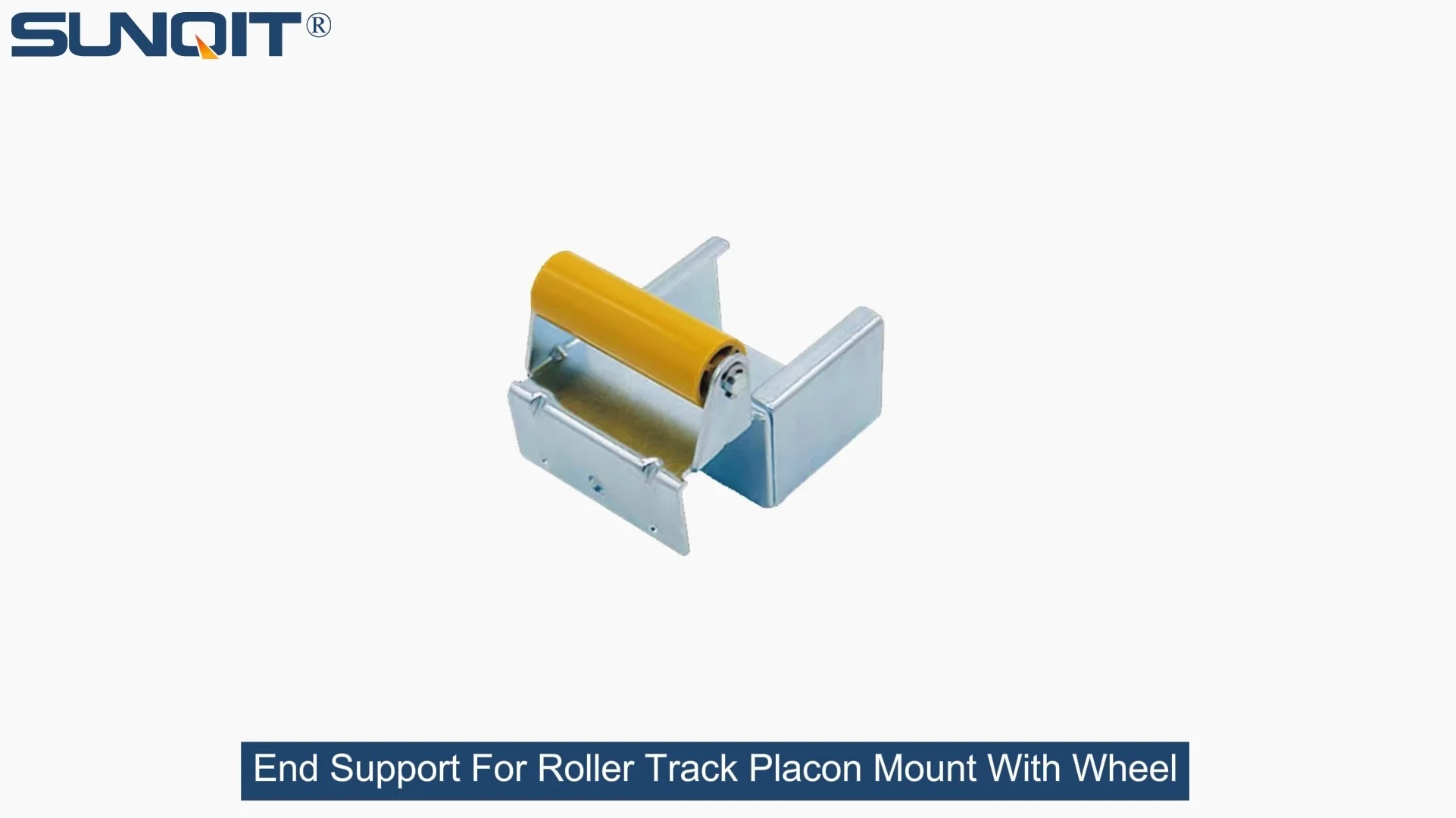
End Support for Roller Track Placon Mount with Wheel
End support for roller track placon mount with wheel,the special design with end wheel,make it with more flexible function for roller track and pipe connection and give more option for selection for building flow rack system.
In the fast-paced world of healthcare, every second counts. From life-saving medical devices to critical supplies like surgical instruments and pharmaceuticals, the efficiency of medical logistics directly impacts patient care, operational costs, and even treatment outcomes. Yet, behind the scenes of every well-run hospital or medical facility lies a complex web of material handling processes—processes that often struggle with outdated systems, rigid workflows, and the constant pressure to meet strict safety and hygiene standards. This is where lean manufacturing principles, paired with innovative material handling solutions, are transforming the game. Today, we're diving into one unsung hero of this transformation: the end support for roller track placon mount with wheel , and how it, alongside lean pipe systems, flow racks, and conveyors, is redefining efficiency in medical logistics.
The Unique Challenges of Medical Logistics
Medical logistics isn't just about moving boxes—it's about precision, reliability, and compliance. Unlike general manufacturing, where delays might mean lost profits, in healthcare, delays can risk patient lives. Let's break down the key challenges that logistics teams face daily:
- Time Sensitivity: Emergency supplies, temperature-controlled medications, and sterile equipment often have tight delivery windows. A 10-minute delay in transporting surgical tools to an operating room can disrupt schedules and compromise care.
- Safety and Compliance: Medical supplies must adhere to strict regulations (e.g., FDA guidelines, ISO standards). Contamination, damage, or improper storage of items like IV fluids or implantable devices can lead to recalls or, worse, patient harm.
- Space Constraints: Hospitals and clinics are typically space-limited. Storage areas must maximize vertical and horizontal space while keeping pathways clear for staff and emergency equipment.
- Flexibility Demands: Healthcare needs evolve rapidly—think pandemic surges, seasonal flu outbreaks, or new treatment technologies. Rigid, fixed logistics systems can't adapt quickly to sudden changes in demand or supply.
- Cost Pressures: With rising healthcare costs, facilities are under pressure to reduce operational expenses without cutting corners on quality. Inefficient material handling (e.g., manual lifting, redundant inventory checks) drives up labor and energy costs.
Traditional logistics setups—think static shelving, fixed conveyor belts, and manual cart transport—often fall short here. They're bulky, hard to reconfigure, and prone to creating bottlenecks. So, how do lean systems address these pain points?
Lean Systems: The Backbone of Modern Medical Logistics
At its core, a lean system is about eliminating waste, optimizing flow, and continuous improvement. It's not just a set of tools; it's a mindset that prioritizes "doing more with less" while enhancing value. In medical logistics, this translates to systems that are adaptable, space-efficient, and designed to minimize errors. Let's explore why lean principles are a natural fit:
- Waste Reduction: Lean systems cut down on unnecessary movement (e.g., workers walking long distances to retrieve supplies), overstocking (via just-in-time inventory), and waiting times (via smoother material flow).
- Flexibility: Unlike fixed steel shelving or permanent conveyor lines, lean systems use modular components—like lean pipes , aluminum profiles, and adjustable joints—that can be quickly reconfigured. Need to expand a storage area for PPE during a crisis? Or shrink a workbench to make space for new equipment? Lean systems adapt in hours, not weeks.
- Sustainability: Medical facilities are increasingly prioritizing eco-friendly practices. Lean systems emphasize reusable components (no more one-and-done plastic shelving!) and energy-efficient designs, aligning with sustainability goals.
- Safety: Smooth, automated material flow reduces manual lifting, lowering the risk of workplace injuries. Additionally, modular systems are easier to clean and sanitize—critical for maintaining sterile medical environments.
But lean systems don't work in isolation. They rely on specialized components to bring their benefits to life. Among these components, roller tracks (and their supporting hardware) are the unsung workhorses of material flow.

Roller Tracks: The "Flow" in Medical Material Flow
Imagine a busy pharmacy warehouse where medications need to be picked, packed, and delivered to hospital floors multiple times a day. Or a sterile processing department where used surgical instruments are cleaned, sterilized, and sent back to ORs. In both cases, the goal is to move items smoothly —from point A to point B with minimal friction, human intervention, or delay. This is where roller tracks shine.
Roller tracks (or roller conveyors) are exactly what they sound like: series of mounted rollers that allow materials to glide along a path, often using gravity or minimal power. When integrated into flow racks (racking systems with roller tracks for first-in, first-out inventory management) or paired with conveyors , they turn static storage into dynamic, self-sustaining material flow lines. In medical logistics, their impact is profound:
- Faster Picking: In flow racks equipped with roller tracks, items slide forward as the front unit is removed, eliminating the need for workers to reach deep into shelves. This cuts picking time by up to 30% in high-volume areas like medication storage.
- Reduced Manual Labor: Heavy items—like cases of IV fluids or bulky medical devices—can be moved along roller tracks with minimal effort, reducing strain on staff and lowering injury risks.
- Space Optimization: Roller tracks can be installed at varying angles and heights, making use of vertical space and tight corners that traditional shelving can't reach. This is a game-changer for space-strapped facilities.
- Hygiene Compliance: Many roller tracks are made from stainless steel or aluminum, materials that resist corrosion, are easy to wipe down, and meet strict healthcare hygiene standards (no crevices for bacteria to hide!).
But even the best roller track system is only as strong as its supporting components. This brings us to the star of our story: the end support for roller track placon mount with wheel .

End Support for Roller Track Placon Mount with Wheel: Small Part, Big Impact
When you think about roller tracks, you might picture the rollers themselves—but the unsung hero keeping everything stable, flexible, and functional is the end support. Specifically, end supports with wheels. Let's break down what this component is, why it matters, and how it's engineered to solve medical logistics pain points.
What Is It, Exactly?
The end support for roller track placon mount with wheel is a specialized bracket designed to anchor the ends of roller tracks while adding a critical feature: mobility. Typically made from durable aluminum or steel, it combines a sturdy mounting plate (to secure the roller track) with a swivel caster wheel (allowing the entire track section to be moved or repositioned). Think of it as the "feet" of the roller track system—feet that can both stand firm and roll when needed.
Design Features That Matter in Medical Settings
Medical environments demand components that are not just functional, but also safe, clean, and reliable. Here's how this end support checks all the boxes:
- Heavy-Duty Materials: Aluminum or stainless steel construction ensures resistance to rust, corrosion, and wear—essential for areas that require frequent cleaning with harsh disinfectants.
- Smooth-Rolling Casters: The integrated wheels are often made from non-marking, shock-absorbing rubber or polyurethane. This prevents scuffs on hospital floors, reduces noise (critical in patient areas), and ensures smooth movement even when the track is loaded with heavy supplies.
- Locking Mechanisms: Many models include brake levers on the casters, allowing workers to lock the track in place during operation and unlock it only when reconfiguration is needed. This stability is vital when moving fragile items like glass vials or sensitive medical devices.
- Adjustable Height: Some end supports feature telescoping legs or leveling feet, making it easy to align tracks on uneven floors—a common issue in older medical facilities. Level tracks prevent items from getting stuck or sliding off course.
- Modular Compatibility: Designed to work with standard lean pipe systems and aluminum profiles, these supports can be easily paired with other components (like side guides, stop plates, or additional track sections) to create custom setups.
Real-World Applications: How It Transforms Workflows
Let's put this into context with a real scenario: a hospital's central sterile processing department (CSPD). The CSPD is responsible for cleaning, sterilizing, and redistributing surgical instruments—a process with zero room for error. Here's how the end support with wheel makes a difference:
Before: The CSPD uses fixed steel shelving for instrument trays. After sterilization, staff manually lift heavy trays onto carts, push them to storage, and then later retrieve them for ORs. This is time-consuming, physically taxing, and risks damaging delicate instruments.
After: The facility installs a flow rack system with roller tracks supported by end supports with wheels. Sterilized instrument trays are placed on the roller track, where they glide forward as the front tray is removed (first-in, first-out inventory). When OR schedules change and certain instruments are needed in a different location, staff unlock the casters, roll the entire track section to the new area, and lock it in place. No heavy lifting, no wasted time, and instruments stay secure during transport.
Another example: a pharmacy's medication picking area. During flu season, demand for certain vaccines spikes, requiring more storage space. With fixed shelving, the pharmacy would need to rearrange entire sections—a multi-day project. With roller tracks on wheeled end supports, they simply roll extra track sections into place, expand the flow rack, and adjust as needed. When demand drops, the sections are rolled away and stored, freeing up space.

Beyond the End Support: Complementary Lean Solutions for Medical Logistics
The end support for roller track placon mount with wheel is powerful, but it's most effective when part of a larger lean ecosystem. Let's explore other key components that work together to create seamless medical logistics workflows:
1. Lean Pipe Systems and Aluminum Profiles
At the heart of any lean setup are lean pipes (or aluminum pipes) and their accessories. These lightweight, modular tubes can be combined with joints, brackets, and connectors to build custom workbenches, flow racks, and material carts. In medical logistics, they're used to create everything from mobile medication carts (equipped with roller tracks for easy access) to sterile processing workstations. The beauty? They're tool-free to assemble and reconfigure, so teams can adapt on the fly.
2. Flow Racks with Roller Tracks
As mentioned earlier, flow racks are a staple in medical storage. By integrating roller tracks, these racks turn static shelving into dynamic systems where items "flow" to the front, reducing picking time and errors. For example, in a hospital supply closet, flow racks with roller tracks can store gloves, masks, and gowns—ensuring the oldest stock is used first (critical for expiration date management) and staff can grab supplies without bending or reaching.
3. Conveyors for Automated Transport
For longer-distance transport—say, from a central warehouse to multiple hospital floors— conveyors paired with roller tracks are indispensable. In large medical centers, automated conveyor systems with roller track segments can move lab samples, medications, or linens between departments 24/7, reducing reliance on manual couriers and slashing delivery times. When combined with wheeled end supports, even conveyor sections can be repositioned to accommodate temporary needs, like setting up a pop-up vaccine clinic.
4. ESD Workstations for Sensitive Equipment
Many medical devices (e.g., pacemakers, diagnostic tools) are sensitive to electrostatic discharge (ESD). ESD workstations —built with conductive lean pipes and static-dissipative materials—prevent static buildup, protecting delicate electronics during assembly, storage, or repair. When paired with roller tracks on wheeled supports, these workstations become mobile, allowing technicians to service equipment directly at patient bedsides or ORs.
| Lean Component | Primary Function | Medical Logistics Use Case |
|---|---|---|
| End Support with Wheel | Stabilizes roller tracks; enables mobility | Repositioning flow racks for seasonal supply surges |
| Lean Pipe Systems | Modular framing for custom setups | Building mobile medication carts or sterile processing workbenches |
| Flow Racks with Roller Tracks | First-in, first-out inventory; easy picking | Storing surgical instruments or expirable medications |
| Conveyors | Automated long-distance transport | Moving lab samples between departments |
| ESD Workstations | Static protection for sensitive devices | Repairing or assembling pacemakers and diagnostic tools |
Custom Lean Solutions: Tailored to Medical Needs
Every medical facility is unique. A small clinic's logistics needs differ vastly from a large trauma center's, and a pharmaceutical warehouse has different requirements than a sterile surgical suite. This is where custom lean solutions come into play. By working closely with logistics teams, suppliers can design systems that address specific pain points—whether it's maximizing storage in a tiny pharmacy or creating a contamination-free zone for vaccine distribution.
For example, a 3C assembly plant (a common client for lean solutions) might prioritize high-volume production, but a hospital might need a system that balances volume with strict hygiene. A custom solution here could involve stainless steel roller tracks (for easy sanitization), antimicrobial lean pipe joints (to prevent bacterial growth), and wheeled end supports with locking brakes (to meet both mobility and stability needs).
Sustainability is another key focus. Medical facilities generate significant waste, but lean systems are designed for reusability and continuous improvement . A roller track section that's no longer needed in the pharmacy can be disassembled, reconfigured, and reused in the maintenance department—reducing waste and lowering long-term costs.
The Future of Medical Logistics: Lean, Flexible, and Patient-Centric
As healthcare continues to evolve—with aging populations, new technologies, and ever-tighter budgets—the need for efficient, adaptable logistics systems will only grow. Lean principles, supported by innovations like the end support for roller track placon mount with wheel , are not just tools for cutting costs; they're investments in better patient care. By streamlining material flow, reducing errors, and adapting to changing needs, these solutions let medical staff focus on what matters most: their patients.
So, the next time you walk through a hospital or clinic, take a moment to look beyond the waiting rooms and exam tables. Chances are, there's a lean system hard at work—quietly, efficiently, and reliably—keeping the wheels of healthcare turning. And in that system, you might just spot the humble end support with a wheel: small in size, but mighty in impact.