- Company Articles
- Products and Technology
- Solution
- Medical Storage Solutions: Five Way Straight Lean Pipe Joint Applications

Medical Storage Solutions: Five Way Straight Lean Pipe Joint Applications
Related Product
Five Way Straight Lean Pipe Joint
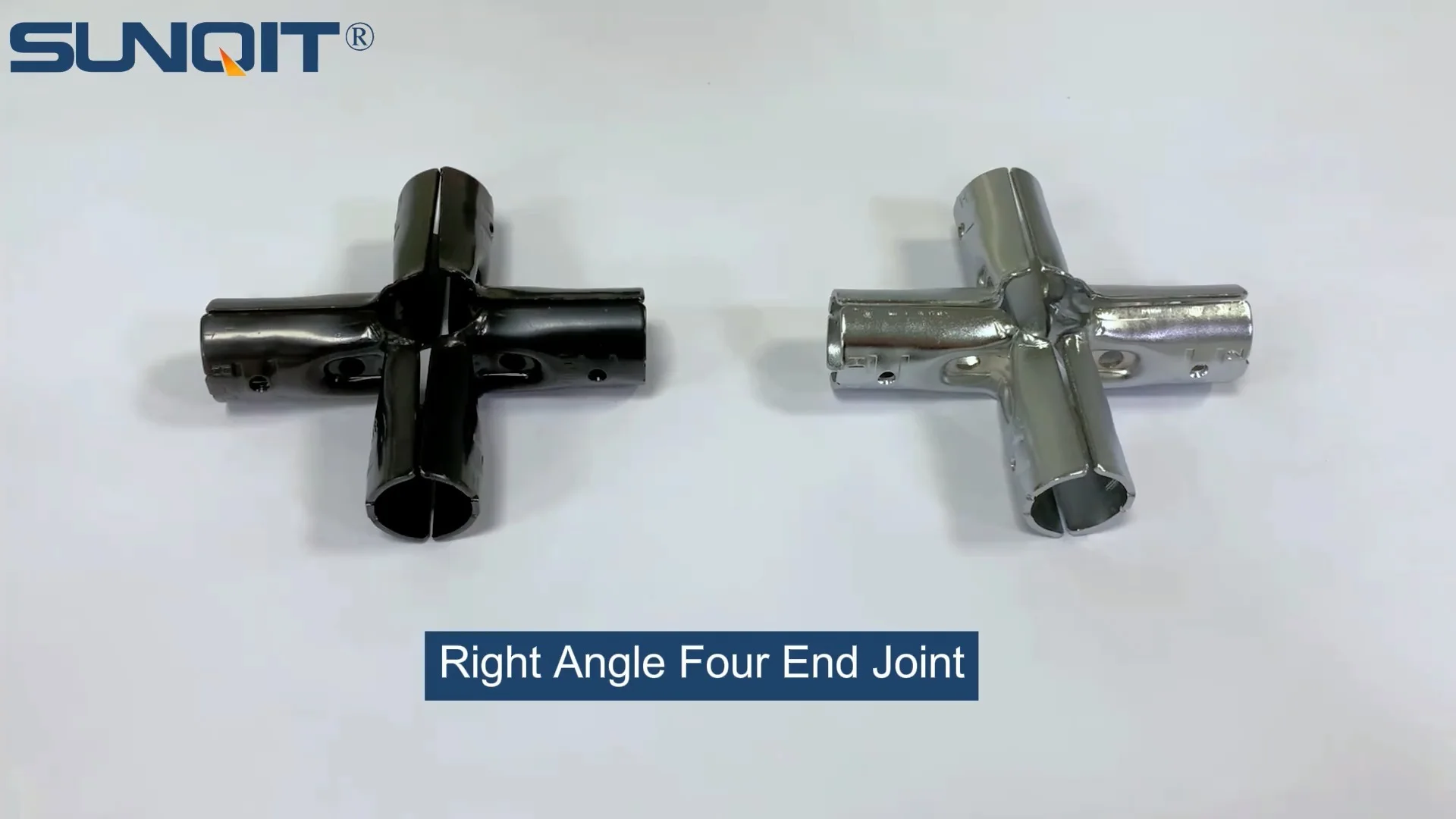
Five way straight lean pipe joint, for 5 pcs 28mm lean pipe connect in straight angle,which used widely in workbench, flow rack, hand trolley frame connection.
Introduction: The Unique Challenges of Medical Storage
In the fast-paced world of healthcare, every second counts. Whether it's a busy hospital pharmacy rushing to fill prescriptions, a laboratory organizing delicate specimens, or a clinic managing medical supplies in a cramped space, the way storage systems are designed can make or break operational efficiency. Medical storage isn't just about "putting things away"—it's about accessibility, sterility, compliance with strict regulations, and adaptability to ever-changing needs.
Imagine a scenario where a nurse in the emergency room can't quickly locate a critical supply because the storage rack is disorganized. Or a pharmacy technician spending extra minutes searching for a specific medication because the shelving system isn't optimized for quick retrieval. These delays don't just waste time; they can impact patient care. This is where lean solutions come into play, offering a way to streamline storage, reduce waste, and create systems that work with healthcare professionals, not against them.
At the heart of many effective lean storage systems is a humble yet powerful component: the five way straight lean pipe joint. This unassuming connector is the backbone of modular storage solutions, allowing healthcare facilities to build, customize, and reconfigure workbenches, racks, and carts with ease. In this article, we'll explore how this small but mighty joint is transforming medical storage, along with other key components like lean pipe workbenches, flow racks, and aluminum profiles that make these systems possible.
Imagine a scenario where a nurse in the emergency room can't quickly locate a critical supply because the storage rack is disorganized. Or a pharmacy technician spending extra minutes searching for a specific medication because the shelving system isn't optimized for quick retrieval. These delays don't just waste time; they can impact patient care. This is where lean solutions come into play, offering a way to streamline storage, reduce waste, and create systems that work with healthcare professionals, not against them.
At the heart of many effective lean storage systems is a humble yet powerful component: the five way straight lean pipe joint. This unassuming connector is the backbone of modular storage solutions, allowing healthcare facilities to build, customize, and reconfigure workbenches, racks, and carts with ease. In this article, we'll explore how this small but mighty joint is transforming medical storage, along with other key components like lean pipe workbenches, flow racks, and aluminum profiles that make these systems possible.
The Role of Lean Solutions in Modern Healthcare
Lean principles, originally developed in manufacturing, focus on eliminating waste and maximizing value. In healthcare, this translates to creating systems that reduce unnecessary movement, minimize errors, and free up staff to focus on patient care. When it comes to storage, lean solutions prioritize three core needs:
modularity
(the ability to adjust systems as needs change),
durability
(to withstand constant use and cleaning), and
hygiene
(to meet strict infection control standards).
Traditional storage systems—think fixed metal shelves or rigid cabinets—often fall short in these areas. They're hard to reconfigure if a department expands, difficult to clean thoroughly, and rarely optimized for the specific tools and supplies used in medical settings. Lean pipe systems, on the other hand, are built using lightweight yet sturdy pipes and joints that can be assembled into almost any shape or size. And at the center of this flexibility is the five way straight lean pipe joint, a component designed to connect multiple pipes at once, enabling the creation of complex, multi-directional structures.
Let's take a closer look at how this joint works and why it's become a staple in medical storage design.
Traditional storage systems—think fixed metal shelves or rigid cabinets—often fall short in these areas. They're hard to reconfigure if a department expands, difficult to clean thoroughly, and rarely optimized for the specific tools and supplies used in medical settings. Lean pipe systems, on the other hand, are built using lightweight yet sturdy pipes and joints that can be assembled into almost any shape or size. And at the center of this flexibility is the five way straight lean pipe joint, a component designed to connect multiple pipes at once, enabling the creation of complex, multi-directional structures.
Let's take a closer look at how this joint works and why it's become a staple in medical storage design.

Understanding the Five Way Straight Lean Pipe Joint: A Building Block for Flexibility
The five way straight lean pipe joint is exactly what its name suggests: a connector that allows up to five lean pipes to be joined at a single point, typically in straight or perpendicular directions. Made from materials like high-grade stainless steel or aluminum—both prized for their resistance to corrosion and ease of sterilization—these joints are engineered for strength and versatility.
Unlike fixed connectors, the five way joint often features rotating components, allowing pipes to be adjusted at various angles before being locked into place. This rotational flexibility is crucial in medical settings, where storage needs can vary drastically from one day to the next. For example, a pharmacy might need a tall, narrow rack one week to store bulk medications and a wide, shallow shelf the next to organize small vials. With a five way joint, the same base structure can be reconfigured in hours, not days.
Another key feature is the joint's load capacity. Medical supplies range from lightweight items like syringes to heavier equipment like IV stands, so the joint must support varying weights without compromising stability. Most five way joints are tested to handle loads of 50kg or more per connection, making them suitable for even the busiest hospital environments.
When paired with other components—like lean pipe , aluminum profile , or stainless steel pipe series —the five way joint becomes the "glue" that holds modular systems together. Let's explore some of the most common applications of this joint in medical storage.
Unlike fixed connectors, the five way joint often features rotating components, allowing pipes to be adjusted at various angles before being locked into place. This rotational flexibility is crucial in medical settings, where storage needs can vary drastically from one day to the next. For example, a pharmacy might need a tall, narrow rack one week to store bulk medications and a wide, shallow shelf the next to organize small vials. With a five way joint, the same base structure can be reconfigured in hours, not days.
Another key feature is the joint's load capacity. Medical supplies range from lightweight items like syringes to heavier equipment like IV stands, so the joint must support varying weights without compromising stability. Most five way joints are tested to handle loads of 50kg or more per connection, making them suitable for even the busiest hospital environments.
When paired with other components—like lean pipe , aluminum profile , or stainless steel pipe series —the five way joint becomes the "glue" that holds modular systems together. Let's explore some of the most common applications of this joint in medical storage.

Applications in Medical Settings: From Workbenches to Flow Racks
The five way straight lean pipe joint isn't just a theoretical solution—it's a practical tool that transforms how healthcare facilities store and access supplies. Below are four key applications where this joint shines, along with how it integrates with other lean components like
lean pipe workbenches
and
flow racks
.
A typical lean pipe workbench built with five way joints might feature a flat surface (often made from aluminum honeycomb panels for lightweight durability), overhead shelving for tools, and side racks for storing gloves or sanitizing wipes. The five way joints allow the height of the shelves to be adjusted to accommodate different users—tall lab technicians and shorter nurses alike—or to make space for bulky equipment like centrifuges.
Take the example of a hospital lab that processes blood samples. The workbench needs to have a clean, non-porous surface (e.g., stainless steel) to prevent contamination, and shelves at eye level for easy access to test tubes and reagents. Using five way joints, the lab can add or remove shelves as test volumes fluctuate, ensuring the workspace never feels cluttered or disorganized.
The five way joint plays a key role in building these racks. By connecting horizontal and vertical pipes, the joint creates the frame that holds the roller tracks (often made from plastic roller track guide rail in yellow or grey for visibility). The flexibility of the joint allows the angle of the roller tracks to be adjusted, controlling how quickly items slide forward—important for delicate items like glass vials that need to move slowly.
Consider a busy outpatient clinic's supply closet. The clinic stocks bandages, gauze, and antiseptic wipes, all of which need to be easily accessible. A flow rack built with five way joints can be customized to fit the closet's dimensions, with separate lanes for each type of supply. As staff remove items from the front, new stock is added to the back, ensuring nothing is left forgotten and expired.
The five way joint is essential here, as it allows carts to be built with multiple shelves, drawers, and even hooks for IV bags or medical waste bins. For example, an ER cart might need a top shelf for emergency medications, a middle shelf for tools like stethoscopes and thermometers, and a bottom shelf for waste disposal. With five way joints, the cart can be modified to add a locking drawer for controlled substances or a fold-down writing surface for charts—all without needing to replace the entire cart.
One hospital in Chicago reported a 30% reduction in nurse walking time after implementing mobile carts built with lean pipe and five way joints. Nurses no longer had to make multiple trips to the supply room; instead, everything they needed was on wheels, right outside the patient's door.
For example, a dental clinic might have a small room adjacent to the exam area that's too narrow for standard shelving. Using five way joints, a slim, tall rack can be built to store dental tools and materials, with shelves spaced to fit the clinic's specific inventory. The rack can even be mounted on casters, allowing it to be rolled out of the way when the room is needed for other tasks.
Another example is a research lab with specialized equipment like centrifuges and microscopes. The lab needs storage that fits around these machines, not the other way around. Five way joints allow for the construction of L-shaped or U-shaped shelves that hug the equipment, maximizing every inch of available space.
To summarize, the five way straight lean pipe joint is a versatile tool that enables a wide range of storage solutions. The table below highlights some of the most common applications and their key benefits in medical settings:
1. Lean Pipe Workbenches: The Hub of Daily Operations
In laboratories, pharmacies, and nursing stations, workbenches are where the magic happens. They're where specimens are prepared, medications are compounded, and charts are reviewed. A well-designed workbench should be sturdy, easy to clean, and customizable to the tasks at hand—and that's where the five way joint comes in.A typical lean pipe workbench built with five way joints might feature a flat surface (often made from aluminum honeycomb panels for lightweight durability), overhead shelving for tools, and side racks for storing gloves or sanitizing wipes. The five way joints allow the height of the shelves to be adjusted to accommodate different users—tall lab technicians and shorter nurses alike—or to make space for bulky equipment like centrifuges.
Take the example of a hospital lab that processes blood samples. The workbench needs to have a clean, non-porous surface (e.g., stainless steel) to prevent contamination, and shelves at eye level for easy access to test tubes and reagents. Using five way joints, the lab can add or remove shelves as test volumes fluctuate, ensuring the workspace never feels cluttered or disorganized.
2. Flow Racks: Streamlining Medication and Supply Retrieval
In pharmacies and supply rooms, flow racks are game-changers for "first in, first out" (FIFO) inventory management—a critical practice in healthcare to ensure medications don't expire and supplies remain fresh. Flow racks use gravity to move items forward as they're accessed, reducing the need for staff to reach to the back of shelves.The five way joint plays a key role in building these racks. By connecting horizontal and vertical pipes, the joint creates the frame that holds the roller tracks (often made from plastic roller track guide rail in yellow or grey for visibility). The flexibility of the joint allows the angle of the roller tracks to be adjusted, controlling how quickly items slide forward—important for delicate items like glass vials that need to move slowly.
Consider a busy outpatient clinic's supply closet. The clinic stocks bandages, gauze, and antiseptic wipes, all of which need to be easily accessible. A flow rack built with five way joints can be customized to fit the closet's dimensions, with separate lanes for each type of supply. As staff remove items from the front, new stock is added to the back, ensuring nothing is left forgotten and expired.
3. Mobile Storage Carts: Bringing Supplies to the Point of Care
In hospitals, time spent fetching supplies is time not spent with patients. Mobile storage carts solve this problem by bringing medications, tools, and equipment directly to patient rooms, exam tables, or operating theaters. These carts need to be lightweight, maneuverable (thanks to caster wheels ), and customizable to the specific needs of each department.The five way joint is essential here, as it allows carts to be built with multiple shelves, drawers, and even hooks for IV bags or medical waste bins. For example, an ER cart might need a top shelf for emergency medications, a middle shelf for tools like stethoscopes and thermometers, and a bottom shelf for waste disposal. With five way joints, the cart can be modified to add a locking drawer for controlled substances or a fold-down writing surface for charts—all without needing to replace the entire cart.
One hospital in Chicago reported a 30% reduction in nurse walking time after implementing mobile carts built with lean pipe and five way joints. Nurses no longer had to make multiple trips to the supply room; instead, everything they needed was on wheels, right outside the patient's door.
4. Customized Storage Systems: Adapting to Unique Spaces
No two healthcare facilities are the same. A rural clinic with limited square footage has different needs than a large urban hospital with dedicated storage wings. The five way joint excels in these unique environments by enabling the creation of completely custom storage systems that fit into odd corners, under counters, or around existing equipment.For example, a dental clinic might have a small room adjacent to the exam area that's too narrow for standard shelving. Using five way joints, a slim, tall rack can be built to store dental tools and materials, with shelves spaced to fit the clinic's specific inventory. The rack can even be mounted on casters, allowing it to be rolled out of the way when the room is needed for other tasks.
Another example is a research lab with specialized equipment like centrifuges and microscopes. The lab needs storage that fits around these machines, not the other way around. Five way joints allow for the construction of L-shaped or U-shaped shelves that hug the equipment, maximizing every inch of available space.
To summarize, the five way straight lean pipe joint is a versatile tool that enables a wide range of storage solutions. The table below highlights some of the most common applications and their key benefits in medical settings:
| Application | Key Components | Medical Use Case | Benefit to Healthcare Staff |
|---|---|---|---|
| Lean Pipe Workbench | Five way joint, lean pipe, stainless steel top, aluminum profile | Laboratory specimen preparation | Adjustable shelves for tools; easy to sterilize surface |
| Flow Rack | Five way joint, roller track, plastic guide rail, stainless steel pipe | Pharmacy medication storage | FIFO inventory management; reduces expired stock |
| Mobile Cart | Five way joint, caster wheels, lean pipe, aluminum shelves | ER supply transport | Brings supplies directly to patients; reduces walking time |
| Custom Storage Rack | Five way joint, aluminum profile, roller track connectors | Dental clinic tool storage | Fits into tight spaces; customizable for unique inventory |

Benefits of Five Way Joint Systems: Why Healthcare Facilities Are Making the Switch
So, why are more and more healthcare facilities turning to five way straight lean pipe joint systems for their storage needs? The answer lies in the unique benefits these systems offer, particularly in environments where efficiency, compliance, and adaptability are non-negotiable.
For example, during a flu outbreak, a hospital might need to expand its medication storage overnight. With a lean pipe system, extra shelves can be added to existing racks in hours, ensuring there's space for additional vaccines and antiviral drugs. When the outbreak subsides, the shelves can be removed, and the system returns to its original layout—no waste, no extra cost.
Unlike plastic shelving that can crack or wooden racks that harbor bacteria, lean pipe systems are non-porous and easy to sanitize, helping facilities meet strict infection control standards like those set by the CDC.
For example, a neonatal intensive care unit (NICU) requires storage systems that are sterile and easy to clean. A lean pipe workbench with a stainless steel top and aluminum shelves can be wiped down with disinfectant multiple times a day without degrade, ensuring a safe environment for newborns.
A study by the Healthcare Financial Management Association found that hospitals using lean storage systems reduced their annual storage-related costs by an average of 15%, thanks to lower renovation expenses, reduced waste from expired supplies, and improved staff productivity.
1. Flexibility: Adapt to Changing Needs Without Starting Over
Healthcare is an ever-evolving field. New regulations, advances in technology, and shifts in patient volume all demand storage systems that can keep up. Traditional fixed shelving requires expensive and time-consuming renovations when needs change. With five way joint systems, reconfiguration is as simple as loosening a few bolts, adjusting the pipes, and locking the joints back into place.For example, during a flu outbreak, a hospital might need to expand its medication storage overnight. With a lean pipe system, extra shelves can be added to existing racks in hours, ensuring there's space for additional vaccines and antiviral drugs. When the outbreak subsides, the shelves can be removed, and the system returns to its original layout—no waste, no extra cost.
2. Durability: Built to Withstand the Rigors of Healthcare
Medical storage systems are subjected to daily wear and tear: constant cleaning with harsh disinfectants, heavy loads, and frequent reconfiguration. The five way joint, paired with materials like stainless steel pipe series or aluminum profile , is built to last. Stainless steel resists rust and corrosion, even after repeated exposure to moisture and chemicals, while aluminum is lightweight yet strong, making it ideal for mobile carts.Unlike plastic shelving that can crack or wooden racks that harbor bacteria, lean pipe systems are non-porous and easy to sanitize, helping facilities meet strict infection control standards like those set by the CDC.
3. Hygiene: Supporting Sterile Environments
In healthcare, cleanliness is everything. The smooth surfaces of lean pipes and joints leave no crevices for bacteria to hide, and materials like stainless steel can withstand high-temperature sterilization if needed. This is especially important in operating rooms, labs, and isolation wards where even a small contamination risk can have serious consequences.For example, a neonatal intensive care unit (NICU) requires storage systems that are sterile and easy to clean. A lean pipe workbench with a stainless steel top and aluminum shelves can be wiped down with disinfectant multiple times a day without degrade, ensuring a safe environment for newborns.
4. Cost-Efficiency: Long-Term Savings Over Traditional Systems
While the initial cost of a lean pipe system might be slightly higher than basic shelving, the long-term savings are significant. Traditional systems often need to be replaced entirely when needs change, while lean systems can be reconfigured indefinitely. Additionally, the modular nature of these systems means facilities can start small and expand gradually, avoiding large upfront investments.A study by the Healthcare Financial Management Association found that hospitals using lean storage systems reduced their annual storage-related costs by an average of 15%, thanks to lower renovation expenses, reduced waste from expired supplies, and improved staff productivity.
Conclusion: The Five Way Joint—Small Component, Big Impact
In the world of medical storage, every detail matters. The five way straight lean pipe joint may seem like a small component, but its impact is enormous. By enabling the creation of flexible, durable, and hygienic storage systems, it helps healthcare facilities streamline operations, reduce waste, and focus on what matters most: patient care.
From lean pipe workbenches in labs to flow racks in pharmacies, from mobile carts in ERs to custom racks in clinics, this joint is transforming how healthcare professionals store, access, and manage supplies. Its ability to adapt to changing needs, withstand harsh environments, and support sterile conditions makes it an invaluable tool in modern healthcare.
As healthcare continues to evolve, so too will the need for innovative storage solutions. The five way straight lean pipe joint, paired with other lean components like aluminum profiles, stainless steel pipes, and roller tracks, is poised to remain at the forefront of this evolution—proof that sometimes, the most powerful solutions come in the smallest packages.
From lean pipe workbenches in labs to flow racks in pharmacies, from mobile carts in ERs to custom racks in clinics, this joint is transforming how healthcare professionals store, access, and manage supplies. Its ability to adapt to changing needs, withstand harsh environments, and support sterile conditions makes it an invaluable tool in modern healthcare.
As healthcare continues to evolve, so too will the need for innovative storage solutions. The five way straight lean pipe joint, paired with other lean components like aluminum profiles, stainless steel pipes, and roller tracks, is poised to remain at the forefront of this evolution—proof that sometimes, the most powerful solutions come in the smallest packages.