- Company Articles
- Products and Technology
- Product knowledge
- Metal vs. Plastic Pipe End Caps: A Comparative Guide for Production Managers

Metal vs. Plastic Pipe End Caps: A Comparative Guide for Production Managers
Related Product
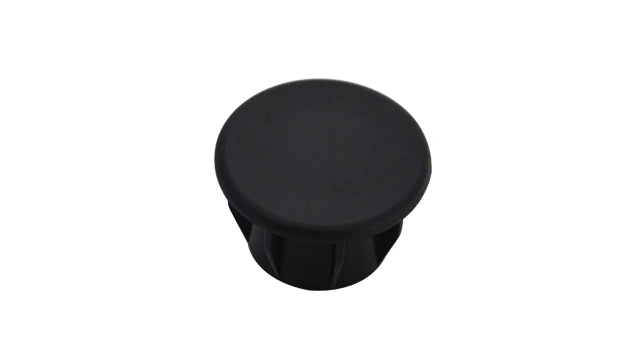
Plastic pipe end cap
Plastic pipe cover, used for 28mm two end cover and protection, to avoid any scratch from sharp metal surface.
In the world of lean manufacturing, we often talk about big-picture goals: streamlining workflows, cutting waste, boosting efficiency. But anyone who's run a production floor knows the truth—those goals are built on the smallest of details. The workbench that holds your tools steady. The conveyor that moves parts without jamming. The humble pipe that forms the backbone of your lean system. And yes, even the tiny caps that seal the ends of those pipes. Pipe end caps might seem like an afterthought, but in reality, they're quiet workhorses that protect equipment, keep workers safe, and ensure your lean setup runs like a well-oiled machine. Today, we're diving into the two main contenders: metal and plastic end caps. By the end, you'll know which one deserves a spot in your production line—and why.
First Things First: What Even Are Pipe End Caps?
Before we pick sides, let's get clear on what pipe end caps do. Think of them as the "caps" on a marker—small, but essential. When you're building with lean pipe (the modular tubes that form the skeleton of workbenches, material racks, and flow racks), the ends of those pipes are raw, open, and potentially problematic. Without a cap, you're looking at sharp edges that could scratch workers or damage parts. Dust, debris, and even moisture could sneak inside, corroding the pipe from the inside out. And let's not forget aesthetics—exposed pipe ends look unprofessional, which matters when clients or auditors walk through your facility.
But end caps aren't just about protection. They also play a role in functionality. A snug cap keeps the pipe structurally sound, preventing bending or warping at the open end. In some cases, they even help with alignment—ensuring pipes fit cleanly into joints or brackets. So whether you're setting up a new lean system or maintaining an existing one, choosing the right end cap isn't just a minor decision. It's about keeping your line running smoothly, your team safe, and your costs in check.
Metal Pipe End Caps: The Tough, No-Nonsense Choice
If pipe end caps were superheroes, metal ones would be the heavyweight champions. Made from materials like stainless steel (a staple in the stainless steel pipe series) or aluminum (often paired with aluminum profile setups), they're built to withstand the harshest conditions. Let's break down what makes them stand out.
The Pros: Why Metal Caps Earn Their Keep
Durability that outlasts the pipe itself. Metal caps don't flinch at heavy use. If you're running a high-traffic workbench where tools are constantly being set down, or a material rack that's loaded with heavy components, metal caps won't crack, split, or wear thin. I've seen stainless steel end caps on lean pipes in automotive plants that are still going strong after 10+ years—even with daily bumps from forklifts and turnover trolleys.
Heat and chemical resistance. In environments where temperatures spike (think near welding stations) or chemicals are present (like in food processing or industrial cleaning), plastic caps can melt, warp, or degrade. Metal? It laughs it off. Stainless steel, in particular, resists corrosion from oils, solvents, and even water, making it ideal for damp or messy work areas.
Safety you can trust. Sharp edges on pipes are a hazard, but metal caps form a rigid, unyielding barrier. Unlike plastic, they won't dent or deform if someone bumps into them, keeping those sharp edges fully covered. For production managers who prioritize OSHA compliance, that peace of mind is priceless.
The Cons: Where Metal Falls Short
They're not lightweights. Metal caps add extra heft to your lean pipe structures. If you're building a mobile workstation or a turnover trolley that needs to be moved by hand, those extra ounces can add up. I once worked with a client who switched from steel to aluminum caps on their rolling racks—suddenly, their team could move the racks with half the effort.
Costlier upfront. You'll pay more for metal caps, especially stainless steel. For a small setup with a few workbenches, the difference might be negligible, but if you're outfitting an entire production line, those costs can climb. It's a trade-off: pay more now for longevity, or save upfront but replace more often.
Installation can be a hassle. Unlike plastic caps, which often snap on by hand, metal caps sometimes require tools. Some need to be screwed on, others pressed into place with a mallet. If you're assembling a lean system quickly or need to replace caps on the fly, this can slow you down.

Plastic Pipe End Caps: The Flexible, Budget-Friendly Alternative
Plastic end caps are the underdogs of the pipe accessory world—often overlooked, but surprisingly versatile. Made from materials like PVC, nylon, or polyethylene, they're designed to be lightweight, easy to install, and gentle on the wallet. Let's see where they shine.
The Pros: Why Plastic Caps Are a Hit
Light as a feather, easy as pie to install. Most plastic caps are "push-fit"—you simply align them with the pipe end and press. No tools, no screws, no hassle. I've watched a team of new hires assemble a lean pipe workbench with plastic caps in under an hour—something that would've taken twice as long with metal caps requiring tools.
Easy on the budget. Plastic caps cost a fraction of what metal ones do. For startups or production lines with tight margins, this is a big win. A client once told me switching to plastic caps on their material racks saved them $2,000 on a single order—and that was for a mid-sized facility.
Corrosion-resistant (without the steel price tag). While plastic can't handle extreme heat, it's naturally resistant to rust, chemicals, and moisture. In dry, moderate-temperature environments—like electronics assembly lines or packaging stations—plastic caps hold up just fine. Plus, they come in colors! Yellow, grey, blue—you can color-code your pipes by department or function, making it easier for workers to find tools or materials.
The Cons: When Plastic Isn't Up to the Task
They don't play well with heavy hits. drop a tool on a plastic cap, and there's a good chance it'll crack. Use them on a workbench where parts are constantly being set down, and they'll start to wear thin around the edges. I had a client in a furniture factory who tried plastic caps on their material racks—within six months, over 30% of them needed replacement because the constant sliding of wooden planks had (worn through) the plastic.
Temperature sensitivity is real. Leave plastic caps in direct sunlight or near a heat source, and they'll soften. In cold environments, they can become brittle and snap. One warehouse I consulted with had to replace all their plastic caps after a winter cold snap—dozens cracked when workers bumped the pipes with pallet jacks.
Not ideal for high-security safety needs. While plastic caps cover sharp edges, they're not as rigid as metal. A hard enough impact can push the cap out of place, exposing the pipe end. For areas with heavy machinery or high foot traffic, this is a risk production managers can't ignore.

Metal vs. Plastic: A Side-by-Side Breakdown
| Feature | Metal End Caps | Plastic End Caps |
|---|---|---|
| Durability | Excellent—resists cracks, wear, and impact | Good for light use; prone to cracking under heavy load |
| Installation | Often requires tools (screws, mallets) | Tool-free (push-fit or snap-on) |
| Cost | Higher upfront (stainless steel > aluminum) | Low upfront cost |
| Weight | Heavy (adds bulk to structures) | Lightweight (ideal for mobile setups) |
| Best For | Heavy-use areas, high heat/chemicals, safety-critical zones | Light-duty workbenches, dry environments, budget projects |
| Longevity | 5–15+ years (stainless steel) | 1–5 years (depending on use) |
Real-World Scenarios: Which Cap Wins for Your Line?
The best cap depends on your unique setup. Let's walk through a few common scenarios to see how the choice plays out.
Scenario 1: Automotive Assembly Line (Heavy Machinery, High Traffic)
You're running a line where lean pipes support tool hangers, parts bins, and workbenches. Forklifts zip by, workers bump into racks with parts, and oil/dirt are constant. Here, metal caps are a no-brainer. Stainless steel will resist corrosion from oil, stand up to forklift bumps, and last for years. Plastic caps would crack within months, leading to constant replacements and safety risks.
Scenario 2: Electronics Workbench (Light Use, Clean Environment)
Your line assembles circuit boards on static-free (ESD) workbenches. The environment is clean, dry, and temperatures are controlled. Workers handle small parts gently, and the lean pipes are mostly for holding bins and tools. Plastic caps are perfect here. They're lightweight, cheap, and easy to replace if needed. Plus, you can color-code caps to match ESD zones—blue for static-safe areas, grey for non-ESD.
Scenario 3: Food Processing Plant (Moisture, Sanitization)
You need end caps for lean pipes on material racks near washing stations. The area is damp, and racks are sanitized daily with high-pressure hoses and chemical cleaners. Metal caps (stainless steel, specifically) are the way to go. Plastic would degrade from constant moisture and chemicals, but stainless steel resists rust and stands up to harsh cleaners. Bonus: stainless steel is easy to wipe clean, keeping your line compliant with food safety standards.
The Bottom Line: Making the Right Choice for Your Team
At the end of the day, there's no "perfect" cap—only the right cap for your needs. If you're in a high-stress environment with heavy use, heat, or chemicals, metal caps (especially stainless steel) are worth the investment. They'll save you time and money in the long run by reducing replacements and keeping your team safe.
But if you're working with lightweight lean systems, tight budgets, or light-duty workbenches, plastic caps are a smart, practical choice. Just be prepared to replace them more often—and avoid using them in extreme conditions.
And remember: you don't have to choose one or the other. Many production managers mix and match. Use metal caps on high-traffic material racks and plastic caps on lightweight workbenches. It's all about balancing durability, cost, and functionality—because in lean manufacturing, every detail counts. Even the small ones.