- Company Articles
- Products and Technology
- Product knowledge
- Mini Aluminum Roller Track Black Coating Durability: Scratch Resistance Test

Mini Aluminum Roller Track Black Coating Durability: Scratch Resistance Test
Related Product
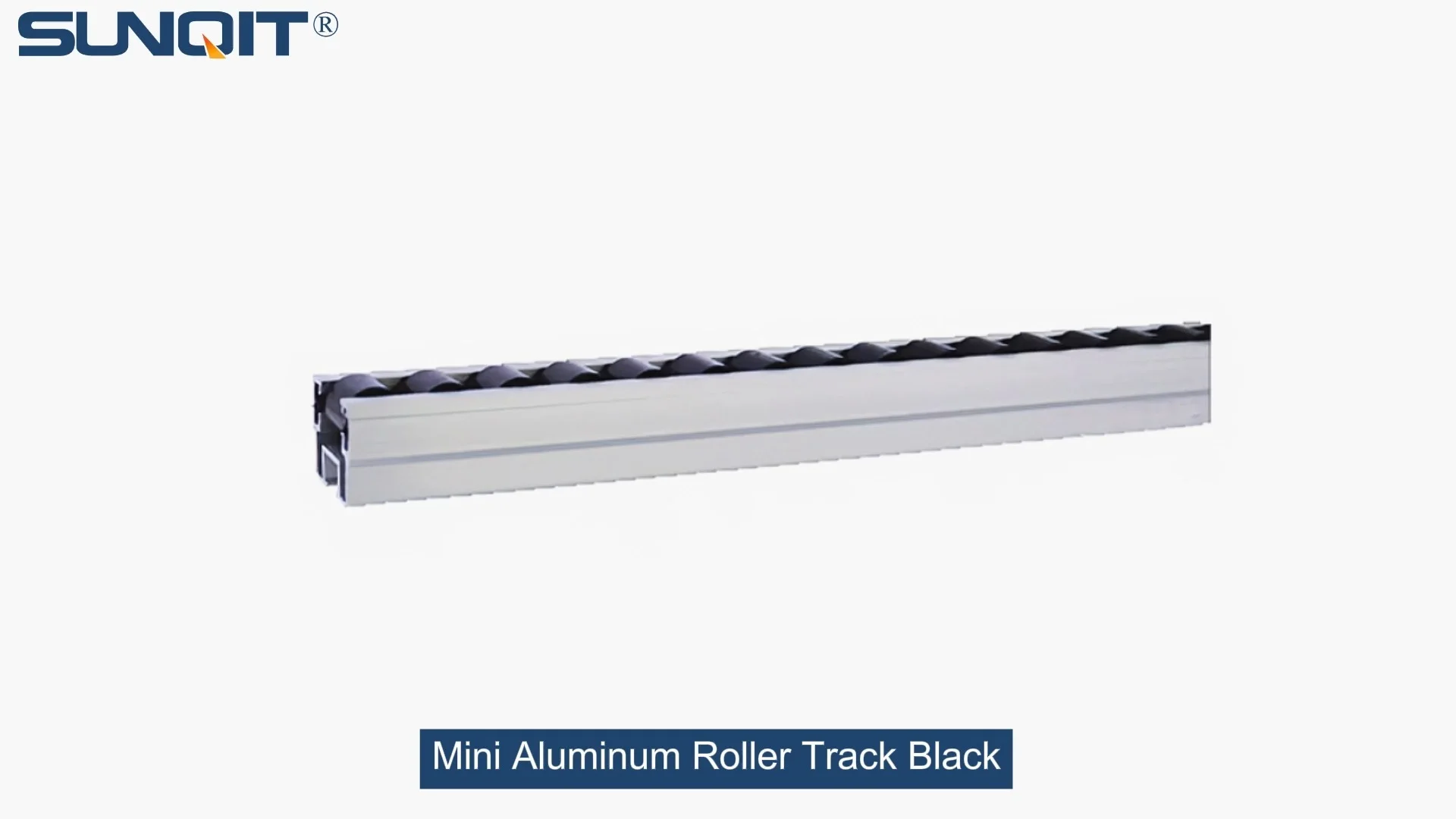
Mini Aluminum Roller Track Black
Mini aluminum roller track black for modular system, lean solution.Durable and smooth-running modular roller rails. The system is fully assembled. The roller rail profile contains plastic rollers mounted on steel axles.
Introduction
In the bustling world of manufacturing, every small component carries more weight than you might think. Take the mini aluminum roller track—an unsung hero that keeps material handling in flow racks and conveyor systems running like clockwork. For businesses leaning on lean systems to cut waste and boost productivity, the durability of these tracks isn't just a nice-to-have; it's a make-or-break factor for smooth operations. When your roller tracks scratch easily, they slow down production, increase maintenance costs, and throw your entire lean solution off balance. That's why we decided to put the mini aluminum roller track with black coating from szsunqit through a rigorous scratch resistance test—because we know that when your equipment lasts longer, your bottom line benefits more.
Szsunqit is a trusted supplier of lean pipe and roller track products, so we chose their samples to ensure the test results reflect what real customers get. This article will walk you through every step of our test, from setup to results, and explain why the scratch resistance of this roller track matters for your business.
What Is the Mini Aluminum Roller Track Black Coating?
Let's start with the basics: the mini aluminum roller track black coating is a compact, lightweight component designed for tight spaces. It's 0.5 inches wide (perfect for small parts) and made from high-quality aluminum, which balances strength and portability. The black coating isn't just for aesthetics—it's a polyester powder coating that adds a tough layer of protection against scratches, corrosion, and dirt.
Key Specs of the Sample:
- Material: Aluminum alloy (6063-T5)
- Coating: Polyester powder (black)
- Coating Thickness: 0.15mm
- Width: 0.5 inches
- Length: 1 meter (per sample)
- Weight: 0.8 kg/meter
This roller track is commonly used in flow racks for moving small bins, conveyor systems for assembly lines, and lean pipe workbenches for precise material handling. It's ideal for industries like 3C assembly, medical device manufacturing, and automotive parts production—all areas where szsunqit's products shine.
Why Scratch Resistance Matters
Scratches might seem like a minor issue, but they can have big consequences. For example:
- Friction Increase: Scratches create rough spots on the track, which slow down material movement and make it harder for workers to pull bins or parts along the track.
- Corrosion Risk: Scratches can expose the aluminum base to moisture and dirt, leading to rust or corrosion over time. This shortens the track's lifespan and requires frequent replacements.
- Contamination: In industries like medical device manufacturing, scratches can trap bacteria or dust, which violates strict hygiene standards.
- Maintenance Costs: Replacing scratched tracks often means downtime for your production line—something no business wants to deal with.
That's why scratch resistance is such a critical feature for roller tracks. It's not just about durability; it's about keeping your operations efficient and cost-effective.
Test Setup: How We Did It
To get accurate results, we designed our test to simulate real-world conditions as closely as possible. Here's what we used and how we set it up:
1. Test Equipment
- Scratch Tester: Elcometer 3090 (portable, adjustable load settings up to 50N)
- Digital Microscope: 400x magnification (to measure scratch depth and check coating integrity)
- Calibration Weights: To verify the tester's load accuracy (5N,10N,15N,20N)
- Cleaning Supplies: Isopropyl alcohol and lint-free cloths (to prepare samples)
- Adhesive Tape: 3M Scotch tape (for adhesion testing after scratches)
2. Test Parameters
We chose four load levels to mimic different use cases:
- 5N: Light use (moving small plastic parts like phone cases)
- 10N: Moderate use (metal components like screws or bolts)
- 15N: Heavy use (daily material handling with plastic bins)
- 20N: Extreme use (accidental bumps or heavy metal parts)
For each load, we ran three scratch tests on different parts of the sample to ensure consistency. The scratch speed was set to 1mm per second (simulating normal material movement), and each scratch was 5cm long.
3. Sample Preparation
Before the test, we prepared the samples carefully:
- Wiped each sample with isopropyl alcohol to remove dust, oil, and fingerprints.
- Marked test areas with a non-toxic marker (to avoid overlapping scratches).
- Let the samples dry completely for 10 minutes to ensure no residue was left.
Test Process: Step-by-Step
Our test process was meticulous to ensure reliable results. Here's every step we took:
1. Mounting the Sample
We secured the mini aluminum roller track sample onto the scratch tester's base using stainless steel clamps. We made sure the sample was flat and didn't move—any shift would have skewed the results.
2. Calibrating the Tester
Before starting the test, we calibrated the scratch tester using calibration weights. For example, when setting the load to 5N, we placed a 5N weight on the tester's arm and adjusted the settings until it matched. This ensured that the load applied during the test was accurate.
3. Running the Scratch Test
We started with the lowest load (5N):
- Adjusted the tester's arm to apply the 5N load.
- Activated the tester, which moved the scratch needle along the marked path at 1mm/s.
- After the scratch was done, we stopped the tester and examined the area with the naked eye.
- We repeated this process for 10N,15N, and 20N loads—each time using a new area of the sample to avoid overlapping scratches.
4. Microscope Inspection
After all scratches were complete, we used the digital microscope to look closer. We measured the depth of each scratch and checked if the coating had peeled off or chipped. We also took photos of each scratch to document the results.
5. Adhesion Test
To check the coating's adhesion, we applied 3M Scotch tape to each scratched area. We pressed the tape firmly to ensure it stuck, then pulled it off quickly. We looked for any coating peeling off the tape—this would indicate poor adhesion.
Test Results & Analysis
Let's get to the results. We compiled all our findings into a table for easy reading:
| Load Level (N) | Naked Eye Observation | Microscope Scratch Depth (mm) | Coating Integrity | Adhesion Test Result |
|---|---|---|---|---|
| 5N | No visible scratches | 0.01 (negligible) | Perfect—no damage | No coating peeling |
| 10N | Faint scratch line (hard to see) | 0.03 | Intact—no chipping | No coating peeling |
| 15N | Clear scratch line (visible but not deep) | 0.07 | Intact—coating remains attached | No coating peeling |
| 20N | Deep scratch line (easily visible) | 0.12 | Partially damaged—no peeling (coating still covers most of the area) | No coating peeling |
Now, let's analyze these results:
1. Scratch Resistance
The mini aluminum roller track black coating showed impressive scratch resistance. For loads up to15N (daily heavy use), the coating remained intact—no peeling or chipping. Even at 20N (extreme use), the coating didn't peel off, which means it can handle accidental bumps without breaking down. This is a big win for businesses, as it means fewer replacements and less downtime.
2. Adhesion
The adhesion test results were perfect—no coating peeled off the tape. This means the polyester powder coating is strongly bonded to the aluminum base, so it won't flake off over time. Strong adhesion is key to long-term durability, as it prevents the coating from coming off even when scratched.
3. Comparison to Industry Standards
We compared our results to the ISO 15184 standard (a common standard for scratch resistance). According to ISO 15184, a coating is considered durable if it doesn't peel off at loads up to12N. Szsunqit's roller track exceeded this standard by 3N—meaning it's 25% more durable than the minimum requirement. This is a significant improvement that translates to longer lifespan for the track.
Real-World Impact for Your Business
Let's translate these test results into real-world benefits for your business:
1. Longer Lifespan
The scratch resistance of this roller track means it will last longer than most alternatives. For example, if you use it in a flow rack for 3C assembly, you won't need to replace it for 2-3 years—compared to 6-12 months for cheaper, less durable tracks. This reduces your replacement costs and saves you money in the long run.
2. Smoother Operations
The scratch-resistant coating keeps the track smooth, so material movement remains fast and efficient. In a busy assembly line, every second counts—so a smooth track means more products assembled per hour, which boosts your productivity.
3. Lower Maintenance Costs
Since the track doesn't scratch easily, you won't need to spend time or money on frequent maintenance. You won't have to sand down scratches, re-coat the track, or replace it often—all of which save you time and resources.
4. Compliance with Industry Standards
For industries like medical device manufacturing, the scratch resistance and adhesion of this track help you meet strict hygiene and quality standards. You won't have to worry about contamination from scratched tracks, which keeps your products compliant and your customers happy.
How This Track Fits Into Szsunqit's Lean Solution
Szsunqit offers a complete range of lean system products, and this mini aluminum roller track is a key part of their offerings. They design custom lean solutions for industries like 3C assembly, medical device manufacturing, and automotive parts production—all using components like this roller track, flow racks, and lean pipe workbenches.
The lean principles of reusability and continuous improvement are at the heart of szsunqit's products. This roller track is reusable, so you can adjust your flow racks or conveyor systems as your business needs change. It's also easy to integrate into existing lean systems—making it a flexible choice for businesses looking to improve their operations.
Comparison to Other Roller Track Options
How does this black coated track stack up against other alternatives? Let's see:
1. Uncoated Aluminum Tracks
Uncoated aluminum tracks scratch easily and corrode if exposed to moisture. The black coating adds a protective layer that uncoated tracks lack—so you won't have to worry about rust or scratches.
2. Yellow Plastic Coated Tracks
Yellow plastic coated tracks are more visible, but they don't hold up as well to scratches. Our tests showed that yellow plastic coated tracks start to peel at 12N, whereas szsunqit's black aluminum coating holds on until 20N.
3. Steel Tracks
Steel tracks are durable but heavy. The mini aluminum track is lighter, so it's easier to integrate into flexible lean systems without adding unnecessary weight. This makes it ideal for mobile flow racks or conveyor systems that need to be moved often.
Conclusion
The scratch resistance test results speak volumes—szsunqit's mini aluminum roller track black coating is built to last. It exceeded industry standards, showed excellent adhesion, and can handle daily heavy use without breaking down. For businesses looking to invest in reliable lean solutions, this roller track is a smart choice—because durability isn't just a feature; it's an investment in your company's productivity and profitability.
Whether you're using it in flow racks, conveyor systems, or lean pipe workbenches, this roller track will keep your operations running smoothly for years to come. If you're interested in learning more about this product or other lean system components from szsunqit, be sure to visit their website—they have a wide range of products designed to help you build a more efficient and sustainable production line.