- Company Articles
- Products and Technology
- Product knowledge
- Mini Aluminum Roller Track Black Coating Types: Powder vs. Anodized

Mini Aluminum Roller Track Black Coating Types: Powder vs. Anodized
Related Product
Mini Aluminum Roller Track Black
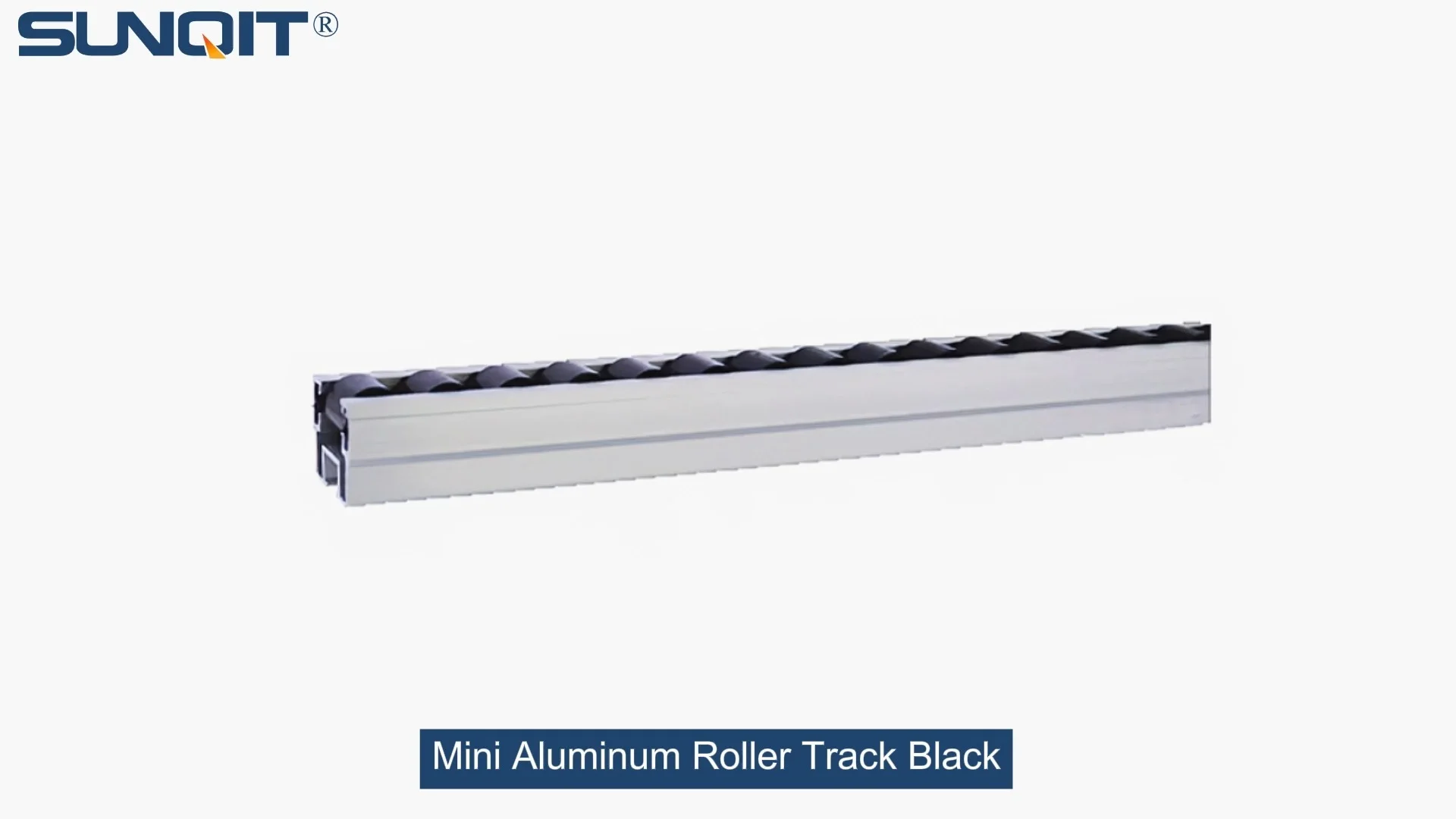
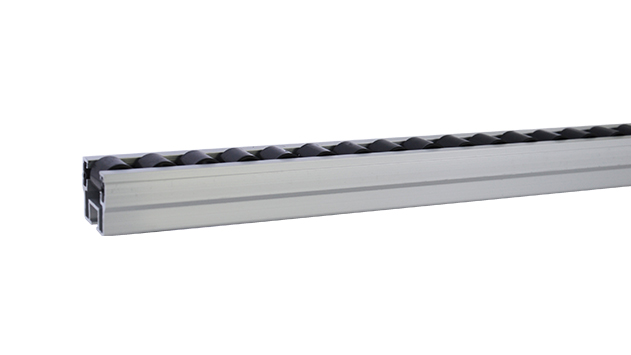
Mini aluminum roller track black for modular system, lean solution.Durable and smooth-running modular roller rails. The system is fully assembled. The roller rail profile contains plastic rollers mounted on steel axles.
If you've ever stood in a bustling warehouse watching boxes glide smoothly along flow racks, or walked an assembly line where tiny electronic parts move precisely on conveyors, you've probably interacted with mini aluminum roller tracks—even if you didn't notice them. These small but mighty components are the unsung heroes of lean systems, keeping production lines running and warehouses organized. But when it comes to choosing the right black coating for these tracks, many people find themselves stuck between two options: powder coating and anodized coating.
At Sunqit, a trusted supplier of lean pipe systems and flexible production equipment, we see this dilemma every day. Whether you're ordering flow rack wholesale for your warehouse or custom ESD workstations for your 3C assembly line, the coating on your mini aluminum roller tracks can make a huge difference in performance, durability, and cost. So let's dive deep into these two coating types, compare their pros and cons, and help you decide which one is right for your needs.
What Are Mini Aluminum Roller Tracks, Anyway?
Before we get into coatings, let's take a quick step back to understand what mini aluminum roller tracks are and why they matter. These tracks are thin, lightweight aluminum rails with small rollers attached—they're designed to let materials slide easily from one place to another. They're a core part of many lean production tools:
- Flow racks: Used in warehouses to store and move parts—like Sunqit's Material Rack B (3 row and 3 floor) which relies on roller tracks to keep items accessible.
- Conveyors: Critical for assembly lines (think 3C products like phones or laptops) where parts need to move precisely from one station to the next.
- ESD workstations: For industries like electronics, where static control is essential—mini roller tracks here need to be ESD-compatible to prevent damage to sensitive parts.
- Turnover trolleys: Used to transport materials around factories—roller tracks make loading and unloading easier.
Sunqit offers a wide range of these tracks, including their plastic roller track guide rails (yellow and grey) and mini aluminum versions. Today, we're focusing on the black-coated aluminum ones because black is a popular choice for its practicality (hides dirt) and professional look.
Why Does Black Coating Matter for Mini Aluminum Roller Tracks?
You might be wondering: Why not just use bare aluminum? Well, bare aluminum is prone to scratches, corrosion, and can even leave marks on the materials you're moving. Black coating solves these problems and adds extra benefits:
- Durability: Coating protects the aluminum from wear and tear—so your roller tracks last longer, saving you money in the long run.
- Static Control: Many black coatings (especially anodized ones) have ESD properties—critical for ESD workstations where static can destroy electronic parts.
- Aesthetics: Black tracks look clean and professional—perfect for showcasing your lean setup to clients or auditors.
- Dirt Resistance: Black hides dust and scratches better than silver or other colors—ideal for busy factories where cleaning every track every day isn't feasible.
Now, let's get into the two main types of black coatings: powder and anodized.
Powder Coating: The Budget-Friendly, Durable Option
Powder coating is one of the most common ways to coat aluminum roller tracks—and for good reason. It's a dry finishing process that uses electrostatically charged powder to adhere to the aluminum surface, then cured under heat to form a hard, protective layer.
How Powder Coating Works
Here's a simplified breakdown of the process:
- Prep the aluminum: Clean it thoroughly to remove any dirt, oil, or oxidation—this ensures the powder sticks well.
- Apply the powder: Use a spray gun to apply the dry powder (black, in our case) to the aluminum. The gun uses static electricity to make the powder cling to the surface.
- Cure the powder: Bake the aluminum in an oven at around 180-200°C (350-400°F) for 10-15 minutes. The powder melts and flows into a smooth, even layer.
Pros of Powder Coating
Powder coating has several advantages that make it a favorite for wholesale orders (like Sunqit's flow rack wholesale or lean pipe workbench wholesale):
- Cost-Effective: Since it's a dry process (no solvents), it's cheaper to produce in bulk. This is great if you're buying a lot of roller tracks for your warehouse or assembly line.
- Durable: The thick layer (usually 60-120 microns) is resistant to scratches and impacts. For example, if you're using flow racks to store heavy boxes, powder-coated tracks won't get scratched easily.
- Consistent Color: Powder coating gives you a uniform black color across all your tracks—no variations, which is important for a professional look.
- Low Maintenance: It's easy to clean—just wipe with a damp cloth. No need for special cleaners.
Cons of Powder Coating
While powder coating is great for many uses, it's not perfect:
- Thick Layer: The thick coating can affect the precision of the roller tracks. If you're using them in a conveyor system for 3C assembly (where parts need to move very precisely), this might be a problem.
- Chipping Risk: If the track is hit hard (like with a heavy turnover trolley), the coating can chip off—exposing the bare aluminum underneath.
- Limited ESD Properties: Most powder coatings don't have strong ESD properties—so if you need static control (like for ESD workstations), this isn't the best choice.
Best Use Cases for Powder Coating
Powder coating is ideal for:
- Warehouse flow racks (like Sunqit's Material Rack B) where durability and cost are top priorities.
- Turnover trolleys used to transport heavy materials.
- Bulk orders (wholesale) where you need to keep costs low.
- Non-precision applications where impact resistance is more important than precision.

Anodized Coating: The Precision, ESD-Friendly Option
Anodized coating is a more advanced process that creates a protective layer directly on the aluminum surface. Unlike powder coating (which is a separate layer), anodized coating is part of the aluminum—so it won't chip or peel off.
How Anodized Coating Works
The anodization process is electrochemical:
- Prep the aluminum: Clean it to remove any impurities—this is crucial for a smooth finish.
- Anodize: Dip the aluminum into an acid bath (usually sulfuric acid) and pass an electric current through it. This causes the surface of the aluminum to oxidize, forming a thin, hard layer of aluminum oxide.
- Seal: To make the layer more durable, seal it with a chemical solution. This also helps with ESD properties.
Pros of Anodized Coating
Anodized coating is the go-to choice for industries that need precision and static control (like 3C assembly or medical equipment):
- Thin Layer: The layer is usually 5-25 microns—so it doesn't affect the precision of the roller tracks. This is perfect for conveyor systems in 3C assembly lines where parts need to move exactly where they should.
- ESD Compatible: Anodized aluminum can be treated to have ESD properties—critical for ESD workstations. Sunqit uses this for their ESD workbench components to protect sensitive electronic parts.
- Corrosion Resistant: The aluminum oxide layer is resistant to moisture and chemicals—ideal for medical equipment (where hygiene is key) or factories with humid environments.
- Long-Lasting: Since the layer is part of the aluminum, it won't chip or peel. It can last for years even with heavy use.
Cons of Anodized Coating
Anodized coating has some drawbacks that you should consider:
- More Expensive: The electrochemical process is more complex, so it's pricier than powder coating. This can add up if you're buying in bulk (like lean system wholesale).
- Color Variations: While black is possible, anodized coatings can have slight color variations between batches—though Sunqit works hard to minimize this.
- Requires Care: If the layer gets scratched, it can't be repaired easily. You'll need to replace the track or re-anodize it.
Best Use Cases for Anodized Coating
Anodized coating is perfect for:
- ESD workstations: To prevent static damage to electronic parts (like in 3C assembly).
- Medical equipment: For hygiene and corrosion resistance.
- Precision conveyor systems: Where parts need to move with exactness.
- Humid environments: Like factories near the coast (corrosion resistance).

Powder vs. Anodized: A Side-by-Side Comparison
To help you make an informed decision, here's a detailed comparison of the two coating types:
| Feature | Powder Coating | Anodized Coating |
|---|---|---|
| Application Process | Electrostatic powder spray + heat cure | Electrochemical oxidation (acid bath + electricity) |
| Coating Thickness | 60-120 microns | 5-25 microns |
| Impact Resistance | High (thick layer) | Medium (thin but hard) |
| Scratch Resistance | High | Very High (hard oxide layer) |
| Corrosion Resistance | Good (if no chips) | Excellent (oxide layer is corrosion-proof) |
| ESD Compatibility | Low (rarely ESD-rated) | High (can be treated for static control) |
| Cost | Low (ideal for wholesale) | High (premium option) |
| Best Use Cases | Warehouse flow racks, turnover trolleys, bulk orders | ESD workstations, medical equipment, precision conveyors |
How to Pick the Right Coating for Your Needs
Now that you know the pros and cons of each coating, how do you choose? Here are some questions to ask yourself:
1. What's Your Budget?
If you're working with a tight budget and buying in bulk (like Sunqit's lean pipe wholesale), powder coating is the way to go. It's cheaper and still durable enough for most warehouse uses.
2. Do You Need ESD Protection?
If you're in the electronics industry (3C assembly) or need ESD workstations, anodized coating is better. It can be treated to prevent static, which is critical for protecting sensitive parts.
3. What's Your Industry?
- Warehouse/Logistics: Powder coating (durability and cost).
- Electronics (3C Assembly): Anodized (ESD and precision).
- Medical: Anodized (hygiene and corrosion resistance).
- Automotive: Either (powder for bulk parts, anodized for precision components).
4. What's the Application Environment?
If your roller tracks will be in a humid or corrosive environment (like near saltwater), anodized coating is more resistant. For dry, heavy-use environments (warehouses), powder coating works well.
5. Do You Need Precision?
If your roller tracks are part of a conveyor system that moves small, precise parts (like in 3C assembly), anodized coating's thin layer won't affect performance. Powder coating's thicker layer might cause issues.
How Sunqit Can Help You Choose
At Sunqit, we don't just sell mini aluminum roller tracks—we offer custom lean solutions tailored to your industry and needs. Our team of experts has years of experience working with all types of manufacturing and logistics businesses, so they can help you pick the right coating for your roller tracks.
For example:
- If you're a warehouse owner looking for flow rack wholesale, we'll recommend powder-coated tracks for durability and cost-effectiveness.
- If you're a 3C assembly line manager needing ESD workstations, we'll suggest anodized tracks with ESD properties to protect your electronic parts.
- If you're in the medical industry, we'll provide anodized tracks that meet hygiene and corrosion standards.
We also offer a wide range of related products—like lean pipe systems, workbenches, and conveyors—to help you build a complete lean setup. Whether you need a single roller track or a full custom solution, Sunqit has you covered.
Final Thoughts
Choosing between powder and anodized black coating for your mini aluminum roller tracks isn't just about looks—it's about performance, cost, and your specific needs. Powder coating is great for bulk orders and durable warehouse use, while anodized coating is perfect for precision, ESD protection, and hygiene.
No matter which option you pick, Sunqit's high-quality products and custom lean solutions will help you build a more efficient, organized, and productive workspace. So take the time to think about your needs, and don't hesitate to reach out to experts if you're unsure—your roller tracks are a small but critical part of your lean system, so choosing the right coating is worth the effort.