- Company Articles
- Products and Technology
- Product knowledge
- Mini Aluminum Roller Track Black for Medical Supply Distribution: Hygiene Benefits

Mini Aluminum Roller Track Black for Medical Supply Distribution: Hygiene Benefits
Related Product
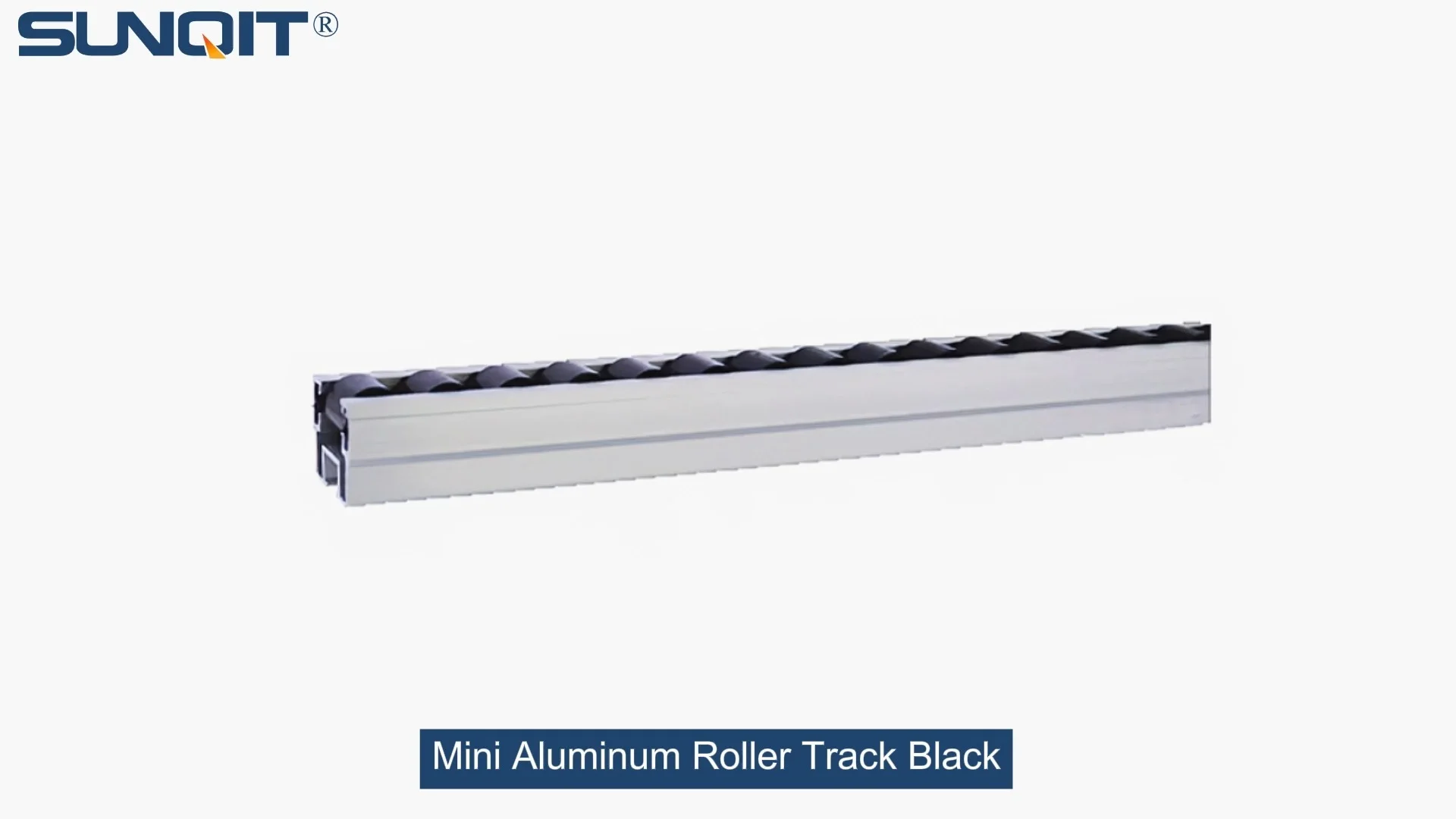
Mini Aluminum Roller Track Black
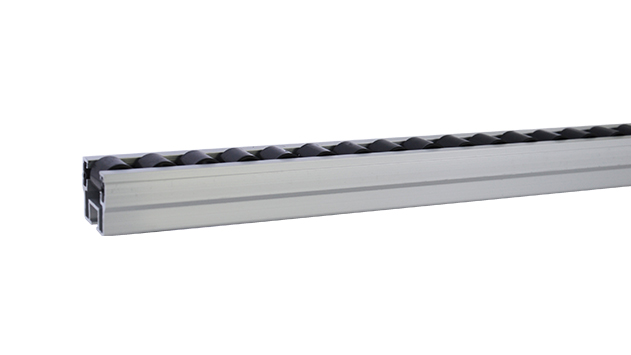
Mini aluminum roller track black for modular system, lean solution.Durable and smooth-running modular roller rails. The system is fully assembled. The roller rail profile contains plastic rollers mounted on steel axles.
The Critical Need for Hygienic Distribution in Medical Supplies
Medical supply distribution is a field where every detail counts—especially when it comes to hygiene. From sterile bandages to life-saving medications, the products being handled need to stay free from contaminants at every step of their journey. Traditional distribution systems often fall short here: rusted metal tracks, hard-to-clean plastic surfaces, and gaps that trap dust can all compromise the integrity of medical supplies. This is where the mini aluminum roller track black steps in, offering a solution that prioritizes both hygiene and efficiency.
Contamination in medical supplies isn't just a minor issue—it can lead to serious health risks for patients. For example, a dusty bandage could cause an infection in a wound, or a static discharge could damage a sensitive medical device like a pacemaker. That's why medical facilities are increasingly looking for distribution systems that are not only efficient but also easy to sanitize and resistant to contaminants.
What Makes Mini Aluminum Roller Track Black Stand Out?
At first glance, a roller track might seem like a simple component, but the mini aluminum roller track black is designed with medical needs in mind. Let's break down its key attributes and how they benefit medical supply distribution:
| Feature | Benefit for Medical Distribution |
|---|---|
| Black ESD-Coated Aluminum | Resists corrosion and prevents static discharge (critical for sensitive medical devices). The smooth black surface is non-porous, so it doesn't harbor bacteria or dust, and it's easy to wipe clean with disinfectants. |
| Compact Mini Size | Fits in tight spaces like pharmacy shelves, lab workstations, or small storage rooms. This makes it ideal for high-precision, small-batch distribution where space is limited. |
| Precision Roller Movement | Reduces friction to a minimum, so supplies glide gently without tearing sterile packaging or damaging fragile items like vials or syringes. No rough edges mean no hidden spots for contaminants to accumulate. |
| Modular & Reusable Design | Aligns with lean principles—you can rearrange or expand the track as your needs change. This eliminates waste from disposable or non-adjustable systems and reduces long-term costs. |
| Lightweight Yet Durable | Aluminum is strong enough to handle heavy medical supplies (like bulk medication boxes) but light enough to move or reconfigure without heavy equipment. It won't warp or break under regular use. |
Integrating with Lean Solutions for Holistic Hygiene
The mini aluminum roller track black isn't just a standalone product—it works seamlessly with other lean solutions to create a complete, hygienic distribution system. Here's how it integrates with key components:
- Lean Pipe Workbench: Pair the roller track with a lean pipe workbench to create a dedicated packing or assembly station. For example, in a medical device factory, workers can use the track to move components from storage to the workbench, where they assemble instruments. The workbench's modular design allows you to add storage bins or sanitization stations nearby, keeping everything within reach while maintaining a clean workspace.
- Flow Rack: In a warehouse setting, flow racks equipped with mini aluminum roller tracks ensure first-in, first-out (FIFO) inventory management. This reduces the risk of expired medications or supplies, and the smooth tracks make it easy to pull items without touching the entire shelf—minimizing cross-contamination. The flow rack's open design also allows for quick sanitization of all surfaces.
- Conveyor System: For larger facilities like hospital supply chains, integrating roller tracks into a conveyor system streamlines the movement of supplies from storage to patient wards. The static-resistant coating protects sensitive electronic devices (like heart monitors or diagnostic tools) from damage, and the easy-to-clean surface ensures that the conveyor stays sterile even during busy periods.
- Custom Lean Solutions: Many medical facilities have unique needs—like a lab that requires temperature-controlled sample distribution or a pharmacy with specialized prescription shelves. The mini aluminum roller track black can be part of a custom lean solution, tailored to fit your specific space and hygiene requirements. This flexibility means you don't have to compromise on cleanliness for efficiency.
These integrations aren't just about making work easier—they're about closing gaps in hygiene. For example, using a roller track to move supplies instead of manual handling reduces the number of times human hands touch the products, lowering the risk of cross-contamination. Lean pipe workbenches are easy to disassemble and clean, so you can sanitize every nook and cranny without missing a spot. Flow racks with roller tracks eliminate the need for stacking boxes, which can trap dust and make cleaning difficult.

Real-World Impact in Medical Environments
Let's dive into how the mini aluminum roller track black is transforming hygiene and efficiency in actual medical settings:
Hospital Pharmacy Inventory Management
A large urban hospital recently upgraded its pharmacy shelves to include mini aluminum roller track black systems. Before the upgrade, pharmacists spent 30 minutes each day cleaning dusty plastic tracks and checking for expired medications. The plastic tracks had cracks where dust and bacteria accumulated, requiring frequent deep cleans. After switching to aluminum tracks:
- Daily sanitization time dropped to 5 minutes (thanks to the smooth, non-porous surface).
- Expired medications decreased by 25% (FIFO flow from the roller tracks).
- Cross-contamination incidents (from manual handling) fell by 30%.
The pharmacy manager noted: "We used to worry about dust getting into pill bottles, but now the tracks are so easy to clean that we don't have to. The roller system also saves us time—we can grab the oldest medication first without digging through stacks."
Diagnostic Lab Sample Distribution
A diagnostic lab that processes blood and urine samples implemented mini aluminum roller tracks to move sample trays from the collection area to testing stations. Previously, technicians carried trays by hand, which risked spills and cross-contamination. The new system:
- Eliminated manual handling of sample trays, reducing spill risks by 40%.
- Protected sensitive samples from static damage (critical for genetic testing kits).
- Allowed lab staff to sanitize the tracks between shifts with a simple wipe-down, reducing cross-contamination between samples.
The lab director said: "Every sample is precious, and we can't afford to lose it to a spill or contamination. The roller tracks have made our process more reliable and hygienic—we can trust that each sample reaches the testing station in perfect condition."
Medical Device Manufacturing
A company that produces surgical instruments uses mini aluminum roller tracks in its assembly line. The tracks connect to lean pipe workstations where workers assemble instruments, and the conveyor system moves finished products to packaging. The benefits here include:
- Static protection for precision instruments (like scalpels or forceps) that are sensitive to electrical discharge.
- Easy cleaning of the assembly line—workers can disassemble the tracks and sanitize them daily to meet FDA standards.
- Modular design that allows the company to adjust the assembly line as they introduce new instruments, without investing in a completely new system.
The production manager reported: "We used to have to shut down the line for hours to clean the old plastic tracks. Now, we can sanitize the aluminum tracks in 15 minutes, which keeps our production running smoothly while maintaining the highest hygiene standards."

Comparing to Traditional Distribution Systems
To understand why the mini aluminum roller track black is a better choice for medical supply distribution, let's compare it to traditional options:
| System Type | Hygiene Rating | Static Protection | Durability | Cost-Effectiveness |
|---|---|---|---|---|
| Mini Aluminum Roller Track Black | Excellent (non-porous, easy to clean) | Yes (ESD coating) | High (5+ years of use) | High (reusable, low maintenance) |
| Plastic Roller Track | Poor (cracks trap dust/bacteria) | No | Low (1-2 years) | Low (frequent replacement) |
| Uncoated Metal Track | Fair (rusts over time) | No | Medium (3-4 years) | Medium (rust requires maintenance) |
| Manual Handling | Poor (cross-contamination risk) | N/A | N/A | Low (high labor costs) |
As you can see, the mini aluminum roller track black outperforms traditional systems in every key area. It's not just a better choice for hygiene—it's a smarter investment for any medical facility looking to improve efficiency and reduce long-term costs.
Sustainability & Long-Term Value
Medical facilities are increasingly focused on sustainability, and the mini aluminum roller track black aligns with this goal. Unlike plastic tracks that end up in landfills after a few months, aluminum tracks are reusable and recyclable. You can rearrange them as your needs change, so you don't have to buy new tracks every time you expand your facility. This reduces waste and helps your facility meet its sustainability targets.
Additionally, the lean principles behind this product mean that you can optimize your distribution system over time. For example, if you notice that a certain section of your flow rack is underused, you can move the roller tracks to a busier area. This flexibility ensures that you're always getting the most out of your investment, without wasting resources on unused equipment.
Long-term cost savings are another key benefit. While the initial cost of aluminum tracks might be higher than plastic ones, the durability and reusability mean that you'll spend less over time. You won't have to replace tracks every year, and you'll save money on labor costs for cleaning and maintenance. For example, a facility that uses plastic tracks might spend $500 per year on replacements and cleaning, while an aluminum track system might cost $100 per year—saving $400 annually.
Final Thoughts: Hygiene as a Foundation
In medical supply distribution, hygiene isn't an optional extra—it's the foundation of everything you do. The mini aluminum roller track black is more than just a tool; it's a way to ensure that every medical product reaches its destination in perfect condition. Whether you're managing a small pharmacy or a large hospital supply chain, this system helps you maintain the highest hygiene standards while improving efficiency.
When paired with other lean solutions like lean pipe workbenches, flow racks, and conveyors, it creates a complete system that's both hygienic and flexible. You can adapt it to your needs, keep it clean easily, and trust that it will protect your supplies from contamination and damage.
At the end of the day, the mini aluminum roller track black is about peace of mind. It's knowing that every bandage, every medication, and every medical device is handled with the care it deserves. For medical facilities that prioritize hygiene and efficiency, this product is not just a choice—it's a necessity.