- Company Articles
- Products and Technology
- Product knowledge
- Mini Aluminum Roller Track Black: Future Trends in Compact Conveying Technology

Mini Aluminum Roller Track Black: Future Trends in Compact Conveying Technology
Related Product
Mini Aluminum Roller Track Black
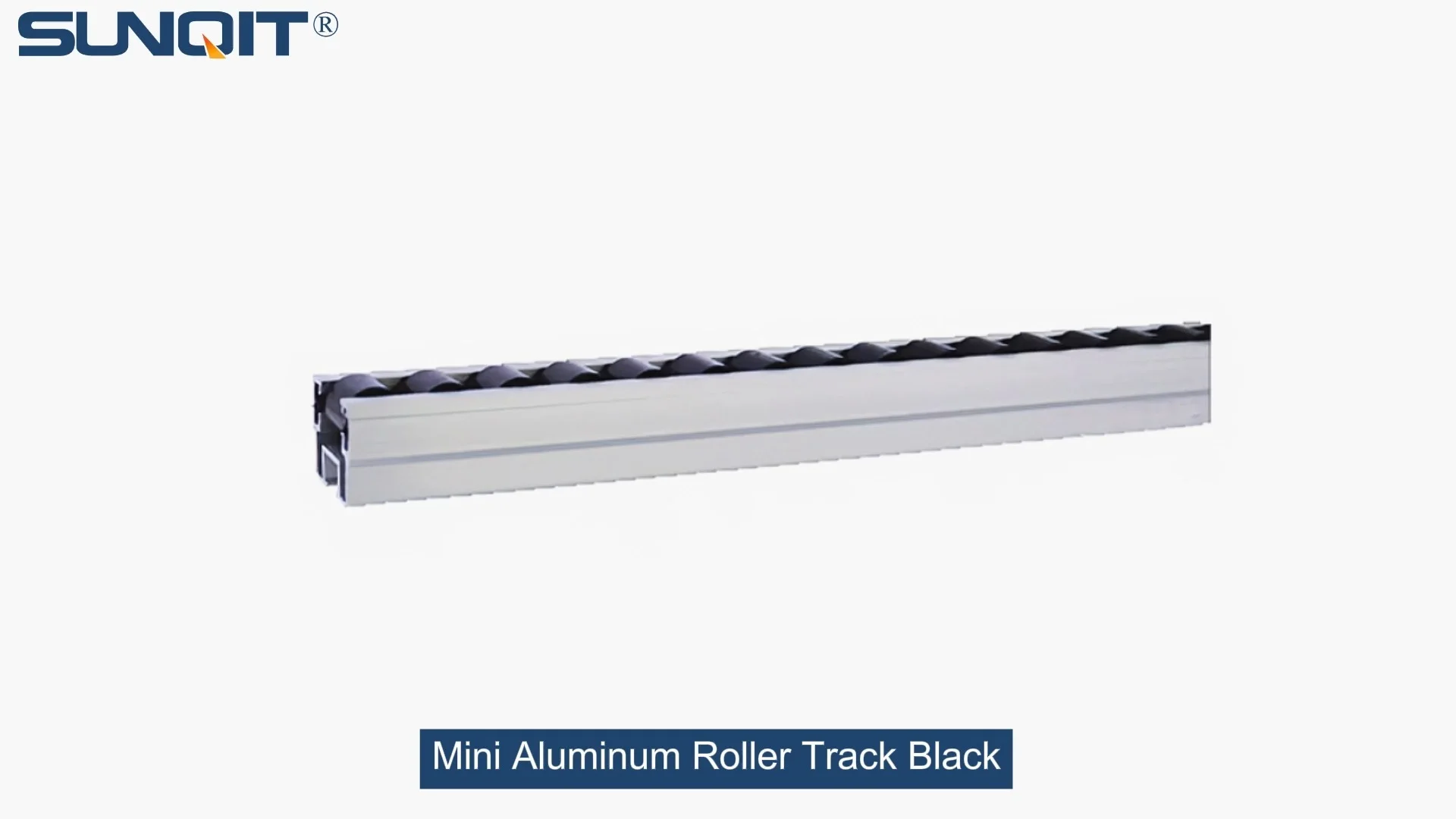
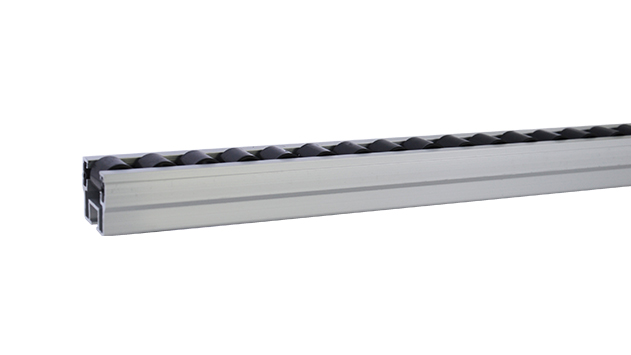
Mini aluminum roller track black for modular system, lean solution.Durable and smooth-running modular roller rails. The system is fully assembled. The roller rail profile contains plastic rollers mounted on steel axles.
If you've ever walked through a modern manufacturing plant—especially in industries like 3C assembly or medical device production—you've probably noticed a shift: lines are getting tighter, workstations are more modular, and every square meter of floor space is being used to its fullest potential. The reason? Consumers want customized products, factories need to adapt quickly, and urban locations (like Shenzhen, where many high-tech plants are based) have limited room to expand. For small components—think smartphone parts, tiny medical sensors, or electronic connectors—moving them efficiently from one station to the next without wasting time or space is a constant challenge. That's where compact conveying technology comes in, and at the forefront of this trend is the Mini Aluminum Roller Track Black.
This small but powerful component isn't just another piece of factory equipment. It's a solution designed to address the exact pain points of modern lean manufacturing: flexibility, space efficiency, and waste reduction. Let's dive deep into what makes Mini Aluminum Roller Track Black so special, how it fits into the future of conveying, and why it's becoming a staple in factories around the world.
What Exactly Is Mini Aluminum Roller Track Black?
First things first: let's break down the name. "Mini" refers to its compact size—narrow widths (often under 10cm) and customizable short lengths mean it can fit into gaps between workstations or on the edges of flow racks that larger conveyors can't reach. "Aluminum" tells us about its material: lightweight, corrosion-resistant, and easy to manipulate (unlike heavy steel alternatives). "Roller Track" means it uses small rollers to move parts smoothly, reducing friction and effort. And "Black"? That's not just for looks—it's a protective finish that adds scratch resistance and hides fingerprints, making it ideal for clean environments like medical device assembly lines.
But there's more to it than just the name. This track is part of a larger lean system ecosystem. It's designed to work seamlessly with other components like lean pipe workbenches, flow racks, and turnover trolleys—all products you'd find from a reliable lean system supplier. For example, you can attach a Mini Aluminum Roller Track Black to the edge of a lean pipe workbench to slide parts directly to a colleague, or connect it to a flow rack to feed components to an assembly station without manual lifting.
Why Compact Conveying Is Taking Over Manufacturing
To understand why Mini Aluminum Roller Track Black is gaining traction, we need to look at the bigger trends shaping manufacturing today:
1. Small-Batch, High-Variety Production
Gone are the days of mass-producing the same product for months on end. Today's consumers want personalized gadgets, custom medical devices, and unique home appliances. This means factories need lines that can switch between products in minutes—not hours. Compact conveying components like Mini Aluminum Roller Track Black are perfect for this: they're easy to disassemble, reconfigure, and reuse (aligning with the lean principle of "sustainable improvement"). If you need to change your assembly line layout for a new product, you don't have to replace the entire conveyor system—just adjust the mini tracks.
2. Space Constraints Are Real
Factories in cities like Shenzhen or Shanghai face a common problem: expensive, limited floor space. Every square meter you use for a bulky conveyor is a square meter you can't use for a workstation or storage. Compact components solve this by fitting into tight spots. For example, a Mini Aluminum Roller Track Black can be installed between two lean pipe workbenches that are only 30cm apart, allowing parts to flow between them without taking up extra room.
3. Lean Manufacturing Is Non-Negotiable
Lean manufacturing's core goal is to eliminate waste—whether it's waiting time, motion waste, or excess inventory. Mini Aluminum Roller Track Black directly targets motion waste: instead of a worker walking 5 meters to grab a box of small parts, the track delivers those parts right to their workstation. This cuts down on the time workers spend moving around and increases the time they spend on value-added tasks like assembly or testing. It also reduces waiting waste: parts arrive exactly when they're needed, so lines don't stop because someone's off fetching components.
Key Features of Mini Aluminum Roller Track Black That Make It Stand Out
Let's get into the details of what makes this track a must-have for modern factories:
Lightweight but Durable Aluminum Material
Aluminum is the perfect material for compact conveying. It's 30% lighter than steel, so you can install or move the track without heavy machinery. But don't let its lightness fool you—aluminum is strong enough to handle medium-weight loads (up to 100kg per meter, depending on the model). This makes it ideal for 3C components, medical device parts, or small automotive components.
Black Finish: More Than Just Aesthetic
The black finish isn't just for looks. It adds an extra layer of corrosion resistance, which is crucial in factories where moisture or chemicals might be present. It also resists scratches and fingerprints—important in clean environments like medical assembly lines where dust or smudges can affect product quality. Plus, it looks professional: a black track blends seamlessly with modern workstation designs, giving your factory a sleek, organized appearance.
Easy Compatibility With Lean System Components
One of the biggest advantages of Mini Aluminum Roller Track Black is its compatibility with other lean components. You can attach it to a flow rack to create a gravity-fed system for parts, or to a lean pipe workbench to slide finished products to a packaging station. It works with simple connectors (like aluminum pipe joints) that require no welding—so you can set it up in minutes, not hours.
ESD-Safe Option for Sensitive Industries
For industries like 3C assembly or medical device production, static electricity is a major risk. A single static discharge can damage a smartphone chip or a medical sensor. Many models of Mini Aluminum Roller Track Black are ESD-safe—meaning they dissipate static electricity to protect sensitive components. This makes it a go-to choice for factories that need to comply with strict ESD standards.

Real-World Impact: A Case Study From 3C Assembly
How a Shenzhen 3C Factory Boosted Efficiency With Mini Aluminum Roller Track Black
Let's take a look at a real example of how this track transformed a production line. A Shenzhen-based 3C assembly plant was struggling with slow component transfer between their lean pipe workbenches. Workers spent 15 minutes per hour walking back and forth to grab small parts (like phone buttons and connectors) from a nearby flow rack. This led to motion waste, tired workers, and a 10% drop in daily output.
The plant decided to install Mini Aluminum Roller Track Black between the flow rack and each workstation. The tracks were attached using simple aluminum pipe joints, and they were set up to gravity-feed parts directly to the workers. Within a week, the results were clear:
- Component transfer time dropped by 70% (from 15 minutes to 4 minutes per hour).
- Daily output increased by 12% because workers spent more time assembling and less time moving.
- Workers reported less fatigue, leading to a 5% reduction in sick days.
But the best part? When the plant switched to assembling a new smartphone model, they were able to reconfigure the tracks in less than an hour. They moved some tracks to different workstations and added a few new ones—no need to buy new equipment. This aligns perfectly with the lean principle of "continuous improvement" and the plant's goal of being flexible enough to adapt to market changes.

Future Trends in Compact Conveying Technology
What's next for compact conveying? Here are three trends we expect to see in the coming years—and how Mini Aluminum Roller Track Black fits into them:
1. Smart Conveying: IoT Integration
The future of manufacturing is smart. We'll see more compact conveying components with built-in IoT sensors. For example, Mini Aluminum Roller Track Black could have sensors that track how many parts pass through it, detect jams, or send alerts when parts are running low. This will help factories optimize their flow even more—no more guessing when to restock a flow rack or fix a jammed track.
2. Even More Customization
Factories will need conveying components that are tailored to their exact needs. Suppliers will offer Mini Aluminum Roller Track Black in different lengths, widths, and load capacities. For example, a medical device plant might need a track with a smaller width for tiny sensors, while a 3C plant might need a longer track for larger components like phone screens. Customization will be key to meeting the unique needs of each industry.
3. Eco-Friendly Materials and Practices
Sustainability is no longer a buzzword—it's a business requirement. Aluminum is already a recyclable material, but we'll see more suppliers using recycled aluminum to make Mini Aluminum Roller Track Black. This will help factories reduce their carbon footprint and comply with global sustainability standards. Additionally, the reusability of the track means less waste: instead of throwing away old components, you can reuse them in new configurations.
How to Choose the Right Compact Conveying Components
If you're considering adding Mini Aluminum Roller Track Black to your factory line, here are some tips to help you make the right choice:
1. Assess Your Needs First
Before you buy, ask yourself: What's the maximum load I need to carry? How much space do I have? Do I need ESD protection? For example, if you're in 3C assembly, ESD-safe tracks are a must. If you're in medical device production, you might need a track that's easy to clean.
2. Check Compatibility With Existing Components
Make sure the track works with your current lean system. If you already have lean pipe workbenches or flow racks, look for a track that uses the same connectors (like aluminum pipe joints). This will save you time and money on installation.
3. Choose a Reliable Supplier
Not all suppliers are created equal. Look for a supplier that offers a wide range of lean system components—like lean pipe, flow racks, conveyors, and Mini Aluminum Roller Track Black. This way, you can get all your components from one place, ensuring compatibility and easier support. A good supplier will also offer custom solutions if you need something specific.
Comparison of Compact Roller Track Options
| Product Name | Material | Color | Load Capacity (per meter) | Ideal Application | Compatibility |
|---|---|---|---|---|---|
| Mini Aluminum Roller Track Black | Aluminum Extrusion | Black | 50-100 kg | 3C Assembly, Medical Device Parts, Small Component Transfer | Lean Pipe Workbench, Flow Rack, Turnover Trolley |
| Mini Aluminum Roller Track Yellow | Aluminum Extrusion | Yellow | 50-100 kg | General Manufacturing, Automotive Components | Lean Pipe Workbench, Flow Rack |
| Stainless Steel Swivel Roller Balls (1 inch) | Stainless Steel | Silver | 20-50 kg | Small Parts Rotation, Packaging Lines | Workbench, Flow Rack |
| Plastic Roller Track Guide Rail Grey | High-Impact Plastic | Grey | 10-30 kg | Lightweight Components, Food Packaging | Turnover Trolley, Small Workstations |
Final Thoughts: Mini Aluminum Roller Track Black Is the Future of Compact Conveying
As manufacturing lines become more compact, flexible, and smart, Mini Aluminum Roller Track Black will continue to play a key role. It's a small component that delivers big results: reduced waste, increased efficiency, and greater flexibility. Whether you're in 3C assembly, medical device production, or any other industry that needs to move small parts efficiently, this track is worth considering.
The future of manufacturing is about working smarter, not harder. Mini Aluminum Roller Track Black helps you do just that—by making your production line more efficient, more flexible, and more sustainable. So if you're looking to upgrade your factory line, don't overlook this small but powerful component. It might just be the game-changer you need.