- Company Articles
- Products and Technology
- Application Cases
- Mini Aluminum Roller Track Black in Computer Peripheral Assembly: Use Cases

Mini Aluminum Roller Track Black in Computer Peripheral Assembly: Use Cases
Related Product
Mini Aluminum Roller Track Black
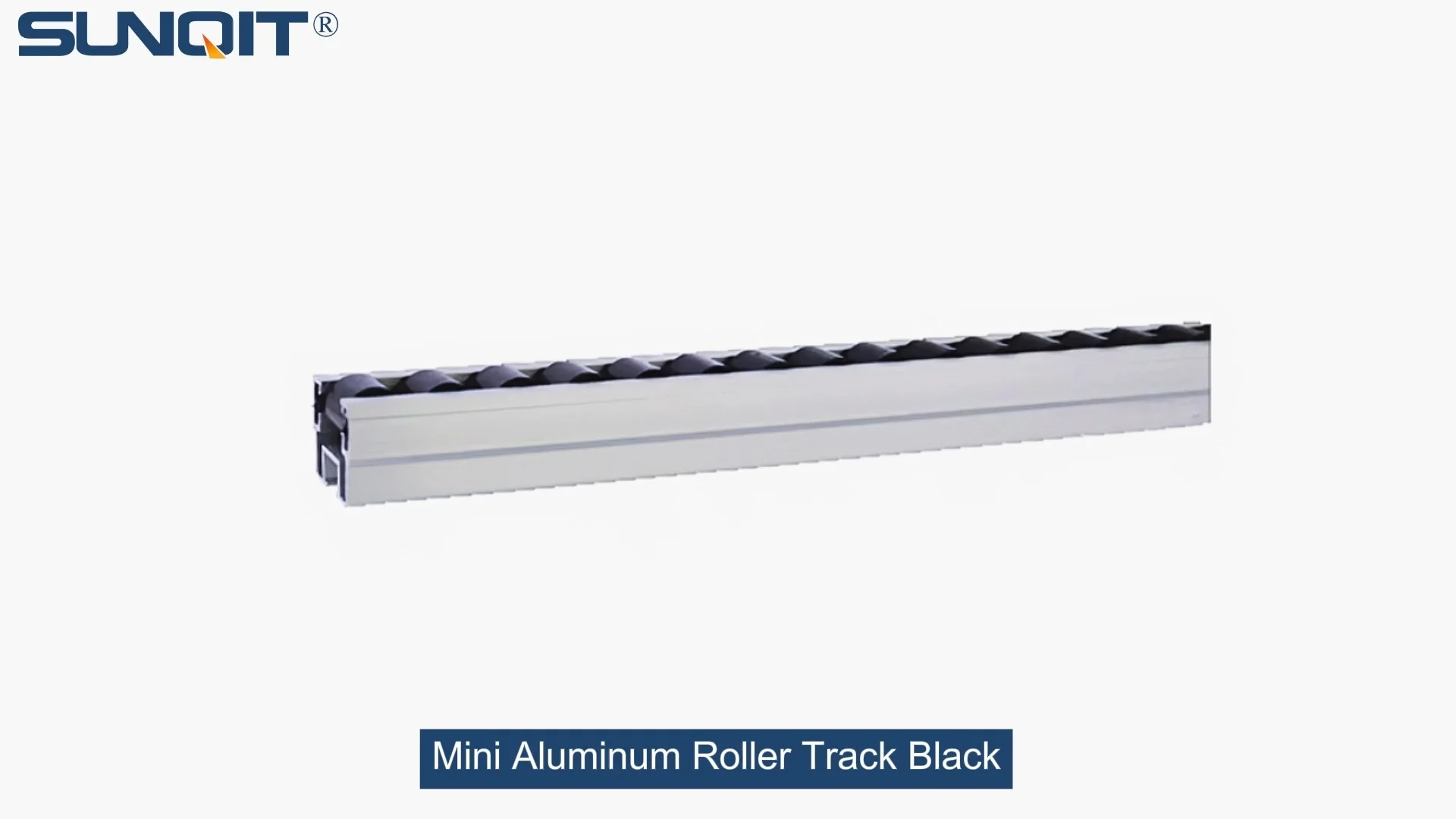
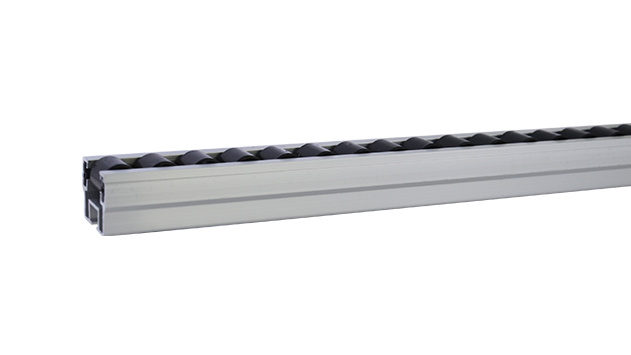
Mini aluminum roller track black for modular system, lean solution.Durable and smooth-running modular roller rails. The system is fully assembled. The roller rail profile contains plastic rollers mounted on steel axles.
When you're running a computer peripheral assembly line—keyboards, mice, printer cartridges, you name it—every small hiccup adds up. Parts get stuck on rigid conveyors, workers waste minutes reaching for components, and static electricity zaps sensitive chips before they even hit the line. That's where the mini aluminum roller track black steps in: a quiet workhorse that fits like a glove into lean systems, fixing these pain points and turning chaos into smooth, steady productivity.
In this piece, we'll walk through exactly how this tiny track transforms day-to-day assembly work. We'll look at real scenarios where it makes a huge difference, break down why it's a favorite among 3C manufacturers, and show you how it integrates with the tools you already use—like lean pipe workstations and flow racks.
What Is Mini Aluminum Roller Track Black?
Let's start with the basics. This track is a slim, lightweight aluminum strip lined with small black rollers (usually plastic or rubber) designed to let parts slide smoothly. The black finish isn't just for looks—it resists scratches, hides dust, and makes small components pop against the dark background so workers can spot them faster.
But what really sets it apart? It's built for flexibility. You can attach it to almost any lean system—lean pipe workstations, flow racks, conveyors—using simple clamps. No drilling, no welding, no fancy tools. Just snap it on, adjust the angle, and go. And since it's aluminum, it's tough enough to handle daily use but light enough to move around if your process changes.
Use Case 1: Keyboard Assembly Line
Keyboards have dozens of tiny parts—keyswitches, circuit boards, plastic frames—and each needs to reach the worker at the right moment. A common setup here is a lean pipe workstation where workers sit to snap components together. But without a good way to feed parts, the line slows down fast.
Here's how the mini black track fixes this: manufacturers mount these tracks on flow racks next to each workstation. The tracks are angled slightly downward so trays of keyswitches or circuit boards slide right to the worker's fingertips. Workers don't have to stand up or stretch—they just grab the next tray and keep assembling.
The black finish helps workers see when a tray is empty (no more squinting at plastic tracks). And since most variants are ESD-safe, static electricity isn't a worry—critical for circuit boards that die at the slightest spark. Plus, if you switch to a new keyboard model, you can reposition the tracks with lean pipe clamps in minutes. No need to buy a whole new workstation.
Use Case 2: Mouse Component Handling
Mice are smaller than keyboards, but their components are just as finicky—sensors, buttons, tiny cables. A big issue here is small parts getting lost or tangled on messy workbenches. The mini aluminum roller track black solves this by working with conveyors.
Imagine a conveyor belt moving half-assembled mice from station to station. At each stop, workers need specific parts—like left/right buttons. Instead of piling buttons on the table, you attach mini black tracks to the conveyor's side. Each track holds a tray of buttons, sliding down as workers grab them. No more searching, no more stopping the line.
The track's small size is perfect here—it fits in tight spaces next to the conveyor without getting in the way. And the aluminum build is light enough to add multiple tracks without weighing down the line. This setup cuts waste (a core lean principle) and keeps the assembly moving at full speed.

Use Case 3: Printer Cartridge Assembly
Printer cartridges are tricky—ink tanks, nozzles, chips—all need to be handled gently to avoid spills or damage. Regular conveyors can jostle cartridges, leading to ink leaks or broken chips. The mini black track changes this as part of a custom lean solution.
After filling an ink tank, it needs to go to the chip installation station. Instead of a rough conveyor, you use a line fitted with mini aluminum roller tracks. The smooth rollers let the cartridge glide slowly, no jostling. The black finish is easy to wipe clean if ink spills, and the aluminum resists corrosion from ink residue.
This setup is scalable too. If you need to increase production, just add more tracks to your existing conveyor. No need for a full system overhaul—another win for lean manufacturing.

Key Benefits for Computer Peripheral Assembly
| Benefit | How It Helps Your Line |
|---|---|
| Flexibility | Works with lean pipe, flow racks, conveyors—adjust angles or positions in minutes. |
| Durability | Aluminum resists scratches and daily wear; perfect for high-volume lines. |
| ESD Protection | Safeguards sensitive components from static damage. |
| Cost-Effective | Reusable, scalable—no need to replace entire systems. |
| Easy to Clean | Black finish hides dust and wipes clean quickly (great for ink or dust-prone areas). |
Real-World Impact: TechFlow Assemblies
Let's take TechFlow Assemblies, a 3C firm that builds keyboards and mice. Before using mini black tracks:
- 15% downtime due to part delays
- 5% of circuit boards damaged by static
- Workers spent 10 minutes/hour searching for parts
After adding mini aluminum roller tracks to their lean pipe workstations and conveyors:
- Downtime dropped to 3%
- Static damage fell to 0.5%
- Productivity increased by 20%
The team loved how easy it was to adjust the tracks—when they switched to a new gaming keyboard model, they repositioned 12 tracks in an hour without any help from maintenance.
How to Implement Mini Aluminum Roller Track Black
Ready to try it? Here's a simple step-by-step:
- Assess Your Line: Find bottlenecks—where are workers waiting for parts? Where are components getting damaged?
- Design the Setup: Decide where to place tracks—next to workstations, on flow racks, or conveyors. Choose the right length and angle.
- Install: Use lean pipe clamps to attach tracks. No special tools needed.
- Train Your Team: Show workers how to adjust tracks and refill trays. Gather feedback to tweak the setup.
- Optimize: Keep an eye on performance—adjust angles or add more tracks if needed.
Final Thoughts
The mini aluminum roller track black might seem small, but it's a game-changer for computer peripheral assembly. It fixes common pain points—delays, static damage, messy workbenches—while fitting perfectly into lean systems. Whether you're building keyboards, mice, or printer cartridges, this track helps you work faster, smarter, and with fewer mistakes.
If you're looking to boost productivity and cut waste in your assembly line, this track is worth considering. It's flexible, durable, and cost-effective—everything you need for a lean, efficient operation.