- Company Articles
- Products and Technology
- Product knowledge
- Mini Aluminum Roller Track Black in Laboratory Automation: Precision Conveying

Mini Aluminum Roller Track Black in Laboratory Automation: Precision Conveying
Related Product
Mini Aluminum Roller Track Black
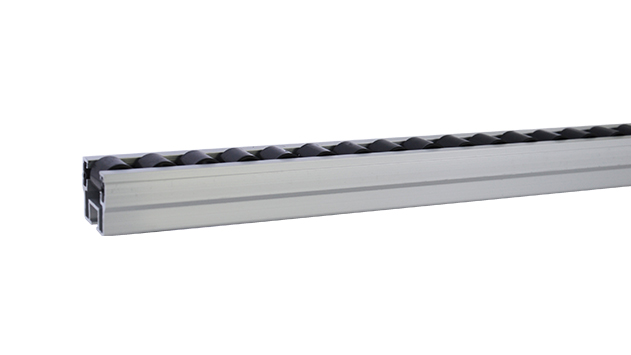
Mini aluminum roller track black for modular system, lean solution.Durable and smooth-running modular roller rails. The system is fully assembled. The roller rail profile contains plastic rollers mounted on steel axles.
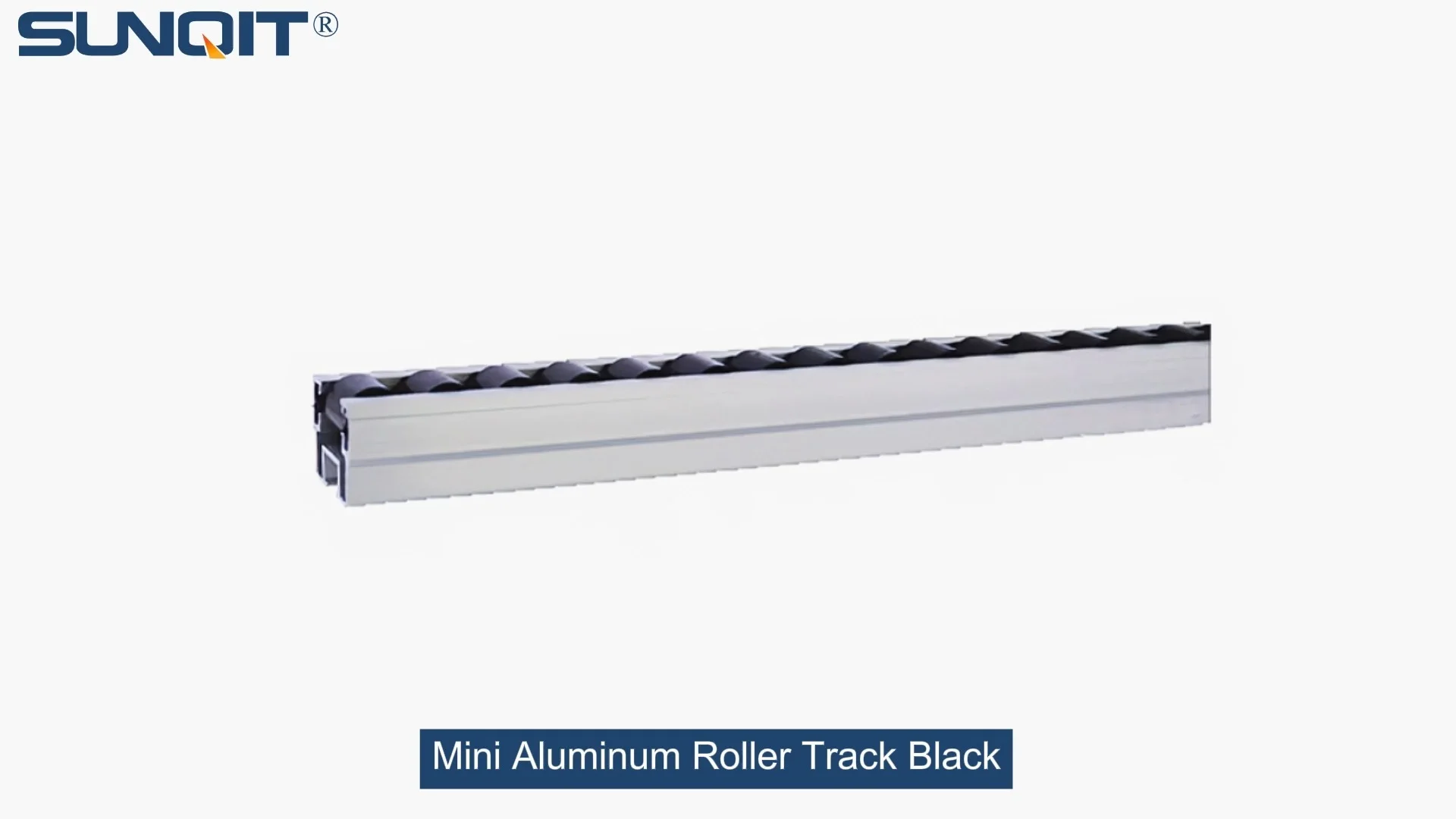
Laboratory automation is the backbone of modern scientific progress, turning tedious manual tasks into streamlined, error-free processes. Every component in a lab's ecosystem matters—especially when it comes to moving delicate samples, reagents, or small equipment from one station to another. Precision conveying isn't just a convenience here; it's a necessity to preserve data integrity, reduce contamination risks, and keep workflows running smoothly. Enter the Mini Aluminum Roller Track Black: a compact, robust solution designed to meet the unique demands of lab environments, align with lean principles, and elevate the efficiency of automated systems.
In labs where space is limited and every second counts, a conveying system needs to be more than just functional. It should adapt to changing needs, integrate with existing setups, and support the kind of flexibility that lean systems prioritize. The Mini Aluminum Roller Track Black checks all these boxes, making it an indispensable tool for lab managers and researchers alike. Let's dive into why this track is revolutionizing precision conveying in laboratory automation.
What Makes Mini Aluminum Roller Track Black Stand Out?
The Mini Aluminum Roller Track Black is engineered with-specific challenges in mind. Its design combines durability, precision, and adaptability to create a conveying solution that works as hard as the scientists using it. Let's break down its key features:
| Feature | Details & Lab-Specific Benefits |
|---|---|
| Material & Finish | High-grade 6063 aluminum with a black anodized surface. This finish resists corrosion from lab chemicals (like ethanol or buffers), scratches from frequent use, and discoloration over time—critical for maintaining a sterile, professional environment. |
| Roller Design | Compact, low-friction rollers (0.5-inch diameter) that minimize vibration. This ensures delicate samples (e.g., microplates with cell cultures) move without shaking, reducing the risk of spillage or data distortion. |
| Customizability | Can be cut to exact lengths (from 1ft to 10ft) using standard lab tools, making it easy to fit into tight spaces between equipment or custom workstations. |
| Modular Compatibility | Works seamlessly with lean system components like flow racks, conveyors, and lean pipe workstations. This modularity allows labs to build flexible setups that can be reconfigured as experiments change. |
| Load Capacity | Supports up to 50 lbs per linear foot, enough to handle small equipment, reagent bottles, or stacks of microplates without bending or warping. |
| Easy Maintenance | Non-porous surface and sealed rollers make cleaning simple—just wipe with a disinfectant cloth. No hidden crevices where dust or contaminants can accumulate. |
Unlike plastic or steel alternatives, the aluminum construction balances strength and lightness. Plastic tracks can warp under heat or chemical exposure, while steel tracks are heavy and prone to rust. The Mini Aluminum Roller Track Black avoids these pitfalls, making it a long-lasting investment for any lab.
Integrating with Lean Systems for Lab Efficiency
Lean principles are all about eliminating waste—whether it's time, space, or resources. Labs that adopt lean solutions see significant improvements in productivity and cost savings. The Mini Aluminum Roller Track Black is built to support these principles, fitting into lean pipe systems and modular setups that adapt to changing needs.
Let's look at how it integrates with key lean components:
1. Flow Racks for Just-In-Time Supply
Flow racks are a staple of lean inventory management, ensuring that materials are available exactly when needed. Adding the Mini Aluminum Roller Track Black to a flow rack creates a smooth, FIFO (first-in-first-out) system for reagents or supplies. For example, a lab might use a flow rack with this track to store pipette tips or sample tubes. When a researcher takes the front item, the next one slides forward automatically—no more searching through stacks or wasting time restocking.
2. Conveyor Systems for Automated Workflows
Conveyors are the arteries of lab automation, linking machines like centrifuges, PCR thermocyclers, or liquid handlers. The Mini Aluminum Roller Track Black can be part of a conveyor system that moves samples between these stations without human intervention. Its low-friction rollers ensure that microplates or test tubes glide smoothly, reducing the risk of jams or sample damage. This kind of automation cuts down on manual handling, which is a major source of contamination in labs.
3. Lean Pipe Workstations for Organized Research
Lean pipe workstations are modular, allowing lab managers to build custom setups for specific tasks. Adding the Mini Aluminum Roller Track Black to a workstation creates a dedicated area for moving small components. For example, a genetics lab might use it to transport DNA samples from a preparation station to a sequencing machine. The track's compact size fits into the workstation's layout, keeping everything within arm's reach and minimizing unnecessary movement.
This integration isn't just about convenience—it's about creating a system that grows with the lab. If a new experiment requires a different layout, the track can be repositioned or extended without overhauling the entire setup. That's the beauty of lean solutions: they adapt to your needs, not the other way around.
Real-World Applications in Laboratory Automation
The Mini Aluminum Roller Track Black isn't just a theoretical solution—it's used in labs around the world to solve real problems. Let's explore some common use cases:
1. Diagnostic Labs: Sample Transport
Diagnostic labs process hundreds of samples daily, from blood tests to COVID-19 swabs. The Mini Aluminum Roller Track Black is part of conveyor systems that move these samples from reception to testing stations. Its smooth operation ensures that test tubes don't spill, and its chemical resistance means it can handle any spills that do occur without damage. This reduces the risk of false results and speeds up turnaround times for patients.
2. Pharmaceutical Labs: Reagent Management
Pharmaceutical labs need precise control over reagents to ensure consistent results. Flow racks equipped with this roller track keep reagents organized and accessible. For example, a lab developing a new drug might use the track to store vials of active ingredients. The FIFO system ensures that older vials are used first, reducing waste and ensuring that experiments use fresh materials.
3. Biotech Labs: Equipment Linking
Biotech labs often use complex equipment chains—like a centrifuge connected to a pipetting station connected to a microscope. The Mini Aluminum Roller Track Black links these machines, moving samples between them automatically. This eliminates manual handling, which is a major source of contamination in cell culture or DNA research. For example, a lab studying cancer cells might use the track to move petri dishes from an incubator to a imaging station, ensuring that cells remain undisturbed.
4. Academic Labs: Flexible Workflows
Academic labs often switch between projects, requiring flexible setups. The Mini Aluminum Roller Track Black can be reconfigured quickly to support new experiments. For example, a chemistry lab might use it to build a temporary conveyor system for a student project, then disassemble it and reuse the track for a different experiment the next semester. This kind of reusability aligns with lean principles and helps academic labs stretch their budgets further.

Key Benefits for Lab Managers and Researchers
The Mini Aluminum Roller Track Black offers more than just smooth conveying—it delivers tangible benefits that improve lab operations and outcomes. Let's list the most impactful ones:
- Precision: The low-friction rollers and sturdy construction ensure that every movement is exact. This is critical for delicate tasks like moving microplates or test tubes, where even a small shake can ruin an experiment.
- Durability: The black anodized aluminum resists corrosion, scratches, and chemicals, so the track lasts for years even with daily use. This reduces replacement costs and minimizes downtime.
- Flexibility: Modular design allows labs to adapt the track to new workflows without buying new equipment. Whether you need to extend a conveyor or reconfigure a workstation, the track can be adjusted quickly.
- Hygiene: Aluminum is easy to clean and sanitize, which is essential in labs where contamination is a major risk. The non-porous surface doesn't trap dust or bacteria, keeping the lab environment safe.
- Cost-Effectiveness: Reusability and low maintenance mean that the track delivers long-term value. Labs don't have to spend money on frequent repairs or replacements, freeing up budget for other critical equipment.
- Space Efficiency: Compact size fits into tight lab spaces, making it ideal for small or crowded work areas. It doesn't take up unnecessary room, leaving more space for experiments or equipment.
These benefits aren't just theoretical—they translate into real-world improvements. A lab using this track might see a 20% reduction in manual handling time, a 15% decrease in contamination incidents, or a 10% increase in experiment throughput. That's the difference a precision conveying solution can make.

Case Study: Transforming a Biotech Lab's Workflow
Let's take a look at how the Mini Aluminum Roller Track Black transformed a biotech lab's workflow. This lab specializes in developing gene therapies, and they were struggling with manual sample transport between their cell culture and sequencing stations.
Before the Track:
Researchers had to carry petri dishes of stem cells from the incubator to the sequencing machine. This process took 5 minutes per sample, and there was a 5% risk of contamination or sample damage. The lab was also dealing with bottlenecks—they couldn't process more than 20 samples per day because of the manual transport time.
After Installing the Track:
The lab installed a conveyor system using the Mini Aluminum Roller Track Black to link the incubator and sequencing machine. The track's smooth operation ensured that petri dishes moved without shaking, reducing contamination risk to nearly zero. The automated transport cut the time per sample to 30 seconds, allowing the lab to process 80 samples per day—four times more than before.
But the benefits didn't stop there. The lab also added a flow rack with the track to store reagents. This reduced the time researchers spent searching for materials by 30%, freeing up more time for actual research. The lab manager noted that the track's modularity allowed them to extend the conveyor system later when they added a new liquid handling machine—no extra cost or downtime needed.
This case study shows how the Mini Aluminum Roller Track Black isn't just a piece of equipment—it's a solution that drives real progress. It's not about making things faster; it's about making things better, more reliable, and more efficient.
The Future of Precision Conveying in Lab Automation
As lab automation continues to evolve, the demand for flexible, reliable conveying systems will only grow. The Mini Aluminum Roller Track Black is at the forefront of this trend, offering a solution that meets the unique needs of modern labs. Its combination of precision, durability, and flexibility makes it an essential tool for any lab looking to optimize its workflow, reduce waste, and improve outcomes.
Whether you're a lab manager looking to streamline operations or a researcher wanting to focus more on science and less on logistics, this track is a smart investment. It's not just a track—it's a way to build a lab that's efficient, adaptable, and ready for the challenges of tomorrow.
In the end, the Mini Aluminum Roller Track Black is more than a product—it's a partner in scientific progress. It supports the lean principles that drive innovation, ensures that every movement is precise, and helps labs achieve their goals faster. That's the power of precision conveying done right.