- Company Articles
- Products and Technology
- Product knowledge
- Mini Aluminum Roller Track Black Load Capacity: What You Need to Know

Mini Aluminum Roller Track Black Load Capacity: What You Need to Know
Related Product
Mini Aluminum Roller Track Black
Mini aluminum roller track black for modular system, lean solution.Durable and smooth-running modular roller rails. The system is fully assembled. The roller rail profile contains plastic rollers mounted on steel axles.
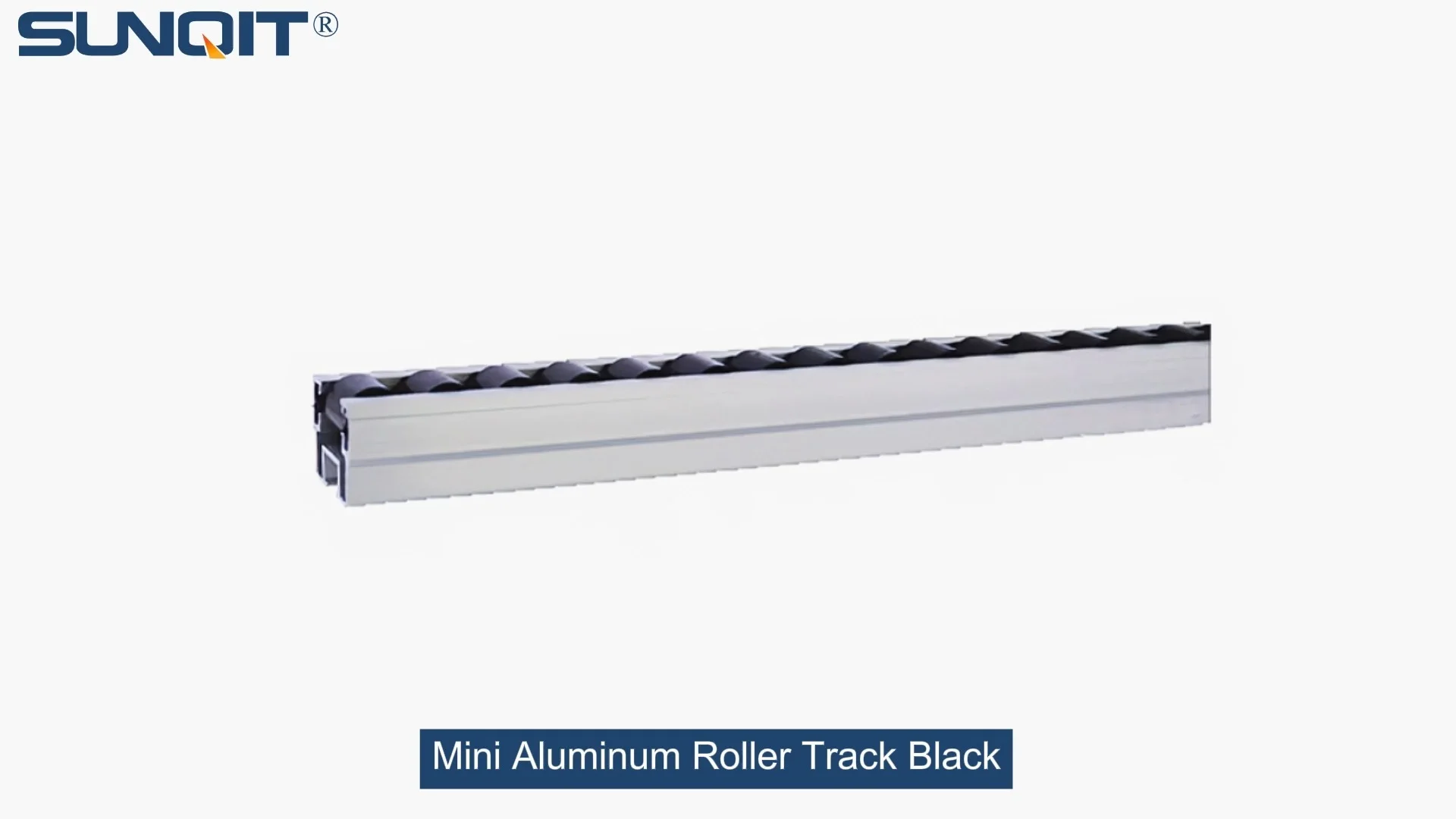
Ever stood by a production line and watched small components glide smoothly from one station to the next? Chances are, you're looking at a roller track doing its job. But not all roller tracks are created equal—especially when you're dealing with tight spaces and precise load requirements. That's where the mini aluminum roller track black comes in. It's a small but mighty player in lean manufacturing setups, helping teams move parts efficiently without sacrificing durability or safety. But if you're thinking about integrating this track into your workflow, one question probably tops your list: What's its load capacity, and how does it affect my operations? Let's dive in and answer that, plus everything else you need to know about this essential piece of equipment.
What Exactly Is the Mini Aluminum Roller Track Black?
Before we get into load capacity, let's take a moment to understand what this track is and why it's so popular. The mini aluminum roller track black is a compact, lightweight conveyor component made from high-quality aluminum. Its black finish isn't just for looks—it's often electrostatic discharge (ESD) safe, which means it prevents static electricity from building up and damaging sensitive electronic parts. This makes it a go-to choice for industries like 3C assembly and medical device manufacturing, where static protection is non-negotiable.
The "mini" in its name refers to its narrow width and short roller spacing, which makes it perfect for moving small, lightweight items. Unlike larger roller tracks, this mini version fits seamlessly into tight spaces—think lean pipe workstations, flow racks, or small conveyor systems. It's also designed to work with aluminum profile accessories, so you can easily attach it to existing frames or build custom setups without starting from scratch. Whether you're moving tiny screws, phone components, or medical device parts, this track can handle the job with ease.
Key Factors That Affect Load Capacity
Load capacity is the maximum weight a roller track can support without bending, breaking, or malfunctioning. For the mini aluminum roller track black, several factors influence this number. Let's break each one down in detail:
1. Material Thickness
The thickness of the aluminum used to make the track frame directly impacts its strength. Most mini aluminum roller tracks black come in thicknesses ranging from 0.8mm to 1.2mm. Thicker aluminum means a sturdier frame, which can support more weight. For example, a track with a 1.2mm thickness can hold up to 20kg per meter, while a 0.8mm track might only support 15kg per meter. However, thicker tracks are also heavier, so you need to balance strength with the weight of the track itself—especially if you're mounting it on a lightweight lean pipe system.
2. Roller Spacing
Roller spacing refers to the distance between each roller on the track. Closer spacing means the weight of the items you're moving is distributed across more rollers, which reduces the stress on each individual roller and the track frame. For the mini aluminum roller track black, common spacing options are 50mm and 75mm. A track with 50mm spacing can support more weight than one with 75mm spacing because the load is spread out. For instance, if you're moving small bins of screws, 50mm spacing is ideal—each bin rests on multiple rollers, so the track doesn't bend under the weight.
3. Track Length and Support Structure
The length of the track and how it's supported also play a big role in load capacity. A longer track will sag more under weight if it's not supported properly. For example, a 2-meter track supported every 50cm can hold more weight than the same track supported every 1 meter. When using the mini aluminum roller track black, it's important to mount it on a sturdy support structure—like a flow rack or lean pipe workstation—with enough brackets to keep the track level. This ensures that the load is evenly distributed across the entire track, preventing sagging and extending the track's lifespan.
4. Weight Distribution
How you distribute weight on the track matters just as much as the total weight. If you place a single heavy item in the middle of the track, it will put more stress on that area than if you spread the weight evenly across multiple items. For the mini aluminum roller track black, it's best to use it for small, evenly distributed loads—like trays of tiny parts or small bins. Avoid placing large, heavy items on the track, as this can cause the rollers to bend or the frame to warp over time.
5. Environmental Conditions
The environment where you use the track can also affect its load capacity. For example, if you're working in a humid area, the aluminum might corrode over time, weakening the frame and reducing its strength. Similarly, dusty environments can cause rollers to jam, making it harder for the track to support weight. The black ESD finish of this track helps protect against static, but it's still important to keep the track clean and dry to maintain its load capacity. Regular maintenance (which we'll cover later) can help mitigate these issues.
Real-World Applications
Now that we understand the factors that affect load capacity, let's look at how this track is used in real-world scenarios:
1. 3C Assembly Lines
In 3C assembly (phones, laptops, consumer electronics), small components like microchips or batteries need static protection and smooth movement. The mini aluminum roller track black's ESD finish and compact size make it perfect for sliding trays of parts between stations. Each tray weighs around 5kg—well within the track's 15-20kg per meter capacity.
2. Flow Racks in Warehouses
Flow racks are essential for picking small parts. This mini track allows bins of screws or washers to slide down to workers, with each level supporting multiple bins. The 50mm roller spacing ensures even weight distribution, so the track doesn't bend under the load.
3. Lean Pipe Workstations
Lean pipe workstations thrive on flexibility. This track attaches easily to aluminum profiles, creating a smooth surface for moving parts from storage to assembly. For car parts manufacturing, it slides bolts or washers to the worker's desk—its compact size fits perfectly into the workstation's layout.
Comparison of Roller Track Options
To help you choose, here's a comparison of common roller track options:
| Product Name | Material Thickness | Roller Spacing | Max Load (per meter) | Key Applications | ESD Safe? |
|---|---|---|---|---|---|
| Mini Aluminum Roller Track Black | 0.8-1.2mm | 50mm | 15-20kg | 3C assembly, flow racks | Yes |
| Standard Aluminum Track Grey | 1.0-1.5mm | 75mm | 20-30kg | General manufacturing | No |
| Stainless Steel Track | 1.2-1.8mm | 60mm | 25-35kg | Food processing | No |
Maintenance Tips to Preserve Load Capacity
Proper maintenance keeps your track working well for years:
1. Clean weekly: Use a dry cloth to remove dust from rollers and frames. For stubborn dirt, use mild detergent and dry thoroughly.
2. Tighten rollers monthly: Loose rollers reduce load capacity—tighten with a screwdriver.
3. Lubricate every 3 months: Use light oil on roller bearings to reduce friction.
4. Inspect for damage: Check for dents, corrosion, or cracked rollers monthly. replace damaged parts immediately.
5. Avoid overloading: Never exceed the rated capacity—this shortens the track's lifespan.
Conclusion
The mini aluminum roller track black is a versatile tool for lean manufacturing. Its load capacity depends on material thickness, roller spacing, and support—so choose wisely. Whether you're in 3C assembly or warehousing, this track streamlines workflows and keeps operations safe. By following maintenance tips and choosing the right track, you'll get the most out of this small but powerful component.