- Company Articles
- Products and Technology
- Product knowledge
- Mini Aluminum Roller Track Black: The Ultimate Guide for Small Business Owners

Mini Aluminum Roller Track Black: The Ultimate Guide for Small Business Owners
Related Product
Mini Aluminum Roller Track Black
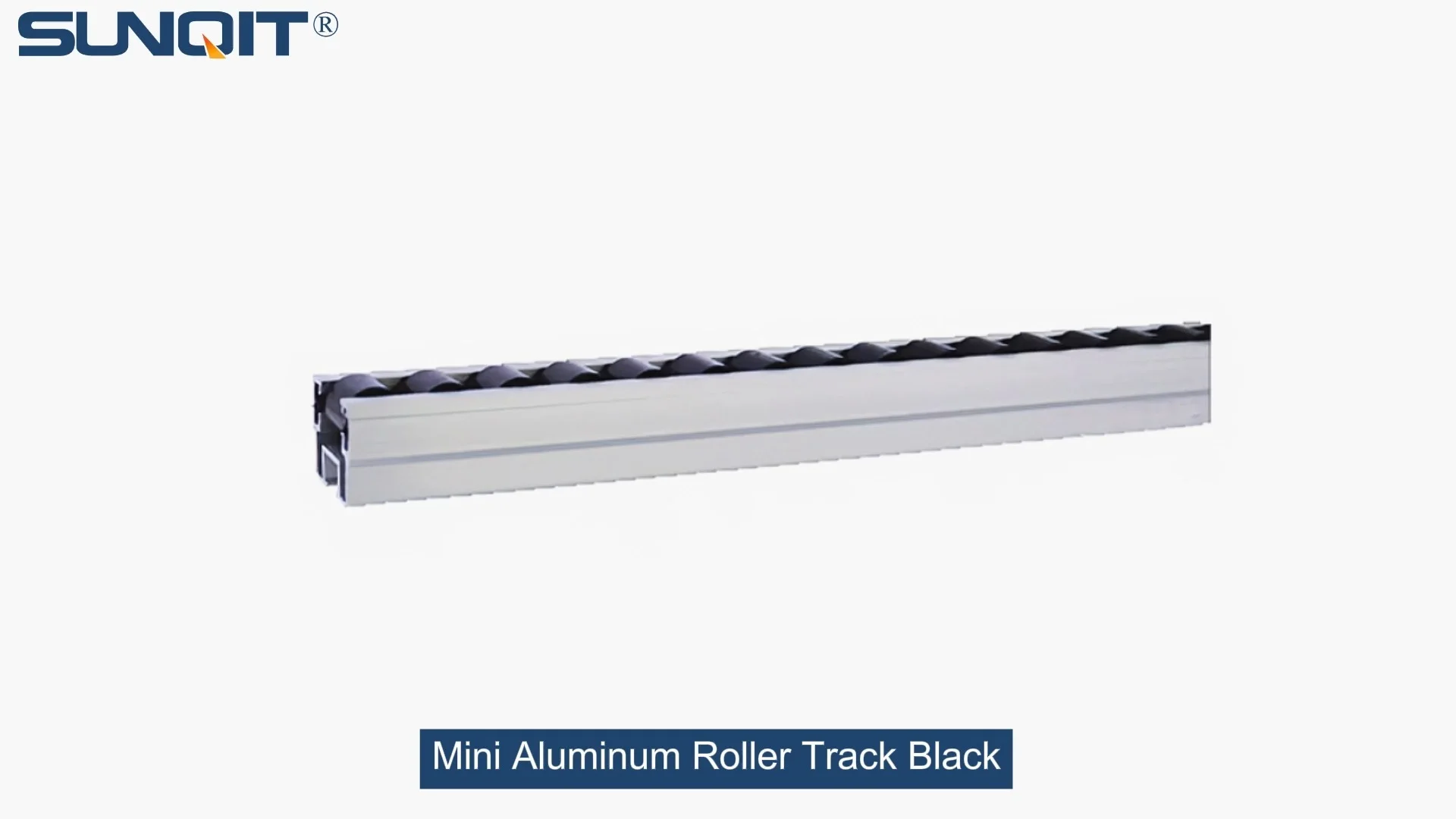
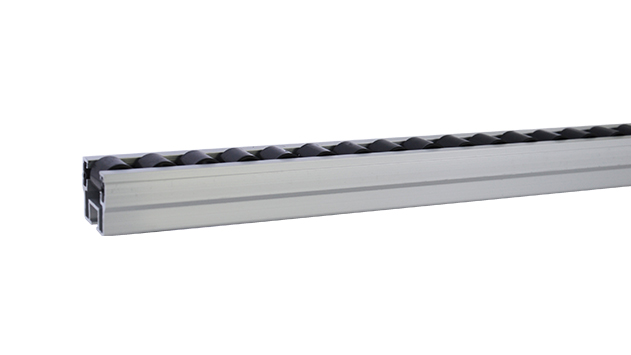
Mini aluminum roller track black for modular system, lean solution.Durable and smooth-running modular roller rails. The system is fully assembled. The roller rail profile contains plastic rollers mounted on steel axles.
Introduction: Why This Small Tool Matters for Your Business
For small business owners, every inch of space counts. Every minute wasted on fumbling with parts or moving materials is money down the drain. If you've ever struggled with keeping small components organized, feeding parts to your assembly line smoothly, or making the most of your limited workspace, you're not alone. That's where the mini aluminum roller track black comes in—a small but powerful tool that can transform how you handle materials and boost your team's efficiency.
Whether you run a 3C assembly shop, a small warehouse, or a medical device workshop, this guide will walk you through everything you need to know about mini aluminum roller track black: what it is, why you need it, how to choose the right one, how to install and maintain it, and how to integrate it with other lean tools like lean pipe workbenches and flow racks. Let's dive in.
1. What Is Mini Aluminum Roller Track Black?
At its core, the mini aluminum roller track black is a compact, lightweight material handling solution designed for small parts and tight spaces. Let's break down its key features:
- Material: Made from high-quality aluminum, which is rust-resistant, durable, and lightweight. This makes it easy to install and move around.
- Black Finish: The black coating isn't just aesthetic—it's often an ESD (electrostatic discharge) safe material. This is critical if you work with sensitive electronics like circuit boards or 3C components, as it prevents static electricity from damaging your products.
- Mini Size: Typically narrower (5-10 cm wide) and shorter (50-150 cm long) than industrial tracks, it fits perfectly in small workshops or narrow warehouse aisles.
- Rollers: Equipped with small, smooth rollers that reduce friction, allowing parts to glide easily. This minimizes effort and speeds up material handling.
Think of it as a "shortcut" for your parts—instead of carrying them across the room, you let them slide where they need to go.
2. Why Small Businesses Should Invest in Mini Aluminum Roller Track Black
You might be wondering: "Is this really worth the investment for my small business?" Let's look at the top benefits that make it a no-brainer:
a. Space-Saving Design
Small businesses often operate in cramped spaces—whether it's a 10x10 meter workshop or a tiny warehouse. Mini aluminum roller track black fits in narrow gaps where larger tracks can't go. For example, a small jewelry maker can install it along the edge of their workbench to move beads from storage to their station, using only 5 cm of space. This leaves more room for tools and team members.
b. Durability That Lasts
Aluminum is inherently resistant to rust and corrosion, so even if your workshop is a bit damp (like a small metal shop), the track won't degrade over time. Unlike plastic tracks that crack or break easily, aluminum tracks can handle daily use for years. A small toy manufacturer I know has been using their mini tracks for 3 years without any major issues—save for a few replacement rollers.
c. ESD Protection for Sensitive Parts
Static electricity is a silent killer for sensitive electronics. If you work with 3C components, medical devices, or any product that uses microchips, the black ESD coating on these tracks is a lifesaver. A small phone repair shop once told me they lost $500 worth of screens due to static damage before switching to mini black tracks. After the switch, their defect rate dropped to zero for static-related issues.
d. Cost-Effective for Small Budgets
Compared to heavy-duty industrial tracks, mini aluminum roller track black is affordable. A 1-meter track costs around $20-$30, whereas a large industrial track can cost $50-$100. For a small business that needs 5 meters of track, this saves $150-$350—money you can use for other critical expenses like tools or employee training.
e. Easy Integration with Lean Tools
The best part? These tracks work seamlessly with other lean tools you might already have, like lean pipe workbenches and flow racks. You don't need to overhaul your entire setup—just use simple brackets or clamps to attach the track to your existing workbench or rack. This takes minutes, not hours, so you can start using it the same day you install it.

3. How to Choose the Right Mini Aluminum Roller Track Black for Your Business
Not all mini tracks are created equal. To get the most value, you need to choose the right one for your specific needs. Here are the key factors to consider:
a. Load Capacity
First, figure out how much weight each track will need to hold. Mini tracks typically handle 5-20 kg per meter. For example, if you're moving plastic parts that weigh 2 kg each and you have 5 parts per meter, you need a track that can handle at least 10 kg per meter. If you're moving heavier metal parts, you might need to use two tracks side by side to distribute the weight.
b. Length & Width
Measure your space and the size of the parts you're moving. Common lengths are 50 cm, 100 cm, and 150 cm. For width, choose a track that's slightly wider than your parts—so if your parts are 8 cm wide, go for a 10 cm wide track to prevent them from falling off.
c. ESD Certification
If you work with sensitive electronics, make sure the track has an ESD certification. Look for a resistance rating of 10^6 to 10^9 ohms—this is the industry standard for ESD safety. Ask your supplier for a copy of the certification to confirm.
d. Compatibility with Existing Tools
Check if the track can be attached to your current lean pipe workbench or flow rack. For example, if your workbench uses 28 mm lean pipes, look for tracks that come with brackets designed for that size. Most suppliers offer universal brackets, but it's always better to double-check.
e. Supplier Reliability
Choose a supplier that specializes in lean systems and has good reviews from other small businesses. A reliable supplier will offer a warranty (at least 1 year), answer your questions quickly, and provide installation guidance. Avoid suppliers that sell cheap, low-quality tracks—they might save you money upfront, but you'll end up replacing them sooner.
Comparison of Track Types
| Track Type | Material | Space-Saving | ESD Protection | Cost (per meter) | Best For |
|---|---|---|---|---|---|
| Mini Aluminum Roller Track Black | Aluminum (ESD coating) | Yes | Yes | $20-$30 | Small businesses, 3C assembly, ESD workstations |
| Plastic Mini Track | Plastic | Yes | No (usually) | $10-$15 | Lightweight non-sensitive parts |
| Heavy-Duty Aluminum Track | Aluminum | No | Optional | $50-$100 | Industrial use, heavy parts |
| Steel Track | Steel | No | No (usually) | $40-$80 | Very heavy parts, outdoor use |

4. Step-by-Step Installation Guide
Installing mini aluminum roller track black is easy—you don't need any special tools or technical skills. Here's how to do it:
Tools You'll Need:
- Measuring tape
- Marker
- Screwdriver (Phillips or flathead)
- Level
- Mounting brackets (usually included with the track)
Installation Steps:
- Measure & Mark: Decide where to install the track (e.g., edge of a lean pipe workbench, inside a flow rack). Use the measuring tape to find the exact position and mark it with a marker. Make sure the area is clean and free of debris.
- Attach Brackets: Place the brackets on the marked spots. Use the screwdriver to attach them to the surface. If you're using a lean pipe workbench, use pipe clamps to secure the brackets to the pipe. Tighten the screws firmly.
- Level the Brackets: Use the level to ensure the brackets are straight. If they're tilted, parts will slide too fast or get stuck. Adjust the brackets until they're level.
- Install the Track: Slide the mini aluminum roller track black into the brackets. Some brackets have a locking mechanism—push the track until it clicks into place. If not, use small screws to attach the track to the brackets.
- Test the Track: Place a few parts on the track and push them gently. They should glide smoothly without stopping. If they get stuck, check if the track is level or if the rollers are dirty. Adjust as needed.
That's it! Most tracks take 5-10 minutes to install per meter. You can have your entire setup ready in an afternoon.
5. Maintenance Tips to Extend Lifespan
To keep your mini aluminum roller track black working well for years, follow these simple maintenance tips:
a. Clean Regularly
Dust and debris can jam the rollers. Wipe the track with a dry cloth every week to remove dirt. For stubborn stains, use a mild soap and water solution—avoid harsh chemicals that might damage the ESD coating. Dry the track thoroughly after cleaning.
b. Lubricate Rollers
Every 3 months, apply a small amount of silicone-based oil to the rollers. This keeps them moving smoothly and reduces friction. Don't use petroleum-based oils—they can damage the aluminum and ESD coating.
c. Inspect for Damage
Check the track monthly for loose brackets, cracked rollers, or bent aluminum. Tighten any loose screws immediately. If a roller is broken, replace it—most suppliers sell replacement rollers at a low cost. Ignoring damage can lead to bigger problems later.
d. Avoid Overloading
Never exceed the track's load capacity. If you're unsure, test it with a heavier object first. For example, if the track says it can handle 10 kg per meter, try placing a 12 kg object—if it bends, don't use it for that weight. Overloading will shorten the track's lifespan.
6. Real-World Use Cases for Small Businesses
Let's look at how small businesses are using mini aluminum roller track black to boost efficiency and save money:
Case 1: 3C Assembly Workstation
A small phone repair shop in Shenzhen has 3 lean pipe workbenches. They installed mini black tracks on each bench's edge. Before, technicians had to walk 5 meters to get a new screen—now they slide it from the storage shelf to their station via the track. This saved them 10 minutes per day per technician, adding up to 50 hours per month. Their defect rate for broken screens also dropped by 80% because parts glide instead of being carried.
Case 2: Flow Rack for Small Parts
A local toy manufacturer uses a Material Rack B (3 rows, 3 floors) to store small parts like buttons and gears. They added mini black tracks to each shelf to create a first-in-first-out (FIFO) system. Now, when they take a part from the front, the parts behind slide forward. This reduced their inventory waste by 15%—they no longer have parts that expire or become obsolete.
Case 3: Conveyor Integration
A small coffee machine parts maker has a 5-meter conveyor. They use mini black tracks to feed small metal screws into the conveyor. Before, they had to manually drop screws into the conveyor, which was slow and caused jams. Now, the screws slide from the sorting table to the conveyor via the track—this increased their production speed by 20% and reduced jams by 80%.
Case 4: ESD Workstation for Medical Devices
A small medical device company makes glucose monitors. They use ESD workstations to assemble the monitors. The mini black tracks on the workstations help move sensitive sensors from the testing area to the packaging area. The ESD coating prevents static damage, so their defect rate dropped from 2% to 0.5%—saving them $10,000 per year in rework costs.
7. Integrating with Other Lean Tools
Mini aluminum roller track black works best when combined with other lean tools. Here's how to integrate it with common setups:
a. Lean Pipe Workbench
Attach mini tracks to the edge of your Workbench E (single deck without caster) using pipe clamps. This allows you to slide parts from the storage area to your assembly station without leaving your seat. For example, a small electronics assembly shop uses this setup to move circuit boards from testing to packaging—saving time and reducing errors.
b. Flow Rack
insert mini tracks into the shelves of your Material Rack B to create a FIFO system. This keeps your inventory organized and ensures you use the oldest parts first. A small warehouse owner told me this setup reduced their order fulfillment time by 10%.
c. Conveyor System
Connect mini tracks to the end of a conveyor to catch small parts as they come off. This prevents parts from falling and getting damaged. You can also use mini tracks to feed parts into the conveyor from a manual station—this bridges the gap between manual and automated processes.
8. Common Mistakes to Avoid
To get the most out of your mini aluminum roller track black, avoid these common mistakes:
- Choosing the Wrong Load Capacity: A small furniture maker bought tracks that could handle 10 kg per meter but tried to move 15 kg wooden parts. The tracks bent within a week, costing them $200 in replacements.
- Ignoring ESD Needs: A small electronics shop bought non-ESD tracks and lost $500 worth of circuit boards to static damage. Always choose ESD-safe tracks if you work with sensitive parts.
- Poor Installation: A small metal shop installed tracks without using a level. Parts slid too fast and fell off, costing them $100 in lost parts. Use a level to ensure tracks are straight.
- Forgetting Maintenance: A small warehouse didn't clean their tracks for 6 months. Rollers got jammed, disrupting operations for a day. Clean your tracks regularly.
- Buying Cheap Tracks: A small toy company bought plastic tracks that cracked in 3 months. They had to replace them with aluminum tracks—costing more in the long run. Invest in quality.
9. Where to Buy Quality Mini Aluminum Roller Track Black
Look for suppliers that specialize in lean systems and offer wholesale options. Here are some tips to find the right supplier:
- Choose suppliers that sell lean pipe wholesale or flow rack wholesale—they often have competitive prices for mini tracks.
- Check online reviews from other small businesses. Avoid suppliers with negative feedback about product quality or shipping.
- Ask for samples if possible. This allows you to test the track's quality before buying in bulk.
- Look for suppliers that offer a warranty (at least 1 year) and good customer support.
Remember: A good supplier is an investment in your business's success.
Conclusion: Transform Your Business with Mini Aluminum Roller Track Black
Mini aluminum roller track black is a small tool with a big impact. It saves space, protects sensitive parts, boosts efficiency, and is affordable for small budgets. Whether you're in 3C assembly, medical devices, or warehousing, this tool can help you streamline your operations and grow your business.
Don't let small space or budget constraints hold you back. Invest in mini aluminum roller track black today and see the difference it makes. Your team will thank you, and your bottom line will too.