- Company Articles
- Products and Technology
- Product knowledge
- Mini Aluminum Roller Track Black vs. Nylon Rollers: Friction Comparison

Mini Aluminum Roller Track Black vs. Nylon Rollers: Friction Comparison
Related Product
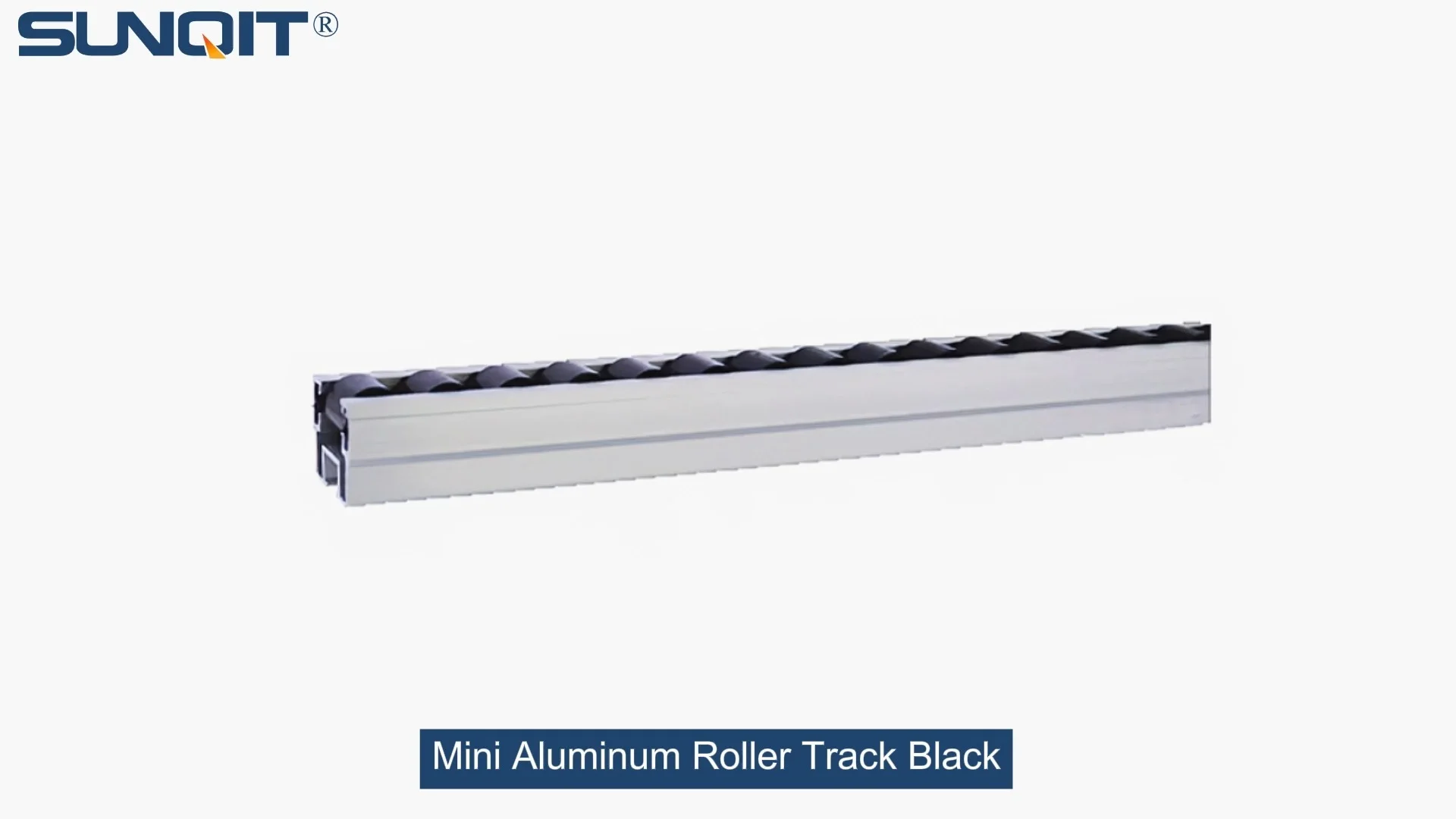
Mini Aluminum Roller Track Black
Mini aluminum roller track black for modular system, lean solution.Durable and smooth-running modular roller rails. The system is fully assembled. The roller rail profile contains plastic rollers mounted on steel axles.
Mini Aluminum Roller Track Black vs. Nylon Rollers: Friction Comparison
Introduction: Why Roller Friction Matters More Than You Think
When you're running a production line or managing a warehouse, every small component counts—especially the rollers that keep your materials moving. Whether you're using flow racks for parts storage or conveyors for assembly lines, the friction between rollers and your products can make or break your efficiency. Today, we're diving deep into two popular options: mini aluminum roller track black and nylon rollers. We'll compare their friction properties, real-world uses, and which one fits best for your lean system needs.
Before we jump in, let's set the stage: friction isn't just about how hard it is to push something. It affects energy costs, wear and tear on your equipment, product damage risks, and even the speed of your operations. Choosing the right roller type can help you cut down on waste, boost productivity, and stay true to the lean principles of reusability and continuous improvement.
What Are Mini Aluminum Roller Track Black and Nylon Rollers?
Mini Aluminum Roller Track Black
Mini aluminum roller track black is a compact, durable roller system made from lightweight aluminum with a black coating. It's designed for high-frequency use in tight spaces—think small parts moving along flow racks or conveyor belts in 3C assembly lines. The black coating adds a layer of protection against scratches and corrosion, while the aluminum core ensures it can handle moderate to heavy loads without bending or warping.
You'll often find this roller track in lean pipe workbenches and flexible production lines, where precision and reliability are key. It's a favorite among manufacturers because it's easy to install, clean, and maintain—perfect for keeping your operations running smoothly.
Nylon Rollers
Nylon rollers are made from a synthetic polymer that's known for its low friction, lightweight, and shock-absorbent properties. They're soft enough to protect fragile items but tough enough to withstand daily use. Unlike metal rollers, nylon doesn't rust or corrode, making it a good choice for humid environments or areas where moisture is present.
These rollers are common in turnover trolleys, material racks, and workstations where quiet operation is important. They're also a go-to for moving delicate products like glass components or electronic parts, as they reduce the risk of scratches or dents.
The Science of Friction in Roller Systems (In Plain English)
Friction is the force that resists motion when two surfaces rub against each other. For rollers, there are two main types to consider: static friction (when something is at rest) and dynamic friction (when it's moving). The goal is to minimize both without sacrificing control—because too little friction can lead to products sliding off track, while too much can slow things down and waste energy.
Let's break it down: if you're moving a box along a roller track, static friction is what you overcome to get it started. Dynamic friction is what keeps it moving (or slows it down). The right roller type will balance these forces so your products move at a steady pace, with minimal effort from your team or equipment.
Head-to-Head: Friction Factors That Make a Difference
| Comparison Factor | Mini Aluminum Roller Track Black | Nylon Rollers |
|---|---|---|
| Material Composition Impact | Stiff aluminum core with black coating creates stable interaction with metal/plastic loads. Less flex means consistent friction across all load points. | Flexible nylon polymer conforms slightly to soft/fragile items, reducing friction and product damage risk. Ideal for delicate components like 3C assembly parts. |
| Surface Finish & Coating | Black coating adds smoothness while resisting scratches. Reduces friction with hard surfaces like steel parts or plastic containers. | Natural nylon surface is inherently smooth, with low friction against most materials. No coating needed, so less maintenance over time. |
| Load Capacity & Friction | Handles heavier loads (up to 50kg per meter) without significant friction increase. Perfect for auto parts or medical equipment components. | Best for light to medium loads (up to 25kg per meter). Friction rises slightly with heavier loads, but still lower than uncoated metal rollers. |
| Environmental Conditions | Resists rust and corrosion in humid environments. Dust buildup has minimal impact on friction due to hard surface. | Performs well in dry, cool areas. High temperatures (over 80°C) can soften nylon, increasing friction. Dust may stick to surface, requiring regular cleaning. |
| Noise Level | Slightly louder than nylon when moving heavy loads, but still quiet enough for most production lines. | Ultra-quiet operation—ideal for workstations where noise reduction is a priority, like medical device assembly. |
Real-World Applications: Where Each Roller Shines
Flow Racks
Flow racks are a staple in lean warehousing, and the right rollers can make them more efficient. Mini aluminum roller track black is great for flow racks storing heavy parts like engine components or metal brackets. The low friction and high load capacity mean parts slide easily from the back to the front, reducing the need for manual handling.
Nylon rollers, on the other hand, are perfect for flow racks holding lightweight items like plastic housings or electronic circuit boards. They protect delicate parts from damage and keep operations quiet—important in busy 3C assembly lines where concentration is key.
Conveyors
Conveyors are the backbone of production lines, and roller choice directly affects their performance. Mini aluminum roller track black is a top pick for conveyor systems in auto manufacturing or mechanical assembly. It handles continuous use and heavy loads without slowing down, keeping your line moving at peak efficiency.
Nylon rollers are ideal for conveyors in medical device production or consumer electronics assembly. They're gentle on fragile products and reduce the risk of static electricity buildup—critical for ESD workstations where sensitive components are handled.
Lean Pipe Workbenches
Lean pipe workbenches are designed for flexibility, and rollers play a key role in their functionality. Mini aluminum roller track black can be integrated into workbench surfaces to move heavy tools or parts between stations. It's durable enough to withstand daily use and easy to clean, making it a great fit for industrial work environments.
Nylon rollers are often used in workbench accessories like small conveyors or part trays. They're lightweight and easy to install, so you can adjust your workstation as your needs change—staying true to the lean principle of continuous improvement.
Custom Lean Solutions
When you're designing a custom lean solution for your industry, roller choice is a critical decision. For example, in 3C assembly lines, nylon rollers might be used for moving delicate screen parts, while mini aluminum roller track black handles heavier battery components. In medical device manufacturing, aluminum rollers are preferred for sterile environments because they're easy to sanitize, while nylon rollers are used for non-sterile parts storage.
Cost-Benefit Analysis: Long-Term vs. Short-Term Value
Initial Cost
Nylon rollers are generally cheaper upfront, making them a popular choice for small businesses or short-term projects. Mini aluminum roller track black has a higher initial cost, but it's an investment in durability and performance.
Maintenance Cost
Nylon rollers require regular cleaning to remove dust buildup, which can increase friction over time. They also need to be replaced more often if used in high-temperature environments or with heavy loads.
Mini aluminum roller track black has lower maintenance costs. The black coating resists scratches and corrosion, so you won't need to replace them as frequently. They're also easier to clean—just wipe them down with a damp cloth to remove dust.
Total Cost of Ownership
Over time, mini aluminum roller track black often provides better value. Its durability means fewer replacements, and its high load capacity reduces the need for additional equipment. Nylon rollers are a good choice if you're working with light loads and have a tight budget, but they may cost more in the long run due to frequent replacements.
How to Choose the Right Roller for Your Needs
Choosing between mini aluminum roller track black and nylon rollers depends on your specific use case. Here are some questions to ask:
- What's the average weight of the products you're moving?
- Are your products fragile or prone to damage?
- What's the environment like (temperature, humidity, dust levels)?
- Do you need quiet operation?
- What's your budget for initial purchase and maintenance?
For example, if you're moving heavy metal parts in a humid warehouse, mini aluminum roller track black is the way to go. If you're handling delicate electronic components in a quiet assembly line, nylon rollers are a better fit.
Conclusion: Making the Right Choice for Your Lean System
Mini aluminum roller track black and nylon rollers both have their strengths, and the best choice depends on your unique needs. By understanding their friction properties and real-world applications, you can make an informed decision that boosts your efficiency and reduces waste.
Whether you're building a flow rack, installing a conveyor, or designing a custom lean solution, the right rollers will help you stay true to the lean principles of reusability and continuous improvement. So take the time to evaluate your options—your production line (and your bottom line) will thank you.