- Company Articles
- Products and Technology
- Product knowledge
- Mini Aluminum Roller Track Black vs. Steel Roller Track: Weight Comparison

Mini Aluminum Roller Track Black vs. Steel Roller Track: Weight Comparison
Related Product
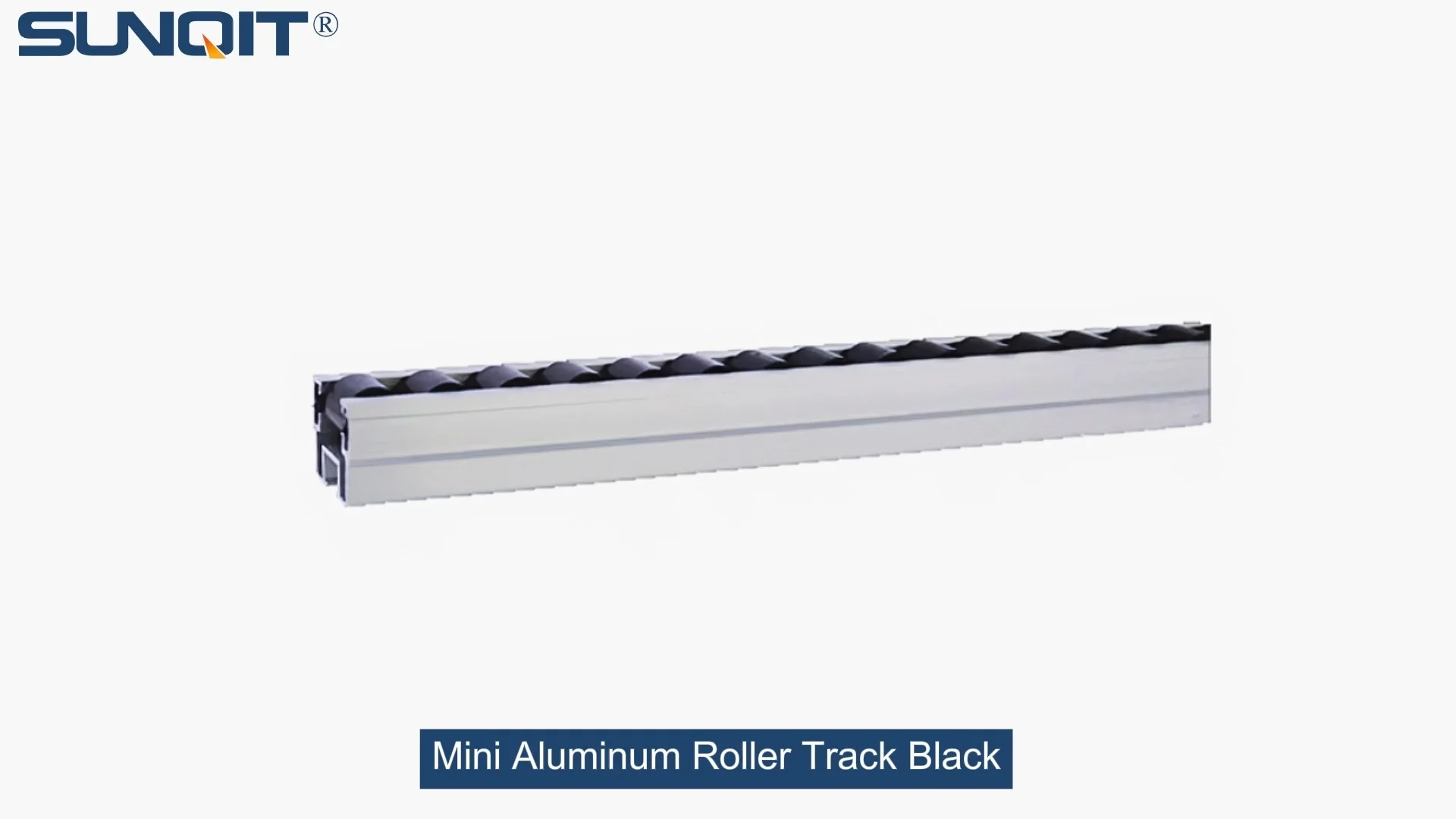
Mini Aluminum Roller Track Black
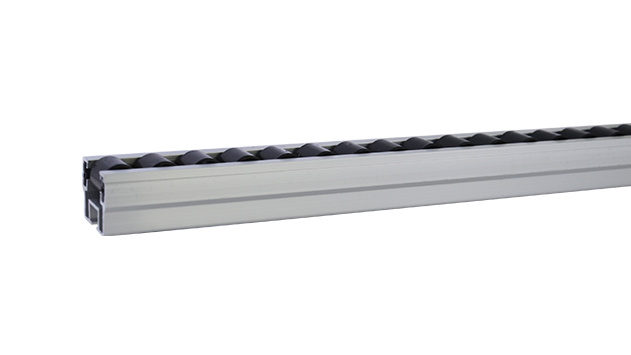
Mini aluminum roller track black for modular system, lean solution.Durable and smooth-running modular roller rails. The system is fully assembled. The roller rail profile contains plastic rollers mounted on steel axles.
In the dynamic landscape of modern manufacturing, every component contributes to the efficiency and agility of your operations. Roller tracks are the unsung heroes of material handling—they enable smooth movement of parts, reduce manual labor, and optimize workflow. Today, we're focusing on two popular roller track options: Mini Aluminum Roller Track Black and Steel Roller Track. We'll break down their weight differences, but also explore other critical factors like durability, cost, and industry applications, all while highlighting how Sunqit's solutions align with these needs.
What is Mini Aluminum Roller Track Black?
Mini Aluminum Roller Track Black is a compact, lightweight material handling solution engineered for flexibility and efficiency. Crafted from high-grade aluminum alloy, this track features a sleek black finish that not only enhances its aesthetic appeal but also provides scratch resistance and corrosion protection. Its "mini" designation refers to its narrow width (typically 50mm to 100mm) and small roller diameter (10mm to 20mm), making it ideal for tight spaces and lightweight loads.
One of the most notable benefits of this track is its low weight. Aluminum is inherently 30-50% lighter than steel, which simplifies installation, transportation, and reconfiguration. For example, a 1-meter length of 50mm-wide mini aluminum black track weighs just 1.2kg, compared to 3.5kg for a similar steel track. This lightweight nature aligns perfectly with lean manufacturing principles, where adaptability and quick changes are key. Sunqit's aluminum pipe accessories—like internal rotatary aluminum joints and aluminum clamps—seamlessly integrate with these tracks, allowing you to build custom systems that evolve with your needs.
Corrosion resistance is another standout feature. Aluminum forms a natural oxide layer that protects it from rust, even in humid or chemical-exposed environments. The black finish further this protection, making the track suitable for industries like food processing, pharmaceuticals, and 3C assembly. In a 3C assembly line, where small electronic components are handled daily, this track ensures smooth material flow without the risk of contamination or damage.
What is Steel Roller Track?
Steel Roller Track is a robust, heavy-duty solution designed to handle large loads and high-volume operations. Made from carbon steel or stainless steel, this track is built to withstand extreme pressure and constant use. Its roller diameter ranges from 20mm to 50mm, with widths up to 200mm, making it ideal for moving heavy components like engine parts, body panels, or bulk materials.
The primary advantage of steel track is its exceptional load capacity. A 1-meter length of 100mm-wide steel track can support up to 500kg, compared to 150kg for aluminum. This strength makes it a staple in industries like automotive manufacturing, where durability is non-negotiable. Sunqit's stainless steel pipe series offers a corrosion-resistant steel option, perfect for outdoor or wet environments. However, this strength comes with a trade-off: steel tracks are significantly heavier, which can increase installation time and transportation costs.
Steel tracks are often used in conjunction with heavy-duty equipment like conveyor systems and material racks. For example, in an automotive assembly line, steel tracks move engine blocks from the machining station to the assembly station, ensuring reliable performance even under constant stress. Sunqit's flexible production equipment line includes steel tracks that integrate with their turnover trolleys and workbenches, creating a cohesive system that handles heavy loads with ease.
Weight Comparison: Detailed Breakdown
Weight is a critical factor when choosing between these two tracks. Let's compare their weights across different lengths and widths:
| Track Type | Width (mm) | Length (m) | Weight (kg) |
|---|---|---|---|
| Mini Aluminum Roller Track Black | 50 | 1 | 1.2 |
| Steel Roller Track | 50 | 1 | 3.5 |
| Mini Aluminum Roller Track Black | 50 | 2 | 2.4 |
| Steel Roller Track | 50 | 2 | 7.0 |
| Mini Aluminum Roller Track Black | 100 | 1 | 2.0 |
| Steel Roller Track | 100 | 1 | 5.0 |
| Mini Aluminum Roller Track Black | 100 | 2 | 4.0 |
| Steel Roller Track | 100 | 2 | 10.0 |
This weight difference has tangible impacts on your operations: - **Transportation Costs**: Lighter aluminum tracks reduce shipping fees, especially for large orders. - **Installation Time**: Aluminum tracks require fewer workers and no heavy machinery, cutting setup time by 30-40%. - **Reconfiguration**: In lean environments, where systems change frequently, aluminum tracks are easier to move and adjust. - **Energy Efficiency**: Lighter tracks put less strain on conveyor motors, reducing energy consumption by up to 15%.

Beyond Weight: Key Decision Factors
While weight is important, it's not the only factor to consider. Let's explore other critical differences:
Durability & Load Capacity
Steel tracks have a longer lifespan (10-15 years) than aluminum (7-10 years) in heavy-use environments. However, aluminum tracks require no rust treatment, saving $500-$1000 per 100m over their lifespan. For example, a steel track in an automotive plant might need annual painting ($50 per 100m), while an aluminum track in a 3C line needs only occasional cleaning.
Cost of Ownership
Upfront cost: Aluminum tracks are 20-30% more expensive than steel. A 100m length of 100mm aluminum track costs ~$1500, vs. $1000 for steel. But over 10 years, the total cost of ownership (initial + maintenance) is similar: aluminum ($1600) vs. steel ($1500). For industries with high corrosion risk, stainless steel tracks cost ~$2000 per 100m, making aluminum a more cost-effective option.
Flexibility & Adaptability
Aluminum tracks are easier to modify and reconfigure, which is essential in lean manufacturing. Sunqit's lean pipe system integrates these tracks with aluminum joints and clamps, allowing you to build custom workstations or flow racks in hours. Steel tracks, while durable, are harder to adjust and require specialized tools, making them better for static systems.
Corrosion Resistance
Aluminum tracks are naturally corrosion-resistant, making them ideal for wet or chemical environments. Steel tracks (unless stainless) rust quickly in these conditions. In a food processing plant, aluminum tracks are preferred because they don't contaminate products, while steel tracks require constant maintenance to prevent rust.

Industry-Specific Recommendations
The right track depends on your industry's unique needs:
3C Assembly & Consumer Electronics
In 3C assembly, components are lightweight (50-100g) and require flexible systems. Mini aluminum black tracks are perfect here—they're easy to reconfigure, corrosion-resistant, and lightweight. Sunqit's custom solutions for 3C assembly integrate these tracks with ESD workbenches, preventing electrostatic discharge and ensuring component safety.
Automotive Manufacturing
Automotive plants handle heavy components (100-500kg). Steel tracks are the best choice—they support high loads and withstand constant use. Sunqit's steel tracks integrate with their conveyor systems and material racks, ensuring smooth movement of engine parts and body panels.
Medical Device Manufacturing
Medical facilities require sterile, corrosion-resistant systems. Aluminum tracks are ideal—they're easy to clean and chemical-resistant. Sunqit's custom solutions for medical devices include these tracks, along with stainless steel accessories, to meet strict hygiene standards.
Warehouse & Logistics
Warehouses need versatile systems. For lightweight packages (up to 150kg), aluminum tracks are best. For heavy pallets (up to 500kg), steel tracks are better. Sunqit's flow racks use both track types, allowing warehouses to optimize storage and retrieval processes.
Sunqit's Solutions for Your Roller Track Needs
Sunqit is a leading provider of material handling solutions, offering a wide range of roller tracks and integrated systems. Their core offerings include:
Lean Pipe System
Sunqit's lean pipe system combines aluminum pipes, joints, and roller tracks to create flexible workstations, material racks, and conveyor systems. This system allows you to adapt your setup quickly, reducing waste and improving efficiency. For example, their Workbench E (single deck-without caster) can be equipped with mini aluminum tracks to create a custom assembly station.
Flexible Production Equipment
Their flexible production equipment line includes flow racks, turnover trolleys, and conveyors that integrate with both aluminum and steel tracks. Material Rack B (3 row and 3 floor) uses flow rack technology with aluminum tracks, allowing materials to slide to the picking station with minimal effort.
Custom Solutions
Sunqit's custom solutions are tailored to your industry's needs. For 3C assembly, they design ESD-safe systems with aluminum tracks. For automotive manufacturing, they build heavy-duty steel systems that handle large loads. Their team works closely with you to optimize your workflow, reduce costs, and enhance productivity.
Conclusion
Choosing between mini aluminum black and steel roller tracks requires balancing weight, durability, cost, and industry needs. Aluminum tracks are lightweight, flexible, and corrosion-resistant—ideal for 3C assembly, medical devices, and food processing. Steel tracks are heavy-duty, durable, and cost-effective for automotive manufacturing and heavy logistics.
Sunqit's comprehensive product line—including lean pipe systems, flexible production equipment, and custom solutions—ensures you find the right track for your operations. Whether you need a lightweight aluminum track for a small workstation or a heavy-duty steel track for a conveyor system, Sunqit has the expertise and products to help you optimize your material handling processes.
When making your decision, consider your load capacity, environmental conditions, and need for flexibility. By choosing the right track, you can enhance efficiency, reduce costs, and create a more agile manufacturing system. For personalized advice, reach out to Sunqit to explore how their solutions can transform your operations.