- Company Articles
- Products and Technology
- Product knowledge
- Mobile Workstations: 1.2mm Stainless Steel Pipe Balancing Weight and Durability

Mobile Workstations: 1.2mm Stainless Steel Pipe Balancing Weight and Durability
Related Product
1.2mm Stainless Steel Pipe
Stainless steel pipe, lean pipe, diameter is 28mm, material is SS201 or SS304, SS201 is normally used in the market. It knows a KARAKURI, KAIZEN material for industrial plant to improve efficiency, save labor cost, standard management.
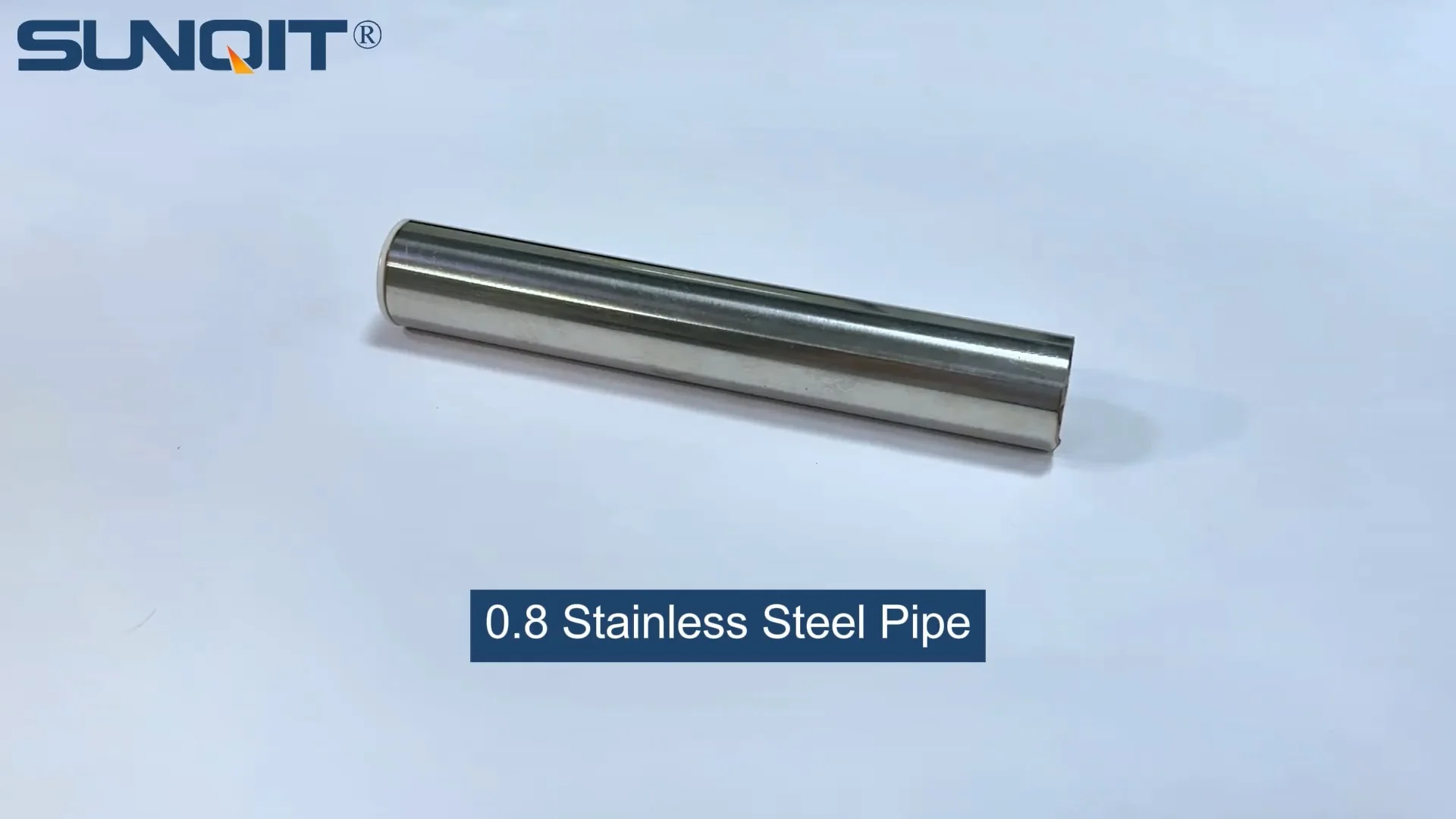
Walk into any modern factory, warehouse, or assembly line today, and you'll notice a quiet revolution happening on the floor. Gone are the days of fixed, clunky workbenches bolted to the ground, limiting how teams move materials and collaborate. Instead, there's a new hero: the mobile workstation. Sleek, adaptable, and built to keep up with the fast pace of today's workflows, these workstations are the unsung champions of productivity. But what makes a mobile workstation truly reliable? The answer lies in its bones—in the materials that hold it together. And when it comes to striking the perfect balance between weight, strength, and longevity, one material stands out: 1.2mm stainless steel pipe. Let's dive into why this unassuming component is the backbone of the workstations that power our most efficient workplaces.
The Backbone of Modern Workflow – Why Mobile Workstations Matter
Before we get into the nitty-gritty of stainless steel pipes, let's take a step back. Why have mobile workstations become so essential? Think about a typical manufacturing floor. A team assembling electronics might need to shift from one production line to another as orders change. A warehouse crew might need to bring tools and materials directly to a packing station instead of making multiple trips. In these scenarios, a workstation that can roll with the punches (literally) isn't just a convenience—it's a game-changer for lean systems, reducing waste, cutting down on downtime, and keeping teams focused on what they do best: creating, building, and delivering.
But here's the catch: a mobile workstation is only as good as its ability to handle the demands of daily use. It needs to be light enough for one person to move without straining, but tough enough to support heavy tools, parts, or even entire assemblies. It needs to resist the bumps, scrapes, and spills that come with a busy work environment. And it needs to last—no one wants to replace a workstation every few months because the frame bent or the materials corroded. That's where 1.2mm stainless steel pipe enters the picture.
The Heart of the Matter: Why 1.2mm Stainless Steel Pipe?
Understanding Pipe Gauges: What Does 1.2mm Mean?
First, let's clarify what "1.2mm" refers to. When we talk about pipe thickness, we're referring to the wall thickness of the pipe, measured in millimeters. This might sound like a small detail, but it's critical. A pipe with a 1.2mm wall is thinner than, say, a 1.5mm or 2.0mm pipe, but that doesn't mean it's weaker. In fact, stainless steel is inherently strong—its composition (chromium, nickel, and other alloys) gives it a tensile strength that punches well above its weight. So a 1.2mm stainless steel pipe isn't "flimsy"; it's engineered to be just thick enough to handle daily use without adding unnecessary bulk.
To put it in perspective: imagine a drinking straw versus a garden hose. The straw is thin and lightweight but bends easily; the hose is thick and strong but heavy and hard to move. 1.2mm stainless steel pipe is like the Goldilocks of the pipe world—it's not too thin to bend under pressure, nor too thick to make the workstation cumbersome. It's just right.
Balancing Act: Weight Without Compromising Strength
The biggest advantage of 1.2mm stainless steel pipe is its ability to balance weight and durability. Let's break this down. A typical mobile workstation frame might use several meters of pipe, along with joints, a workbench top, and caster wheels. If we used a thicker pipe—say, 2.0mm stainless steel—the frame would be incredibly strong, but the total weight could skyrocket. Suddenly, moving the workstation from one end of the floor to the other becomes a two-person job, defeating the purpose of "mobile." On the flip side, using a thinner pipe (like 0.8mm) might keep the weight low, but it could warp or bend if you place a heavy drill press or a bin of metal parts on top. That's a disaster waiting to happen.
1.2mm stainless steel pipe solves this dilemma. Let's crunch some numbers: a meter of 1.2mm stainless steel pipe (with a standard 28mm outer diameter, common in workstation frames) weighs roughly 1.8 kg. Compare that to a 1.5mm pipe of the same diameter, which weighs about 2.2 kg per meter. Over a frame with 10 meters of pipe, that's a difference of 4 kg—enough to make the workstation noticeably easier to push, especially when loaded with tools. Yet, despite being lighter, 1.2mm stainless steel pipe can still handle impressive weight. Tests show it can support up to 200 kg per linear meter without permanent deformation, which is more than enough for most workstation needs (think: a workbench top with a laptop, tools, and a 50 kg bin of parts).
Corrosion Resistance: Stainless Steel's Secret Weapon
Stainless steel isn't just about strength and weight—it's also about longevity. Walk into a workshop that uses regular steel pipes, and you'll likely see rust spots, especially in areas with moisture or chemicals. Rust isn't just unsightly; it weakens the metal over time, turning a sturdy frame into a wobbly liability. Stainless steel, however, contains chromium, which forms a thin, invisible layer of chromium oxide on the surface. This layer acts like a shield, preventing rust and corrosion even when the pipe gets scratched or exposed to water, oil, or cleaning agents.
For mobile workstations, this is a game-changer. Whether the workstation is used in a food processing plant (where frequent washdowns are required), an automotive shop (with oil and grease), or a electronics factory (with coolants), 1.2mm stainless steel pipe holds its own. It doesn't require painting or coating to stay protected, which means less maintenance and lower long-term costs. Over years of use, that translates to a workstation that still looks and functions like new, while cheaper materials might be heading to the scrapyard.

Building Blocks: Components That Make Mobile Workstations Tick
A great frame is just the start—mobile workstations are a team effort, relying on several key components to work together seamlessly. Let's shine a light on the parts that, when paired with 1.2mm stainless steel pipe, create a workstation that's both mobile and mighty.
Caster Wheels: The Mobility Game-Changer
You can have the lightest, strongest frame in the world, but without good caster wheels, your "mobile" workstation is just a heavy table. Caster wheels are the unsung heroes of mobility, and choosing the right ones is critical. For workstations built with 1.2mm stainless steel pipe, we recommend medium-duty casters with a 5-inch wheel diameter. Why 5 inches? Smaller wheels (3-4 inches) can get stuck on cracks or uneven floor tiles, while larger wheels (6+ inches) add unnecessary height and weight. A 5-inch caster, paired with a sturdy steel bracket, balances maneuverability and stability.
Look for casters with polyurethane wheels, too. They're softer than rubber, which means they roll smoothly on concrete or tile without marking floors—important for keeping workspaces looking professional. Plus, polyurethane has good shock absorption, so if you hit a small bump, the tools on the workstation won't jostle around. And don't forget the brakes! A good caster should have a reliable brake that locks both the wheel and the swivel, preventing the workstation from rolling away when you're using it. Trust us—there's nothing more frustrating than trying to assemble a part while your workstation slowly drifts across the floor.
Joints and Connectors: Holding It All Together
What good is a strong pipe if the joints that connect them are weak? That's where lean pipe joints come in. These small but mighty connectors are designed to fit snugly around stainless steel pipes, creating rigid, stable connections without welding. Most lean pipe joints are made of die-cast aluminum or zinc, with a plastic or rubber grip that prevents the pipe from slipping. They come in all shapes—90-degree elbows for corners, T-joints for branching off, and even swivel joints for adjustable shelves. The beauty of these joints is that they're reusable: if you need to reconfigure your workstation (say, add a side shelf or lower the height), you can simply loosen the joint, adjust the pipe, and tighten it back up. No tools required, and no damage to the pipe.
When paired with 1.2mm stainless steel pipe, these joints create a frame that's both rigid and flexible. The pipe's smooth surface ensures a tight fit with the joint's grip, while the pipe's strength prevents bending at the connection points. We've seen workstations built this way withstand years of daily use—being pushed, pulled, and reconfigured—without a single joint coming loose. It's a testament to how well the components complement each other.
Workbench Tops: Where Productivity Meets Durability
Of course, a workstation isn't complete without a top—this is where the actual work happens. The best workbench tops for mobile stations are durable, easy to clean, and compatible with the frame. Common options include plywood (covered in laminate), stainless steel, or even resin. When paired with a 1.2mm stainless steel frame, a 1-inch thick plywood top with a laminate finish is a popular choice. It's lightweight (adding about 15-20 kg to the total weight), resistant to scratches, and easy to wipe down. For heavier-duty use (like in a metal shop), a stainless steel top is better—it can handle impacts from tools and won't warp if exposed to heat. Either way, the 1.2mm frame has no trouble supporting the weight, ensuring the top stays level and stable, even when you're leaning on it to reach for a tool.

How Does 1.2mm Stainless Steel Compare to Other Materials?
You might be wondering: why not use aluminum pipe instead? Or PE-coated lean pipe? Both are common in workstation frames, and they have their merits. Let's break down the pros and cons to see why 1.2mm stainless steel often comes out on top.
| Material | Wall Thickness | Weight (per meter) | Load Capacity (per linear meter) | Corrosion Resistance | Best For |
|---|---|---|---|---|---|
| 1.2mm Stainless Steel Pipe | 1.2mm | 1.8 kg | 200 kg | Excellent (rust-proof) | Heavy-duty use, wet environments, long-term durability |
| Aluminum Lean Pipe | 1.5mm | 1.2 kg | 120 kg | Good (but prone to dents) | Lightweight, temporary setups, dry environments |
| 1.2mm PE-Coated Lean Pipe | 1.2mm (steel core with plastic coating) | 1.9 kg | 180 kg | Good (coating can chip) | General use, low-cost setups |
Aluminum lean pipe is indeed lighter—about 1.2 kg per meter—but it's also softer. drop a heavy tool on an aluminum frame, and you'll likely leave a dent. Over time, those dents add up, weakening the structure. PE-coated lean pipe (which has a steel core covered in plastic) is cheaper upfront, but the coating can chip off, exposing the steel underneath to rust. Stainless steel, on the other hand, offers the best of both worlds: it's nearly as strong as PE-coated pipe, lighter than thicker steel, and far more resistant to damage than aluminum. For workstations that need to last 5+ years, the extra investment in stainless steel pays off.
Real-World Applications: Where 1.2mm Stainless Steel Workstations Shine
Talk is cheap—let's look at how these workstations perform in the real world. Take a mid-sized electronics manufacturer in Ohio, for example. They used to rely on fixed workbenches, but as their product line expanded, they needed to rearrange their assembly lines weekly. Their first attempt with aluminum workstations was a letdown: the frames dented easily, and the casters kept getting stuck. Then they switched to 1.2mm stainless steel pipe workstations. Today, their teams can reconfigure the line in under an hour, and the workstations have held up for three years with no signs of rust or bending. "We used to replace workstations every 18 months," says the plant manager. "Now, we're saving thousands on replacements and downtime."
Another example: a food packaging facility in California. They needed workstations that could be wheeled into clean rooms and hosed down daily. PE-coated frames started rusting within months when the coating chipped. Stainless steel workstations? They've been in use for two years, and after each washdown, they still look brand new. The caster wheels, paired with the lightweight frame, make it easy for workers to move them in and out of the clean room without straining.
Even in smaller settings—like a local auto repair shop—these workstations make a difference. A mechanic there built a mobile tool cart using 1.2mm stainless steel pipe, with shelves for wrenches, a drawer for parts, and a top for a laptop (to look up repair manuals). "I roll it right up to the car," he says. "It's light enough to move with one hand, but sturdy enough that I can stand on the bottom shelf to reach the engine. I've had it for over a year, and it hasn't budged—not even a scratch."
The Lean System Connection: Why Durability Drives Efficiency
At the end of the day, mobile workstations aren't just about moving tools around—they're about supporting lean systems. Lean manufacturing is all about eliminating waste: waste of time, waste of movement, waste of materials. A flimsy workstation that breaks down wastes time (waiting for repairs), movement (carrying tools instead of rolling them), and materials (replacing the workstation). A heavy, immobile workstation wastes time (walking back and forth) and limits flexibility.
1.2mm stainless steel mobile workstations align perfectly with lean principles. They're durable, so they don't need frequent replacement (reducing waste). They're mobile, so teams can bring tools and materials directly to the work (cutting down on movement). They're adaptable, so they can be reconfigured as needs change (no need to buy new workstations for new projects). In short, they're not just tools—they're investments in a more efficient, productive workflow.
Final Thoughts: Why the Right Pipe Makes All the Difference
Mobile workstations are the backbone of modern, agile workplaces. They keep teams moving, materials flowing, and projects on track. But to truly deliver on their promise, they need a strong, lightweight, and durable frame. That's where 1.2mm stainless steel pipe comes in. It's not the thickest or the thinnest option, but it's the smartest—striking that elusive balance between weight and strength, while standing up to the daily grind of busy work environments.
Whether you're running a large factory, a small workshop, or anything in between, the next time you're setting up a workstation, think about the pipe. Choose 1.2mm stainless steel, pair it with quality caster wheels and lean pipe joints, and you'll have a workstation that doesn't just keep up with your team—it empowers them. After all, in the world of productivity, the best tools are the ones you barely notice—because they just work, day in and day out.