- Company Articles
- Products and Technology
- Product knowledge
- Modular Aluminum Pipe with Board Holder: Flexible Configurations

Modular Aluminum Pipe with Board Holder: Flexible Configurations
Related Product
Aluminum Pipe with Board Holder
The linear rolling assembly can be arbitrarily connected in the protruding part of the card slot to increase the rigidity of the track.
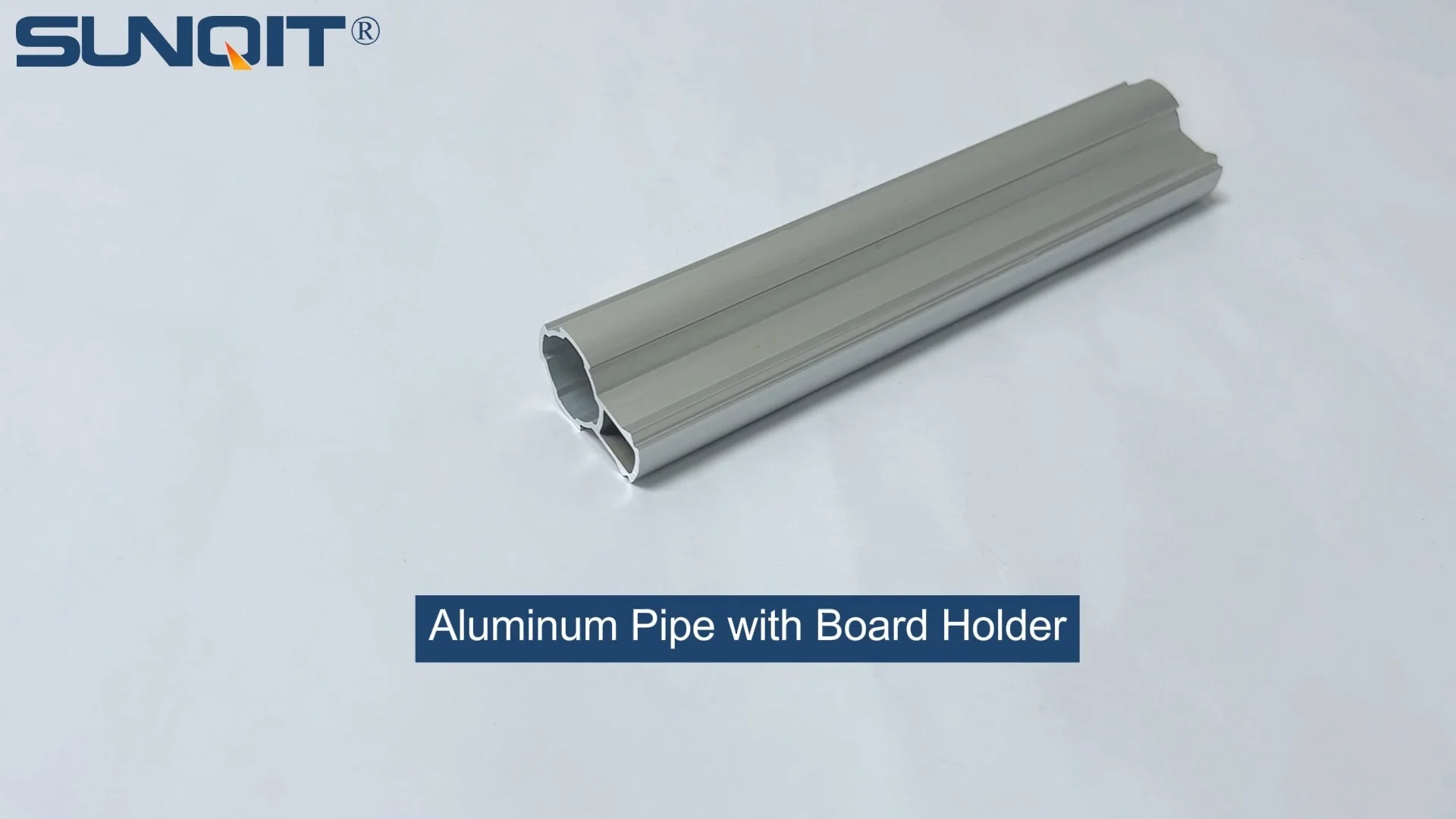
In the fast-paced world of manufacturing and production, the ability to adapt is everything. Picture a workspace where rigid, one-size-fits-all furniture and equipment are replaced by systems that bend and evolve with your needs. That's the reality modular aluminum pipe with board holder systems bring to modern workshops, factories, and assembly lines. Far more than just a collection of tubes and connectors, these systems are the backbone of flexible, efficient, and human-centered work environments—where every tool, every shelf, and every work surface exists to make the daily grind smoother, smarter, and more responsive.
At its core, modular aluminum pipe with board holder technology is about empowerment. It lets teams stop working around clunky, fixed structures and start building workspaces that fit their unique processes. Whether you're assembling electronics on a workbench , organizing parts in a flow rack , or streamlining material transport, this system turns "this is how it's always been done" into "let's make it better." And in an era where lean manufacturing and agile production are no longer buzzwords but survival strategies, that flexibility isn't just a luxury—it's a game-changer.
What Is Modular Aluminum Pipe with Board Holder?
Let's start with the basics. Modular aluminum pipe with board holder systems are industrial-grade, customizable frameworks built from lightweight yet durable aluminum pipes, specialized board holders, and a suite of aluminum pipe accessories . Unlike traditional steel or wooden structures that require welding, drilling, or permanent installation, these systems rely on simple, tool-free joints and connectors. This means you can assemble, disassemble, and reconfigure them in minutes—no heavy machinery, no specialized skills, just a few hand tools and a vision for how your space should work.
The star of the show is the aluminum pipe itself. Typically made from high-quality aluminum profile (think sleek, extruded tubes with precision-engineered T-slots), these pipes are strong enough to support heavy tools, materials, and equipment, yet light enough to be moved by a single person. The board holder, a clever accessory integrated into the design, lets you attach everything from wooden work surfaces to plastic bins, metal shelves, or even whiteboards—turning a basic pipe frame into a fully functional workstation, storage unit, or production line component.
But what truly sets this system apart is its modularity. Every piece is designed to work with every other piece. A pipe used in a workbench today can be part of a flow rack tomorrow. A board holder holding a tool tray this week might support a computer monitor next week. It's like building with industrial-grade Legos—endless combinations, all from the same set of components.
The Flexibility Factor: Why One Size No Longer Fits All
In manufacturing, change is constant. Product lines shift. Production volumes spike. New tools or safety regulations demand workspace adjustments. Rigid systems—think fixed steel racks or glued wooden workbenches—crumble under this pressure. They lock you into a single layout, forcing you to waste time, money, and energy working around their limitations. Modular aluminum pipe systems, by contrast, thrive on change. Here's how:
1. Custom-Built for Your Workflow
No two teams work the same way. A mechanic might need a workbench with built-in tool hooks and a raised edge to catch spills. An electronics assembler could require a (ESD-safe) surface with adjustable shelving for tiny components. With modular aluminum pipe, you design the structure around your specific tasks, not the other way around. Need a taller shelf? Swap out a shorter pipe for a longer one. Want to add a roller track to slide materials across your workbench? Snap on a few roller track and accessories . The board holder adapts, too—mount it at chest height for easy access, or lower it to create a secondary storage shelf. It's customization without the custom price tag.
2. Quick Reconfiguration, Zero Downtime
Traditional workspace overhauls mean shutdowns. Welders, carpenters, or contractors take days (or weeks) to tear down old structures and build new ones. With modular aluminum systems, reconfiguration happens during a coffee break. Loosen a few joints, rearrange the pipes, swap out a board holder for a different accessory, and you're back to work. Imagine a small manufacturer ramping up for the holiday season: in the morning, their flow rack holds 100 units of Product A; by afternoon, after a 20-minute tweak, it's ready for Product B. No delays, no lost production—just seamless adaptability.
3. Scalability That Grows With You
Start small, then expand. Maybe today you need a single workbench for a new assembly line. Next month, you might add two more workbenches and a flow rack to connect them. Next year, you could expand into a full production cell with conveyor systems and material carts. Modular aluminum pipe systems grow with your business because they're built in increments. You don't have to invest in a massive setup upfront—just add pipes, accessories, and board holders as you need them. And if you downsize or pivot, you can disassemble components and reuse them elsewhere. Nothing goes to waste.

Integrating with Lean Systems: Efficiency by Design
Lean manufacturing—the practice of minimizing waste while maximizing value—isn't just about cutting costs. It's about respecting your team's time, energy, and creativity. Modular aluminum pipe with board holder systems are a lean system 's best friend, designed to support the principles of 5S (Sort, Set in Order, Shine, Standardize, Sustain) and continuous improvement. Here's how they align:
Sort & Set in Order: Visual Organization That Works
Clutter is the enemy of efficiency. A messy workspace wastes time as workers hunt for tools or materials. Modular systems fix this by letting you design visual, easy-to-understand storage. Use board holders to mount labeled bins for screws, nuts, and washers. Add color-coded dividers or pegboards to separate tools by function. Since everything has a designated place, "sorting" and "setting in order" (the first two S's of 5S) become second nature. Workers don't waste mental energy wondering where things go—they see it at a glance.
Shine: Cleanliness That's Built In
Aluminum's smooth, non-porous surface is a breeze to clean. Unlike wooden workbenches that absorb spills or steel racks that rust if not painted, aluminum resists stains, corrosion, and bacteria growth. Wipe it down with a damp cloth, and it looks brand new. The open, modular design also eliminates hard-to-reach corners where dust and debris collect. When "shine" (cleanliness) is this easy, your team is more likely to maintain it—creating a workspace that feels professional, safe, and respectful of their efforts.
Standardize & Sustain: Consistency Across the Floor
In lean manufacturing, standardization reduces variability and errors. Modular aluminum systems let you replicate successful workbench or flow rack designs across your facility. Every assembly station can have the same height, the same tool placement, and the same material flow—so workers can move between stations seamlessly. And when processes improve (because continuous improvement never stops), you can update all standardized setups quickly. No more "this station works great, but that one's a mess"—consistency becomes the norm, and sustainability (the final S) is built into the system.

Aluminum Pipe Accessories: The Building Blocks of Versatility
A modular system is only as good as its accessories. Without the right joints, connectors, and add-ons, even the best aluminum pipes would be little more than fancy tubes. That's why aluminum pipe accessories are the unsung heroes of these systems—turning basic frames into fully functional workspaces. Let's take a closer look at some must-have accessories and how they transform your setup:
| Accessory | Function | Real-World Use Case |
|---|---|---|
| Internal Rotary Aluminum Joints | Allow pipes to swivel 360° or lock at fixed angles, enabling dynamic, adjustable structures. | Creating a workbench with a tilting surface for easier assembly or a flow rack with adjustable shelf angles. |
| Caster Wheels & Accessories | Add mobility to any structure—lockable brakes keep setups stable when needed. | Turning a stationary workbench into a mobile cart for transporting tools between production lines. |
| Roller Tracks & Connectors | Smooth-rolling tracks that let materials glide across surfaces with minimal effort. | Building a flow rack where bins of components slide from storage to assembly stations via gravity. |
| Board Holders | Securely attach work surfaces, shelves, or bins to aluminum pipes via T-slot compatibility. | Mounting a wooden worktop to a pipe frame for a custom-height assembly station. |
| End Caps & Rubber Strips | Cover sharp pipe ends for safety; rubber strips add grip to shelves or work surfaces. | Preventing scratches on delicate components or reducing noise when tools are placed on a workbench. |
The beauty of these accessories is their simplicity. Most click, twist, or slide into place—no welding, no glue, no permanent modifications. Need to add a roller track to a flow rack? Just slide the connectors into the T-slots of your aluminum pipes and tighten a screw. Want to swap a fixed joint for a rotating one? Loosen the bolt, replace the joint, and you're done. It's engineering for humans, not robots—and that makes all the difference in daily use.
Case Study: How One Factory Cut Setup Time by 60% with Modular Systems
Let's put this all into context with a real-world example. Consider a mid-sized electronics manufacturer we worked with a few years back. They produced small circuit boards for smartphones, and like many manufacturers, they struggled with frequent product changes. Each new board design required different tools, different component storage, and different workflow layouts. Their old setup? Fixed steel workbenches bolted to the floor and wooden shelves that took days to build or modify. Setup time for a new product line averaged 48 hours—time they couldn't afford to lose in a market where speed to market is critical.
Their solution? A full transition to modular aluminum pipe with board holder systems. Here's what happened next:
- Faster Changeovers: Instead of building new workbenches from scratch, they reconfigured existing aluminum frames with new board holders and accessories. Setup time dropped from 48 hours to 16 hours—a 60% reduction.
- Better Space Utilization: Mobile carts with caster wheels replaced fixed storage racks. When production slowed, they rolled carts out of the way, freeing up 30% more floor space for other tasks.
- Happier Teams: Workers reported less frustration with cluttered workspaces. One assembler noted, "I used to spend 10 minutes a day hunting for tools. Now everything has a place on my modular bench—I just grab and go."
The result? Higher productivity, lower stress, and a production line that could pivot quickly to meet customer demands. And because they reused components across setups, they even reduced their annual equipment costs by 25%. It's a story we've seen repeat itself across industries—from automotive to aerospace, food processing to pharmaceuticals. Modular aluminum systems don't just change workspaces; they change how teams feel about their work.
Why Aluminum? The Material That Makes It All Possible
You might be wondering: Why aluminum? Why not steel, plastic, or wood? The answer lies in aluminum's unique blend of strength, weight, and versatility—traits that make it perfect for modular systems. Let's break it down:
Strength Without the Bulk
Aluminum profiles are engineered to be surprisingly strong. A 20mm aluminum pipe can support over 100kg of weight—more than enough for most industrial tools, materials, or equipment. Yet, it's 30% lighter than steel, so even large structures (like a 6-foot flow rack) can be moved by one or two people. This lightweight strength is a game-changer for reconfiguration—no more waiting for a forklift to move a heavy steel shelf.
Corrosion Resistance for Longevity
Unlike steel, aluminum doesn't rust. It forms a natural oxide layer that protects it from moisture, chemicals, and daily wear and tear. This makes it ideal for factories with strict hygiene standards (like food or medical device production) or environments with high humidity. A well-maintained aluminum system can last 10+ years—far longer than wooden structures (prone to warping) or plastic (prone to cracking under heavy loads).
Aesthetic Appeal That Supports Lean Principles
Lean manufacturing isn't just about efficiency—it's about pride in your workspace. Aluminum's clean, modern look makes it easier to maintain a tidy, organized environment. Scratches or dents are less noticeable than on steel, and the bright, neutral finish reflects light, making work areas feel more open and less cramped. When your workspace looks good, it's easier to care about keeping it that way—and that's the heart of 5S.
Designing Your Own Modular Setup: Tips for Success
Ready to dive in? Designing a modular aluminum pipe system doesn't require an engineering degree—just a clear understanding of your needs and a willingness to experiment. Here are a few tips to get started:
1. Start with Your Pain Points
What's not working in your current setup? Is it a workbench that's too low, causing back strain? A flow rack that's too narrow for your bins? A lack of mobility that makes material transport a hassle? List your top 3-5 frustrations, then design your system to solve those first. For example, if "reaching tools on high shelves" is a common complaint, prioritize a setup with adjustable board holders at eye level.
2. Think Long-Term (But Start Small)
You don't need to overhaul your entire facility at once. Start with one high-impact area—a single workbench or flow rack. Use it for a few weeks, note what works and what doesn't, then tweak it. Once you're happy, expand to adjacent areas. This iterative approach lets you learn as you go and avoid costly mistakes.
3. Involve Your Team
The people using the workspace every day know best what they need. Ask assemblers, technicians, or warehouse staff for input: Where do they waste the most time? What tools or materials are hardest to access? Their insights will turn a "good" setup into a "great" one. Plus, involving the team builds buy-in—they'll take pride in maintaining a system they helped design.
Conclusion: Flexibility as a Mindset
Modular aluminum pipe with board holder systems are more than just tools—they're a mindset shift. They reject the idea that workspaces must be rigid, permanent, or one-size-fits-all. Instead, they embrace the reality of modern manufacturing: that change is constant, that every team is unique, and that the best systems adapt to people, not the other way around.
Whether you're building a simple workbench, a complex flow rack, or an entire production line, these systems put the power of customization in your hands. With lightweight aluminum profiles, clever board holders, and a universe of accessories, you're not just buying equipment—you're investing in a workspace that grows with you, supports your lean system goals, and makes every day on the job a little easier. And in the end, that's what matters most: creating environments where people can do their best work, without being held back by the tools they use.
So, what will you build first? A mobile workbench that follows your team across the floor? A flow rack that turns chaos into order? Whatever it is, remember: flexibility isn't just about moving pipes and joints. It's about moving forward—faster, smarter, and with the confidence that your workspace will always keep up.