- Company Articles
- Products and Technology
- Product knowledge
- Modular Design Benefits: T-Groove Aluminum Pipe for Easy System Expansion

Modular Design Benefits: T-Groove Aluminum Pipe for Easy System Expansion
Related Product
T-Groove Aluminum Pipe
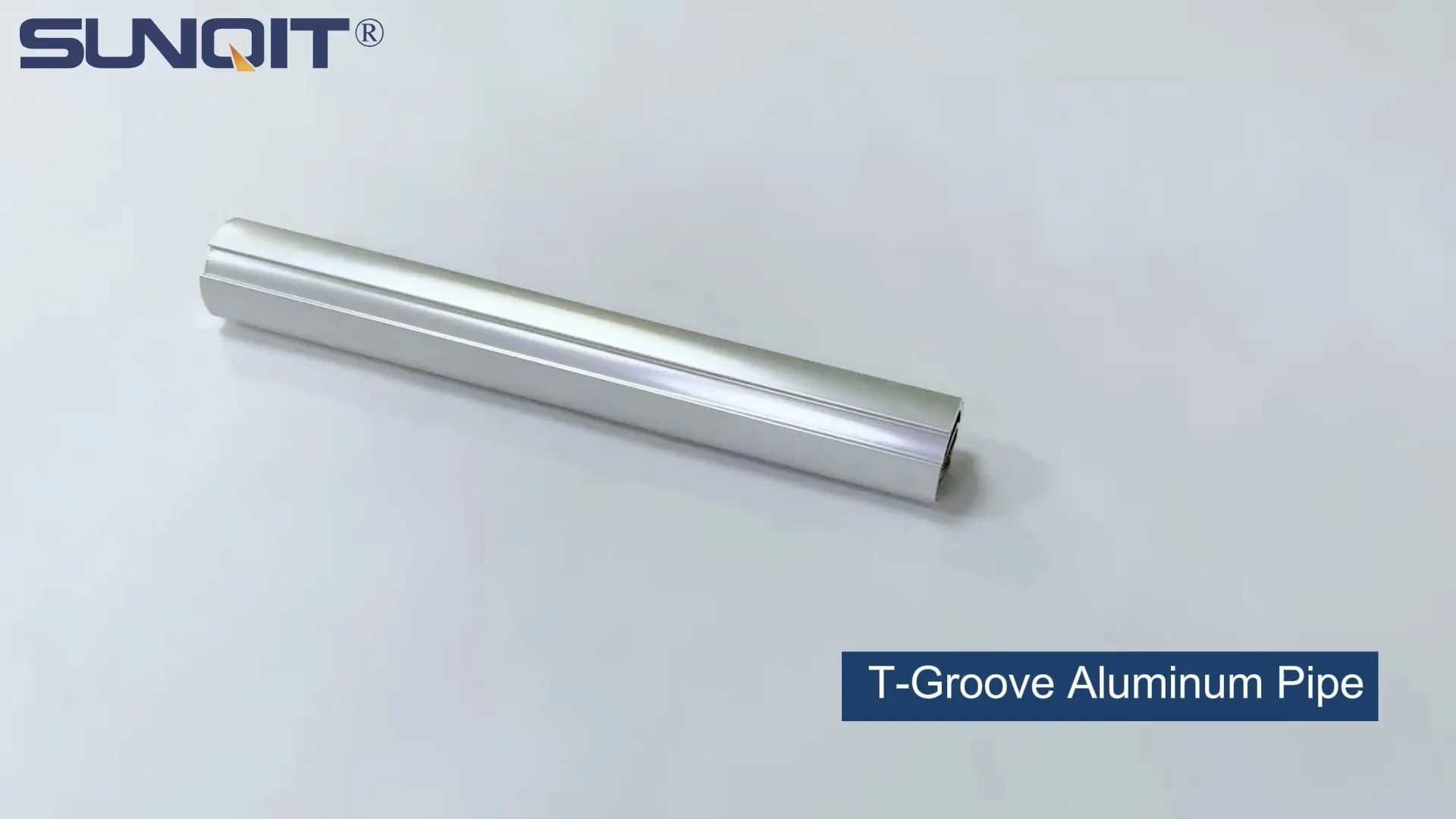
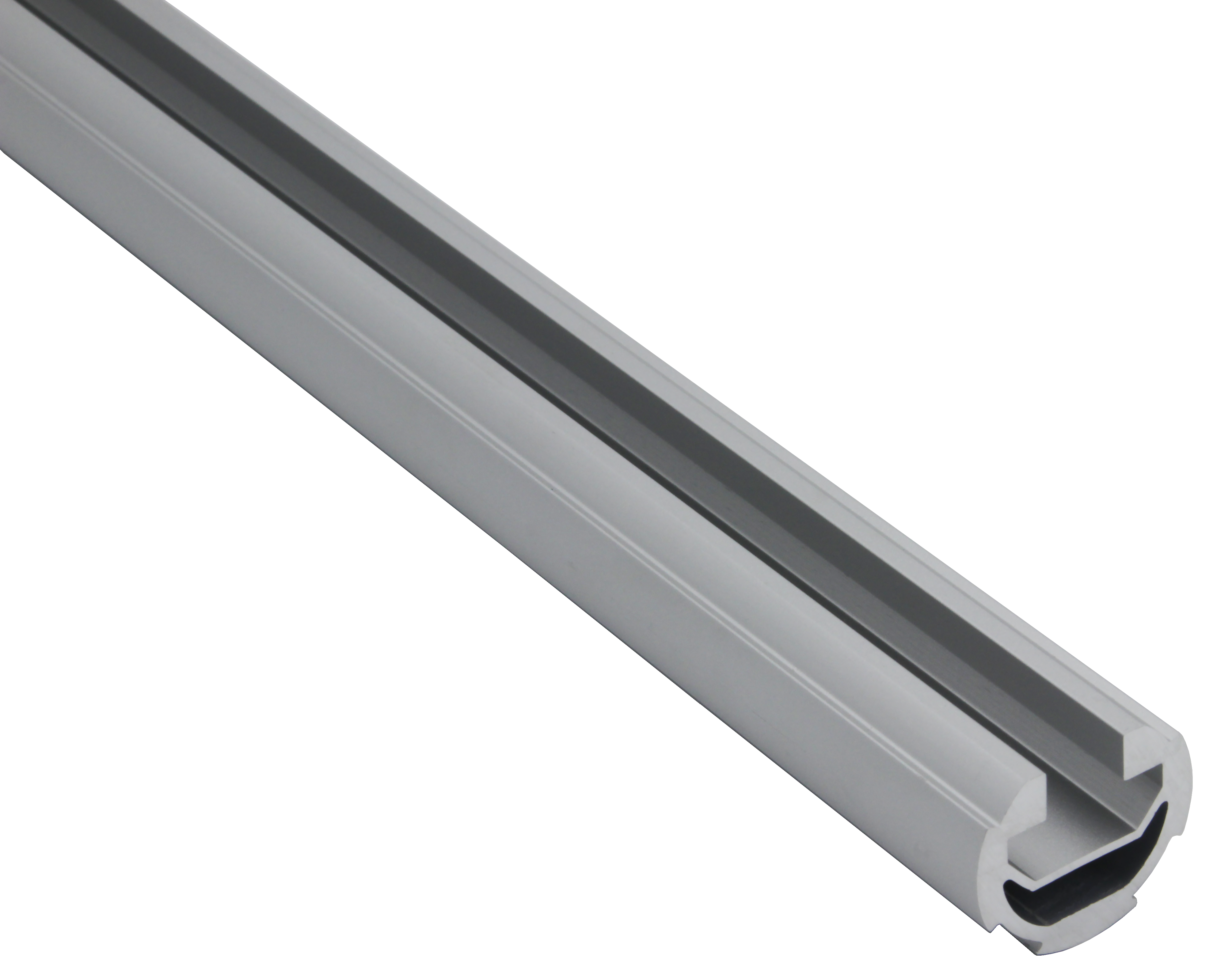
The aluminum pipe opening 10mm is installed into the T-shaped slider, which can be installed with casters or other matching functional parts. The groove can be used for positioning and is used for the track of the roller.
In today's fast-paced manufacturing landscape, where customer demands shift overnight and production lines need to pivot at a moment's notice, the rigidity of traditional work systems has become a silent bottleneck. Imagine a small electronics workshop that suddenly lands a bulk order—only to realize their fixed steel workbenches can't be reconfigured to accommodate extra assembly stations. Or a warehouse struggling to adapt its material racks to new product sizes, stuck with welded metal structures that might as well be set in concrete. These scenarios aren't just frustrating; they cost time, money, and opportunities. But what if there was a system that grew with you, that bent without breaking, and that turned "we can't" into "we can—easily"? Enter T-Groove Aluminum Pipe, a modular solution that's redefining how businesses build, adapt, and scale their operational systems.
What Exactly Is T-Groove Aluminum Pipe?
At its core, T-Groove Aluminum Pipe is a product of precision engineering and practical design. Born from the needs of modern manufacturing, it's an aluminum extrusion profile —meaning it's shaped by forcing heated aluminum through a die to create a consistent, cross-sectional profile—with a distinctive T-shaped slot running along its length. This slot isn't just a design quirk; it's the secret to its versatility. Think of it as a built-in "track" that allows accessories, brackets, and components to slide in, lock securely, and be repositioned whenever needed—no welding, no drilling, no permanent modifications required.
Aluminum, the material of choice here, brings a host of advantages. It's lightweight enough that a single worker can handle lengths of pipe without heavy machinery, yet strong enough to support the rigors of daily use in factories, warehouses, and workshops. Unlike steel, it resists corrosion, so it holds up in damp environments or when exposed to chemicals. And because it's non-magnetic and non-sparking, it's safe for sensitive industries like electronics manufacturing or food processing. But the real star is that T-slot: a simple, genius feature that turns passive pipe into an active, adaptable platform.
To visualize it, picture a standard aluminum tube—say, 20mm or 40mm in diameter—but with a long, narrow slot running along one side, shaped like the letter "T." This slot is designed to accept specialized aluminum profile accessories : brackets that slide into place, screws that lock into the groove, joints that connect pipes at angles, and even panels or shelves that mount directly onto the pipe. Every component is standardized, meaning parts from different batches or suppliers work together seamlessly. It's modularity by design, and it's a game-changer for anyone tired of building systems that can't keep up.
Modular Design: Why It Matters More Than Ever
Modular design isn't a new concept, but its importance has skyrocketed in recent years. In a world where product lifecycles shrink, customization demands rise, and "just-in-time" production is the norm, businesses can't afford to invest in systems that are fixed in place. Modularity—building with interchangeable, reusable components—lets you start small, add on as you grow, and reconfigure when needs change. And T-Groove Aluminum Pipe is modularity made tangible.
Let's break down why this matters. Traditional systems, whether made of welded steel, wooden frames, or even rigid plastic, are "one and done." Build a workbench, and if you later need it taller, wider, or with extra shelves, you're often better off building a new one than modifying the old. With T-Groove Aluminum Pipe, though, modification is part of the plan. Need to raise a workbench? Swap out the legs for longer pipes. Add a shelf? Slide bracket into the T-slot, tighten a screw, and you're done. Need to move the entire setup to a new part of the factory? Disassemble it in minutes, cart the components over, and rebuild—no power tools required.
This flexibility isn't just about convenience; it's about resilience. When a client orders a new product line with different dimensions, or when seasonal demand spikes require adding a third shift, your system shouldn't be the thing holding you back. Modular design turns adaptation from a costly, time-consuming project into a routine task—something your team can handle in hours, not weeks. And in business, time saved is opportunity seized.
The Benefits of T-Groove Aluminum Pipe for System Expansion
So, what makes T-Groove Aluminum Pipe specifically suited for growing businesses? Let's dive into the real-world advantages that set it apart from traditional alternatives.
1. Flexibility: Adapt Without Starting Over
The T-slot design is a masterclass in flexibility. Because accessories lock into the slot rather than being permanently attached, you can reposition components in seconds. For example, a lean system workbench used for assembling small circuit boards can, with a few adjustments, become a packing station for larger products by adding side rails, extending the surface, or swapping out a flat top for a tilted one with a tool rail. In a warehouse, a material rack built for 12-inch boxes can be reconfigured to hold 18-inch boxes by moving the shelves up or down—no saws, no welders, just a hex key and a few minutes of work.
This adaptability is a lifesaver for businesses with fluctuating needs. A bakery that makes holiday-themed packaging in Q4 can retool its assembly line in a weekend, then switch back to standard packaging in January. A furniture manufacturer can test new product designs by quickly prototyping workstations, then scale up the ones that work. Flexibility here isn't just about saving time; it's about staying agile in a market that waits for no one.
2. Scalability: Grow at Your Own Pace
Scaling operations often feels like a high-stakes gamble: invest too much in infrastructure, and you waste money; invest too little, and you bottleneck growth. T-Groove Aluminum Pipe eliminates this stress by letting you scale incrementally. Start with a single workbench, then add a second as your team grows. Expand your conveyor system by adding more roller track sections. Build a small material rack, then bolt on extensions as inventory increases. Because components are standardized, you don't have to worry about compatibility—new pipes, brackets, and accessories will work with what you already have.
Consider a startup that begins with a 500-square-foot workshop. They invest in a basic T-Groove setup: a workbench, a small conveyor, and a material rack. As they grow into a 2,000-square-foot space, they don't need to replace these systems—they just add to them. The original workbench becomes part of a larger assembly line, the conveyor extends to reach new stations, and the material rack gains extra levels. This "grow-as-you-go" model keeps upfront costs low and ensures every dollar spent on infrastructure continues to deliver value as the business expands.
3. Cost-Effectiveness: Save Money Over Time
At first glance, T-Groove Aluminum Pipe might seem pricier than basic steel pipe or wooden frames. But look closer, and the long-term savings are clear. Traditional systems often require custom fabrication: hiring a welder to build a steel rack, buying specialized tools to cut and drill wood, or paying for custom brackets. When you need to modify or expand, you're back to hiring professionals or buying new parts. With T-Groove Aluminum, most modifications can be done in-house by your existing team, cutting labor costs. And because components are reusable, you can repurpose parts from old setups into new ones—no more throwing away perfectly good materials because they don't fit the "new" system.
Take, for example, a manufacturing plant that replaces 10 steel workbenches with T-Groove Aluminum ones. Over five years, they reconfigure those workbenches eight times to changing production needs. With steel, each reconfiguration would cost $500 in labor and materials; with T-Groove, it's $50 in accessories and an hour of an employee's time. That's a savings of $3,600 per workbench—$36,000 total. Over time, the initial investment in aluminum more than pays for itself.
4. Lightweight Yet Durable: Strength Without the Strain
Aluminum's lightweight nature is a hidden superpower. A 10-foot length of 40mm T-Groove Aluminum Pipe weighs around 8 pounds, compared to 20 pounds for a steel pipe of the same size. This makes installation, reconfiguration, and relocation far easier—no need for forklifts or multiple workers to move a single section. For businesses with limited space or frequent layout changes, this is a game-changer. A small team can disassemble and rebuild a workstation in an afternoon, whereas steel would require heavy machinery and extra hands.
Don't mistake lightweight for weak, though. Aluminum extrusion profiles are surprisingly strong, with tensile strengths up to 30,000 psi—more than enough to support tools, materials, and even heavy equipment like small CNC machines. And because aluminum resists rust and corrosion, it lasts longer than steel in humid or wet environments, reducing replacement costs over time.
5. Clean, Modern Aesthetics: More Than Just Function
While functionality is key, the look of your workspace matters too. T-Groove Aluminum Pipe has a sleek, modern finish that instantly upgrades the appearance of factories, workshops, and warehouses. Unlike rough steel or chipped wooden frames, aluminum's smooth, anodized surface is easy to clean and maintain, making it ideal for industries with strict hygiene standards, like pharmaceuticals or food processing. A tidy, professional workspace also boosts morale—employees feel proud to work in an environment that looks organized and intentional, and that positivity translates to better productivity.

T-Groove Aluminum vs. Traditional Systems: A Comparison
Still on the fence? Let's put T-Groove Aluminum Pipe head-to-head with common alternatives to see how it stacks up.
| Feature | T-Groove Aluminum Pipe | Traditional Steel Pipe | Wooden Frames | Plastic Pipe Systems |
|---|---|---|---|---|
| Installation Time | Minutes (tool-free or basic tools) | Hours (requires welding/drilling) | Hours (cutting, screwing, gluing) | Minutes (snap-fit, but limited strength) |
| Reconfigurability | High (components can be moved/removed) | Low (permanent welds/drilled holes) | Low (screws weaken wood when removed) | Medium (snap-fit can break with reuse) |
| Weight | Light (easy to handle) | Heavy (requires machinery for movement) | Medium-Heavy (varies by wood type) | Light (but less stable) |
| Durability | High (corrosion-resistant, long lifespan) | High (but prone to rust without coating) | Low (warps, rots, or chips over time) | Low (can crack under heavy loads) |
| Cost Over Time | Low (reusable, minimal replacement) | High (welding labor, replacement costs) | High (frequent repairs/replacements) | Medium (cheap upfront, but short lifespan) |
As the table shows, T-Groove Aluminum Pipe outperforms traditional systems in the areas that matter most for growing businesses: speed, adaptability, and long-term value. It's not just a tool for building—it's a tool for evolving.

Real-World Applications: How Businesses Are Using T-Groove Aluminum
Theory is great, but real examples tell the story best. Let's look at how different industries are leveraging T-Groove Aluminum Pipe to expand and thrive.
Electronics Manufacturing: From Prototyping to Production
A mid-sized electronics company in California was struggling to keep up with demand for its smart home devices. Their old steel workbenches were fixed in place, making it hard to add new assembly stations during peak seasons. They switched to T-Groove Aluminum workbenches and saw immediate results. During the holiday rush, they added six temporary workstations in a day by reusing pipes and accessories from their off-season setup. When a new product line required a longer conveyor, they extended their existing roller track by 10 feet in under an hour. "We used to lose days reconfiguring our line," said the plant manager. "Now, we can pivot before lunch."
Warehousing: Adapting to E-Commerce Spikes
A regional fulfillment center handling online orders faced a problem: holiday sales tripled their inventory, but their fixed wooden racks couldn't expand. They replaced the racks with T-Groove Aluminum material racks, which could be extended vertically and horizontally. By adding extra shelves and side rails, they increased storage capacity by 40% without expanding their warehouse footprint. "We used to have to rent off-site storage during Q4," said the operations director. "Now, we just reconfigure our racks—no more rental fees, no more wasted time moving inventory."
Automotive Repair: Custom Workstations for Specialized Jobs
An auto repair shop specializing in vintage cars needed workstations that could adapt to different vehicle models. Traditional benches were too rigid, so they built T-Groove Aluminum workstations with adjustable heights, tool rails, and modular shelves. When working on a compact car, they lower the bench; for a truck, they raise it. They even added custom brackets to hold specific tools for each job. "Every car is different, and now our workspace is too," said the shop owner. "It's like having a custom shop for every vehicle."
Getting Started: Implementing T-Groove Aluminum Pipe in Your Business
Ready to make the switch? Here's how to start small and scale smart.
1. Assess Your Needs
Begin by mapping out your current pain points: Is your workspace too cramped? Do you struggle to reconfigure for new projects? Are you wasting money on temporary fixes? Prioritize one area to start—maybe a single workbench or a material rack—and design a modular solution around it. This focused approach lets you test the system without overcommitting.
2. Choose Quality Components
Not all T-Groove Aluminum systems are created equal. Look for suppliers that offer high-quality aluminum extrusion profiles and accessories—anodized aluminum resists scratches, and precision-manufactured brackets ensure a tight, wobble-free fit. Avoid cheap plastic accessories; they may save money upfront but will crack or wear out quickly under heavy use.
3. Start Small, Learn, Then Expand
Build one modular unit, use it for a few weeks, and note what works and what doesn't. Maybe you need extra brackets, or a longer pipe, or a different type of shelf. Use that feedback to refine your design before scaling up. This iterative approach ensures you don't waste money on components you won't use.
4. Train Your Team
One of the biggest advantages of T-Groove Aluminum is that anyone can use it—but your team needs to know how. Hold a quick training session on assembling, disassembling, and reconfiguring components. Provide basic tools (hex keys, rubber mallets) and a simple guide, and empower employees to adjust their workspaces as needed. The more comfortable they are with the system, the more creative they'll get with solutions.
Conclusion: Grow Without Limits
In a world where change is the only constant, the ability to adapt isn't just a competitive advantage—it's a survival skill. T-Groove Aluminum Pipe isn't just a building material; it's a growth enabler. It turns rigid, fixed systems into dynamic, evolving tools that keep pace with your business. Whether you're a small workshop looking to take on bigger projects or a large manufacturer aiming to streamline operations, modular design with T-Groove Aluminum Pipe gives you the freedom to build, adapt, and thrive—without ever starting over.
So, what will you build first? A workbench that grows with your team? A rack that expands with your inventory? Whatever it is, remember: with T-Groove Aluminum, the only limit is your imagination.