- Company Articles
- Products and Technology
- Product knowledge
- Modular Workstations: 2.0mm Stainless Steel Pipe Customization

Modular Workstations: 2.0mm Stainless Steel Pipe Customization
Related Product
2.0mm Stainless Steel Pipe
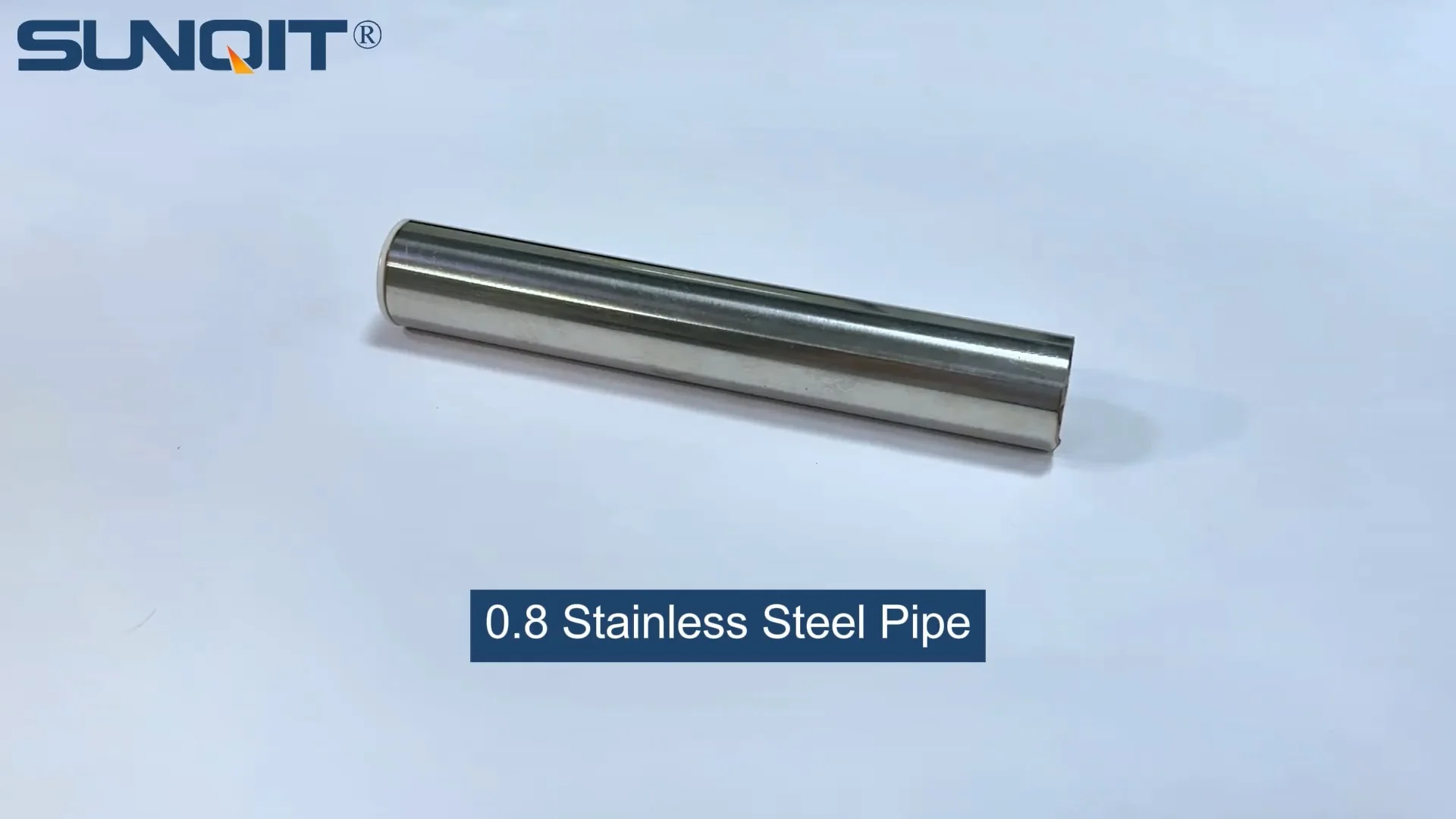
Stainless steel pipe, lean pipe, diameter is 28mm, material is SS201 or SS304, SS201 is normally used in the market. It knows a KARAKURI, KAIZEN material for industrial plant to improve efficiency, save labor cost, standard management.
Introduction: The End of One-Size-Fits-All Workstations
Walk into any busy workshop, factory floor, or lab, and you'll likely spot a common frustration: workstations that feel like they were designed for a different era. Maybe it's a bench that's too short for the tallest team member, a material rack that can't hold the new heavier components, or a layout that forces workers to take extra steps just to grab a tool. For years, businesses have settled for these one-size-fits-all solutions, assuming that custom workstations were either too expensive, too time-consuming, or too complicated to justify. But what if the opposite were true? What if the key to smoother workflows, happier teams, and better bottom lines lay in workstations that adapt to your needs—not the other way around?
Enter modular workstations, built on the backbone of 2.0mm stainless steel pipe. These systems aren't just about rearranging parts; they're about reimagining how work gets done. Whether you're assembling electronics, packaging medical supplies, or managing a warehouse, the ability to customize your workspace down to the last joint and caster wheel can transform chaos into efficiency. In this article, we'll dive into why 2.0mm stainless steel pipe is the unsung hero of modular design, how customization actually simplifies your operations, and the components that make it all possible—from lean pipe joints that snap into place to caster wheels that let your workstation move as freely as your workflow.
What Makes Modular Workstations a Game-Changer?
Let's start with the basics: why modular? Traditional workstations are like concrete—sturdy, but once they're set, changing them means breaking everything down and starting over. If your team grows, or your production line shifts, or new regulations require more space between work areas, you're stuck either living with inefficiency or shelling out for a brand-new setup. Modular workstations, on the other hand, are more like building blocks. They're designed to be reconfigured, expanded, or repurposed without ripping out bolts or hiring a contractor. This flexibility isn't just convenient—it's a lifeline in industries where change is constant.
Take the concept of a lean system , for example. Lean manufacturing is all about eliminating waste: wasted time, wasted space, wasted effort. A rigid workstation is a breeding ground for waste. If a worker has to reach across a cluttered bench because there's no built-in shelf for tools, that's wasted motion. If a material rack sits half-empty because it can't adjust to smaller batches, that's wasted space. Modular workstations fix this by letting you design around your specific workflow. Need a shelf here? Add a stainless steel pipe and a joint. Need the whole bench to roll to the next station? Swap out fixed feet for caster wheels. It's lean in action—your workspace evolves with your process, not against it.
But modularity isn't just for big factories. Small businesses, labs, and even home workshops benefit, too. A local bakery might start with a simple modular table for decorating cakes, then expand it with extra shelves as their product line grows. A startup assembling drones could reconfigure their workstations weekly as they test new prototypes. The point is: your workspace should work for you, not limit you.

The Backbone: 2.0mm Stainless Steel Pipe in Modular Design
Why 2.0mm Thickness? It's All About Balance
At the heart of every durable modular workstation is the pipe itself, and 2.0mm stainless steel pipe strikes a sweet spot that thinner or thicker options can't match. Let's break it down: thinner pipes (like 1.2mm or 1.5mm) might be lighter, but they sacrifice strength. Imagine mounting a heavy power tool on a shelf made with 1.2mm pipe—over time, that shelf could bend or warp, putting your tools (and safety) at risk. Thicker pipes, on the other hand, add unnecessary weight and rigidity. A 3.0mm pipe might be strong, but it's harder to maneuver during assembly, and the extra material drives up costs without adding meaningful benefits for most everyday applications.
2.0mm stainless steel pipe hits the mark: it's thick enough to handle the demands of industrial use (we're talking load capacities of up to 200kg per linear meter, depending on the design) but light enough to make assembly a one-person job. Think about a typical workbench: you need it to hold tools, parts bins, maybe a laptop for digital work instructions. With 2.0mm pipe, you won't have to worry about sagging shelves or wobbly frames, even after years of use. It's the kind of durability that turns a "temporary fix" into a long-term asset.
Stainless Steel: More Than Just Shiny—It's Smart
Stainless steel gets a lot of attention for its sleek, modern look, but its real superpower is practicality. Let's start with corrosion resistance. In environments where moisture, chemicals, or even just humidity are common—like food processing plants, labs, or outdoor warehouses—traditional steel pipes rust and degrade quickly. Stainless steel? It laughs off rust. Its chromium content forms a protective oxide layer that self-repairs, even if the surface gets scratched. That means your workstation won't start flaking or staining after a spill, and you won't have to replace parts every few months.
Then there's hygiene. In industries like pharmaceuticals or medical device manufacturing, cleanliness is non-negotiable. Stainless steel is non-porous, which means bacteria, dirt, and grime can't hide in tiny cracks. A quick wipe with a disinfectant is all it takes to keep surfaces sterile—a huge advantage over wooden benches or painted metal, which can harbor germs even after cleaning. And let's not forget longevity: stainless steel pipe doesn't fade, chip, or weaken under UV light, making it ideal for both indoor and covered outdoor use. When you invest in a modular system built with 2.0mm stainless steel, you're not just buying a workstation—you're buying something that will grow with your business for years to come.

The Customization Journey: From Blueprint to Workbench
Customizing a modular workstation isn't about starting from scratch with raw materials (though you could, if you wanted to). It's a collaborative process that starts with understanding your needs and ends with a setup that feels like it was tailor-made for your team. Let's walk through the steps.
Step 1: Assess Your Needs (Spoiler: It's Not Just About Size)
Before picking up a single pipe, you need to ask the right questions. Start with the basics: Who will use the workstation? What tasks will they perform? How much weight does it need to support? But don't stop there. Dig deeper: What's the workflow around the workstation? For example, if workers need to pass materials to the next station, you might want a roller track on one side. Do you need mobility? A workstation with caster wheels might be better than a fixed bench. Are there safety requirements? ESD (electrostatic discharge) protection might be a must in electronics assembly, which could mean adding ESD-safe surfaces or grounding components.
Let's take a real-world example: a small electronics manufacturer that recently shifted from assembling smartphones to larger tablets. Their old workstations had shallow shelves that couldn't fit the bigger tablet cases, and the fixed height forced workers to hunch over. By assessing their needs, they realized they needed deeper shelves (to hold cases), adjustable height (to reduce strain), and a mobile design (to move workstations closer to the testing area). That assessment became their roadmap for customization.
Step 2: Design with Lean Principles in Mind
A modular workstation isn't just a piece of furniture—it's a tool for implementing lean system practices. Lean is all about optimizing flow, reducing waste, and putting the worker at the center. When designing your workstation, ask: How can this layout minimize unnecessary movement? Can we keep frequently used tools within arm's reach? Is there a way to integrate material storage directly into the bench to cut down on trips to the supply closet?
For instance, a lean-inspired workstation might include a flow rack above the bench for incoming parts, so components roll down as they're needed (no more stretching to reach the top shelf). Or it might have a built-in bin system with color-coded sections for different screws or wires, reducing the time spent searching for parts. By weaving lean principles into the design, you're not just building a workstation—you're building a more efficient workflow.
Step 3: Pick Your Components (Joints, Casters, and Everything In Between)
This is where the fun begins. Modular systems thrive on interchangeable components, and 2.0mm stainless steel pipe plays well with a wide range of accessories. Let's start with the stars of the show: lean pipe joints . These small but mighty connectors are what make customization possible. Need a 90-degree angle for a corner shelf? Use a 90° fixed joint. Want a section that swivels to reach different areas? Opt for an internal rotary joint. Most joints snap or screw into place without welding, so you can adjust on the fly. It's like building with advanced Legos—no special tools required.
Then there are caster wheels . Not all casters are created equal. If your workstation needs to move smoothly across concrete, go for heavy-duty rubber wheels. If you work on delicate floors (like in a lab), soft polyurethane wheels won't leave marks. And don't forget brakes—locking casters keep the workstation steady when in use, preventing accidents. For our electronics manufacturer example, they chose swivel casters with brakes: easy to move when reconfiguring the line, but rock-solid when assembling tablets.
Other components to consider: workbench surfaces (wood, metal, or ESD-safe), roller tracks for material flow, and accessories like tool hooks or bin holders. The best part? You don't have to decide everything upfront. Modular systems are designed to evolve. Start with the basics, then add components as your needs change.
Step 4: Assemble, Test, and Tweak
One of the biggest myths about custom workstations is that assembly requires a team of engineers. With modular systems, that couldn't be further from the truth. Most 2.0mm stainless steel pipe components are designed for tool-free assembly—just slide a joint onto the pipe, tighten a screw, and you're good to go. Even complex setups (like a multi-level material rack) can be put together in a few hours with a basic wrench.
Once assembled, the real magic happens: testing. Let your team use the workstation for a week, then gather feedback. Maybe the shelf is still too high, or the caster wheels are squeaking. With modular design, fixes are simple. Loosen a joint, adjust the height, swap out the wheels—no need to start over. This iterative process ensures your workstation isn't just "good enough"—it's perfect for how you work.
Key Components That Make Customization Possible
You could have the best 2.0mm stainless steel pipe in the world, but without the right components, your workstation would be just a pile of metal. Let's shine a spotlight on the unsung heroes that turn pipes into powerful, adaptable systems.
Lean Pipe Joints: The Glue That Holds Flexibility Together
If modular workstations were a language, lean pipe joints would be the grammar—they dictate how all the parts connect and communicate. These small, often overlooked pieces come in dozens of configurations, each designed for a specific job. Take the 90° fixed joint: it's the workhorse for building right angles, like the legs of a workbench or the sides of a material rack. Then there's the 180° internal rotation joint, which lets two pipes connect in a straight line but pivot, perfect for adjustable shelves that need to tilt. For more complex setups, five-way or three-way joints let you branch out in multiple directions, creating custom shapes that traditional workstations could never match.
What makes these joints so special? Precision. Most are made from high-grade plastic or metal (like zinc-plated steel) and engineered to grip the pipe tightly without damaging it. That means you can disassemble and reassemble them hundreds of times without losing stability. For a warehouse that needs to reconfigure its material racks seasonally, this is a game-changer—no more buying new racks; just reposition the joints.
Caster Wheels: Mobility Without Compromise
A workstation that can't move is a workstation stuck in the past. Caster wheels transform static benches into dynamic tools that can follow the workflow, not the other way around. But not all casters are created equal. Let's break down the options:
- Swivel vs. Rigid: Swivel casters rotate 360°, making tight turns easy—ideal for workstations that need to maneuver around obstacles. Rigid casters only roll forward/backward, better for straight-line movement (like a conveyor feed).
- Wheel Material: Rubber wheels absorb shock and work well on rough floors, while polyurethane is gentler on tiles and hardwood. For heavy loads, steel wheels are the go-to (though they're noisier).
- Load Rating: Casters are rated by how much weight they can handle. A small workbench might need 50kg casters, while a heavy-duty material trolley could require 200kg+.
- Brakes: Essential for safety. Total-lock brakes stop both swiveling and rolling, while directional brakes only stop rolling—choose based on how stable you need the workstation to be during use.
For example, a medical device assembly line might use swivel casters with total-lock brakes: easy to move when repositioning the line, but locked tight during delicate assembly work to prevent even the smallest wobble.
Stainless Steel Pipe Series: More Than Just Pipes
When we talk about 2.0mm stainless steel pipe, we're actually referring to a whole stainless steel pipe series that includes not just the pipes themselves, but also accessories that expand their functionality. Take pipe end caps, for instance—these plastic or metal caps snap onto the ends of pipes to prevent scratches, protect workers from sharp edges, and keep dust out of hollow pipes. Then there are pipe clamps, which let you attach tools, bins, or even other pipes without drilling holes. Need to hang a power strip under your workbench? A simple pipe clamp does the job in seconds.
The series also includes specialized pipes, like those with built-in tracks for sliding accessories or corrosion-resistant options for extreme environments. And because it's a series, all components are designed to work together. You won't have to worry about a joint from one manufacturer not fitting a pipe from another—standardization ensures compatibility, making customization even easier.
Traditional vs. Modular Workstations: A Side-by-Side Comparison
| Feature | Traditional Workstations | Modular Workstations (2.0mm Stainless Steel Pipe) |
|---|---|---|
| Customization | Limited to pre-set sizes and layouts; modifications require cutting/welding. | Fully customizable: adjust height, width, depth, and components with simple joints. |
| Durability | Often made with thin steel or particleboard; prone to warping, rust, or damage. | 2.0mm stainless steel pipe resists corrosion, dents, and wear; lasts 10+ years. |
| Cost Over Time | Cheap upfront, but frequent replacements and repairs add up. | Higher initial cost, but reusable components and long lifespan lower total cost of ownership. |
| Workflow Efficiency | Static layout leads to wasted motion and bottlenecks. | Lean system integration reduces waste; mobility and adaptability keep workflows smooth. |
| Assembly/Reconfiguration | Requires tools, expertise, and downtime; often easier to replace than modify. | Tool-free assembly; reconfigure in hours (or minutes) with no downtime. |
| Safety | Fixed designs may force awkward postures; rusted parts can fail unexpectedly. | Adjustable height reduces strain; sturdy joints and brakes prevent accidents. |
Real-World Applications: Where Modular Workstations Shine
Modular workstations aren't just a theoretical improvement—they're making a difference in industries across the board. Let's look at a few examples of how businesses are using 2.0mm stainless steel pipe systems to solve real problems.
Manufacturing: From Chaos to Lean Assembly Lines
A mid-sized automotive parts manufacturer was struggling with a production line that felt stuck in the mud. Their old fixed workbenches couldn't accommodate the varying sizes of parts (from small brackets to large engine components), and workers were constantly walking to a central material rack to restock. By switching to modular workstations, they built custom benches with adjustable shelves (using 90° lean pipe joints) and integrated flow racks (with roller tracks) that brought parts directly to the bench. They also added caster wheels to the workstations, letting them reposition the line in minutes when switching between product models. The result? A 30% reduction in time spent on material handling and a 15% boost in daily output.
Laboratories: Sterility and Flexibility in One
A research lab focused on vaccine development needed workstations that could handle strict sterility requirements and adapt to changing experiments. Traditional wooden benches were hard to disinfect, and metal racks rusted quickly in the humid environment. Modular workstations with 2.0mm stainless steel pipe solved both issues. The stainless steel surfaces wiped clean with bleach, and the corrosion resistance meant no rust, even with daily cleaning. They added adjustable height shelves (using internal rotation joints) to fit different equipment sizes and swivel casters with brakes to move workstations between fume hoods and testing areas. Now, they can reconfigure their lab layout in a day to start a new experiment—no more waiting for custom furniture.
Warehouses: Material Handling That Keeps Up
A third-party logistics provider was drowning in inefficiency. Their static pallet racks couldn't keep up with the surge in small-package shipping, and workers were wasting time searching for items in disorganized bins. They replaced the racks with modular material racks built on 2.0mm stainless steel pipe, using three-way joints to create multi-level shelves and roller tracks to let packages slide down to the picking area. They also added mobile turnover trolleys (with caster wheels) that could be rolled directly to packing stations, cutting down on carrying. The result? A 25% faster picking process and a 40% reduction in misplaced items.
Overcoming Common Myths About Custom Modular Systems
Despite their benefits, modular workstations still face skepticism. Let's tackle the most common myths and set the record straight.
Myth #1: "Custom Means Expensive"
It's true that modular workstations have a higher upfront cost than basic, off-the-shelf benches. But think about the long term. Traditional workstations often need to be replaced every 2–3 years as needs change. Modular systems, with their durable stainless steel pipe and reusable components, last 10+ years. Plus, when you need to expand or reconfigure, you only pay for the new parts you need—not a whole new workstation. For example, adding a shelf to a modular bench costs $20–$50; replacing a traditional bench because it's too small could cost $500+. Over time, modular systems almost always save money.
Myth #2: "They're Hard to Assemble"
Remember those old IKEA nightmares with confusing instructions and missing parts? Modular workstations are nothing like that. Most systems are designed for tool-free assembly—just align the pipe, slide on the joint, and tighten a hand screw. Many suppliers even provide online tutorials or design tools to help you plan your setup. In fact, a basic workbench can be assembled in under an hour by someone with no prior experience. And if you do get stuck? Most suppliers offer customer support to walk you through it.
Myth #3: "They're Not as Sturdy as Traditional Workstations"
This couldn't be further from the truth. 2.0mm stainless steel pipe is incredibly strong—stronger than the thin steel or particleboard used in many traditional workstations. Add in high-quality lean pipe joints (which are tested to withstand thousands of cycles), and you've got a system that can handle heavy loads without wobbling. In fact, many modular workstations meet industrial safety standards for load capacity and stability, making them suitable for even the toughest environments.
Conclusion: Adaptability Is the New Competitive Edge
In a world where businesses are forced to pivot faster than ever—whether due to new technologies, shifting customer demands, or unexpected challenges—adaptability isn't just a nice-to-have; it's survival. Modular workstations, built on 2.0mm stainless steel pipe, give you that adaptability. They let you design workspaces that grow with your team, evolve with your processes, and stand up to the daily grind.
From lean pipe joints that turn pipes into puzzles to caster wheels that let your workstation go where the work is, these systems are more than just furniture—they're tools for empowerment. They let your team work smarter, not harder, by putting everything they need within reach and eliminating the frustrations of ill-fitting workspaces.
So, the next time you look at your current workstation and sigh, remember: you don't have to settle. With modular systems, you can build a workspace that works for you. And in the end, that's not just good for your team—it's good for your bottom line. After all, a workstation that adapts to change is one less thing holding you back from success.