- Company Articles
- Products and Technology
- Product knowledge
- MOQ for 3030 Aluminum Profile End Caps: What Suppliers Require

MOQ for 3030 Aluminum Profile End Caps: What Suppliers Require
Related Product
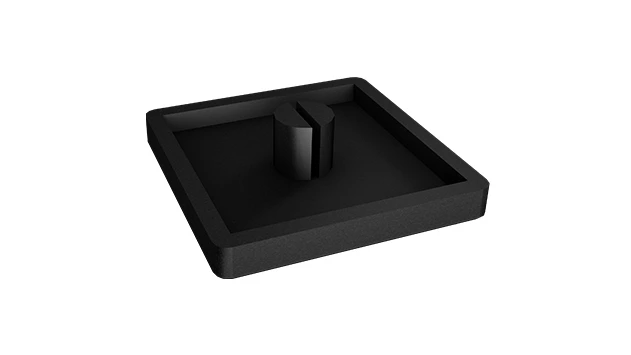
3030 Aluminum Profile End Cap
The aluminum profile end cap adds a finishing touch to your project and closes off profile ends to limit dust and debris buildup, also it can avaid some scratch for material and labor during the assemble work.
Navigating minimum order quantities to keep your production line running smoothly
The Unsung Hero of Aluminum Profiles: Why End Caps Matter
If you've ever stepped into a manufacturing facility, a workshop, or even a well-organized garage, you've probably seen them—those sleek, modular structures holding up workbenches, shelving units, or assembly lines. Chances are, those structures are built with aluminum extrusion profiles —lightweight, durable, and infinitely customizable. But here's the thing: for all their strength and versatility, these profiles have a tiny Achilles' heel: their ends.
Aluminum extrusion profiles, especially the popular 3030 series (named for their 30mm x 30mm cross-section), are hollow. Left uncovered, their raw ends can catch on gloves, scratch equipment, or even injure workers. Worse, dust, debris, and moisture can seep into the hollow core, corroding the metal from the inside out over time. That's where 3030 aluminum profile end caps come in. These small, often plastic or rubber accessories snap or press into the ends of the profiles, sealing them off, protecting workers, and extending the life of the entire structure.
But if end caps are so critical, why do they often become a headache for buyers? The answer, more often than not, is MOQ—Minimum Order Quantity. Suppliers of aluminum profile accessories rarely sell these end caps one or two at a time. Instead, they require buyers to purchase a minimum number of units per order. For small businesses, startups, or even large manufacturers with niche needs, this can feel like a roadblock. Let's break down why MOQs exist, how they apply to 3030 aluminum profile end caps, and what you can do to navigate them.
What is MOQ, and Why Do Suppliers Care So Much?
MOQ, or Minimum Order Quantity, is the smallest number of units a supplier is willing to sell in a single order. At first glance, it might seem like suppliers are just being stubborn—after all, why turn down a small sale? But the reality is more nuanced. MOQs exist to protect suppliers' bottom lines, and they're rooted in the practicalities of manufacturing and business operations.
Let's start with production costs. Even a simple accessory like a 3030 end cap requires tooling, labor, and materials. For plastic end caps, for example, suppliers use injection molding. Creating a mold for a specific end cap design can cost thousands of dollars. Once the mold is made, running the machine to produce just 10 or 20 units barely covers the energy and labor required to set up the equipment. It's far more efficient to produce hundreds or thousands of units in one run, spreading the fixed costs (like mold setup) across more products. That's why a aluminum profile supplier might set a MOQ of 500 for end caps—producing fewer would mean selling them at a loss, which isn't sustainable.
Then there's material waste. Raw materials for end caps—whether plastic pellets, rubber, or even aluminum—are typically bought in bulk. If a supplier agrees to a small order, they might have to cut a large sheet of plastic or open a new bag of pellets, leaving leftover material that could go unused for months. Over time, that waste adds up, eating into profits. MOQs help suppliers ensure they're using materials efficiently, reducing waste and keeping costs down for everyone.
Logistics and administration play a role too. Processing an order—from confirming the purchase to packaging and shipping—takes time, regardless of the order size. A supplier handling 10 small orders for 50 end caps each will spend far more on paperwork, shipping labels, and customer service than they would on one order for 500. MOQs streamline this process, allowing suppliers to focus on larger, more efficient transactions.

Factors That Shape MOQ for 3030 Aluminum Profile End Caps
Not all MOQs are created equal. The minimum number of 3030 aluminum profile end caps a supplier requires can vary widely based on a few key factors. Understanding these will help you anticipate what to expect and negotiate more effectively.
Material Type: Plastic vs. Metal End Caps
Most 3030 end caps are made of plastic (like polypropylene or ABS) because it's lightweight, cheap, and easy to mold. Plastic end caps often have lower MOQs—say, 200–500 units—because injection molding is fast once the mold is set up. Metal end caps (usually aluminum or stainless steel), on the other hand, are heavier, more durable, and often machined rather than molded. Machining requires more labor and time per unit, so suppliers may set higher MOQs (500–1000 units) to justify the effort.
Supplier Size and Specialization
A large, generalist supplier that stocks thousands of aluminum profile accessories (from brackets to hinges to end caps) will likely have higher MOQs. They're focused on volume and efficiency, so small orders aren't worth their time. A smaller, niche supplier, however—one that specializes in custom or hard-to-find accessories—might be more flexible. They may set lower MOQs (100–300 units) to attract customers who can't meet the larger suppliers' thresholds.
Customization vs. Off-the-Shelf
Off-the-shelf 3030 end caps—standard sizes, colors, and designs—almost always have lower MOQs. Suppliers produce these in bulk regularly, so they have stock on hand and can fulfill smaller orders without disrupting their production schedule. Custom end caps, though—say, with your company logo, a unique color, or a modified shape—are a different story. Custom molds or tooling mean higher upfront costs for the supplier, so they'll require larger MOQs (often 1000+ units) to recoup those expenses.
Market Demand
Like any product, end caps follow supply and demand. The 3030 series is one of the most popular aluminum profiles, so 3030 end caps are in high demand. Suppliers know they can sell large quantities quickly, so they may set higher MOQs (400–800 units) because they don't need to compete for buyers. For less common profile sizes (like 2020 or 4080), end caps might have lower MOQs simply because demand is lower, and suppliers want to move inventory.

What Do Suppliers Typically Require? A Closer Look at MOQ Ranges
To give you a clearer picture, let's compare MOQ requirements across different types of suppliers. The table below is based on industry averages and conversations with suppliers, but keep in mind that these are just guidelines—actual MOQs can vary based on the factors we discussed above.
| Supplier Type | Typical MOQ for 3030 End Caps (Off-the-Shelf) | Typical MOQ for Custom 3030 End Caps | Lead Time | Minimum Order Value (MOV) |
|---|---|---|---|---|
| Large-scale aluminum profile supplier | 500–1000 units | 1000–2000 units | 1–2 weeks (in stock); 4–6 weeks (custom) | $500–$1000+ |
| Mid-sized accessories specialist | 300–500 units | 500–1000 units | 3–5 days (in stock); 3–4 weeks (custom) | $300–$500 |
| Small/niche supplier | 100–300 units | 300–500 units | 5–7 days (in stock); 2–3 weeks (custom) | $100–$300 |
| Online marketplace (e.g., Alibaba, Amazon) | 50–200 units | Not available (custom) | 2–4 weeks (shipping from overseas) | $50–$200 |
A few notes on this table: Online marketplaces like Alibaba often list very low MOQs (50–200 units), but be cautious. These are often from overseas suppliers, and shipping times can stretch to 4–6 weeks. Plus, quality control can be hit-or-miss—you might end up with end caps that don't fit your 3030 profiles properly. For critical applications (like medical or aerospace manufacturing), it's usually worth paying a bit more for a local or trusted supplier with clearer quality standards, even if their MOQ is higher.
Navigating MOQs: Tips for Buyers
So, you need 3030 aluminum profile end caps, but the supplier's MOQ is higher than what you need right now. What do you do? Here are some strategies to help you bridge the gap without overspending or delaying your project.
1. Buy in Bulk (and Store Smartly)
If you know you'll need end caps regularly (e.g., you're building 50 workbenches per month), consider biting the bullet and meeting the MOQ. Yes, you'll pay more upfront, but you'll save on per-unit costs and avoid repeated shipping fees. Store the extra end caps in a dry, organized space—they have a long shelf life, so they won't go bad. Just make sure to track your inventory so you don't overorder next time.
2. Partner with Other Buyers
If you're a small business or startup, team up with other companies in your industry. Maybe a neighboring workshop or a fellow manufacturer also needs 3030 end caps. Split the MOQ between you—you each get the number of units you need, and the supplier gets their minimum order. Online forums, industry groups, or local business associations are great places to find potential partners.
3. Negotiate with the Supplier
Suppliers aren't always rigid about MOQs, especially if you can offer something in return. For example, you could commit to regular, smaller orders (e.g., "I'll buy 200 end caps every month for the next year") instead of one large order. Or, you could bundle your end cap order with other aluminum profile accessories you need (like brackets or hinges) to meet the supplier's minimum order value (MOV), even if you don't meet the MOQ for end caps alone.
4. Look for "Sample Packs" or "Starter Kits"
Some suppliers offer sample packs of aluminum profile accessories, including end caps. These packs might include 10–50 units for a flat fee, letting you test the product before committing to a larger order. They're not always advertised, so ask—you might be surprised. Starter kits, which include a variety of accessories (profiles, end caps, joints) for small projects, are another option. They often have lower MOQs than buying individual components.
5. Consider Alternative Materials
If plastic end caps have a high MOQ, but you only need a few, consider temporary alternatives. For example, rubber stoppers from a hardware store can work in a pinch (though they won't look as professional). Or, if you have a 3D printer, you could print custom end caps for small-scale use. These aren't long-term solutions, but they can tide you over until you're ready to meet the MOQ.
The Bottom Line: MOQ as a Partnership, Not a Barrier
At the end of the day, MOQs are about balance. Suppliers need to cover their costs and run efficiently, and buyers need to get the accessories they need without overspending. By understanding why MOQs exist, researching supplier requirements, and using strategies like bulk buying, partnering, or negotiating, you can turn MOQ from a barrier into an opportunity to build stronger relationships with your suppliers.
Remember, the 3030 aluminum profile end cap might be small, but it's a critical part of keeping your production line safe, efficient, and professional. Taking the time to navigate MOQs ensures you never have to cut corners on these unsung heroes—because when it comes to aluminum profiles, the details matter.