- Company Articles
- Products and Technology
- Product knowledge
- Multi-Angle Fixed Aluminum Joint for Turnover Carts: Stability & Mobility

Multi-Angle Fixed Aluminum Joint for Turnover Carts: Stability & Mobility
Related Product
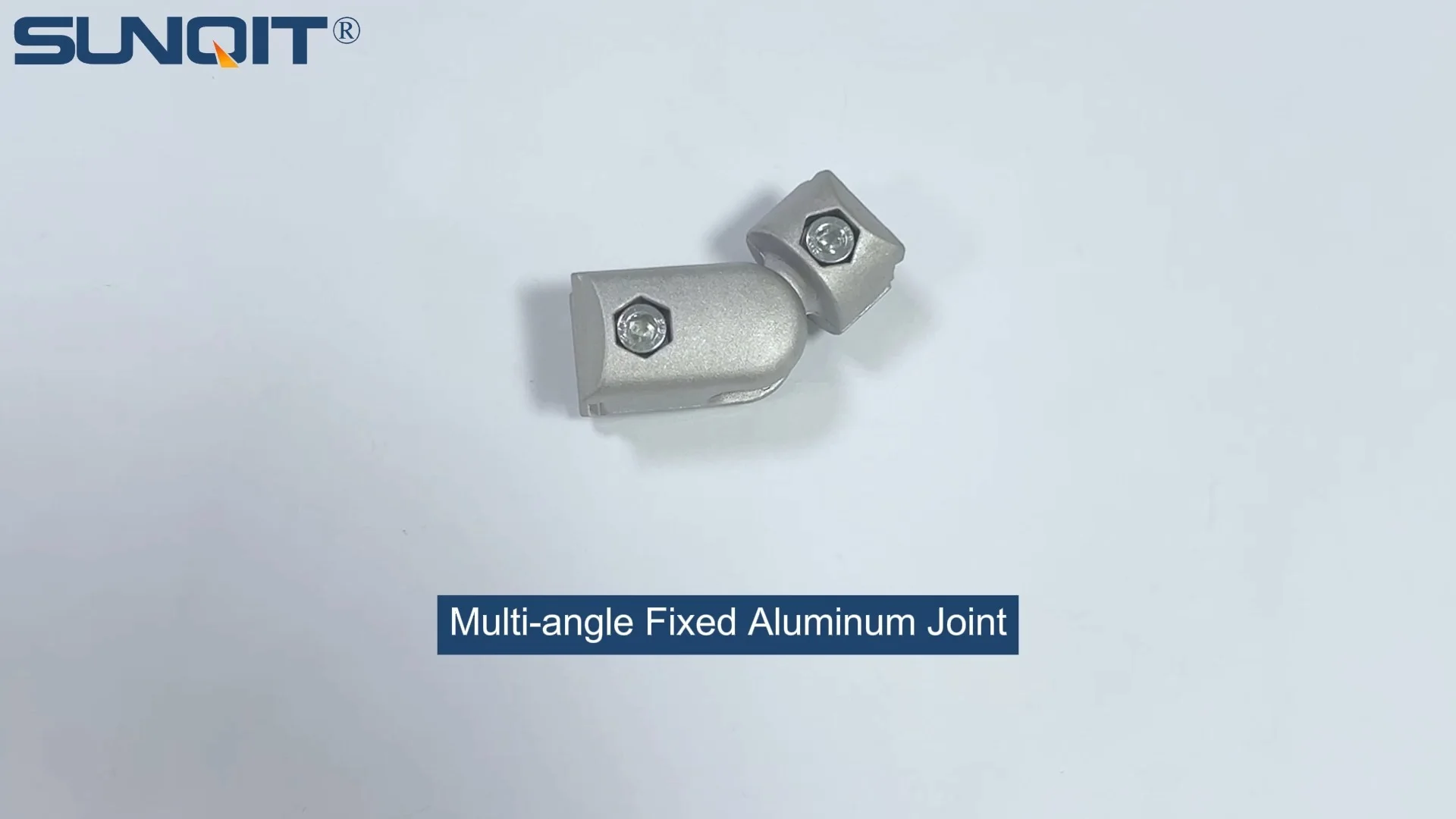
Multi-angle Fixed Aluminum Joint
Aluminum joint pipe connection for two pipe connection and work in mutiple angle.
Walk into any busy warehouse, factory floor, or distribution center, and you'll notice a silent workhorse keeping operations moving: the turnover cart. These humble vehicles shuttle parts, tools, and finished goods between stations, their wheels humming across concrete as teams race to meet deadlines. But here's the thing no one talks about enough: not all turnover carts are created equal. A wobbly cart that shifts under load, a joint that loosens after weeks of use, or a frame that bends under heavy boxes can turn a simple task into a daily headache—slowing down workflows, risking worker safety, and eating into productivity. That's where the multi-angle fixed aluminum joint comes in. It's not just a piece of hardware; it's the backbone that transforms a flimsy cart into a reliable partner on the floor. Let's dive into why this unassuming component matters, how it blends stability and mobility, and why it's becoming a staple in modern lean systems.
The Unsung Hero of Turnover Carts: Why Joints Matter More Than You Think
Think about the last time you pushed a cart loaded with boxes. If it felt steady, you probably didn't give it a second thought. But if it wobbled, squeaked, or threatened to tip when you turned a corner, you tensed up, moved slower, and maybe even avoided using it altogether. That's the difference a good joint makes. Turnover carts are built from a mix of tubes, frames, shelves, and wheels, but it's the joints that hold everything together. Traditional joints—often made of plastic or low-grade steel—might work for light loads or occasional use, but in high-pressure environments where carts are pushed, pulled, and loaded to capacity 12 hours a day, they fail. Plastic cracks under stress, steel rusts in humid conditions, and fixed-angle joints limit how the cart can be customized. Enter the multi-angle fixed aluminum joint: designed to address all these pain points, it's quickly becoming the go-to choice for manufacturers and warehouses that refuse to compromise on reliability.
What Exactly Is a Multi-Angle Fixed Aluminum Joint?
Let's break it down. "Multi-angle" means the joint can connect tubes or frames at various angles—90 degrees, 45 degrees, 135 degrees, you name it—without needing special tools or custom parts. "Fixed" ensures that once set, that angle stays locked in, no matter how much the cart is jostled. And "aluminum" is the star material here: lightweight, strong, and resistant to corrosion. Imagine a small, compact connector with precision-machined slots and bolts that let you attach aluminum profile tubes at almost any angle, then tighten them down to create a rigid, unyielding bond. Unlike one-size-fits-all plastic joints, these aluminum versions are engineered for flexibility in design and durability in use. They come in various sizes to fit different tube diameters (common in lean pipe systems, which we'll touch on later) and often feature internal mechanisms—like clamping teeth or threaded inserts—that bite into the aluminum profile, creating a grip that won't loosen over time. Whether you're building a cart with a sloped shelf for easy part retrieval, a corner frame for extra stability, or a multi-tiered rack for sorting components, this joint adapts to the design, not the other way around.

Aluminum Profile: The Perfect Partner for the Joint
You can't talk about aluminum joints without mentioning aluminum profile—the tubes or beams they connect. Aluminum profile (sometimes called aluminum extrusion profile) is made by pushing molten aluminum through a die to create uniform, hollow tubes with built-in slots or grooves. These slots are key: they let the multi-angle joint's bolts or clamps lock into place securely, creating a connection that's both strong and easy to assemble. Unlike smooth steel tubes, which rely on friction or welding, aluminum profile's structured design ensures the joint has something to "grab onto," reducing the risk of slippage. But it's not just about grip; aluminum profile is also lightweight. A turnover cart built with aluminum profile and multi-angle joints weighs significantly less than a steel equivalent, making it easier for workers to push, even when fully loaded. This lightness doesn't come at the cost of strength, though—aluminum alloys used in industrial profiles have a tensile strength comparable to mild steel, meaning they can handle loads up to several hundred kilograms without bending. And because aluminum doesn't rust, carts stay looking and working like new, even in damp environments like food processing plants or outdoor loading docks. It's a match made in material science heaven: the joint's flexibility paired with the profile's strength creates a cart that's both adaptable and tough.

Stability Meets Mobility: Pairing with Caster Wheels
A turnover cart is only as good as its ability to move smoothly, which is where caster wheels come in. But even the best caster wheel can't save a cart with a wobbly frame. The multi-angle fixed aluminum joint ensures that the cart's base—where the caster wheels are attached—is perfectly stable. Think about it: if the joints connecting the base tubes to the vertical supports are loose, the entire cart will sway as it moves, making it hard to control and increasing the risk of tipping. With aluminum joints, the base remains rigid, so the caster wheels can do their job—rolling over uneven floors, swiveling 360 degrees for tight turns, and locking in place when loading or unloading. Many manufacturers now design carts with multi-angle joints specifically to accommodate heavy-duty caster wheels, including those with brakes or shock-absorbing features. The result? A cart that glides like it's on rails, even when carrying a full load of engine parts or electronics. Workers notice the difference immediately: less strain on their backs from wrestling with unsteady carts, fewer spills from shifting loads, and faster transit times between stations.

Why It Matters in Lean Systems
Lean systems are all about eliminating waste—whether that's wasted time, wasted space, or wasted effort. In a lean environment, every tool, every cart, every process is designed to add value, not take it away. Unreliable turnover carts are a classic source of waste: a cart that breaks down means production stops while it's repaired or replaced; a cart that can't be customized to fit specific parts means workers spend extra time searching for tools or rearranging loads; a heavy cart means more energy is exerted, leading to fatigue and slower work. The multi-angle fixed aluminum joint aligns perfectly with lean principles. Its flexibility allows carts to be customized on the fly—add a shelf here, adjust a angle there—to fit changing production needs, eliminating the need to buy new carts every time a process updates. Its durability reduces downtime from repairs, keeping workflows uninterrupted. And its lightweight design cuts down on worker fatigue, keeping teams productive longer. In short, it's not just a joint; it's a lean tool that helps organizations do more with less.
Real-World Impact: Stories from the Floor
Let's get concrete. A mid-sized electronics manufacturer in Ohio was struggling with high turnover cart failure rates. Their old steel-jointed carts were rusting in the humid assembly area, and the fixed 90-degree joints meant they couldn't add angled shelves for small components, leading to parts falling off and getting damaged. After switching to carts built with multi-angle fixed aluminum joints and aluminum profile, they reported a 70% drop in cart-related downtime. Workers could now adjust shelves to 45 degrees, keeping parts secure, and the aluminum frames showed no signs of rust after six months. Another example: a warehouse in Texas that handles automotive parts was using plastic-jointed carts that often collapsed under the weight of heavy brake components. Switching to aluminum joints increased their cart's load capacity by 50%, allowing them to move more parts per trip and cut down on the number of carts needed—saving both space and labor costs. These aren't just success stories; they're proof that the right hardware can transform day-to-day operations.
How Does It Compare to Other Joints? Let's Take a Look
| Feature | Multi-Angle Fixed Aluminum Joint | Traditional Steel Joint | Plastic Joint |
|---|---|---|---|
| Weight | Lightweight (aluminum) | Heavy (increases cart weight) | Light, but brittle |
| Flexibility | Multi-angle (90°, 45°, 135°, etc.) | Usually fixed-angle (limited designs) | Limited angles; prone to cracking when adjusted |
| Durability | Resists corrosion, withstands heavy loads | Strong but rusts in humid conditions | Fails under heavy loads or repeated use |
| Installation | Tool-free or simple tools; easy to adjust | Often requires welding or specialized tools | Snaps together, but loosens over time |
| Longevity | 5–10 years with minimal maintenance | 3–5 years (rust reduces lifespan) | 6–12 months in high-use environments |
Table 1: Comparing joint types for turnover carts
Maintenance Tips: Keeping Your Joints (and Carts) in Top Shape
Like any piece of equipment, multi-angle fixed aluminum joints need a little care to last. The good news? It's minimal compared to other joints. First, keep them clean. Wipe down the joints with a damp cloth occasionally to remove dust, grease, or debris that could interfere with the clamping mechanism. If you're using the cart in a particularly dirty environment—like a factory with metal shavings—consider applying a light coat of silicone spray to the joint's moving parts to prevent buildup. Second, check the bolts or clamps quarterly. Over time, vibrations from moving the cart can loosen even the tightest fasteners, so a quick tighten with a hex key will keep the joint secure. Third, avoid overloading the cart beyond its rated capacity. Aluminum is strong, but it's not indestructible; exceeding the weight limit can warp the joint or the aluminum profile. Finally, if a joint does get damaged (e.g., a clamp tooth breaks), replace it immediately. Most suppliers offer replacement parts, so you won't need to scrap the entire cart—just swap out the joint and get back to work.
The Future of Turnover Cart Design: What's Next?
As manufacturing and warehousing continue to evolve—with a focus on automation, sustainability, and worker ergonomics—the multi-angle fixed aluminum joint is poised to play an even bigger role. We're already seeing suppliers experiment with integrated sensors in joints that can alert maintenance teams when a clamp is loosening or a part is wearing down. There's also a push for even more lightweight aluminum alloys, which would reduce cart weight further without sacrificing strength. And as lean systems become more sophisticated, the ability to quickly reconfigure carts using multi-angle joints will be key to adapting to shorter production runs and custom orders. Imagine a warehouse where a single cart can be transformed from a flatbed for large parts in the morning to a multi-tiered shelf for small components in the afternoon—all thanks to the flexibility of aluminum joints. It's not science fiction; it's happening now, and it's all made possible by this unassuming but powerful piece of hardware.
Conclusion: More Than a Joint—A Game-Changer for Productivity
At the end of the day, the multi-angle fixed aluminum joint is more than just a connector. It's a solution to a problem that has plagued warehouses and factories for decades: how to build turnover carts that are stable, mobile, adaptable, and durable. By combining the strength of aluminum profile, the flexibility of multi-angle design, and the reliability of fixed connections, it addresses the daily frustrations of workers and the operational challenges of managers. Whether you're moving delicate electronics, heavy machinery parts, or everyday warehouse goods, this joint ensures your cart works with you, not against you. As more industries embrace lean systems and prioritize worker safety and efficiency, we'll only see the demand for multi-angle fixed aluminum joints grow. After all, in a world where every second counts, why settle for a cart that holds you back? Invest in the joint that moves you forward.