- Company Articles
- Products and Technology
- Installation And Maintenance
- Multi-Angle Fixed Aluminum Joint Installation Mistakes to Avoid

Multi-Angle Fixed Aluminum Joint Installation Mistakes to Avoid
Related Product
Multi-angle Fixed Aluminum Joint
Aluminum joint pipe connection for two pipe connection and work in mutiple angle.
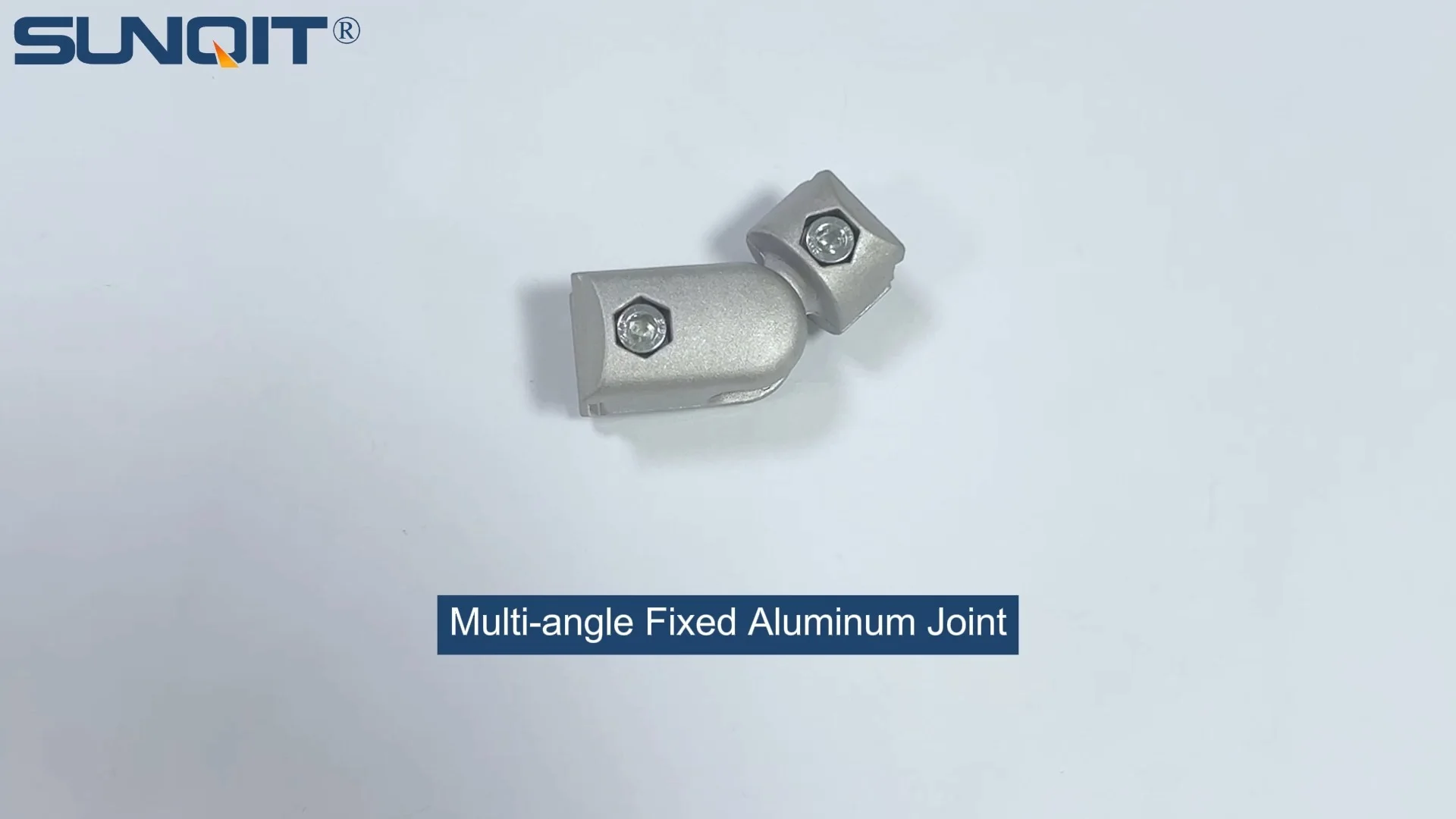
In the world of lean manufacturing and industrial workspaces, aluminum lean pipe systems have become the backbone of efficiency. These versatile structures—built from aluminum profile, aluminum pipe, and a range of aluminum pipe accessories—power everything from assembly line workbenches to material racks. At the heart of these systems lie multi-angle fixed aluminum joints: small but critical components that hold the entire setup together. Yet, even seasoned installers often overlook common mistakes during installation, turning what should be a sturdy, reliable structure into a wobbly, inefficient liability. Let's dive into the most frequent pitfalls and how to steer clear of them, ensuring your aluminum lean pipe system stands strong, lasts longer, and performs at its best.
Mistake 1: Choosing the Wrong Joint for Load Requirements
It's tempting to grab the first multi-angle fixed aluminum joint you see and start assembling, but not all joints are created equal. Each joint is engineered to handle specific weight limits, and using one that's underrated for your project is a recipe for disaster. Imagine building a material rack B (3 row and 3 floor) to hold heavy automotive parts, only to use a joint designed for a lightweight workbench. The joints will strain, the structure will sag, and over time, connections will loosen—putting both your materials and team at risk.
The flip side is just as problematic: over-specifying joints adds unnecessary cost and bulk. A joint built for industrial machinery won't just inflate your budget; its extra size might make the structure cumbersome, defeating the "lean" in lean manufacturing. So, how do you get it right? Start by calculating the total load your structure will bear. Consider static loads (the weight of the structure itself), dynamic loads (materials being placed or removed), and even environmental factors like vibrations from nearby equipment. Check the manufacturer's specifications—reputable suppliers always list load capacities for their joints. For example, a joint rated for 50kg per connection might work for a single-deck workbench, but a multi-tier material rack will need joints rated for 100kg or more. When in doubt, consult with your aluminum lean pipe supplier; they can help match joints to your exact needs.
Mistake 2: Skipping Surface Prep on Aluminum Profile
Aluminum profile might look smooth and ready to use straight out of the box, but even tiny imperfections can sabotage joint performance. Dust, oil from manufacturing, or leftover metal shavings on the profile's surface create a barrier between the joint and the pipe, weakening the connection. A joint clamped onto a dirty profile is like trying to glue two pieces of paper together with crumbs in between—eventually, it will slip.
The solution is simple but often overlooked: clean and inspect the aluminum profile before installation. Start by wiping the surface with a lint-free cloth dampened with isopropyl alcohol or a mild degreaser. This removes oils and grime without damaging the aluminum's finish. Next, run your finger along the edges—if you feel any burrs or rough spots (common after cutting), gently sand them down with fine-grit sandpaper. Even a small burr can prevent the joint from seating flush, leading to uneven pressure and loose connections later. Finally, check for dents or warping in the profile itself; a bent section will never align properly with a joint, no matter how much you tighten it. Taking 5 minutes to prep the profile saves hours of frustration down the line, ensuring your joints grip tight and stay tight.

Mistake 3: Over-Tightening (or Under-Tightening) Fasteners
Fasteners—those small screws, bolts, and clamps that secure the joint to the aluminum profile—are the unsung heroes of installation. But here's the catch: they're easy to mess up. Over-tightening is a common habit; many installers think "tighter is better," but aluminum is a soft metal. Cranking a fastener too hard can strip the threads in the joint, crack the aluminum profile, or even warp the joint itself. Suddenly, that tight connection becomes a weak point, and you're left with a joint that won't hold at all.
Under-tightening is just as bad. A fastener that's too loose lets the joint wiggle, which wears down both the joint and the profile over time. Think of it like a loose wheel on a car—eventually, the bolt will vibrate free, and the whole structure could collapse. The key is to follow the manufacturer's torque specifications. Most multi-angle fixed aluminum joints come with recommended torque values (usually between 20-30 Nm for standard joints), and using a calibrated torque wrench ensures you hit that sweet spot. If you don't have a torque wrench, get to know the "feel" of proper tightness: the fastener should be snug, but you shouldn't need to strain to turn it. After assembly, give each joint a gentle wiggle test—if it moves, it's too loose. And don't forget to check fasteners again after a week of use; vibrations can cause them to loosen slightly, even if you tightened them correctly initially.

Mistake 4: Forgetting About Thermal Expansion
Aluminum is sensitive to temperature changes. It expands when heated and contracts when cooled, and those small shifts can play havoc with multi-angle fixed joints. Install a structure in a cold morning, and by afternoon, the aluminum profile might expand just enough to bind the joint, creating stress that weakens the connection. Conversely, a system assembled in a hot factory might contract overnight, leaving joints loose and wobbly. This is especially problematic in facilities with fluctuating temperatures, like warehouses with open loading docks or plants near furnaces.
So, how do you account for thermal movement? Start by avoiding overly tight fits. Leave a tiny gap (usually 0.5-1mm) between the joint and the end of the profile to allow for expansion. If your structure spans a large area—say, a 20-foot conveyor track—consider adding expansion joints or flexible aluminum pipe accessories like swivel roller balls to absorb movement. Avoid installing aluminum lean pipe systems near heat sources like radiators or direct sunlight, and if you can't, use heat-resistant accessories to protect the joints. Remember: aluminum's thermal properties aren't a flaw, but ignoring them turns a minor shift into a major structural issue.

Mistake 5: Mixing Incompatible Aluminum Pipe Accessories
Your multi-angle fixed aluminum joint is only as strong as the accessories that support it. Using mismatched clamps, end caps, or connectors can create weak points in the system. For example, attaching a plastic roller track guide rail yellow to a joint designed for aluminum guide rail A might seem harmless, but the plastic's flexibility won't complement the aluminum's rigidity. The rail will flex, the joint will take uneven pressure, and over time, the whole assembly will misalign. Similarly, using a caster wheel from a different manufacturer might not fit the joint's mounting plate, leading to a wobbly trolley that's hard to maneuver.
Stick to accessories recommended by your aluminum lean pipe supplier. They design joints and accessories to work together, ensuring a seamless fit and balanced load distribution. If you need to mix brands, check compatibility charts—most suppliers publish these online, or their customer service teams can help. For example, a roller track placon mount for aluminum profile flat should only be used with flat aluminum profiles, not rounded ones. Taking the time to verify compatibility might seem tedious, but it prevents costly rework and ensures your system runs smoothly for years.
Quick Reference: Common Mistakes and Solutions
| Mistake | Consequence | Solution |
|---|---|---|
| Using underrated/overrated joints | Structural sagging, excess cost, instability | Calculate load, check manufacturer specs, consult supplier |
| Dirty/damaged aluminum profile | Weak joint grip, loose connections | Clean with alcohol, sand burrs, inspect for dents |
| Over-tightening/under-tightening fasteners | Stripped threads, cracked profiles, loose joints | Follow torque specs, use calibrated tools, wiggle-test after assembly |
| Ignoring thermal expansion | Joint warping, loosening, or binding | Leave gaps, use flexible accessories, avoid extreme temps |
| Mismatched accessories | Uneven pressure, misalignment, system inefficiency | Use supplier-recommended parts, check compatibility charts |
Conclusion: Invest in Precision, Reap the Rewards
Multi-angle fixed aluminum joints might be small, but they're the glue that holds your aluminum lean pipe system together. Avoiding these common mistakes isn't just about preventing failures—it's about building a system that's efficient, safe, and truly "lean." By choosing the right joint, prepping profiles, tightening fasteners correctly, accounting for thermal changes, and using compatible accessories, you'll create a structure that not only meets your needs today but adapts to tomorrow's challenges. Remember, lean manufacturing is about eliminating waste, and nothing wastes time or resources like a poorly installed system. So take the time to do it right—your team, your budget, and your productivity will thank you.